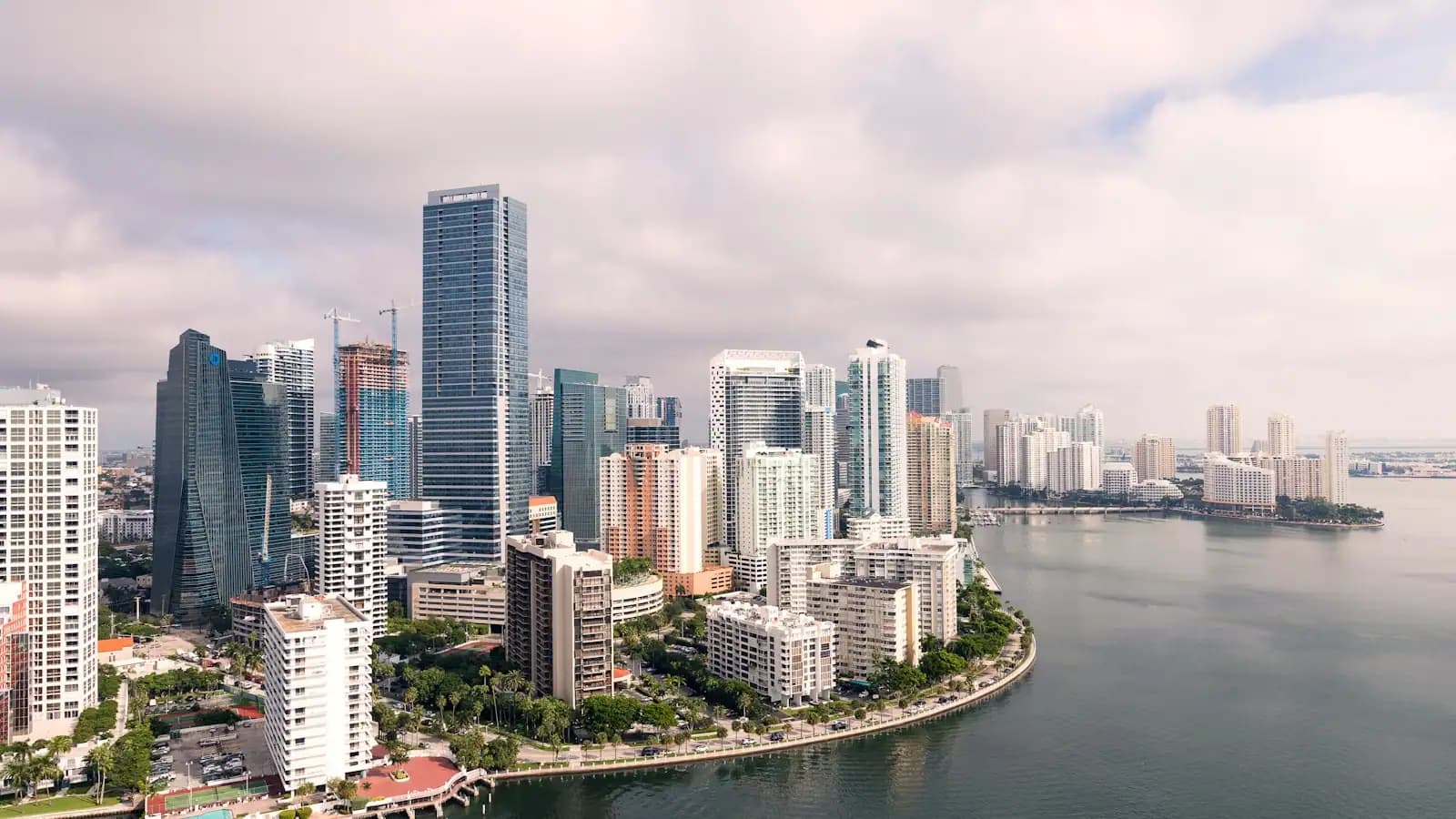
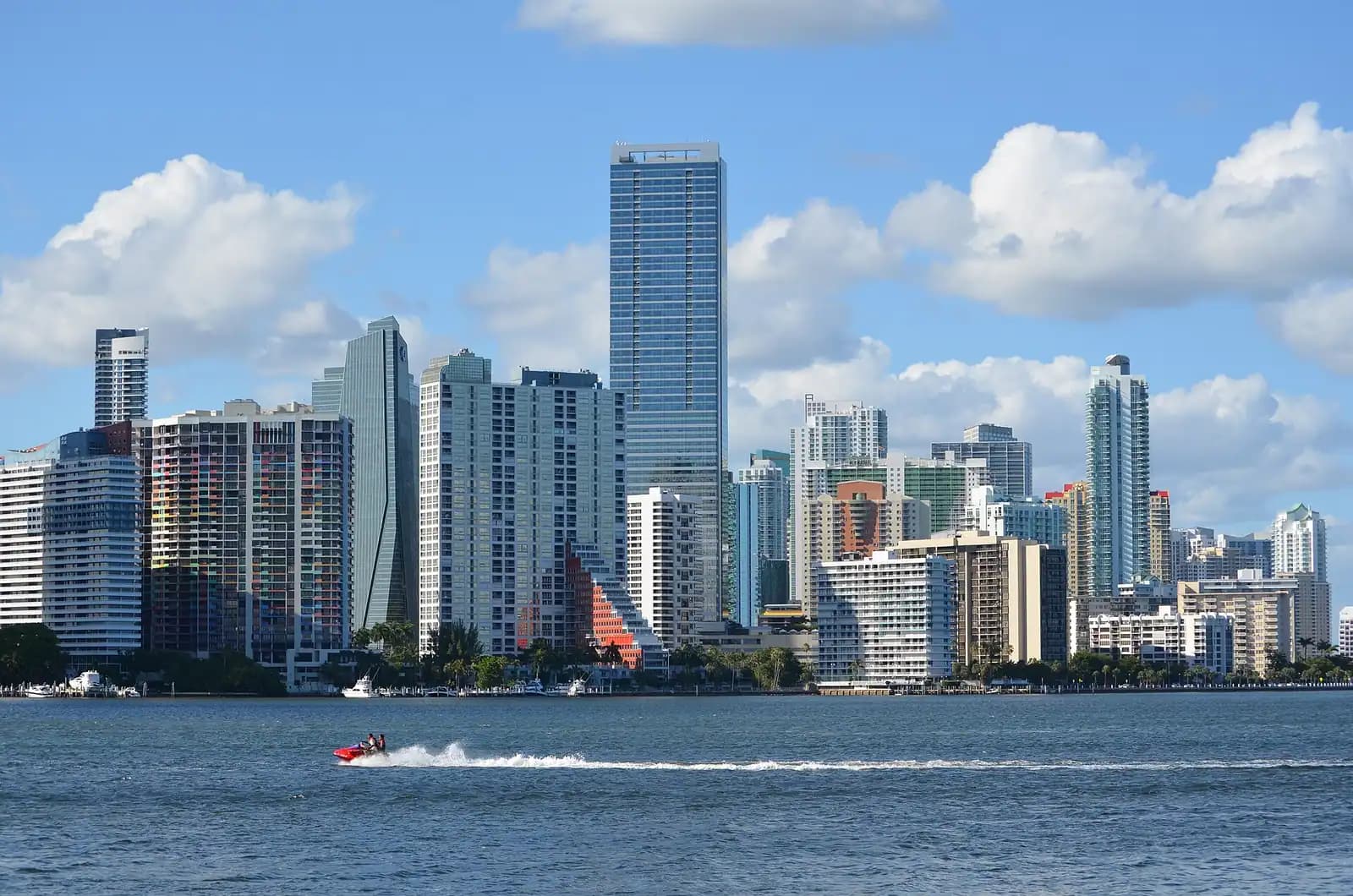
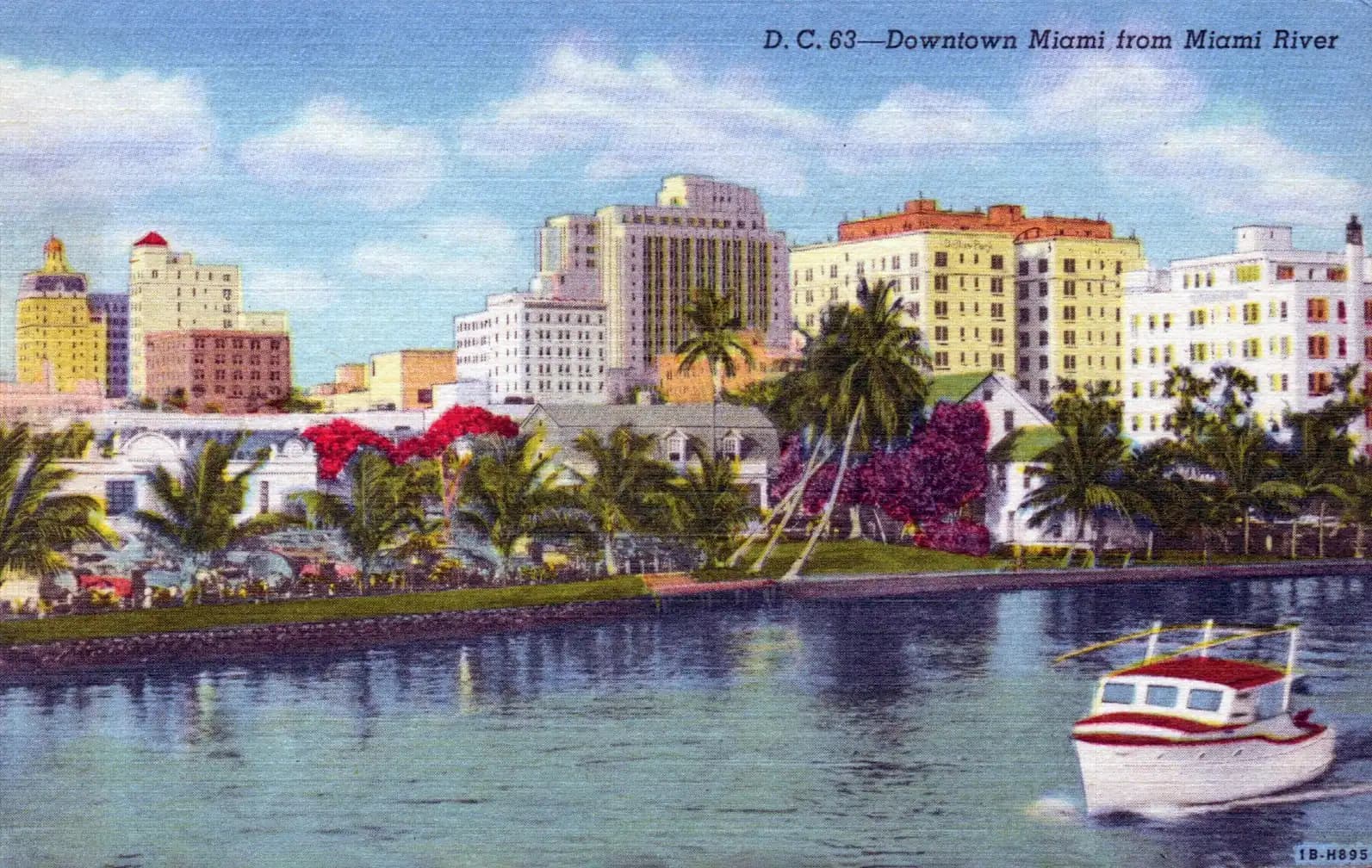
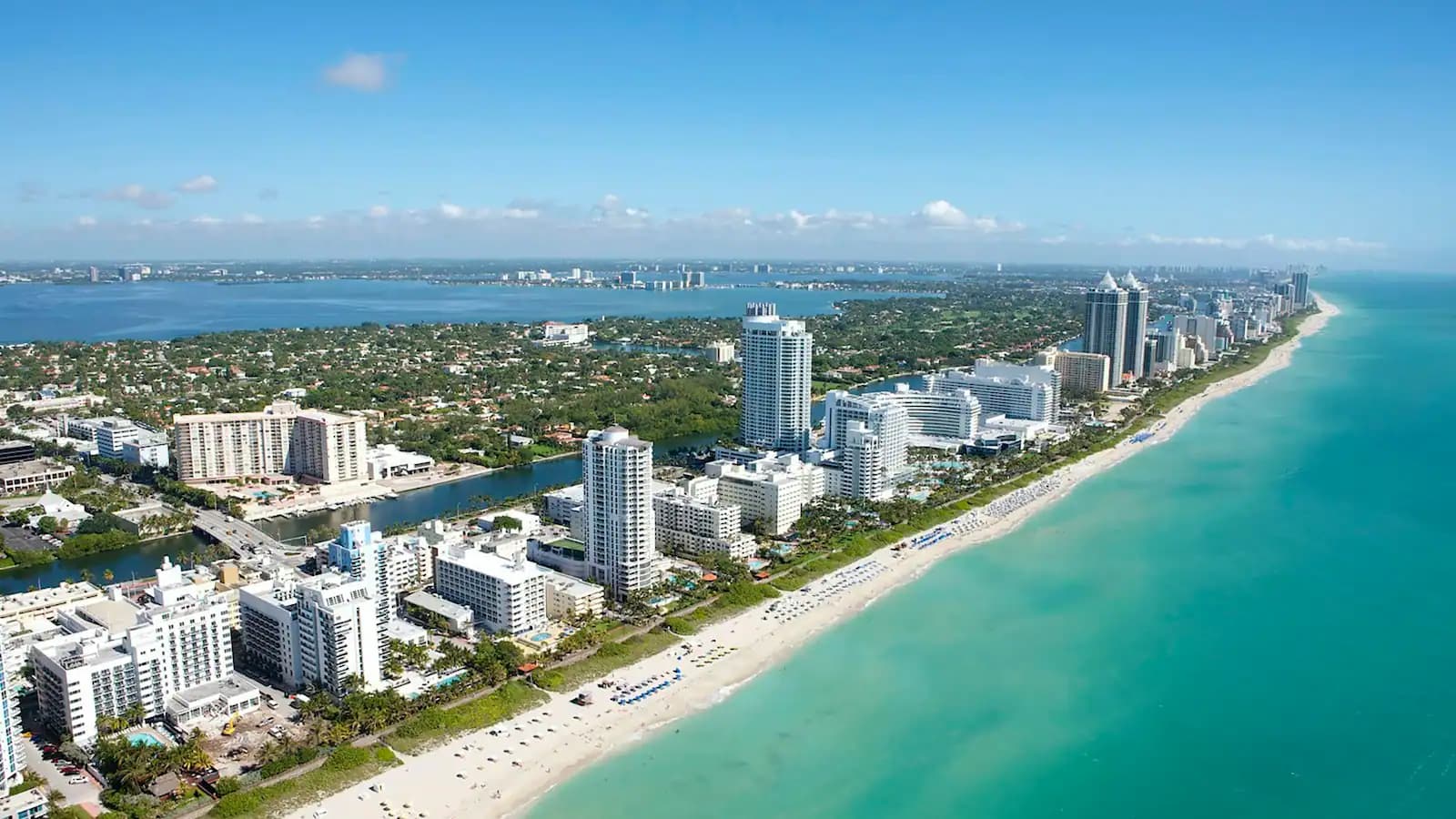
Start with the geography, because almost every bad Miami itinerary comes from getting it wrong. Miami and Miami Beach are two separate cities, with their own mayors, their own police and their own parking rules, and Biscayne Bay sits between them. You cross on a causeway: MacArthur from downtown, Julia Tuttle from the middle of the city, Venetian on a chain of small islands with a toll and a speed limit that people ignore at their cost. South Beach is a neighbourhood of Miami Beach. It is not downtown, it is not Brickell, and it is not where Little Havana or Wynwood are. A guide that treats the two cities as one is a guide written a long way from here.
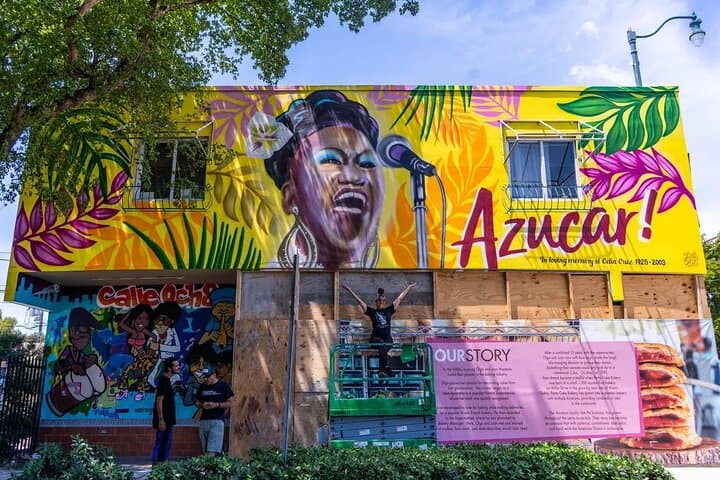
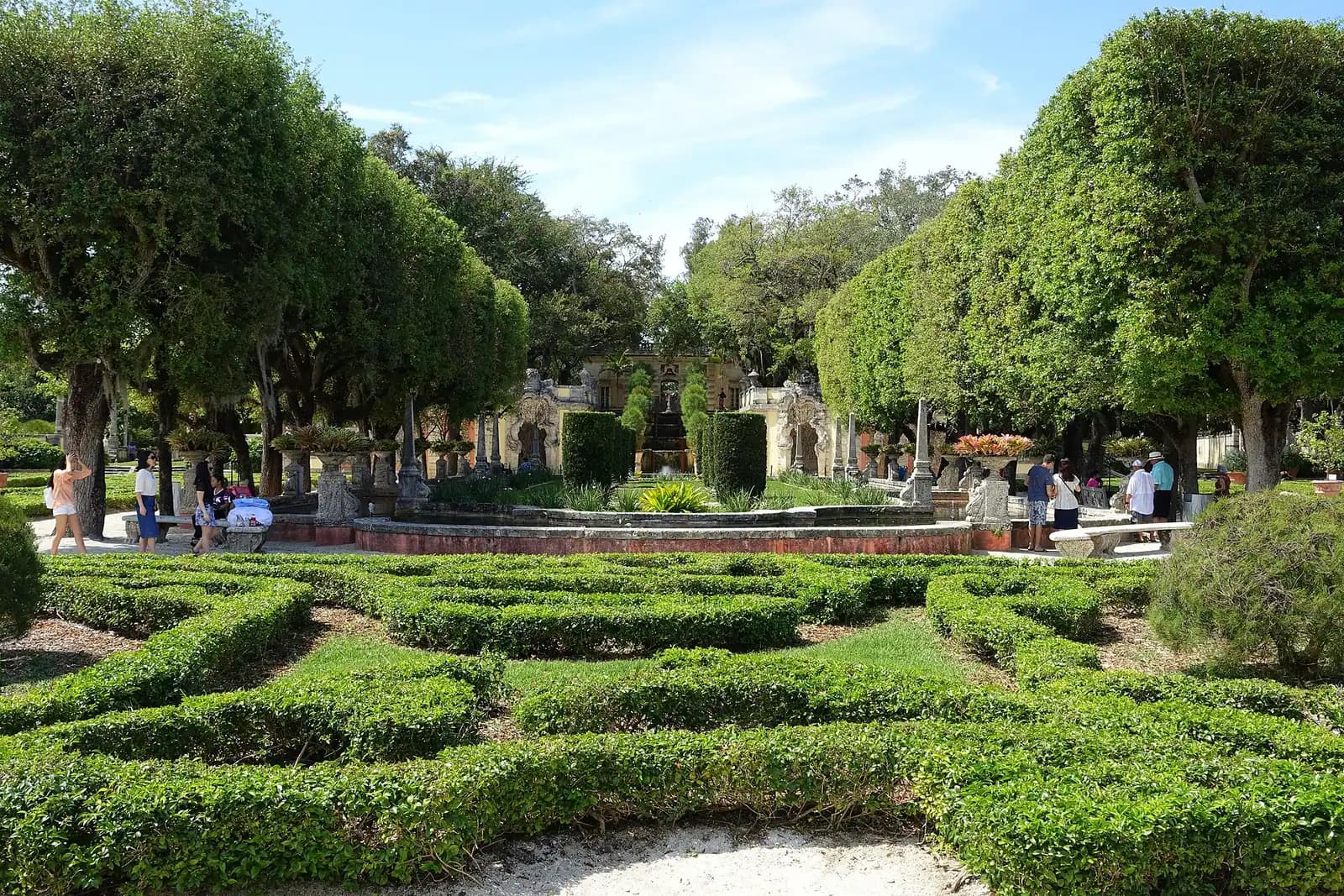
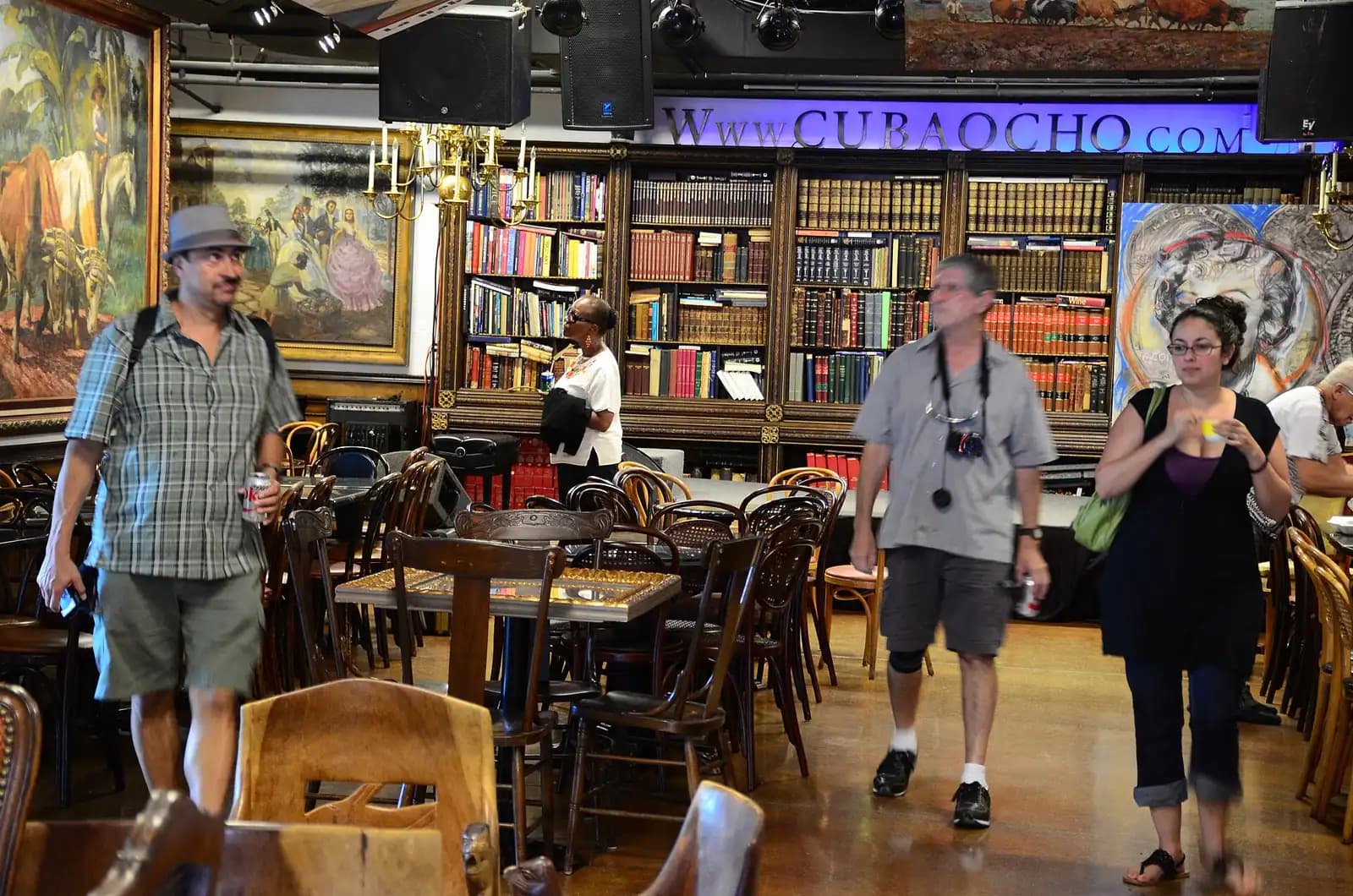
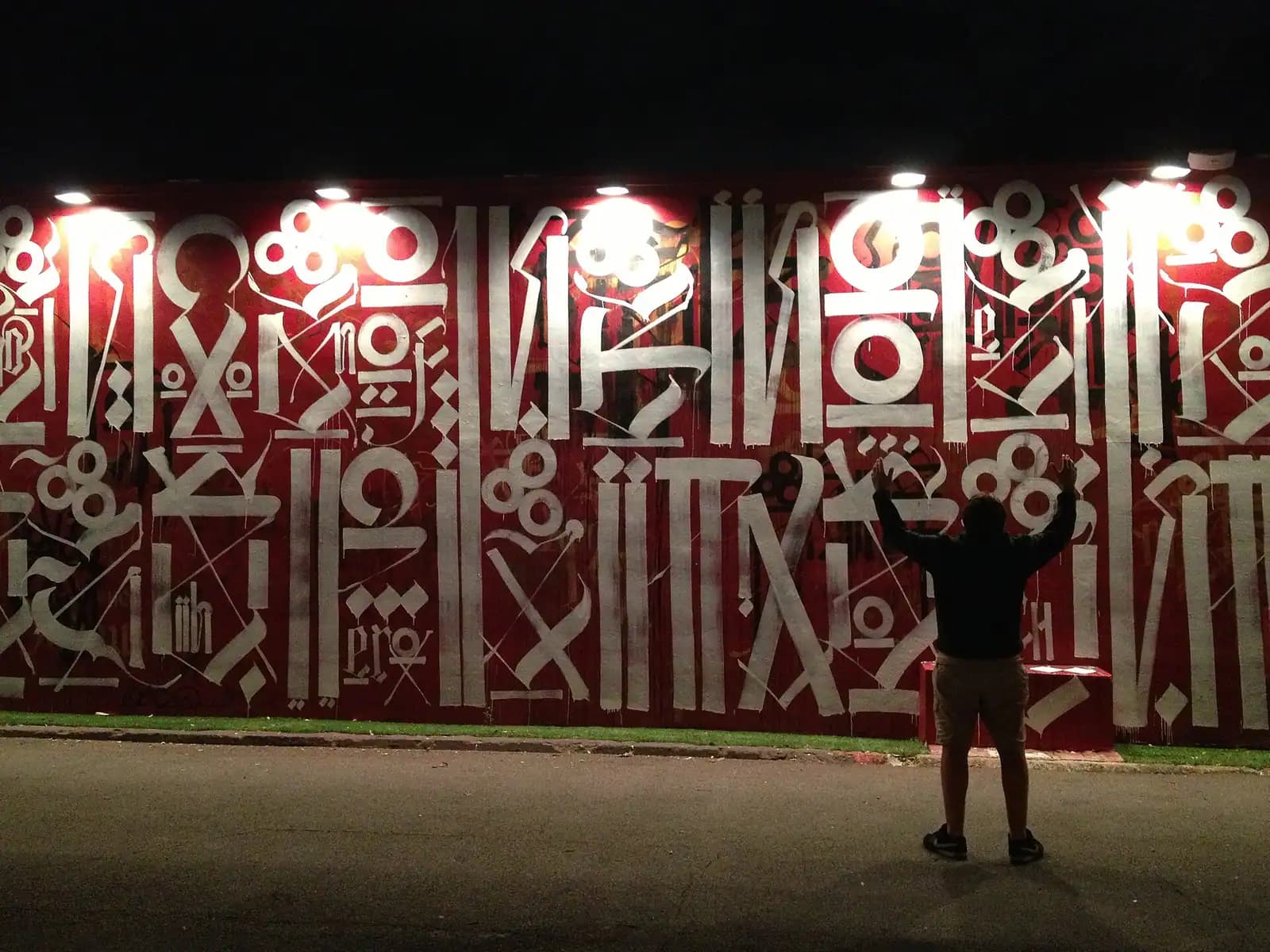
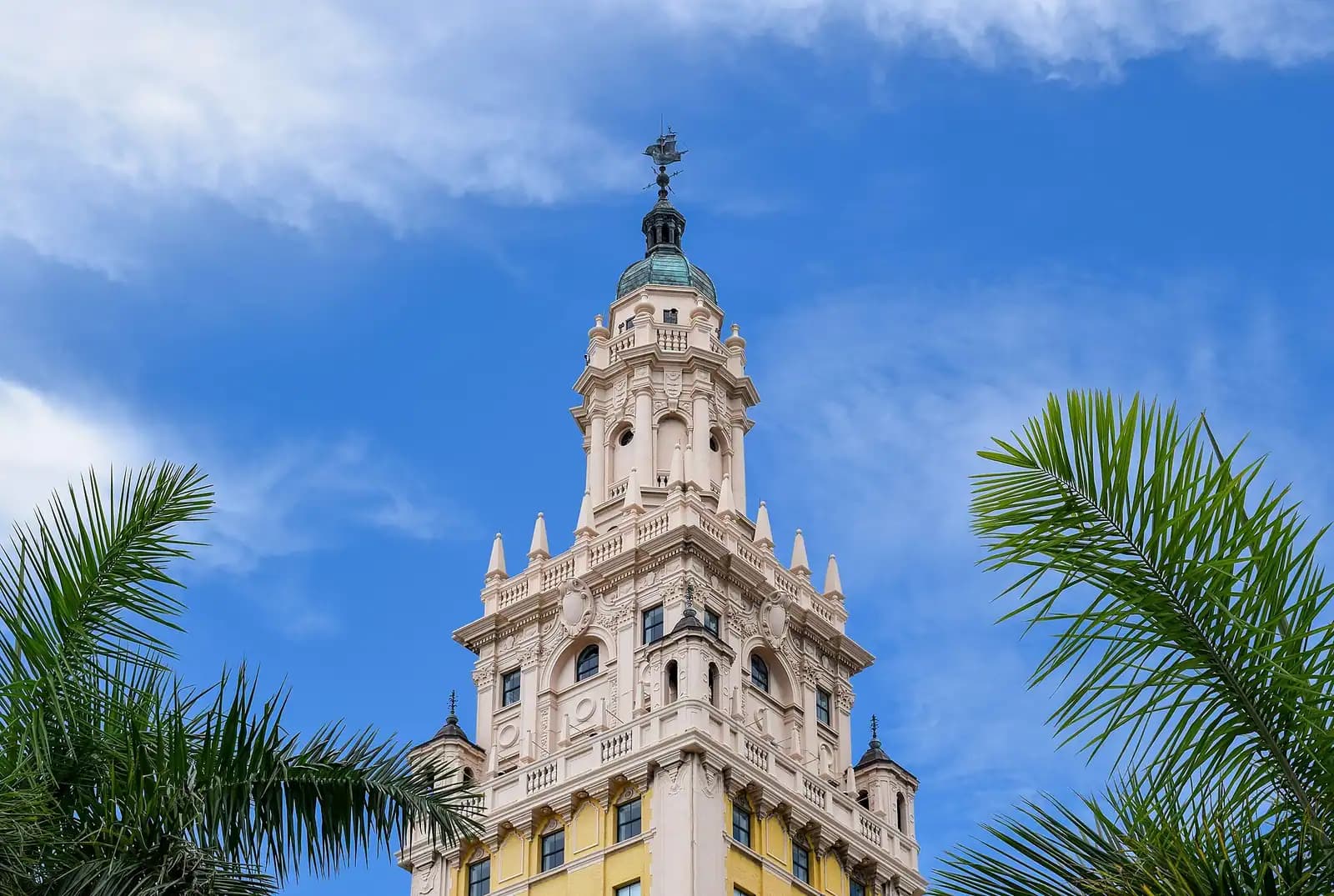
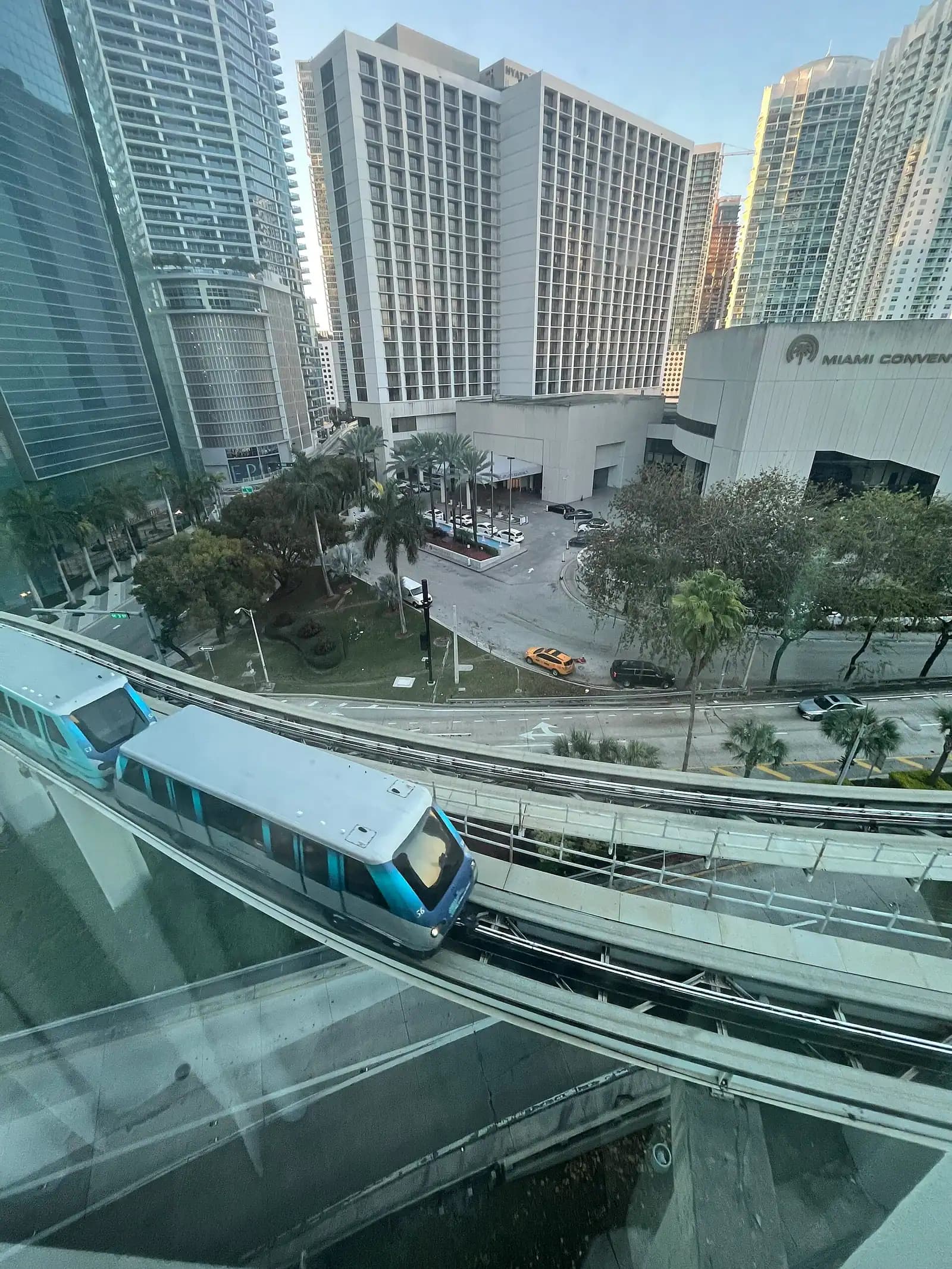
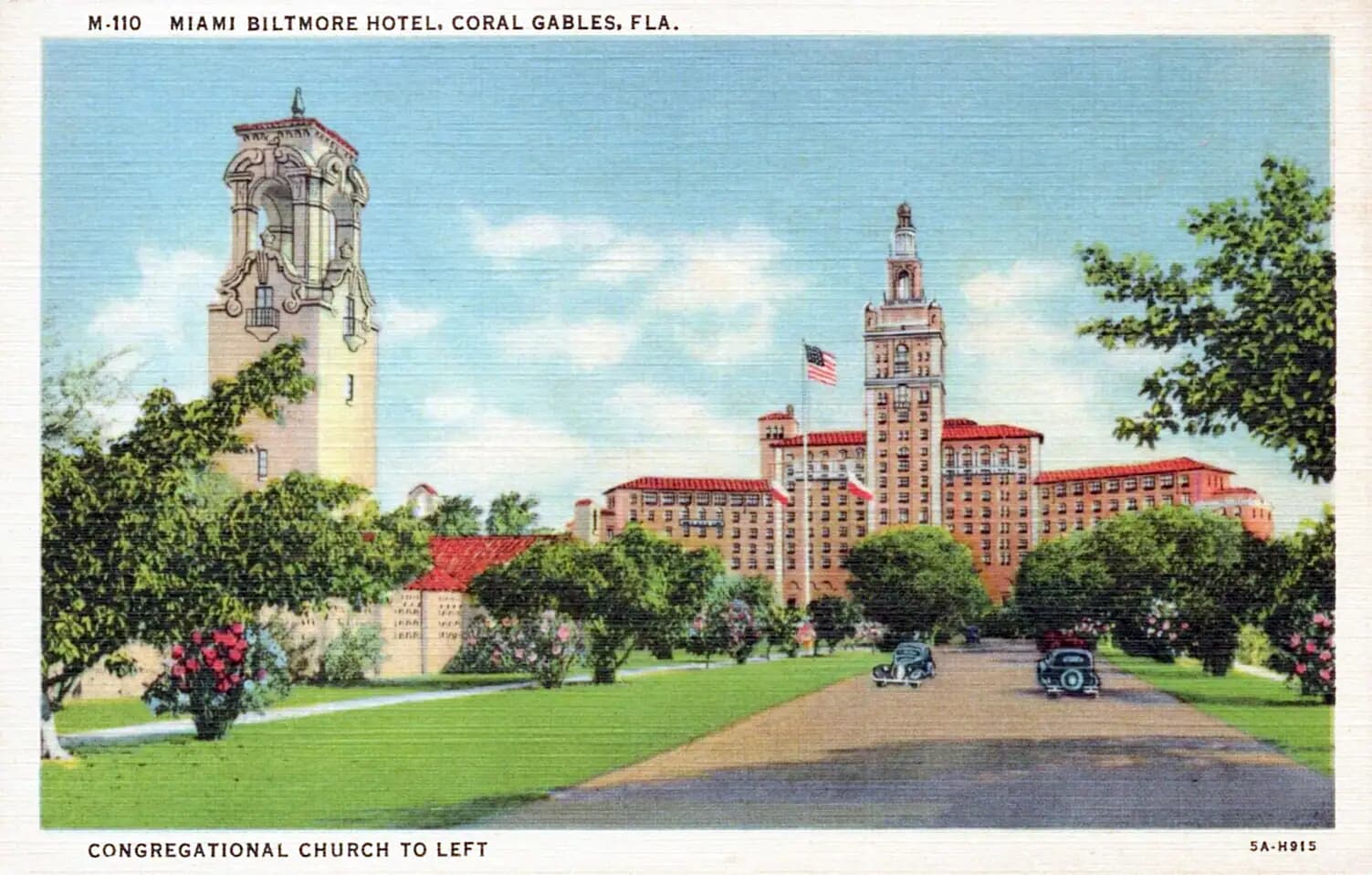
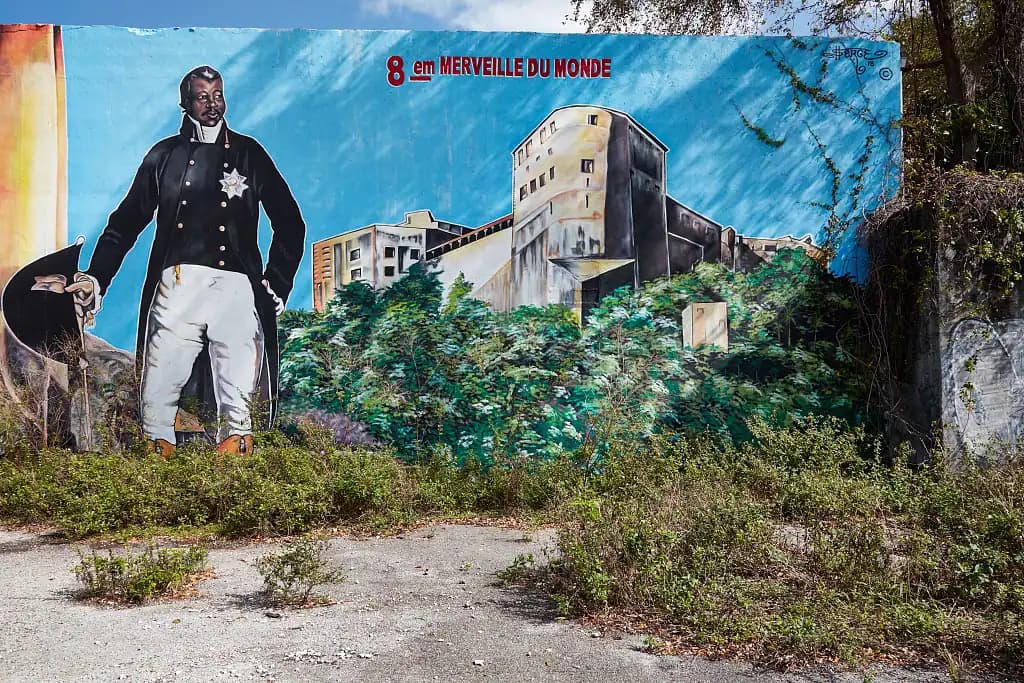
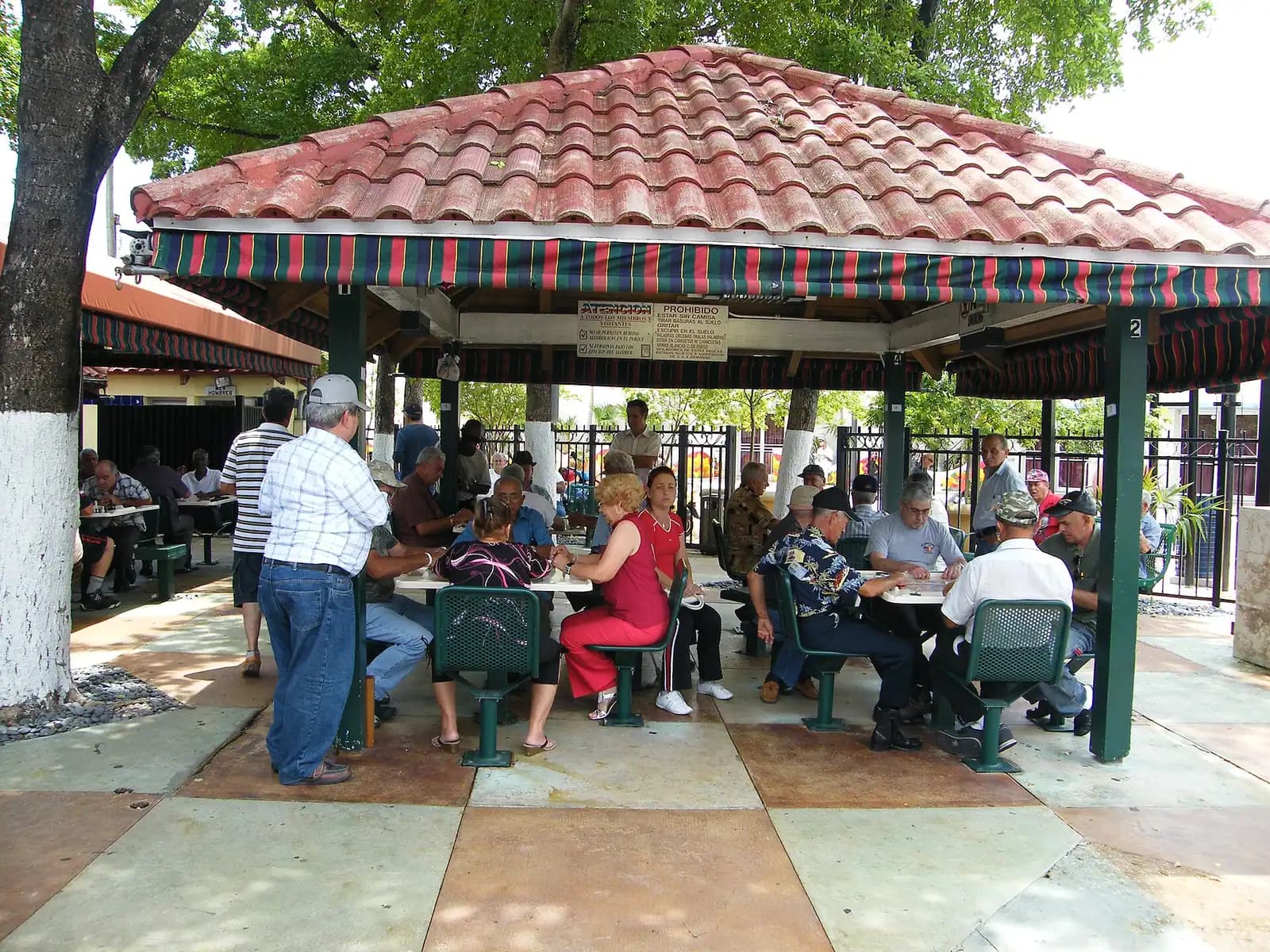
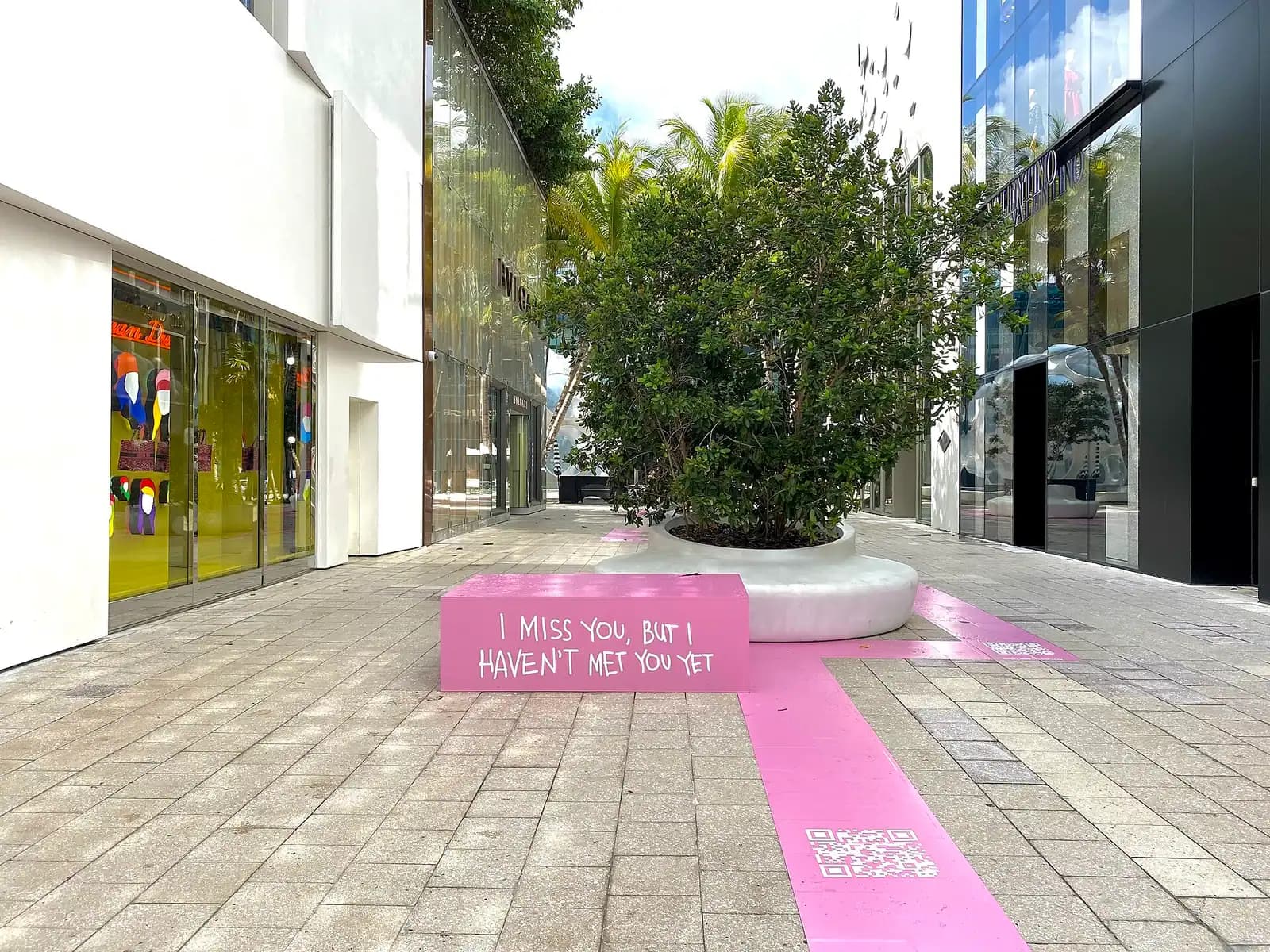
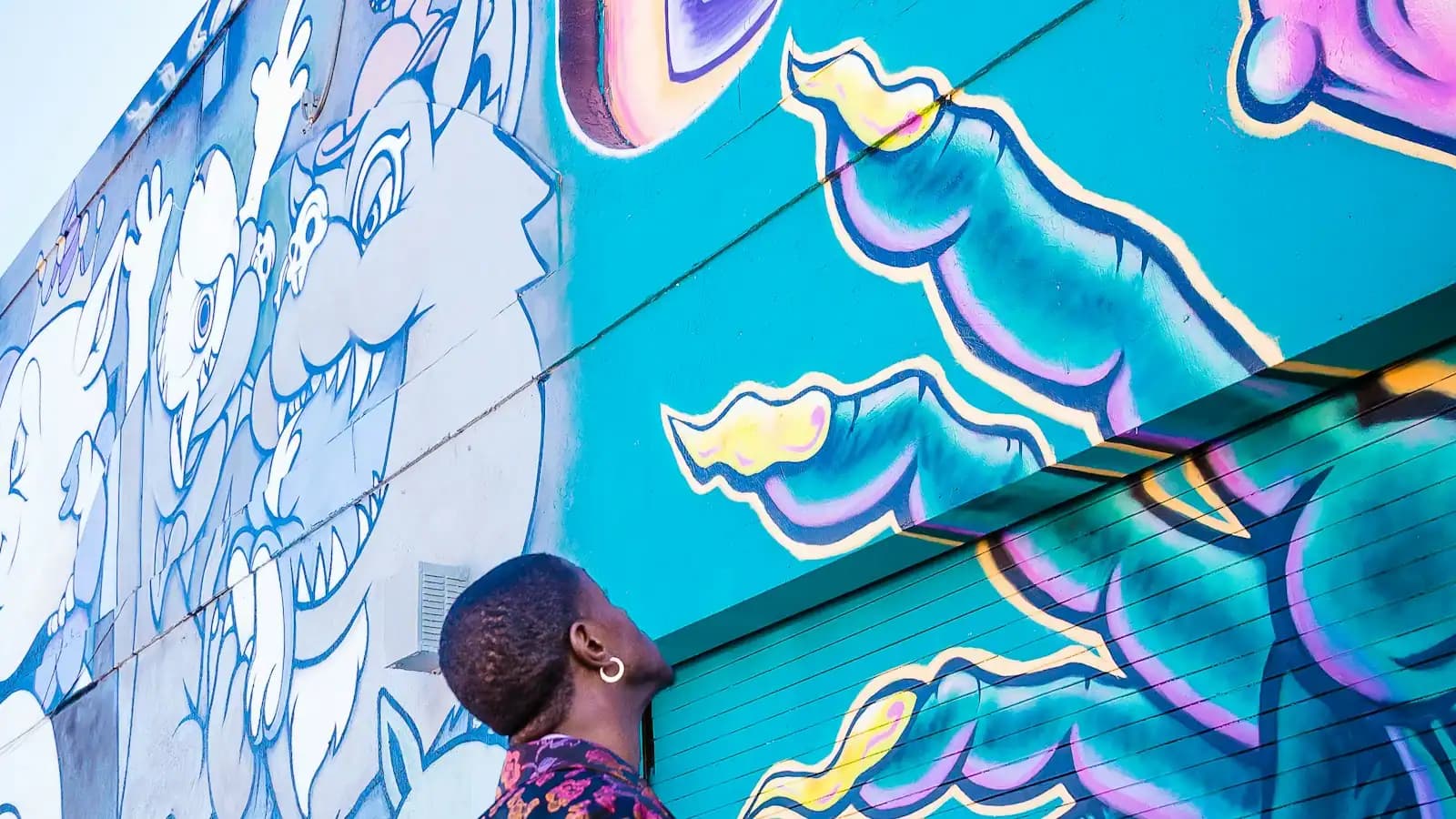
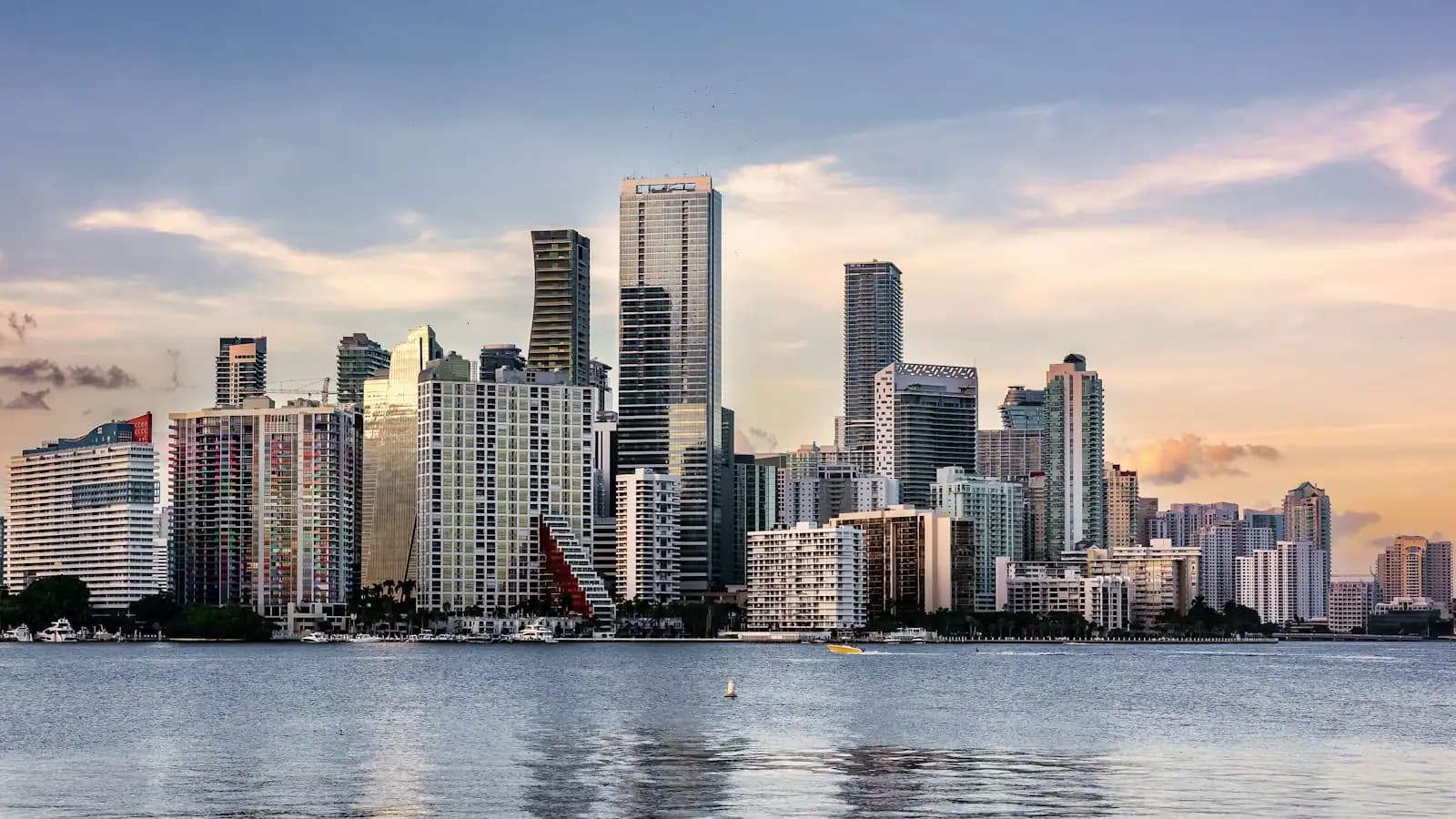
What that means in practice is that Miami does not have a centre you can walk out of. It has a collection of neighbourhoods laid along the bay and the old coral ridge, each with a different reason to exist, and the distance between them is the planning problem. Little Havana is a working Cuban-American neighbourhood along Calle Ocho where the ventanitas serve colada to people on their way to work, not a themed district. Wynwood was warehouses until the Wynwood Walls turned a few blocks of blank concrete into an outdoor mural museum, and the galleries and breweries followed. Coconut Grove is older than the City of Miami itself, shaded, low-rise, and built around a sailing harbour. Coral Gables is a planned Mediterranean-revival city from the 1920s with its own building code and banyan-lined boulevards. Brickell is the high-rise financial district. The Design District is luxury retail and public art. Little Haiti carries the largest Haitian community in the United States. They are not interchangeable, and the difference between them is the actual subject of a Miami trip.
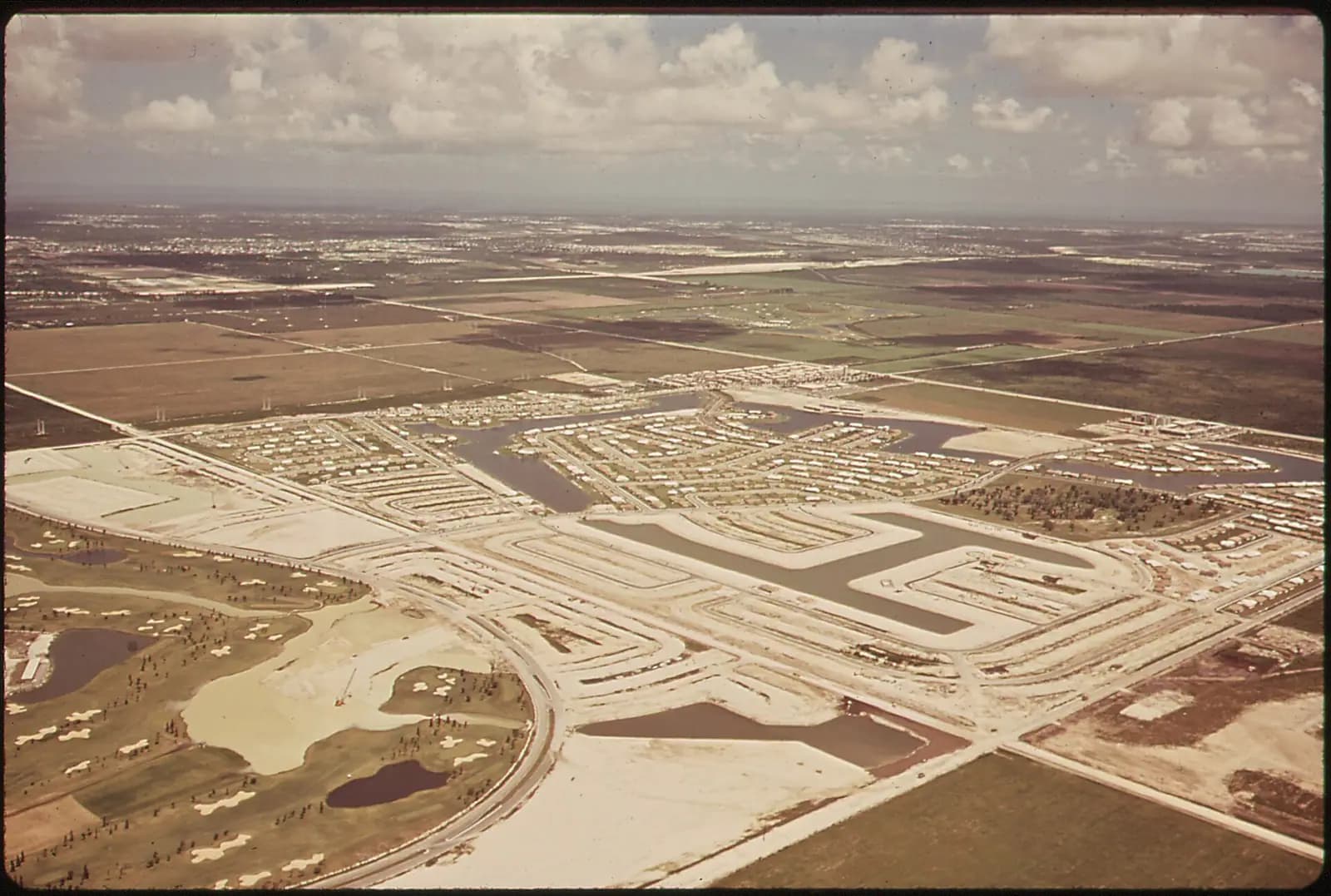
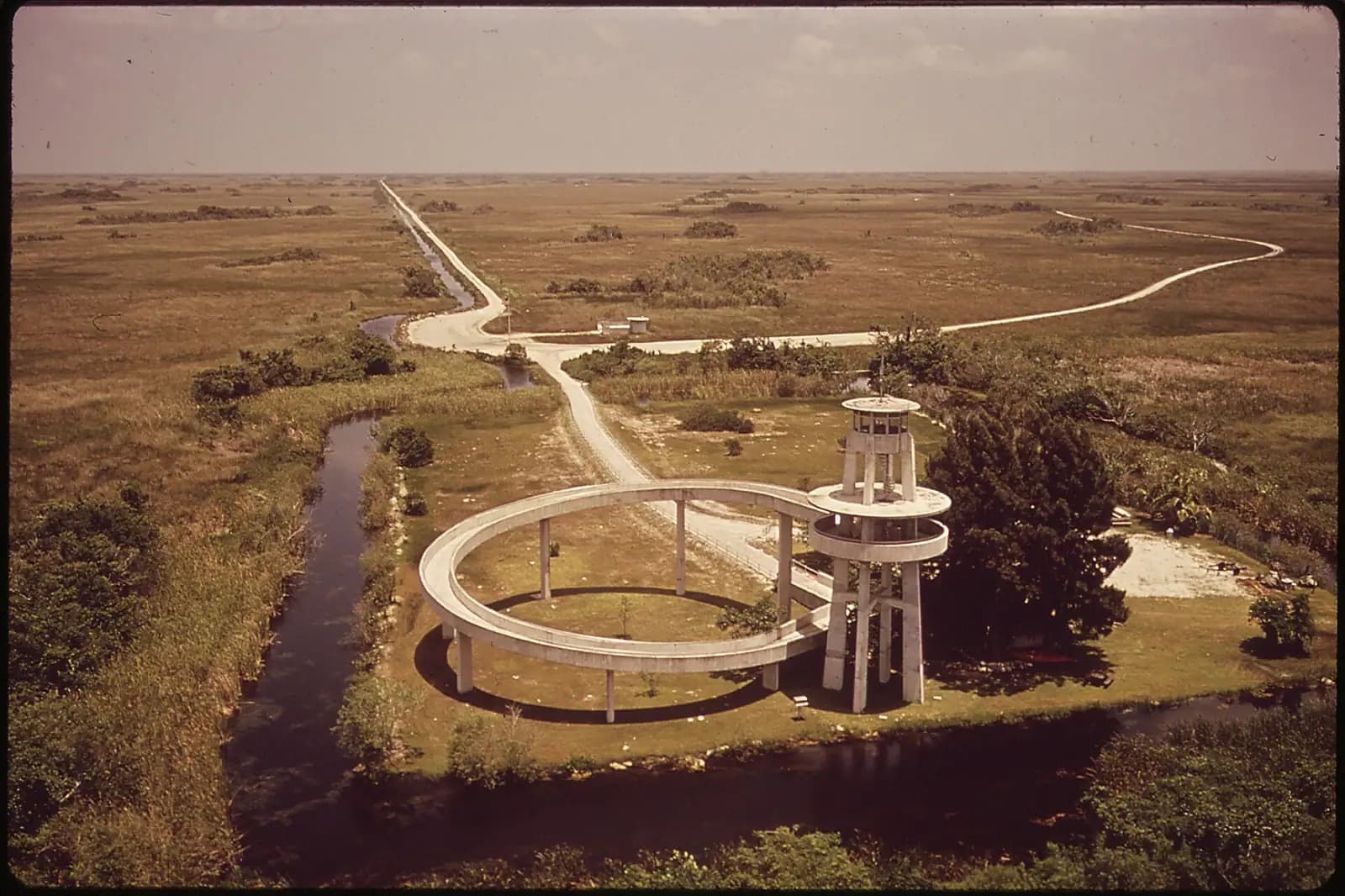
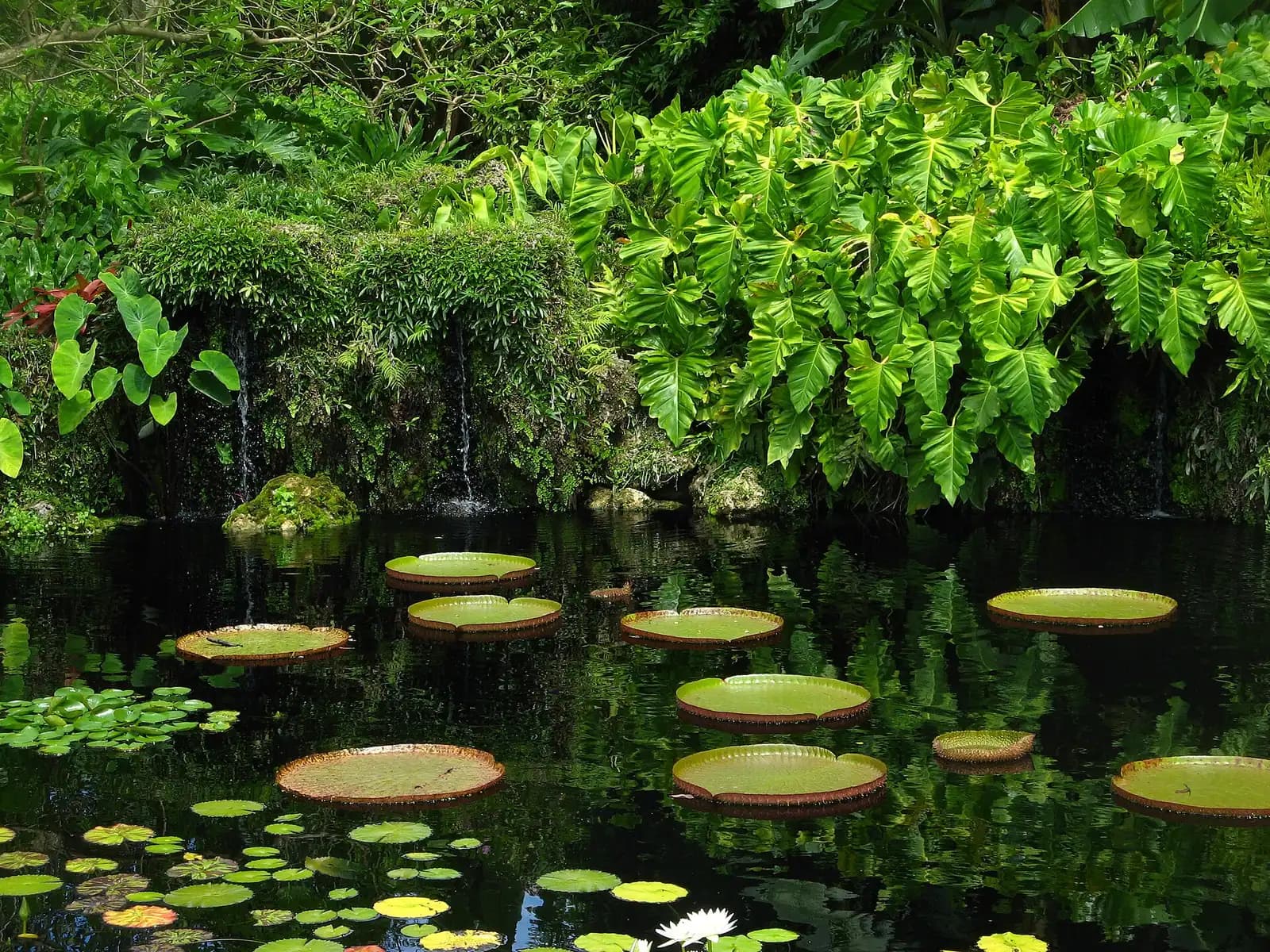
Then there is the thing most visitors never find out: Miami has two national parks within an hour of downtown. Everglades National Park is the largest subtropical wilderness in the country, reachable at Shark Valley on the Tamiami Trail in under an hour from Brickell. Biscayne National Park, south towards Homestead, is about 95 percent water, which means a boat is the only real way to see it. Neither is a day trip in the sense of a long drive. Both are closer than the outlet mall.
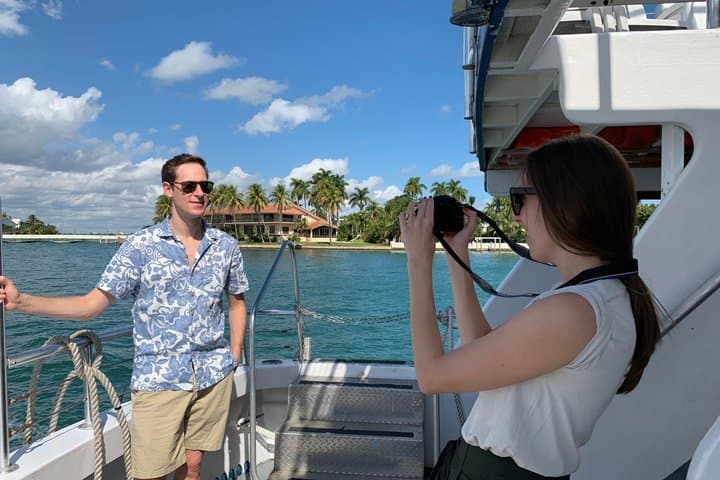
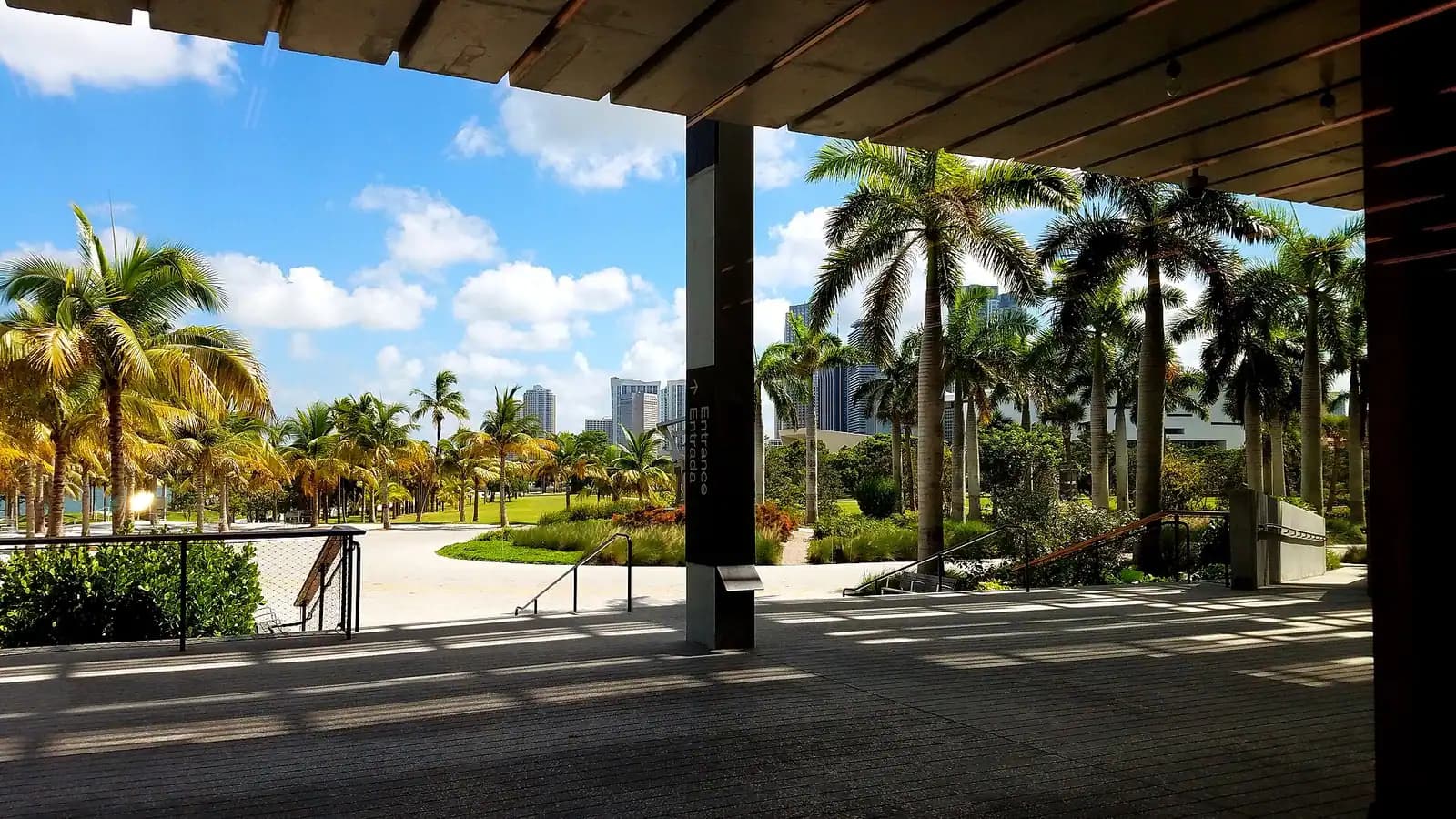
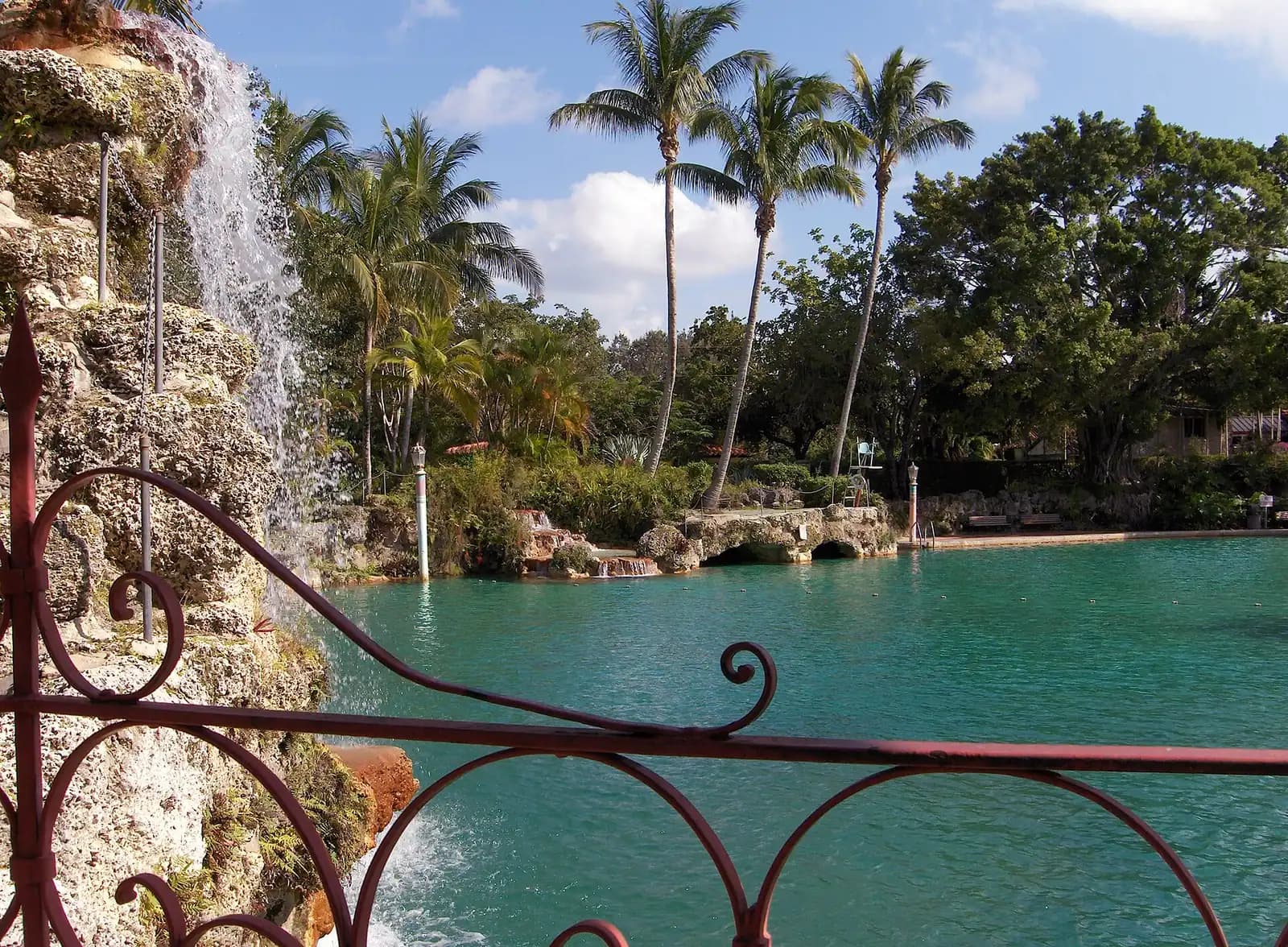
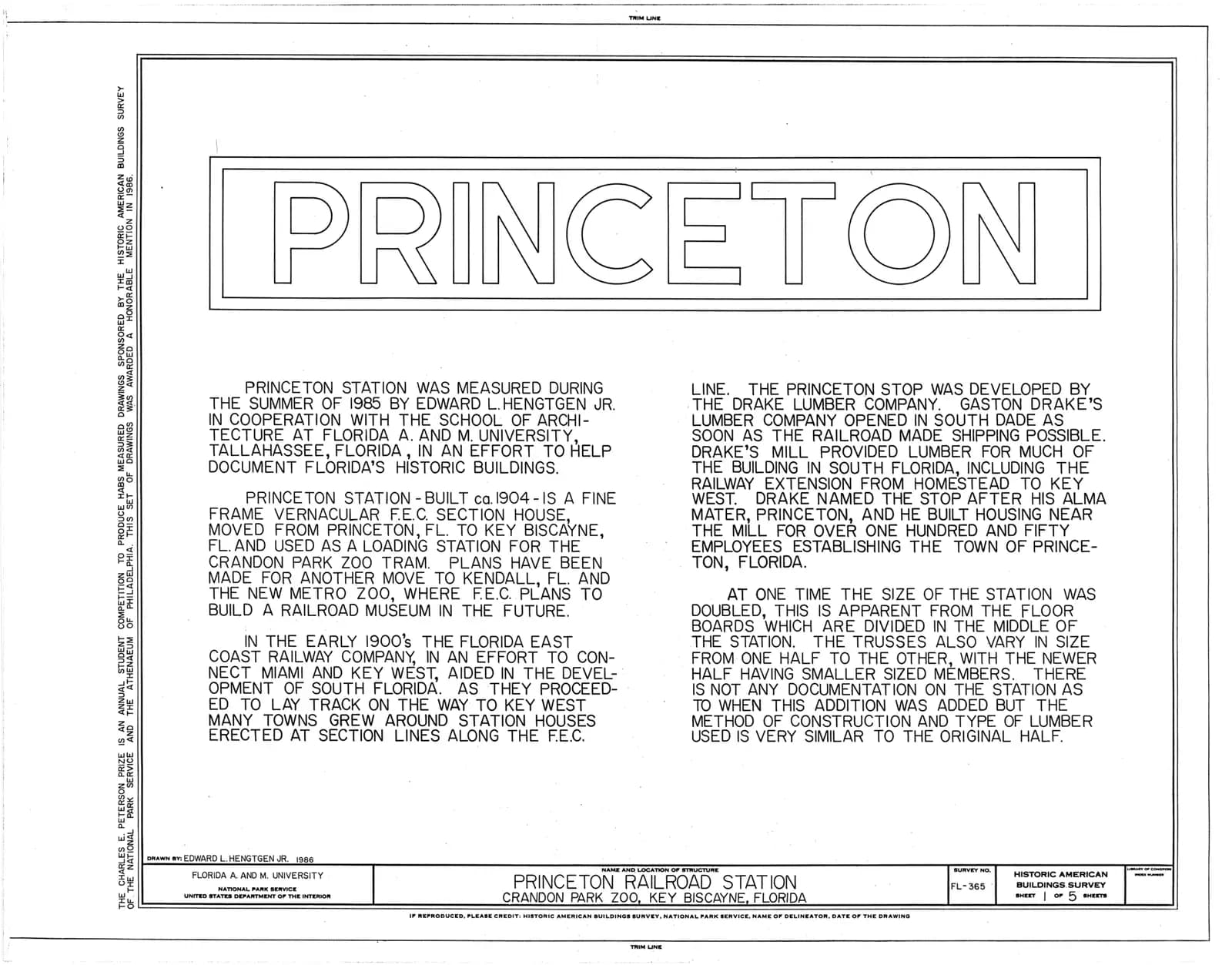
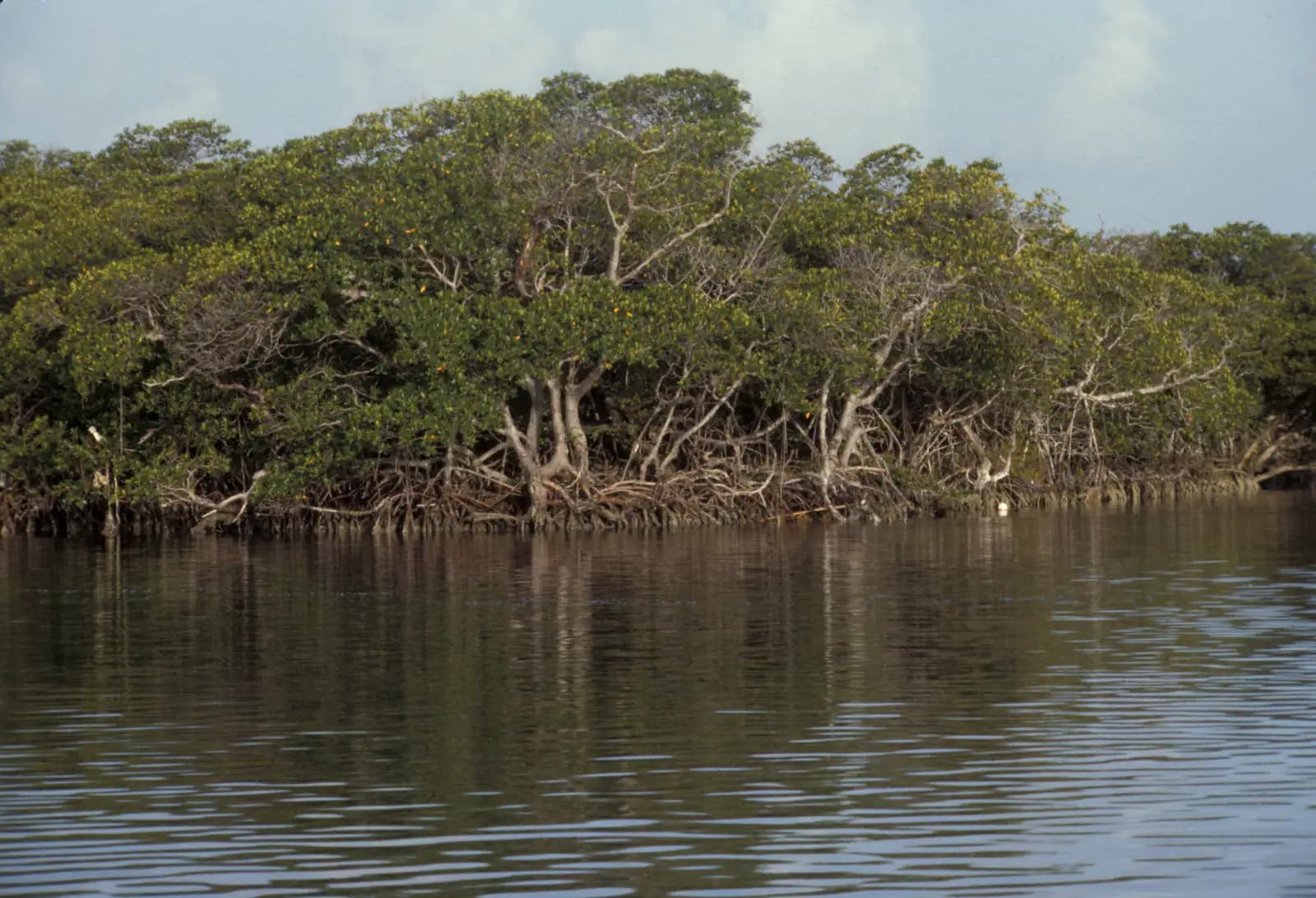
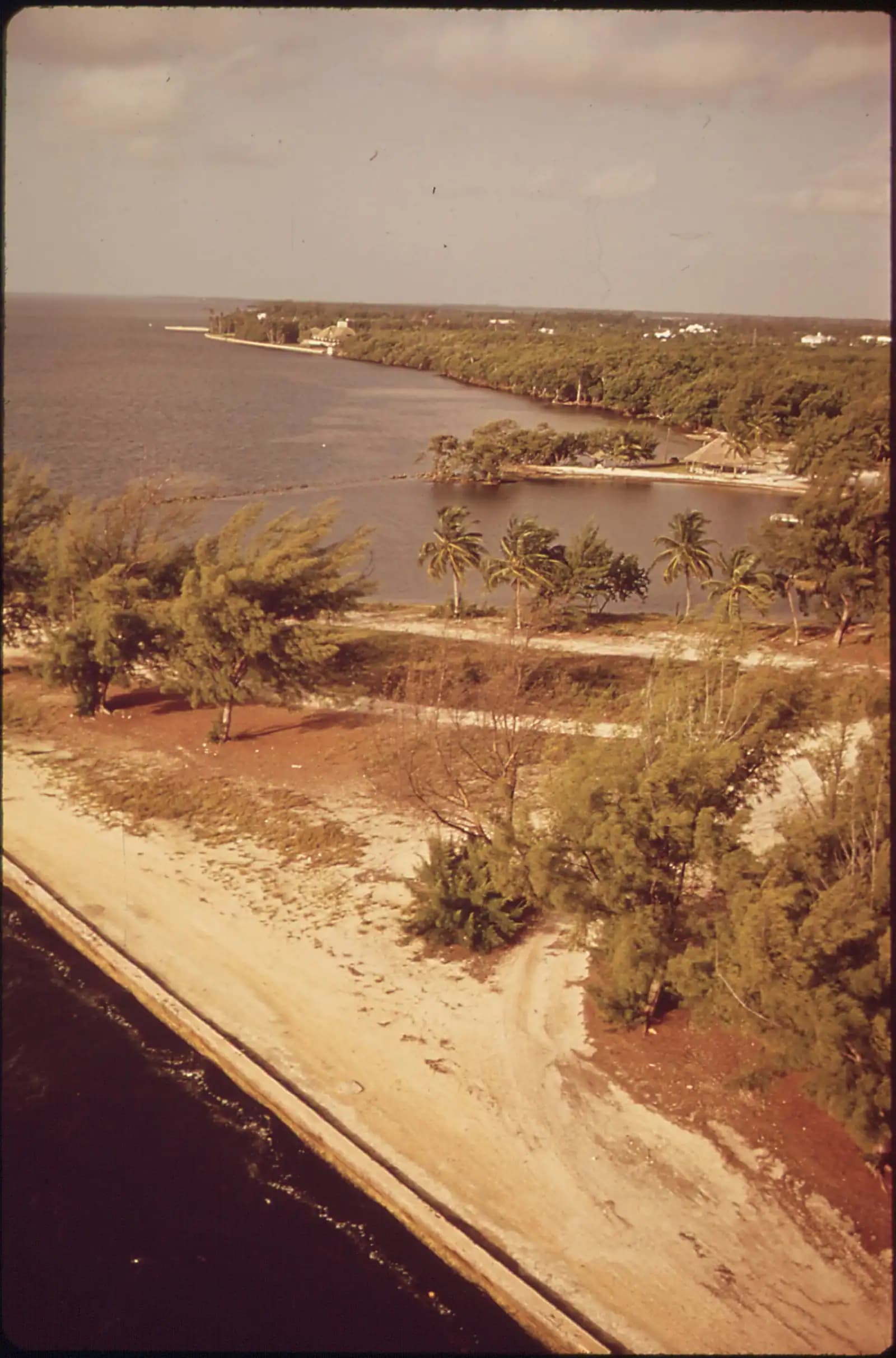
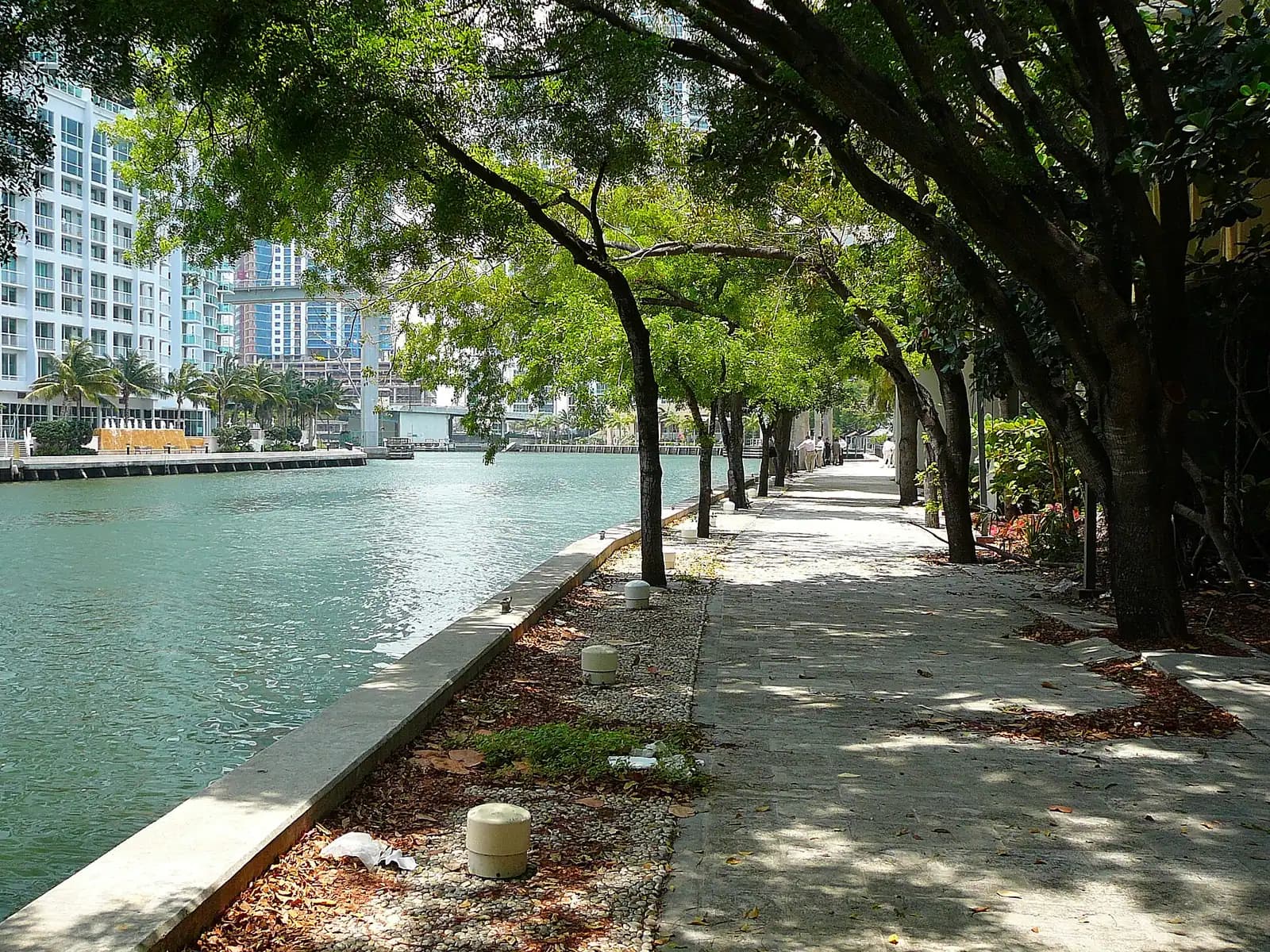
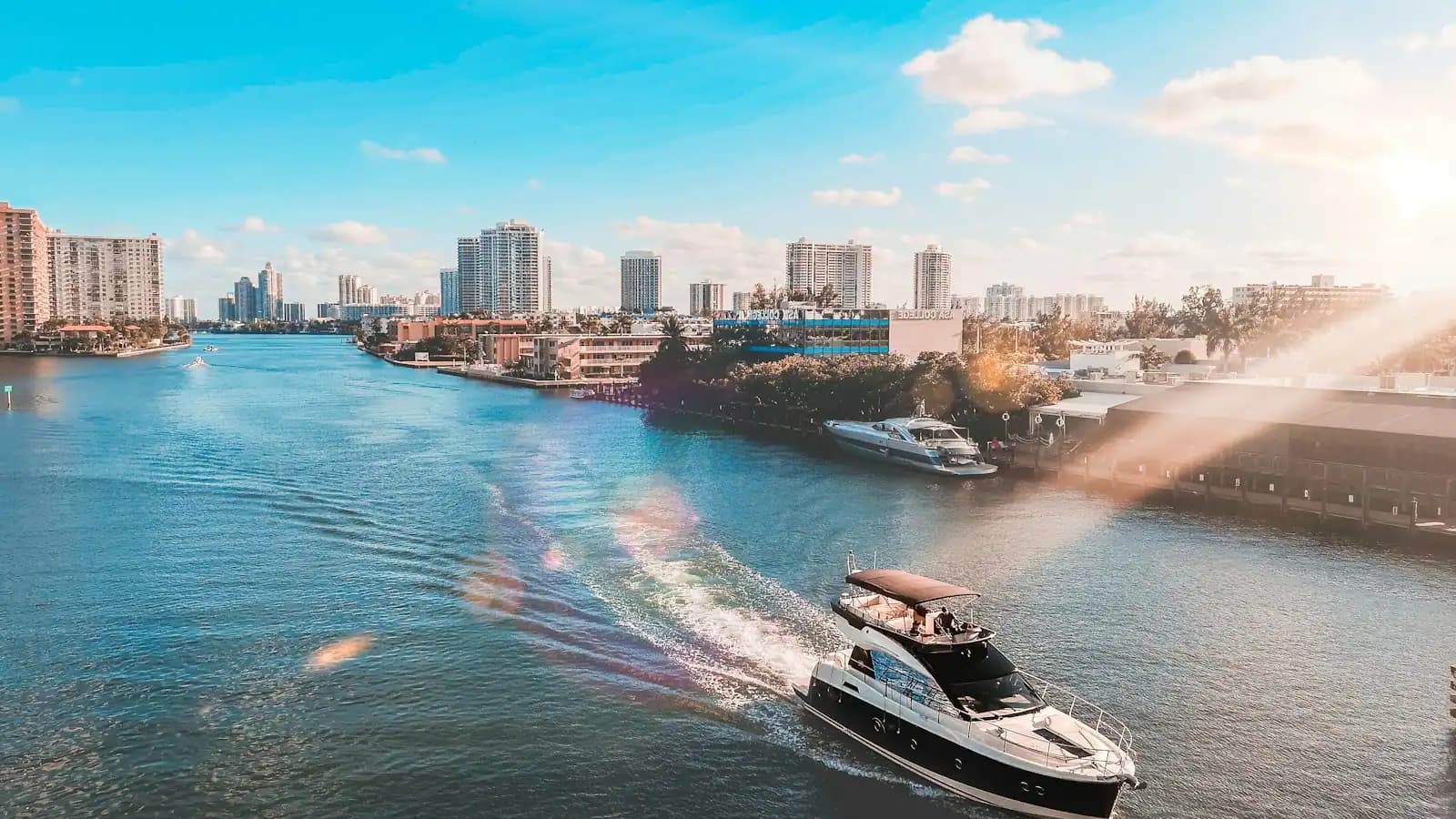
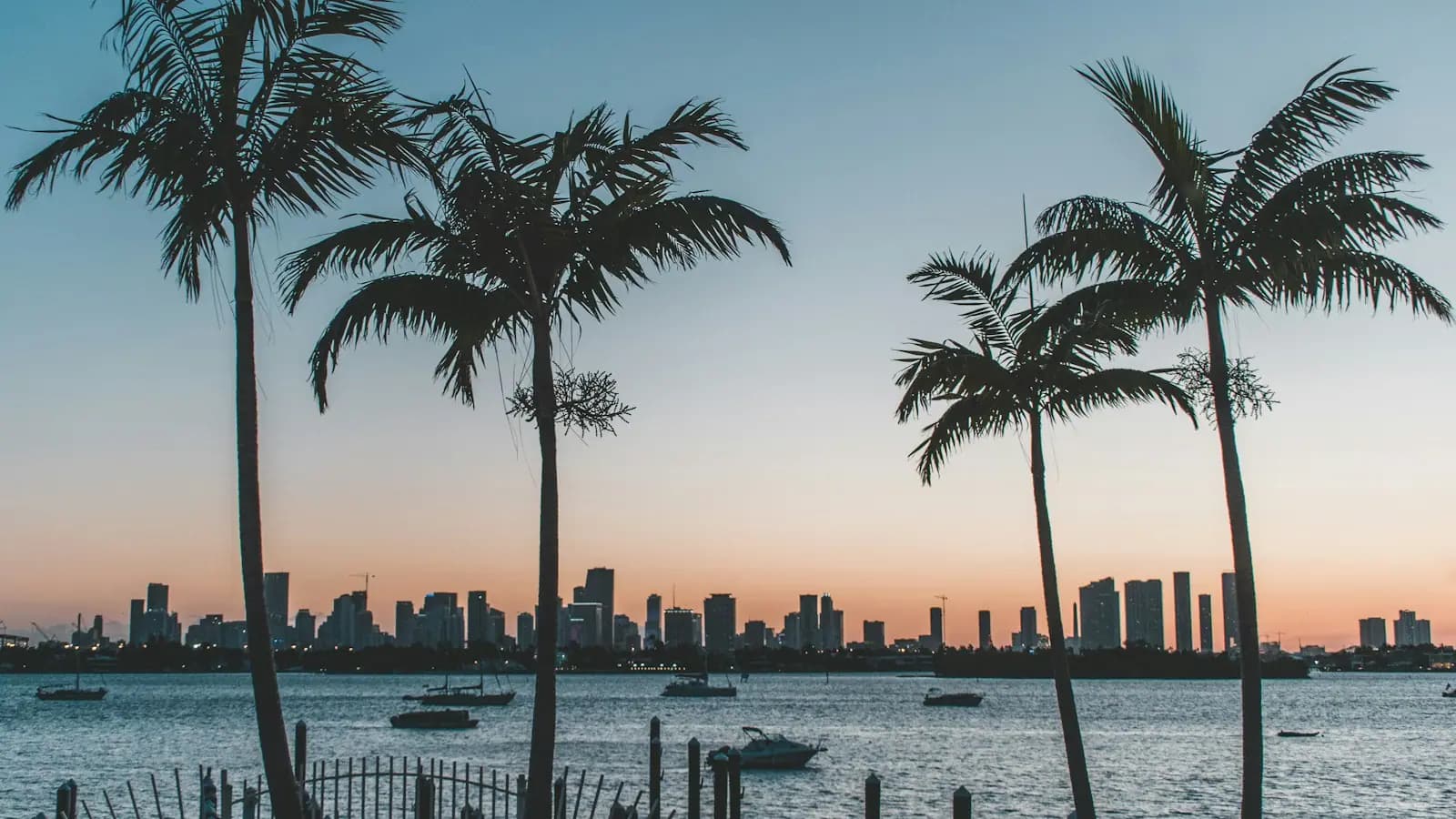
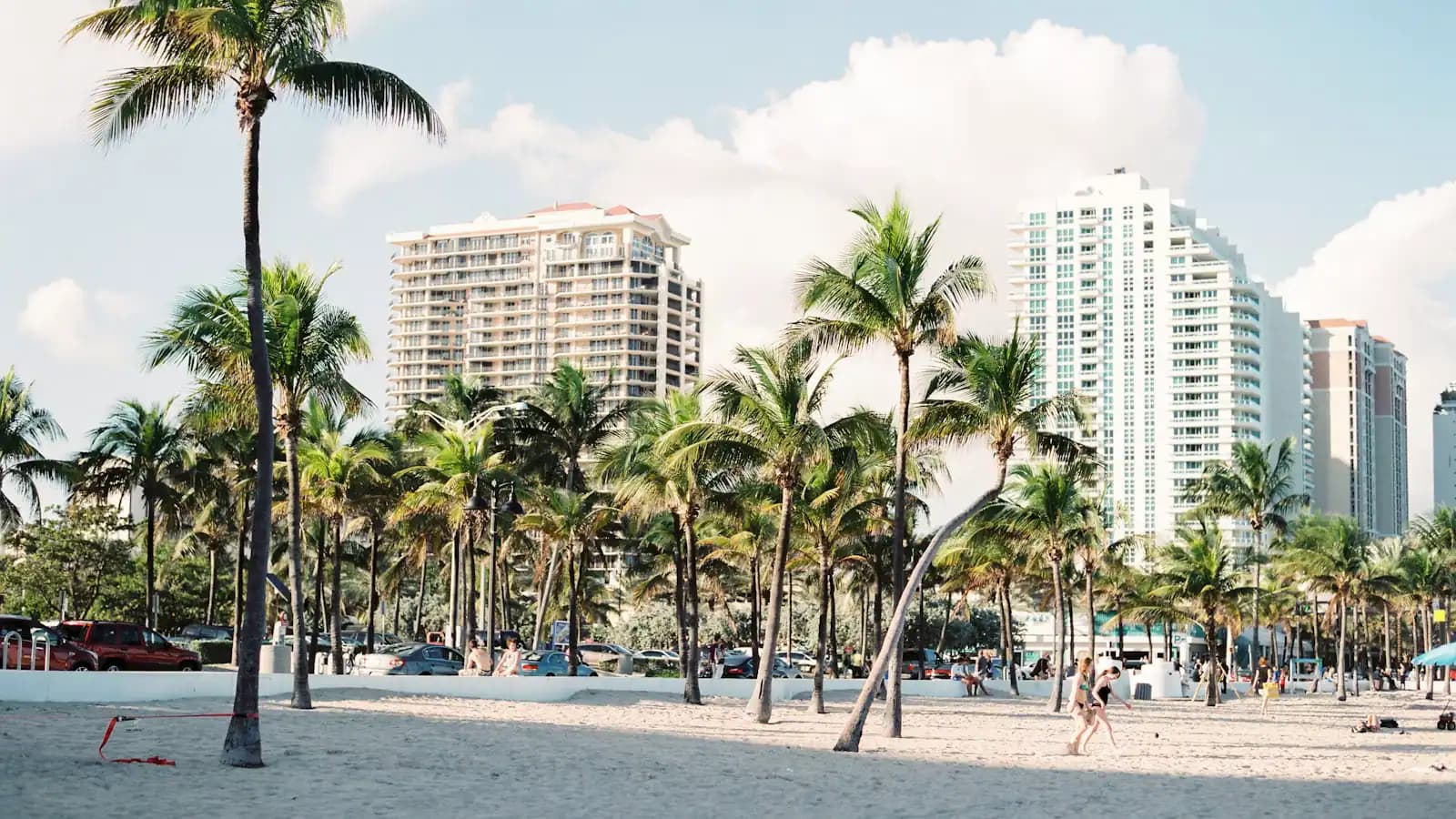
The water shapes everything else. Miami Beach faces east, so the ocean gets the sunrise and the bay gets the sunset, which is the opposite of what people arriving from the Gulf coast expect. The bay itself is shallow, warm and busy: sandbars, mangrove islands, stilt houses at Stiltsville, and a boat traffic culture that runs from kayaks to hundred-foot charters. The ocean beaches run from South Pointe at the tip of Miami Beach north through Mid-Beach and North Beach to Haulover, and south across the bay to Key Biscayne, where Crandon Park and Bill Baggs sit at the end of a toll causeway.
Food is not a side note here. This is a city where Cuban, Haitian, Colombian, Venezuelan, Nicaraguan, Argentine and Dominican cooking are ordinary weekday options, and where the best meal of a trip is as likely to be a $4 pastelito counter as a tasting menu in the Design District. Eat in the neighbourhoods, not at the hotel.
What follows is the city broken down the way residents actually think about it: by neighbourhood, by water, by season, and by what a day costs.