Skip to content
Search
Menu

We earn a commission if you book through this link. You pay the same price.

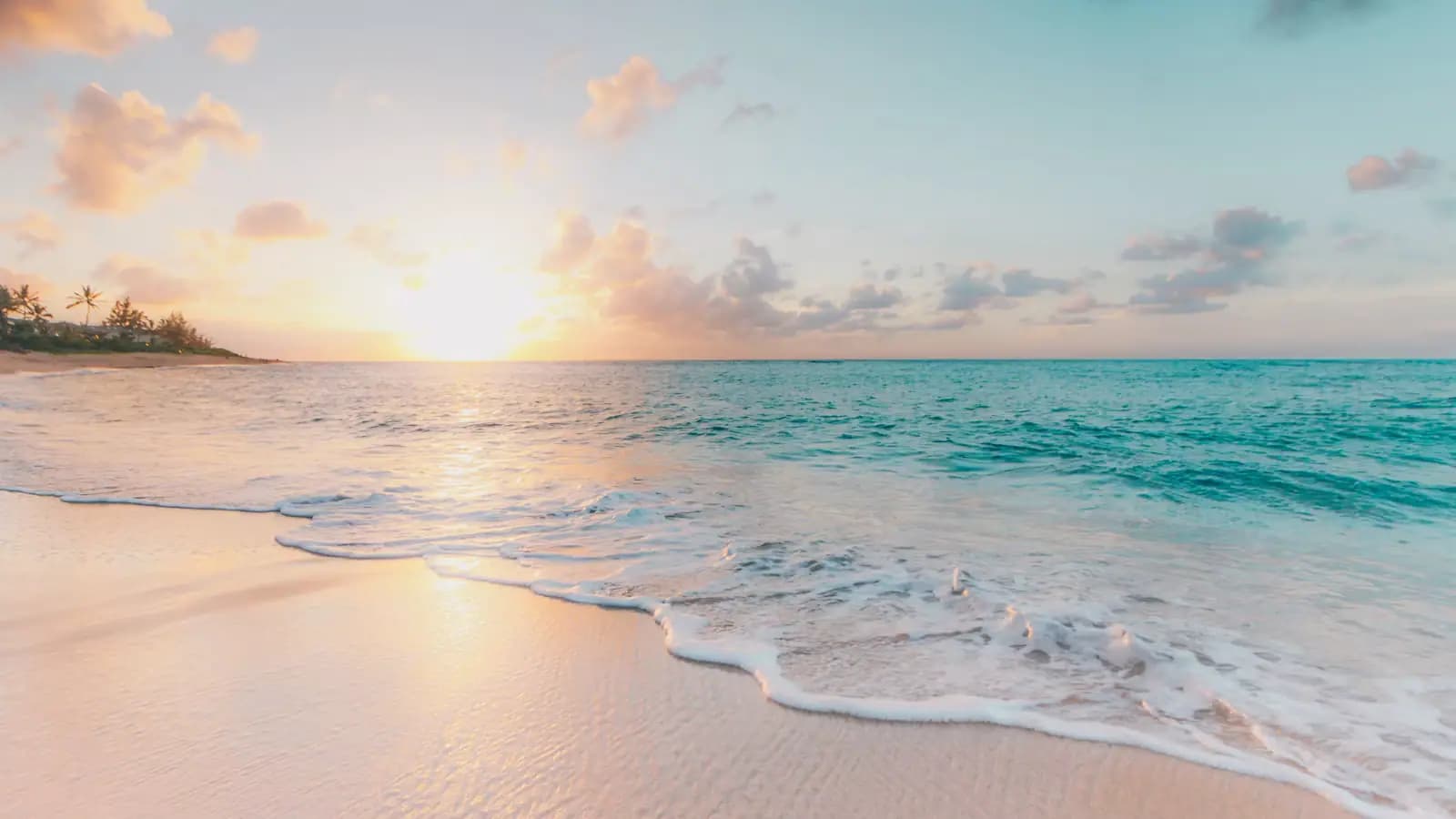
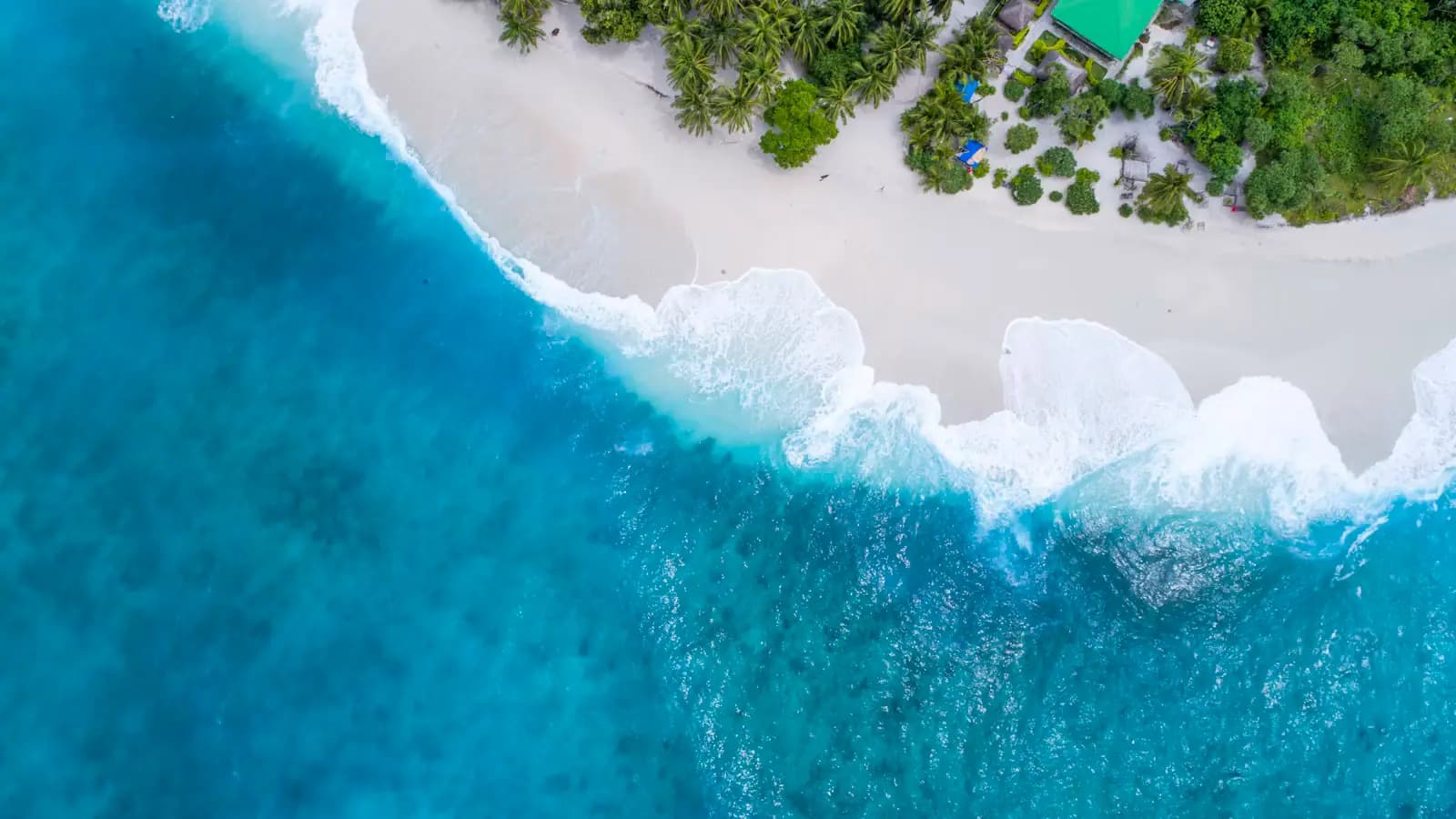
Shallow flat turquoise water over pale sand with no breaking waves, stretching far from shore
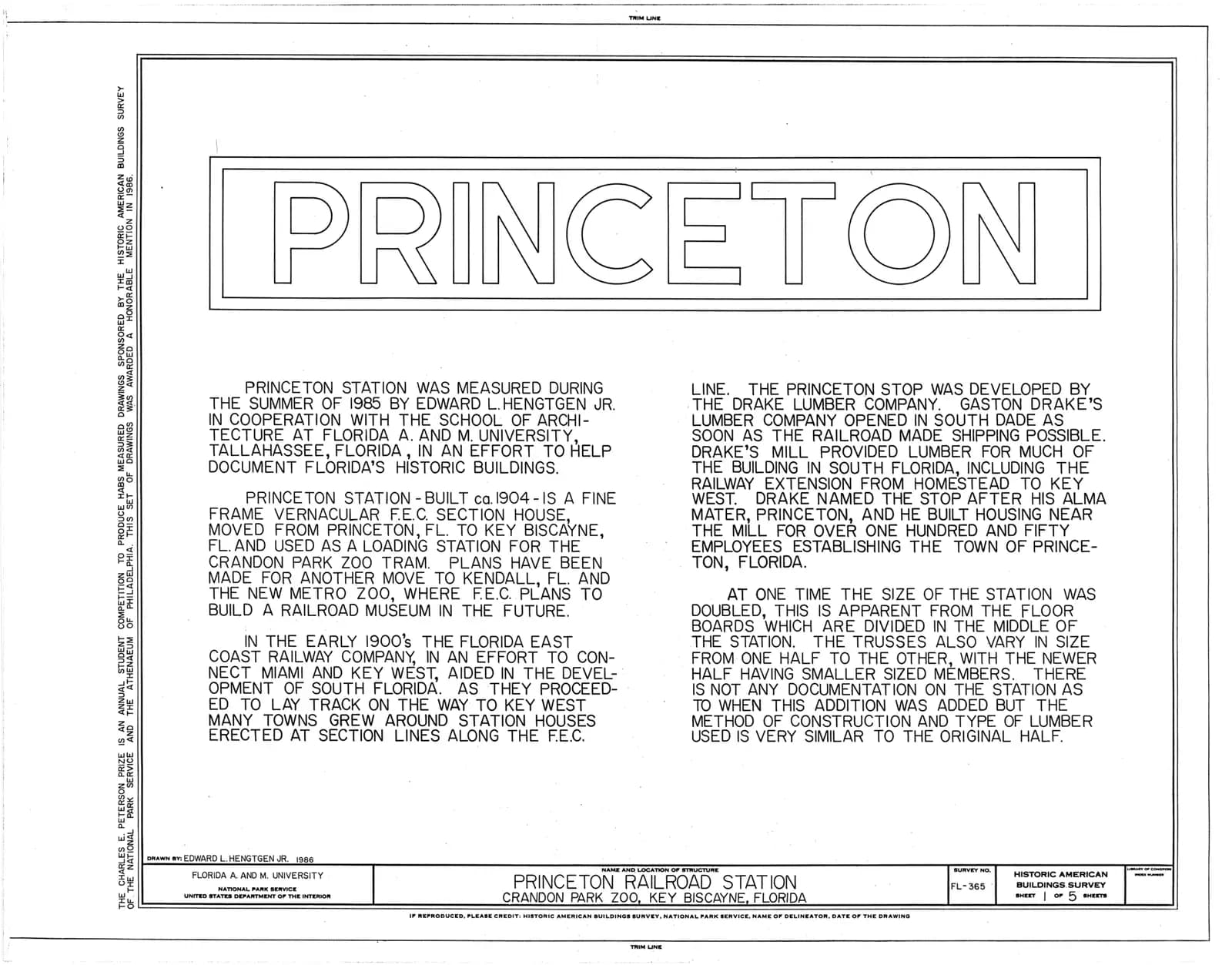
Related names: Roach, Linda, faculty sponsor Florida AandM University, School of Architecture, sponsor Hengtuen, Edward L, delineator

Beach

Crandon Park

Last updated

Two miles of beach behind a sandbar that kills the swell, plus a carousel, a nature centre and the cages of a zoo that left in 1980.

Crandon is the beach Miami families default to, and the reason is a sandbar. A long bar sits offshore, parallel to the beach, and it breaks the Atlantic swell before it arrives. What reaches the sand is a shallow, warm, nearly flat lagoon that you can wade into for a very long way. If you have a four-year-old, that single piece of geology is worth more than any amenity.

The park runs about two miles down the northern third of Key Biscayne, and it is much larger than the beach strip suggests — 800-odd acres of it, including golf, tennis, a marina, mangrove, and the Bear Cut Preserve at the northern tip, where a fossilised black mangrove reef sits in the shallows. It is a rare formation and it is thousands of years old, and it is signposted with the enthusiasm of a bus timetable.

The land was a coconut plantation, the largest in the United States, owned by the Matheson family. In 1940 they gave roughly 808 acres of it to Dade County on the understanding that a causeway would be built to reach it, which is why the park is named for the county commissioner who made that promise and why the Rickenbacker Causeway opened in 1947.

Then the strange part. From 1948 to 1980 this beach park contained Miami's zoo. Crandon Park Zoo was where the city kept its tigers and elephants, until the combination of hurricane flooding and welfare complaints moved the collection inland to what became Zoo Miami. In 1991 the site reopened as a garden, and you can still walk between the surviving concrete cages with plants growing through them. There is a restored carousel and a small amusement area alongside.

One more layer: the Miami Open tennis tournament was played here for three decades until it moved to Hard Rock Stadium in 2019, which explains the stadium sitting in the middle of a park.
Getting there and parking

Take the Rickenbacker Causeway east from Brickell, cross Virginia Key and the Bear Cut Bridge, and Crandon Park is immediately on your left as the road becomes Crandon Boulevard. About 15 minutes from downtown Miami without traffic. The causeway tolls eastbound.

There are several entrances along the boulevard. The north entrance serves the Marjory Stoneman Douglas Biscayne Nature Center and the quieter end of the beach. The main and south entrances serve the cabanas, the concession areas, the gardens and the carousel. Choose before you turn in; the park is two miles long and you cannot easily move between lots once inside on a busy day.

Miami-Dade bus route 102 from Brickell station stops on Crandon Boulevard at the park. It is infrequent — check the return times before you rely on it.

Cycling in from the mainland over the causeway is popular and avoids both the toll and the queue at the gate.

The sandbar, and what it does to the swimming

The offshore bar is the whole proposition. It sits out from the beach, takes the energy out of incoming swell, and leaves a wide shallow shelf of warm, mostly flat water between itself and the sand.

Practically, that means: you can walk out a long way and still be waist-deep; small children can be in the sea without a parent bracing for a dumping wave; floats, noodles and inflatable rings behave themselves; and the water is measurably warmer than at an exposed ocean beach, because a shallow lagoon in Florida sun heats up.

The trade-offs are real too. There is no surf, so nothing to body-board. The bar shifts with storms and seasonal currents, so the shape of the shelf is different from one year to the next and there can be deeper channels between sections. And on a calm day the shallow water accumulates drifting seagrass and, in some seasons, sargassum along the tideline — it is harmless, it is natural, and it is not photogenic.

Lifeguards work designated areas during posted hours, which do not cover the full two miles. Swim near a stand. Jellyfish and Portuguese man o' war turn up on easterly winds, mostly in winter and spring; the flags at the guard stands are the honest source, not the forecast.

Cabanas, chairs and the south end

Crandon has infrastructure that most Miami beaches simply do not.

  • Cabanas. Rentable beach cabanas along the southern section, with a shower and a changing space, allocated on the day. A cabana usually comes with a designated parking space and picnic tables, which on a busy Sunday is worth as much as the shade.
  • Chair and umbrella hire on the sand in season, plus kayak and paddleboard rental.
  • Concession food at the beach centres, plus a proper picnic infrastructure — grills, tables, shelters — which is why the park fills with family parties at weekends.
  • Real restrooms and outdoor showers at several points along the beach, not just at the entrance.
  • The Gardens and carousel on the old zoo site, with the amusement area operating on a limited schedule, generally weekends and holidays. Check before you promise a child a carousel ride.
  • Marjory Stoneman Douglas Biscayne Nature Center at the north end: exhibits, a touch tank, and guided walks into the preserve. Entry to the centre itself is free.

Note that the park is long. Pick your entrance lot deliberately — the south lot for cabanas and the carousel, the north lot for the nature centre and the quieter sand.

Walking through the old zoo

The Crandon Park Gardens occupy the footprint of the zoo that closed in 1980, and the county did not demolish everything. Concrete enclosures, moats, pools and barred structures remain, now planted through with bamboo, palms and flowering trees and threaded with paths.

It is a genuinely odd walk. You come around a hedge and find a stepped concrete pit that held bears, with a fig rooting into the wall. Peacocks wander freely. There is a small aviary area and a duck pond. The whole thing is free, shaded — which is rare on this island — and almost never crowded, because the people at the beach four hundred metres away have no idea it is there.

It also gives you the beginning of Miami's zoo story, which ends at Zoo Miami: three monkeys, a goat and two black bears bought from a stranded road show in 1948, a collection that grew for three decades, then Hurricane Betsy's floodwater in 1965 and a run of welfare complaints, and finally a decision to move the animals inland where a hurricane surge could not reach them.

Bring repellent. It is mangrove-adjacent, shaded and still, which is exactly what mosquitoes want at either end of the day.

Parking, fees and when to come

Entry is per vehicle and collected at the gate on Crandon Boulevard. Published figures disagree — you will see different weekday and weekend rates quoted in different places, generally in the single digits to low teens — so treat it as a modest per-car charge and verify at the booth. It is higher at weekends and on holidays.

On top of the gate fee you have paid the Rickenbacker Causeway toll to reach the island at all, charged eastbound only.

Timing. In winter and at weekends the lots fill by late morning and the queue backs up on Crandon Boulevard, which is a single road with no alternative. Before ten is the reliable answer. Weekday mornings out of season you may have a hundred metres of sand to yourself.

What to bring. Shade, if you are not renting a cabana — natural shade on the beach is thin. Water. Reef-safe sunscreen. A cooler is fine; glass is not, and alcohol rules are posted and enforced.

What to leave. Drones, which are not permitted, and any plan involving the carousel without checking its operating days first.

Tours that visit Crandon Park

Operators run these trips past Crandon Park, or stop there as part of a longer route. We list what the booking data supports — not everything that mentions the name.

Some links below go to Viator, our booking partner. We earn a commission on bookings made through them — at no extra cost to you, and with no influence on what we recommend.

Shared departurespriced per seat, best value for one or two

Private and small-group optionsoften cheaper per head for a family or a group of six

Near Crandon Park

Straight-line distances, so allow more on the road — the island is long and has one main parkway.

  • A long causeway bridge curving across shallow bay water towards a low green island
    Free

    Neighbourhood

    Key Biscayne

    One causeway, two big parks and a village in between — the island Miami drives to when it wants the ocean without the noise.

    3–8 hoursThe village and its streets are free. You pay an eastbound causeway toll to drive on, and a per-vehicle entry charge at each of the two parks.1.8 mi away

  • A tall white brick lighthouse standing above low coastal scrub against a clear sky

    Park

    Bill Baggs Cape Florida State Park

    A state park at the tip of Key Biscayne built around an 1825 lighthouse, a mile of east-facing sand and a harbour full of boats.

    2.5–6 hoursFlorida state park entry, charged per vehicle. Expect around $8 for a car with two to eight people, roughly half that for a single occupant or motorcycle, and a small per-person fee for pedestrians and cyclists.3.5 mi away

  • A quiet empty beach with calm shallow water and a line of pines along the back of the sand

    Beach

    Historic Virginia Key Beach Park

    The beach Miami's Black residents won by protest in 1945, reachable only by boat until the causeway arrived two years later.

    2–5 hoursFree to enter on foot or by bicycle. A modest per-vehicle parking charge applies at the gate. The carousel and miniature train are separately ticketed at a small charge.1.4 mi away

  • A dense cluster of downtown towers seen across water at the end of the day
    Free

    Neighbourhood

    Downtown Miami

    The original Miami: a railway terminus that became a city in 1896, now a downtown of towers, museums and a free elevated railway.

    3–8 hoursFree to walk, and the Metromover that connects it costs nothing. Museums, the Freedom Tower galleries, bay cruises and events are ticketed separately.4.6 mi away

Crandon Park: common questions

Why is the water so calm at Crandon Park Beach?

An offshore sandbar runs parallel to the beach and breaks the Atlantic swell before it reaches the sand. What is left is a wide, shallow, warm lagoon you can wade a long way into, with essentially no surf. That makes it the easiest beach in Miami for small children and for anyone nervous in waves. The bar shifts with storms, so its exact shape changes from year to year and there can be deeper channels between sections.

How much does it cost to park at Crandon Park?

There is a per-vehicle charge collected at the gate on Crandon Boulevard, higher at weekends and holidays than on weekdays. Published figures differ between sources and have changed more than once, so budget for a modest single-digit-to-low-teens amount and confirm at the booth. You will also have paid the eastbound Rickenbacker Causeway toll to reach Key Biscayne at all. Cyclists and pedestrians enter free.

Is there really an abandoned zoo at Crandon Park?

Yes. Crandon Park Zoo operated here from 1948 until 1980, when the collection moved inland to what is now Zoo Miami after hurricane flooding and welfare complaints. The site reopened in 1991 as the Crandon Park Gardens: surviving concrete enclosures and moats, now planted through with bamboo and palms, with free paths, wandering peacocks and a restored carousel nearby. It is shaded, quiet and almost nobody at the beach knows it is there.

Can you rent a cabana at Crandon Park Beach?

Yes, along the southern section of the beach. Cabanas are allocated on the day rather than booked far ahead, and each usually comes with a designated parking space, a shower and picnic tables, which on a busy Sunday is the real value. Chair, umbrella, kayak and paddleboard hire also operate on the sand in season. Arrive early at weekends — cabanas and parking both go before midday.