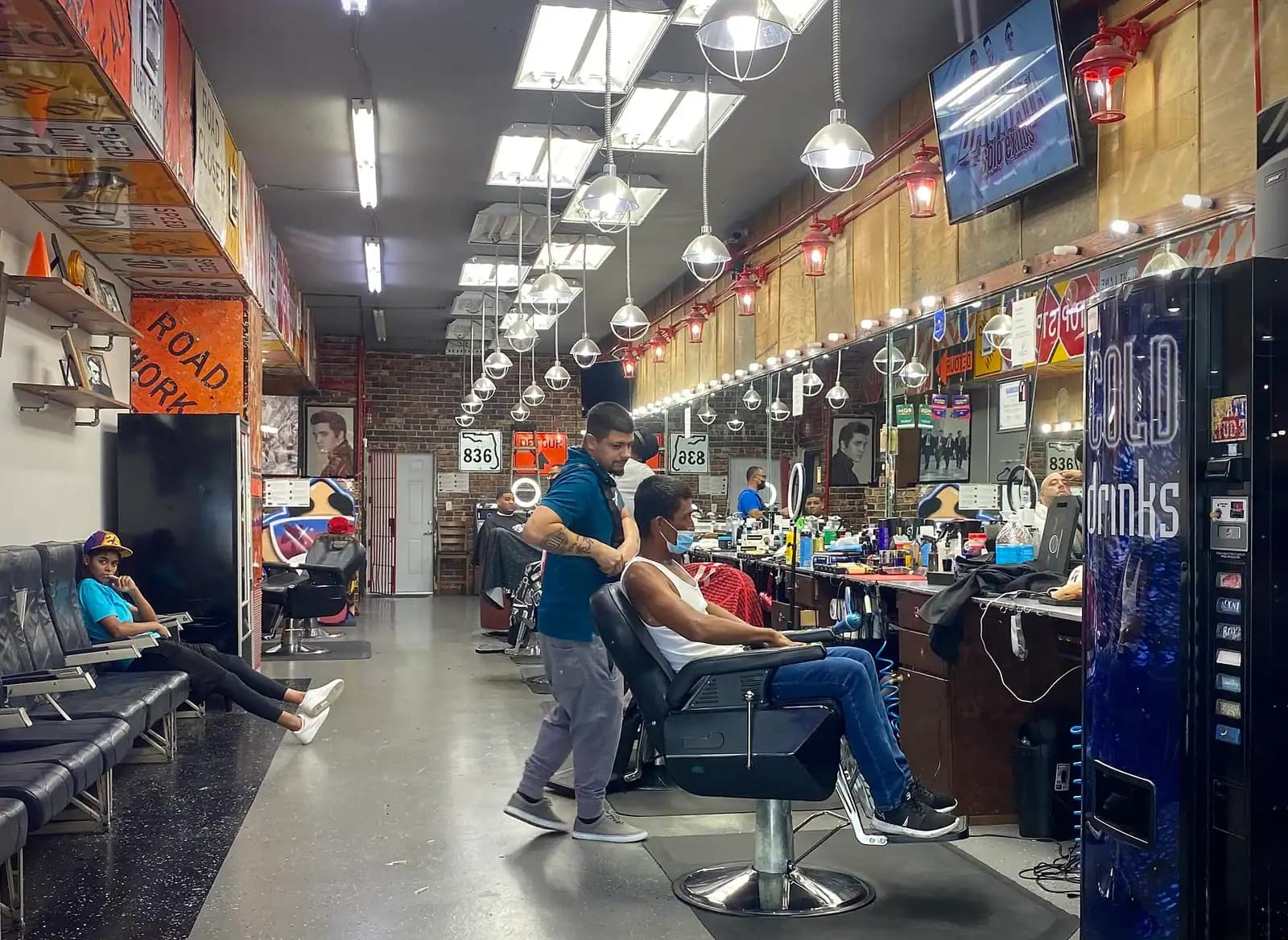
Little Havana is a residential neighbourhood of roughly seventy thousand people, most of whom are going to work rather than performing Cuban-ness for visitors. It occupies the flat grid west of the Miami River, and its famous artery, SW 8th Street, is a one-way commuter road for twenty-two hours of most days. Understanding that changes how you visit it, and for the better.
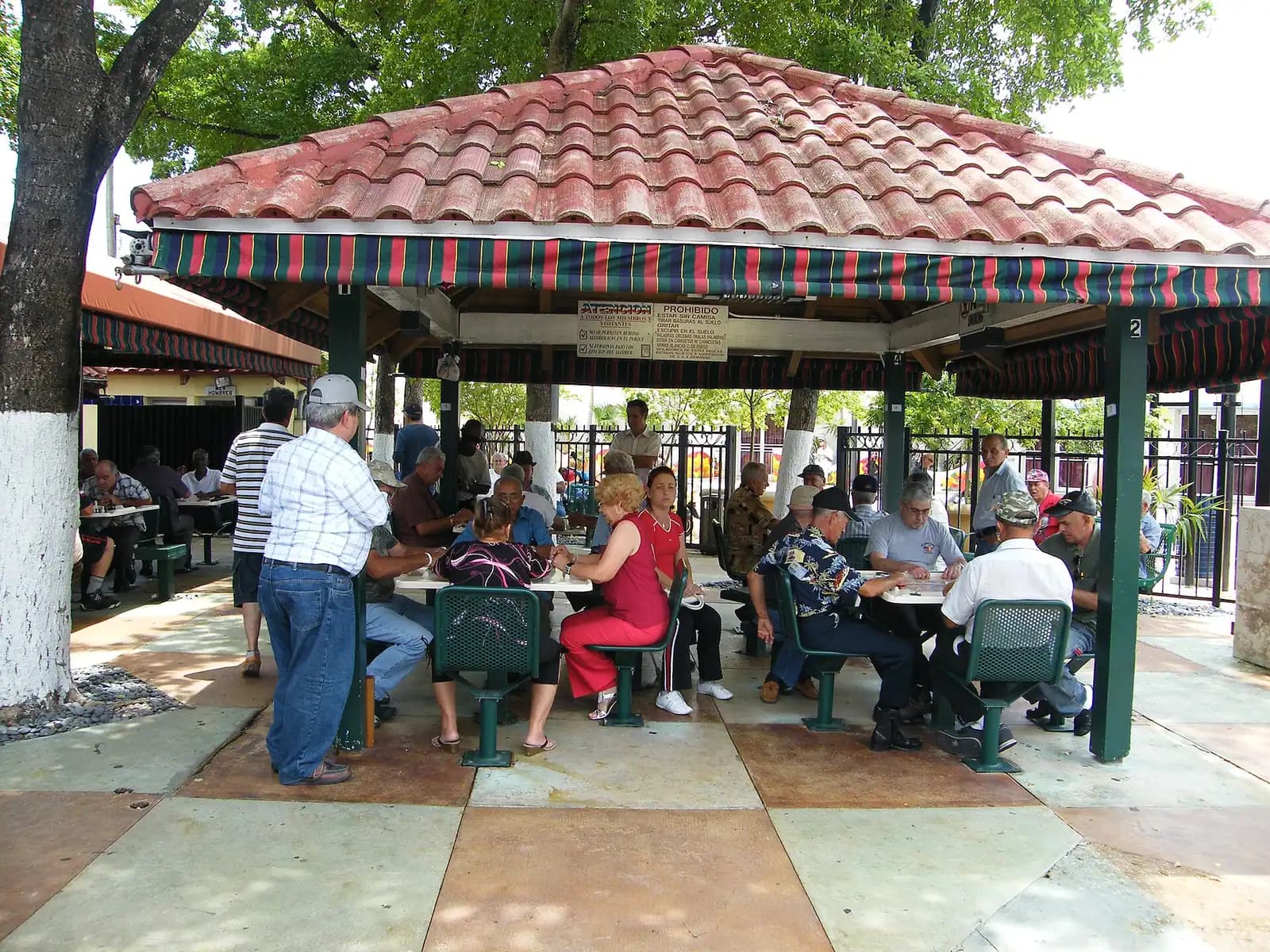
The Cuban story here starts in the early 1960s. Exiles arriving after 1959, and in far greater numbers on the Freedom Flights that ran from 1965 to 1973, settled into a tired district of 1920s bungalows and low commercial blocks called Riverside and Shenandoah, because the rents were low and it was close to the jobs downtown. Within a decade the shopfronts were Cuban, the street was Calle Ocho, and the politics of the neighbourhood were the politics of the island. Cuban Memorial Boulevard — SW 13th Avenue, running north from Calle Ocho — is where that history is made explicit: a run of monuments including the eternal flame for Brigade 2506, the exile force defeated at the Bay of Pigs in 1961.
What is less understood is that the neighbourhood moved on. Many Cuban-American families left for Hialeah, Westchester and Kendall decades ago, and the shops and restaurants that replaced them are as often Nicaraguan, Honduran, Salvadoran or Dominican. You will find a fritanga next to a ventanita, and a Nicaraguan bakery three doors from a Cuban one. The neighbourhood is Latin American rather than narrowly Cuban, and anyone who tells you otherwise is selling a tour.
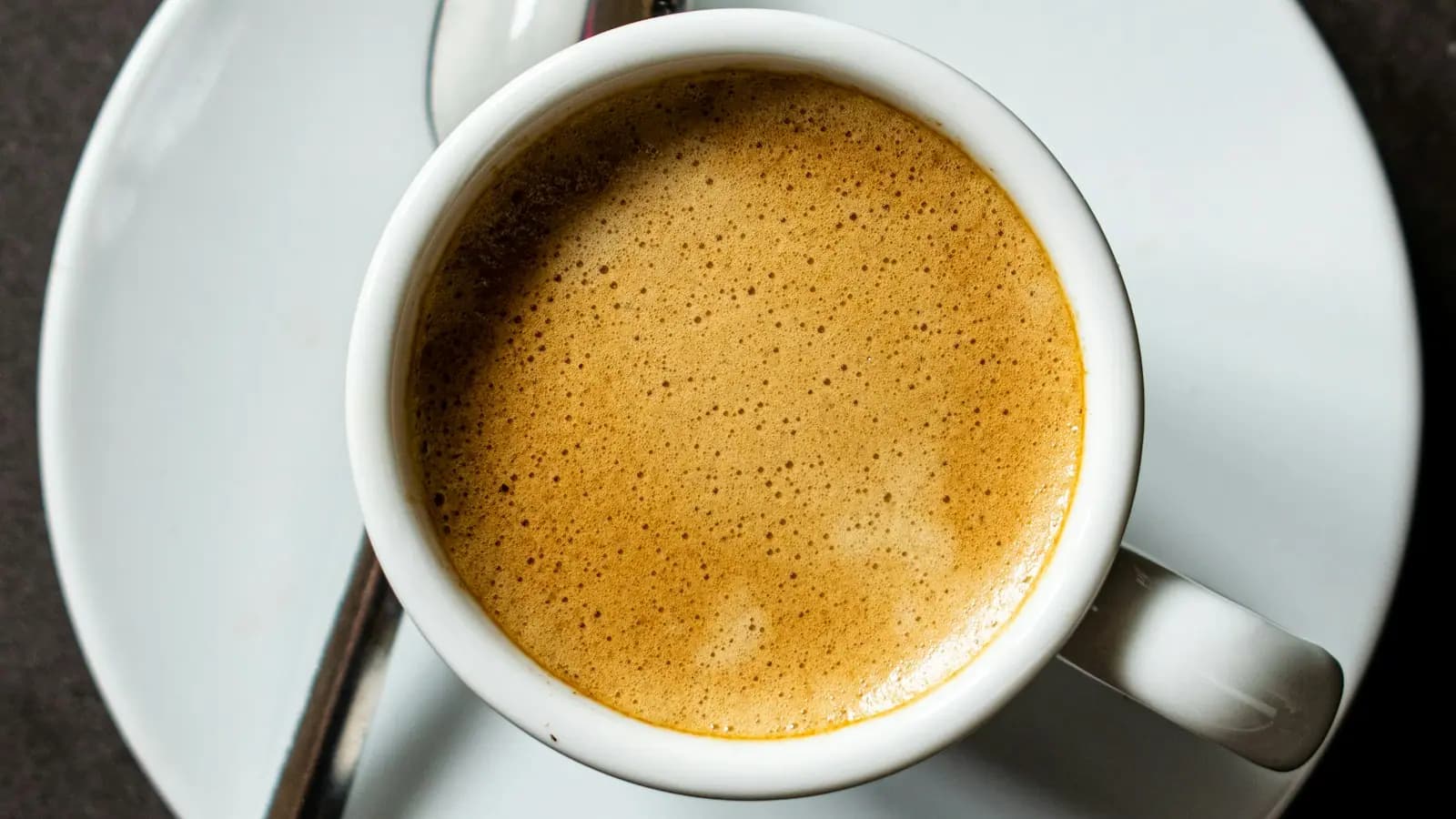
Visiting well is simple. Walk the eight or nine blocks of Calle Ocho between roughly SW 12th and SW 17th avenues. Buy things. Order at the ventanita window rather than photographing it. Sit through a set at Ball & Chain, which has been on the 1400 block since 1935. Come on the last Friday of the month for Viernes Culturales, when the street is closed, the galleries open and the whole thing is free.
Then, ideally, eat somewhere that has no English menu at all.