If the front is genuinely sitting over the city, these will fill three to five hours properly.
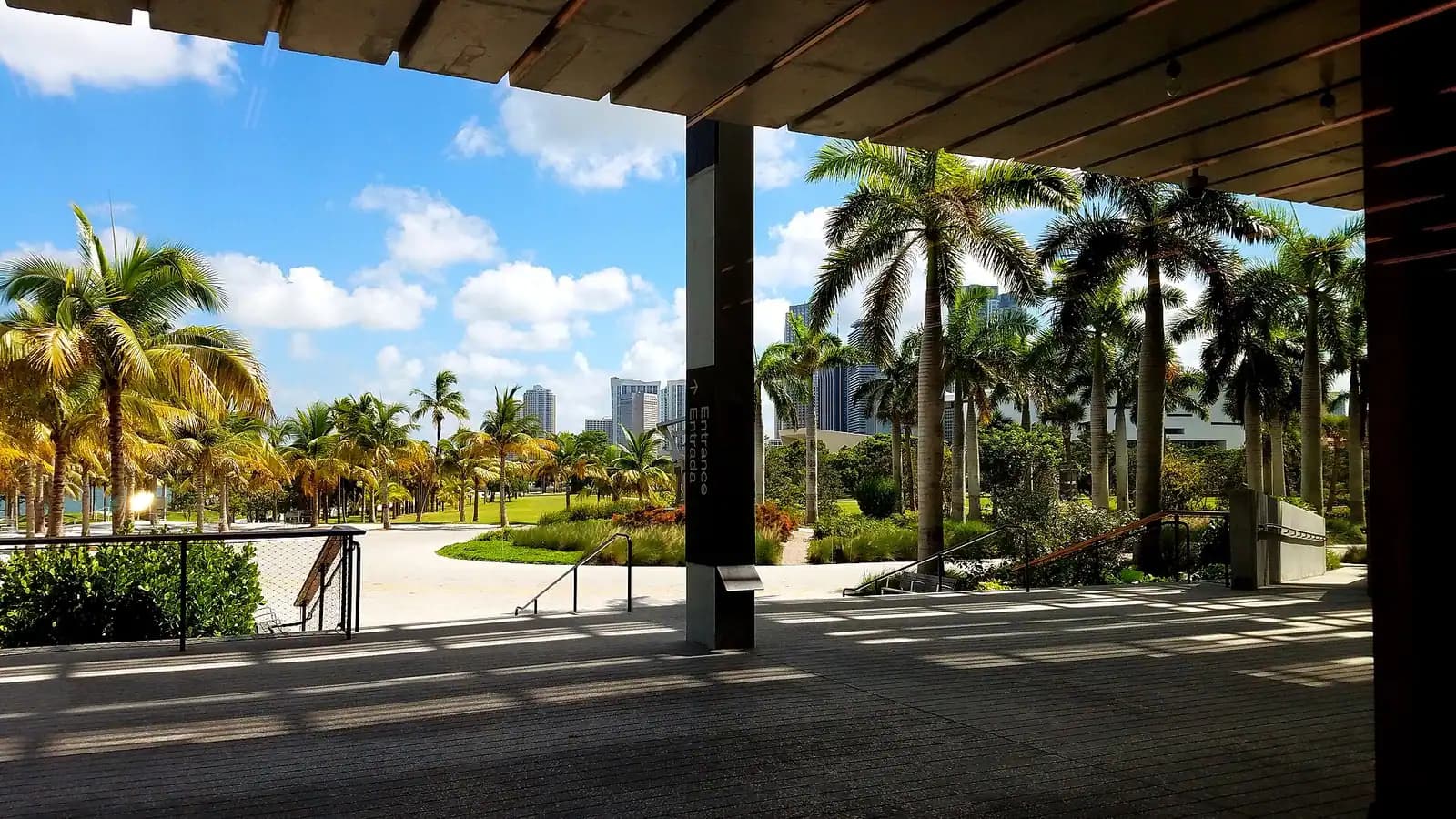
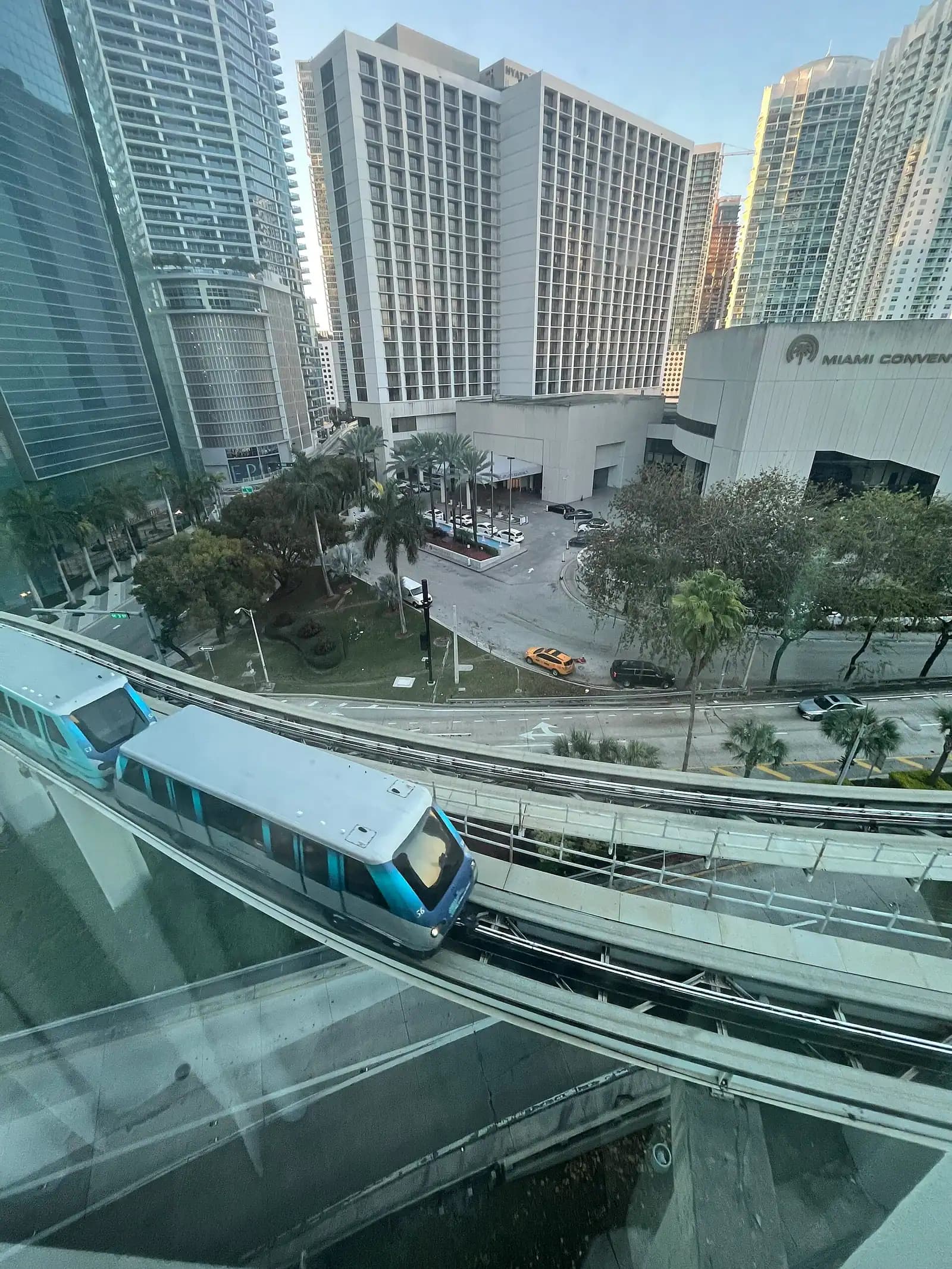
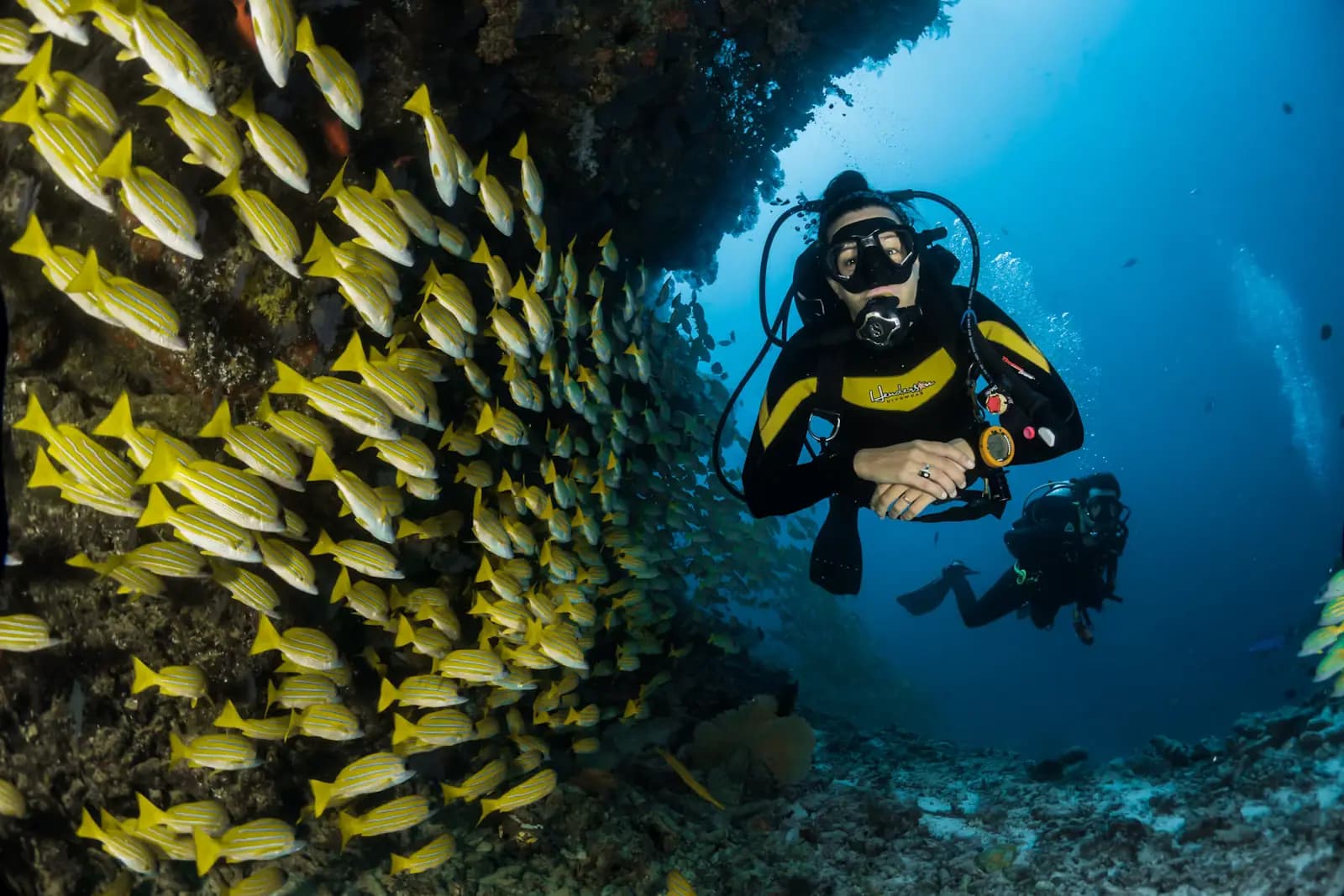
Frost Science, on the downtown bayfront, is the strongest single indoor option in Miami: a three-level aquarium built around a conical tank, a planetarium and a full science museum, at around $30 for an adult with a planetarium show included. Next door in the same park, sharing a garage, is PAMM, around $16 and free to everyone on the second Saturday of the month, with a bayside terrace and hanging gardens. Between the two you have a full wet day without moving the car, and the Metromover reaches both.
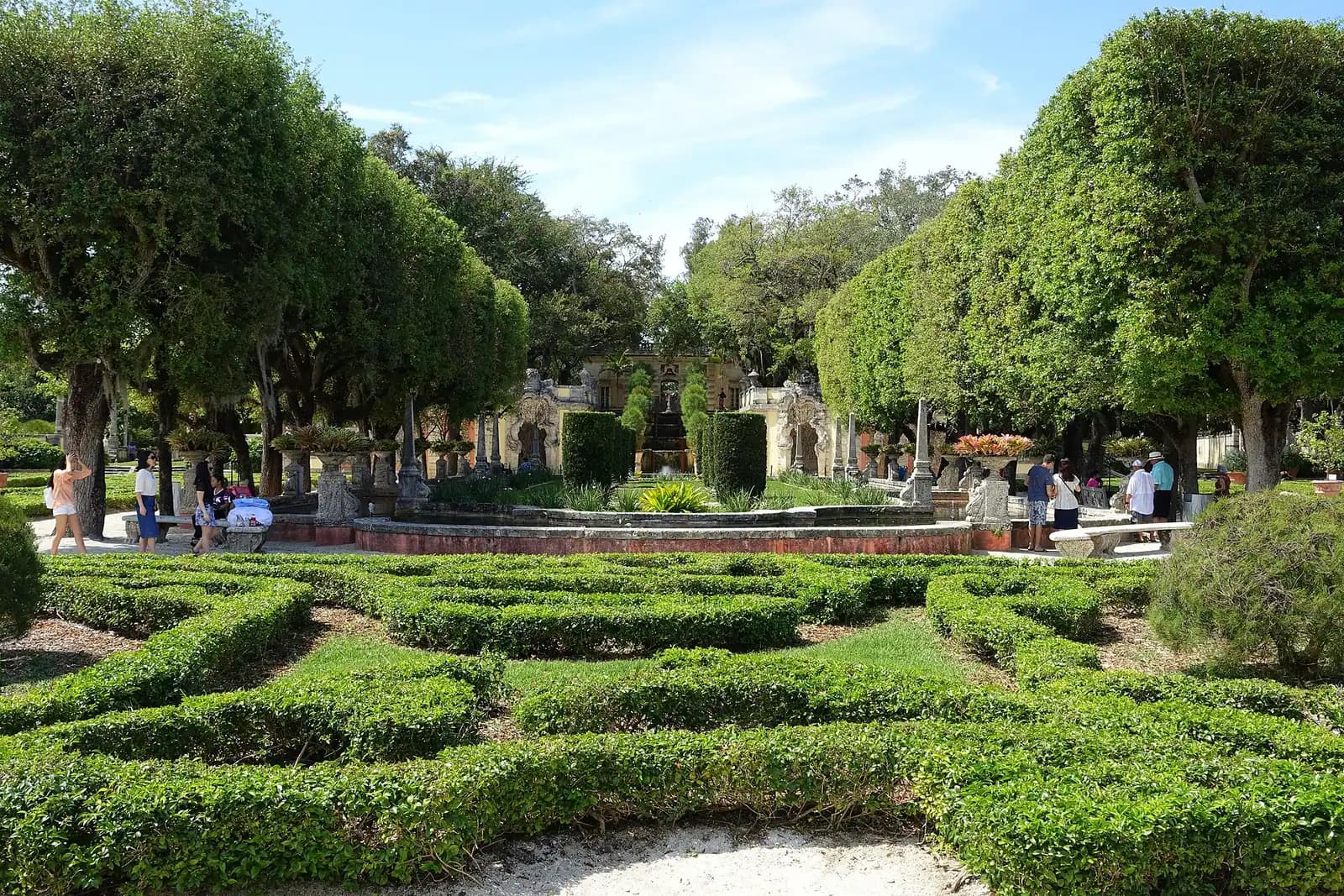
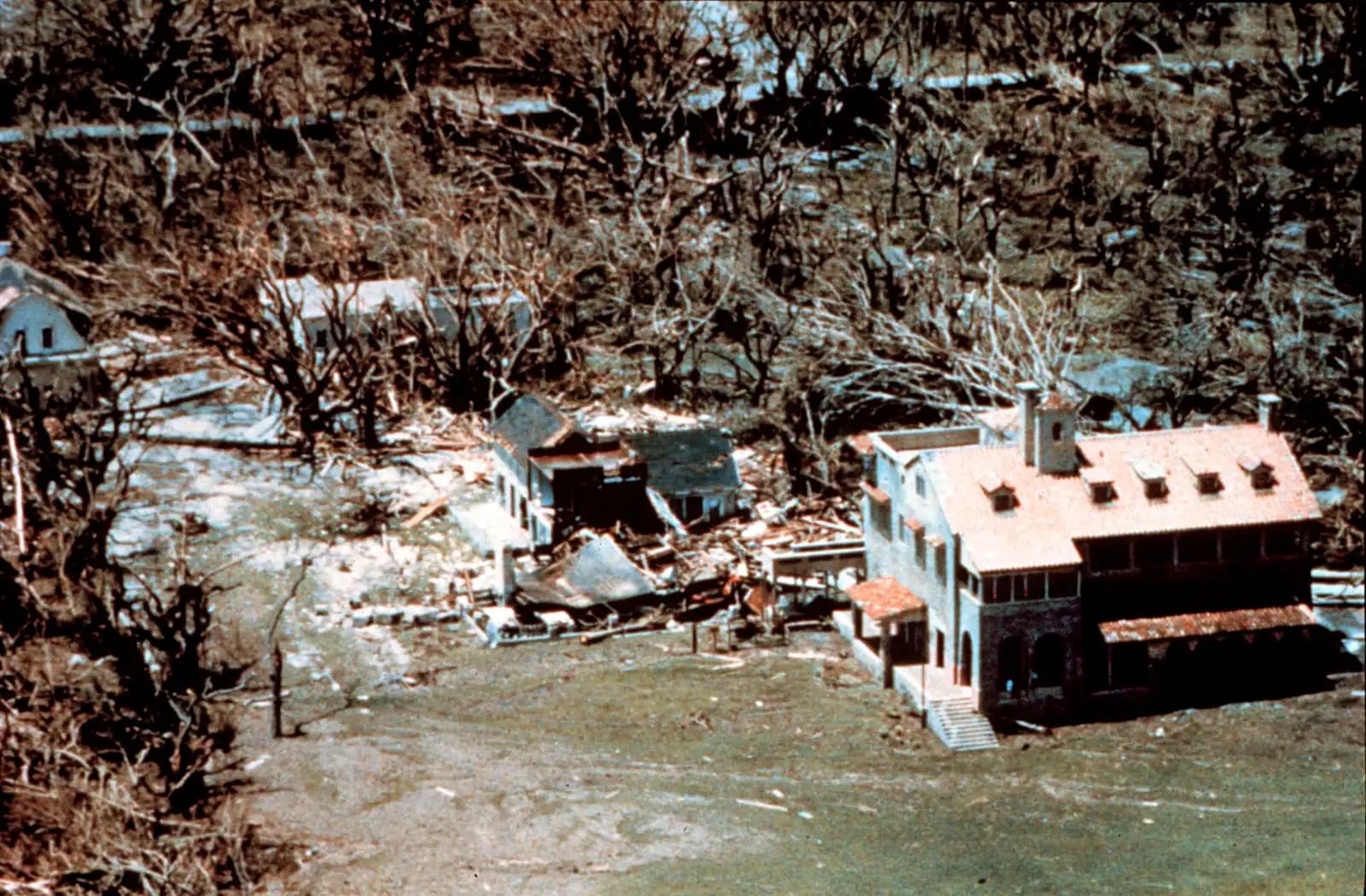
Vizcaya works better in the rain than people expect. The 1916 villa's interiors are the substantial half of the visit, the loggias and courtyard are covered, and the gardens are quieter and cooler wet than dry. Admission is around $39. It is the one attraction in Miami that arguably improves in bad weather.
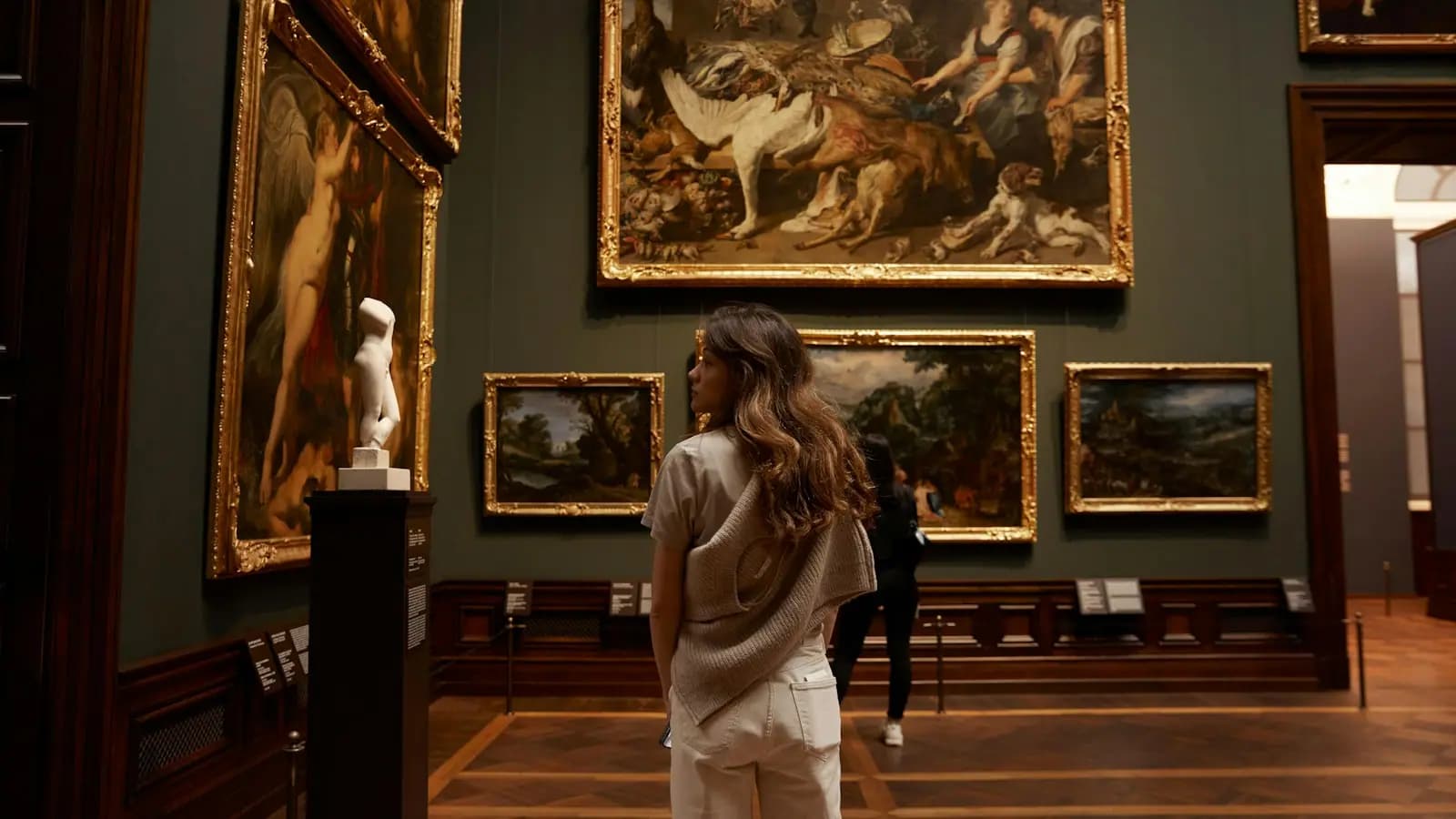
The Rubell Museum in Allapattah and the de la Cruz Collection are the serious private contemporary collections, both indoors, both substantial, and both worth checking opening arrangements for before you set out.
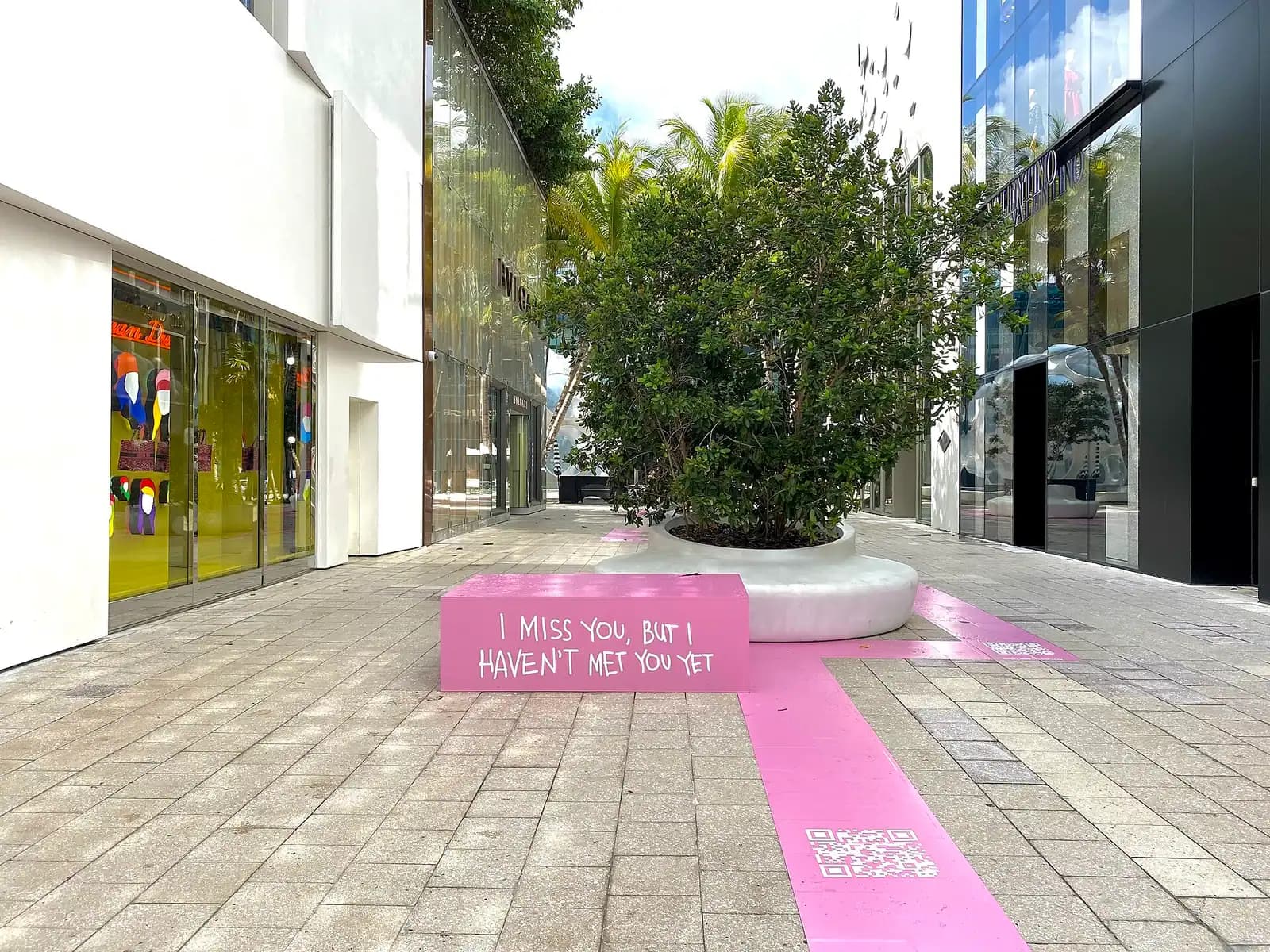
Superblue, also in Allapattah, is an immersive-art venue built for exactly this: large-scale installation work in sealed rooms, which is a very different afternoon from a conventional museum.
The Bass in Miami Beach and the Wolfsonian-FIU, also in South Beach, are the island's indoor options; the Wolfsonian's collection of design and propaganda material from 1850 to 1950 is one of the more unusual museums in the state.
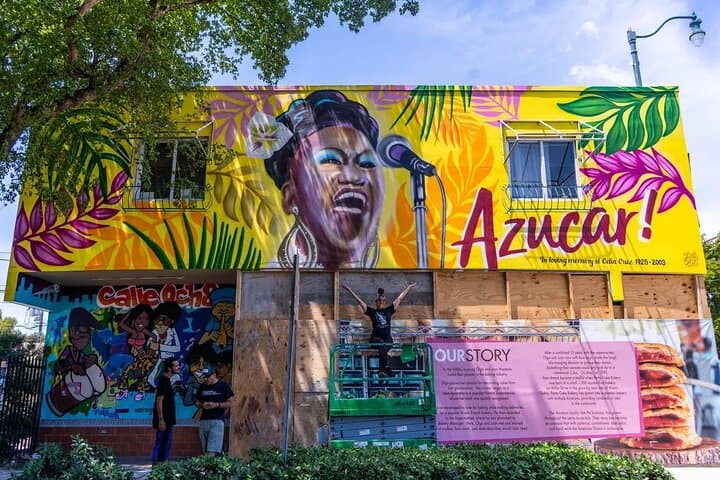
Little Havana's Tower Theater, a restored 1926 cinema on Calle Ocho, shows films and is a piece of the neighbourhood's history in its own right.
One correction. The Miami Seaquarium on Virginia Key closed permanently in October 2025. It appears on almost every older rainy-day list for this city.