Skip to content
Search
Menu

We earn a commission if you book through this link. You pay the same price.

A tall white brick lighthouse standing above low coastal scrub against a clear sky
Virginia State Parks

Park

Bill Baggs Cape Florida State Park

Last updated

A state park at the tip of Key Biscayne built around an 1825 lighthouse, a mile of east-facing sand and a harbour full of boats.

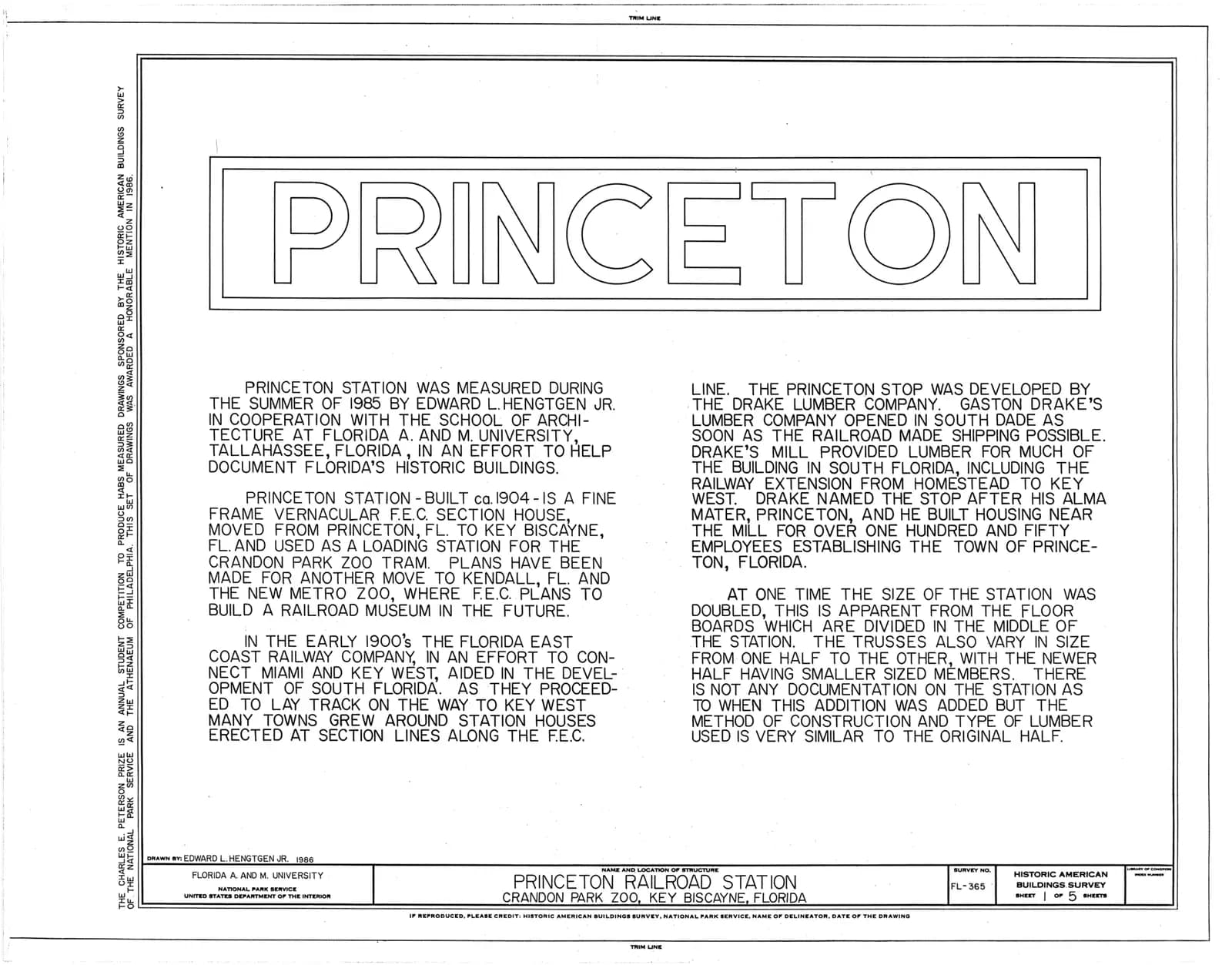
Bill Baggs occupies the southern tip of Key Biscayne, and it contains the oldest thing in Miami-Dade County. The Cape Florida Lighthouse was first completed in 1825, when Miami did not exist and this was a lonely cape at the top of the Florida Keys. It was attacked and burned in 1836 during the Second Seminole War, rebuilt in 1846, and that rebuilt tower is still standing — older than the city, older than the state's current constitution, older than every building on the skyline you can see across the bay.

There is a harder history here too, and the park now tells it. In the years around 1821 to 1825, Cape Florida was a departure point on what historians call the saltwater underground railroad: enslaved people and Black Seminoles reaching this shore and sailing from it to the Bahamas, where slavery under British rule had a different legal footing. The site is recognised in the National Park Service's National Underground Railroad Network to Freedom. It is a very quiet place to stand and think about that.

The rest of the park is a beach day. About a mile of east-facing Atlantic sand, backed by a boardwalk and shade structures, with water that is clearer here than on the bay side of the island because you are facing open ocean. Behind the beach, paths run through coastal hammock and a seagrape canopy. On the west side sits No Name Harbor, a natural basin that fills with anchored boats at weekends and has a restaurant on its edge.

The vegetation is younger than it looks. Hurricane Andrew came ashore just south of here in August 1992 and destroyed the park's Australian pines — a fast-growing import that had shaded the place for decades. Rather than replant them, the state used the opportunity to put back native coastal species. What you walk through now is a deliberate reconstruction, thirty-odd years old.

Come early. The lighthouse tours are limited and the gate closes at sundown.

Getting there and parking

Take the Rickenbacker Causeway east from Brickell, cross Virginia Key and the Bear Cut Bridge, then follow Crandon Boulevard south through Crandon Park and the village of Key Biscayne. The road ends at the park gate. About 20 minutes from downtown Miami without traffic; the causeway tolls eastbound.

Once inside, the park road runs to the lighthouse at the tip, with beach parking areas along the way and a separate loop to No Name Harbor. Parking is included in the entry fee and is generally adequate except on winter weekend mornings, when the park can fill.

Miami-Dade bus route 102 runs down Crandon Boulevard from Brickell station and stops near the park entrance. Check return times.

Cycling from the mainland over the causeway takes about 45 minutes from Brickell and avoids the toll and the gate queue. It is a popular ride, but the bridge climb is exposed and the traffic is fast.

The lighthouse, and whether you can climb it

The tower is a white brick cone, 95 feet of it, standing behind a restored keeper's cottage furnished to the middle of the nineteenth century. Both sit in a clearing at the very end of the key, with the Atlantic on one side and the bay on the other.

Access to the top is by ranger-led tour only, on a limited schedule — typically a couple of departures a day, several days a week, and not every day. Places are limited, there are age and height restrictions for the climb, and the tours can be cancelled for weather or staffing. Ask at the entrance booth when you pay, and go straight there rather than starting with the beach if it matters to you.

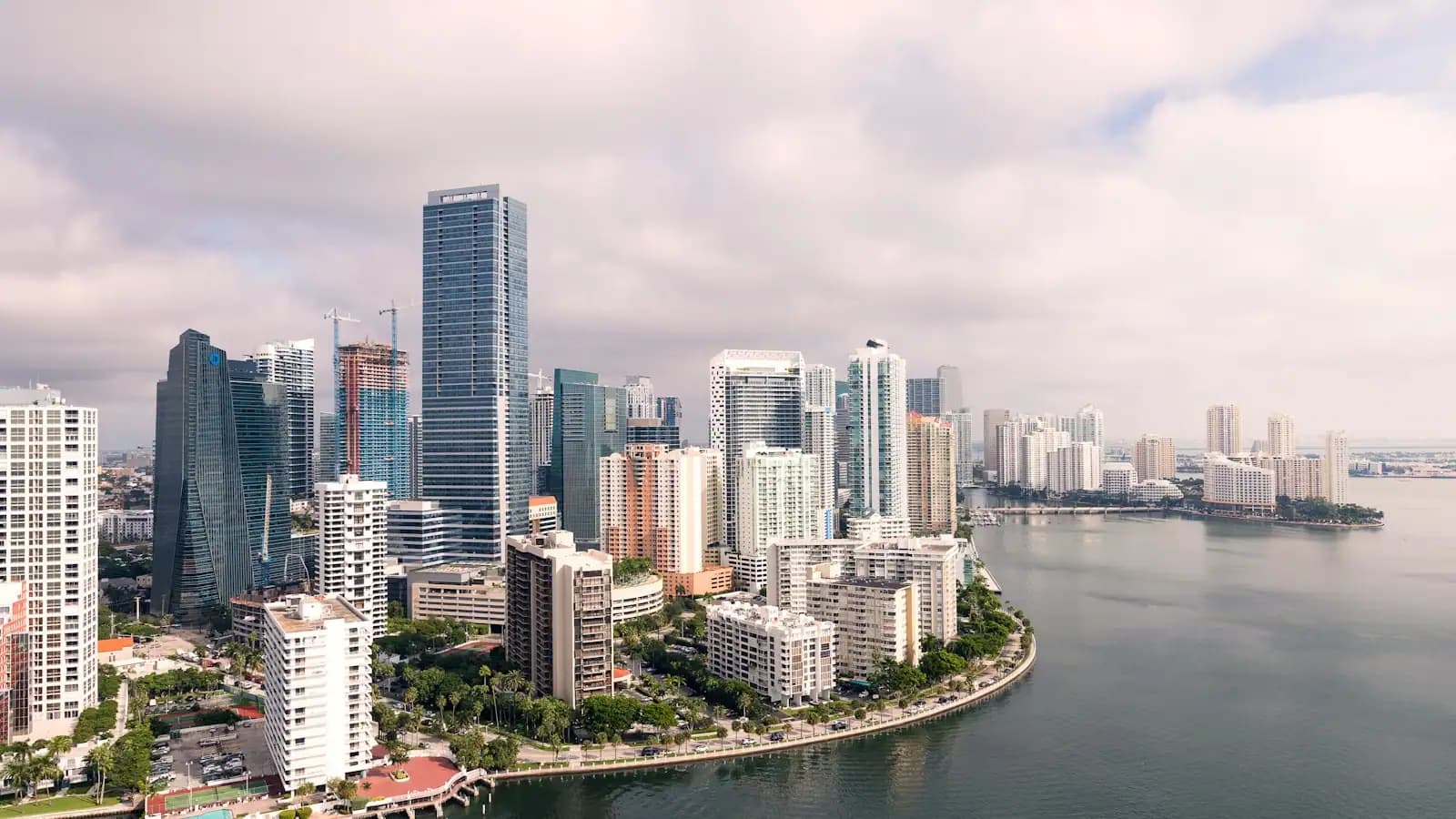
What you get from the top is the geometry of Miami laid out: the bay, the causeways stitching the islands together, the downtown skyline to the north-west, Stiltsville's houses on their pilings in the shallows, and open Atlantic to the east. It is the best explanation of the city's layout available at any price.

Even if you cannot climb, the base is worth the walk. The keeper's cottage is open on tour days, the interpretive panels cover both the Seminole War attack and the Network to Freedom history, and the setting — low scrub, sea grape, a lot of sky — is the least Miami-looking place in Miami.

The beach, and how it compares

About a mile of Atlantic-facing sand, and the best swimming on Key Biscayne for anyone who is not managing a toddler.

Versus Crandon, ten minutes north: Crandon has a sandbar and a flat lagoon, which is better for small children and worse for everyone else. Bill Baggs faces the open ocean, so you get actual waves, deeper water sooner and noticeably better clarity.

Versus South Beach, across the bay: no crowd, no hotels behind the dune, no music, no rental-bed grid. The trade is that there are no shops either. Bring lunch or use the park concessions.

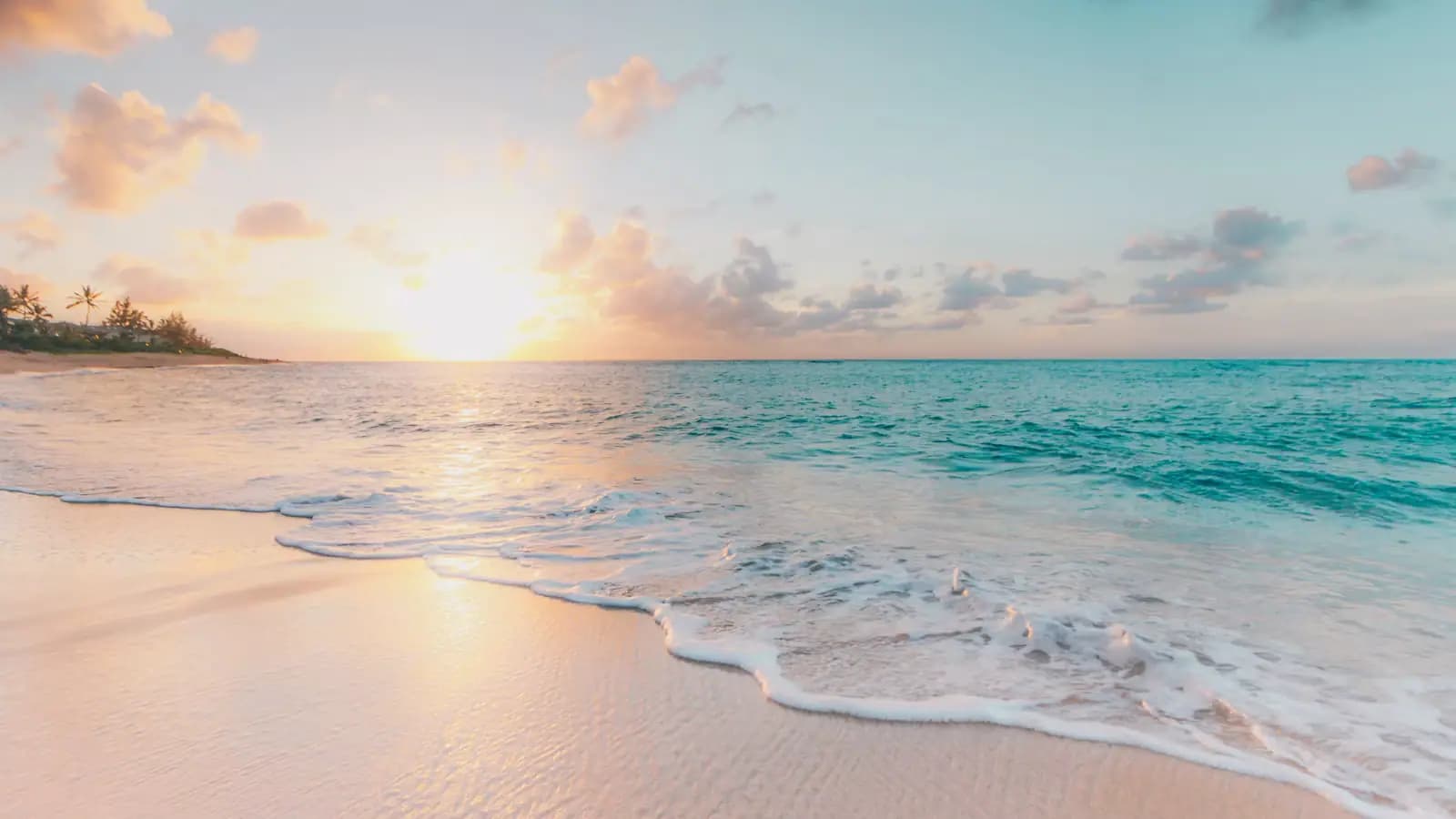
Practical notes. Lifeguards cover designated sections during posted hours, not the whole mile. The beach faces almost due east, so this is a sunrise beach — genuinely one of the better ones in the city, with the sun coming up out of the Atlantic and nothing between you and it. Shade comes from built shelters and the seagrape line rather than from trees on the sand.

Seaweed and sargassum land here in some seasons, mostly late spring through summer, and the park does not groom the full length of the beach. That is a conservation choice rather than neglect, but it is worth knowing before you arrive expecting a raked resort strip.
No Name Harbor and the trails

On the bay side of the park, a narrow cut leads into a round natural basin called No Name Harbor. On a Saturday afternoon it holds several dozen boats rafted up, music carrying across the water, people swimming off transoms. There is a restaurant on the seawall and a paved path all the way round.

It is the best free spectacle in the park, and it is also a useful piece of local knowledge: this is where Miami boaters shelter when weather comes through, and where a lot of crossings to the Bahamas and the Keys stage out of.

The land trails connect the harbour to the lighthouse and the beach through coastal hammock — sea grape, gumbo limbo, buttonwood — on flat, shaded, mostly paved paths. It is a modest network, an hour or so if you walk it all, and it is one of the few genuinely shaded walks on a Miami beach day.

Bikes are allowed on the park roads and paths, and hiring one at the park or bringing one over the causeway turns the whole tip of the island into something you can cover in a morning. Kayak and paddleboard rental operates on the bay side, where the water is flat.

Fishing is permitted from the seawall and the shoreline with a Florida licence.

Fees, hours and the things that catch people out

Hours. The park opens at 8am and closes at sundown, every day of the year. Sundown means sundown; rangers clear the park, and the gate on Crandon Boulevard is the only way out.

Fees. Florida state park rates: expect a per-vehicle charge in the region of $8 for a car with two to eight people, around half that for a single-occupant vehicle or motorcycle, and a small per-person charge for pedestrians and cyclists. Verify current rates at the booth — state park fees are reviewed periodically. This is on top of the eastbound Rickenbacker Causeway toll.

Timing. Weekend mornings in winter, the gate queue builds and the park can reach capacity. Arrive before ten, or come on a weekday.

Bring. Water, sun protection, repellent for the hammock trails at either end of the day, and cash or card for the concession. There is no shop.

Do not bring. Glass, which is prohibited, or a drone, which is prohibited in Florida state parks without a permit.

Pets. Dogs are allowed in the park on a leash but not on the beach or in the swimming area, and that is enforced.

Tours that visit Bill Baggs

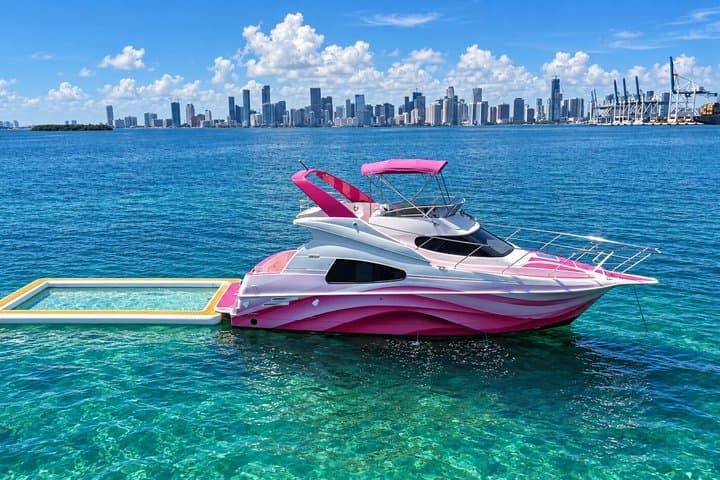
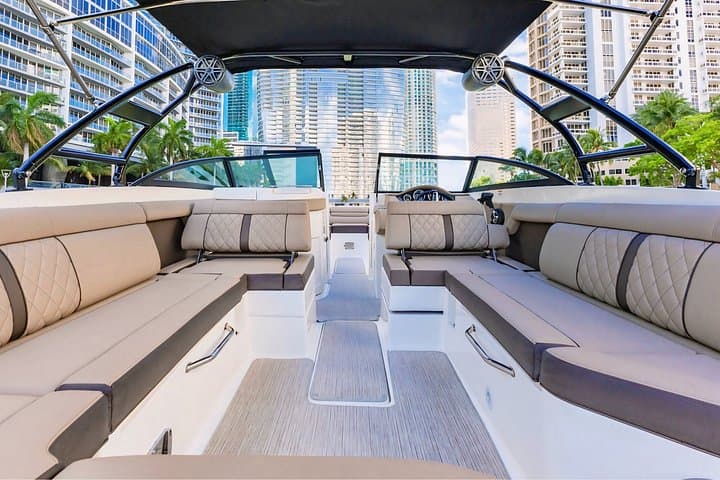
Operators run these trips past Bill Baggs, or stop there as part of a longer route. We list what the booking data supports — not everything that mentions the name.

Some links below go to Viator, our booking partner. We earn a commission on bookings made through them — at no extra cost to you, and with no influence on what we recommend.

Shared departurespriced per seat, best value for one or two

Private and small-group optionsoften cheaper per head for a family or a group of six

Near Bill Baggs

Straight-line distances, so allow more on the road — the island is long and has one main parkway.

  • A long causeway bridge curving across shallow bay water towards a low green island
    Free

    Neighbourhood

    Key Biscayne

    One causeway, two big parks and a village in between — the island Miami drives to when it wants the ocean without the noise.

    3–8 hoursThe village and its streets are free. You pay an eastbound causeway toll to drive on, and a per-vehicle entry charge at each of the two parks.1.7 mi away

  • Shallow flat turquoise water over pale sand with no breaking waves, stretching far from shore

    Beach

    Crandon Park

    Two miles of beach behind a sandbar that kills the swell, plus a carousel, a nature centre and the cages of a zoo that left in 1980.

    3–7 hoursA modest per-vehicle entry fee at the gate, higher at weekends and holidays. Pedestrians and cyclists enter free. Cabanas, chairs and watercraft hire are extra.3.5 mi away

  • A quiet empty beach with calm shallow water and a line of pines along the back of the sand

    Beach

    Historic Virginia Key Beach Park

    The beach Miami's Black residents won by protest in 1945, reachable only by boat until the causeway arrived two years later.

    2–5 hoursFree to enter on foot or by bicycle. A modest per-vehicle parking charge applies at the gate. The carousel and miniature train are separately ticketed at a small charge.4.8 mi away

  • A small boat on flat shallow turquoise water with low green islands on the horizon
    Free

    Nature preserve

    Biscayne National Park

    A national park that is 95 percent water: mangrove shoreline, a bay, the northernmost Florida Keys and a living coral reef.

    1.5–7 hoursFree. There is no entrance fee for Biscayne National Park and parking at Convoy Point costs nothing. Boat trips, snorkelling, diving and island camping are charged separately.17.8 mi away

Bill Baggs: common questions

Can you climb the Cape Florida Lighthouse?

Sometimes. The tower is climbed on ranger-led tours only, running a couple of times a day on selected days rather than continuously, with limited places and age and height restrictions. Tours are cancelled for weather and staffing. Ask at the entrance booth when you pay and go to the lighthouse first if the climb matters to you. The view from the top is the clearest explanation of Miami's geography you will get anywhere.

How old is the lighthouse at Bill Baggs Cape Florida?

The first tower was completed in 1825. It was attacked and burned in 1836 during the Second Seminole War, then rebuilt in 1846, and that rebuilt structure is what stands today. It is the oldest standing structure in Miami-Dade County by a wide margin — older than the city of Miami, which was not incorporated until 1896, and older than every building visible across the bay.

Is Bill Baggs a good beach for swimming?

Yes, and it is the better Key Biscayne beach for adults and confident swimmers. It faces the open Atlantic, so the water is clearer and deeper sooner than at Crandon, and there is actual wave action. Lifeguards cover designated sections during posted hours rather than the full mile, so swim near a stand. If you have small children, the sandbar-protected lagoon at Crandon Park is the easier choice.

What is No Name Harbor?

A small round natural basin on the bay side of the park, reached by a narrow cut, where Miami boaters anchor and raft up at weekends. There is a restaurant on the seawall, a paved path around the edge and shoreline fishing with a Florida licence. It is also a staging point for crossings to the Keys and the Bahamas, and a shelter when weather comes through. Free to walk around with park entry.

How much does it cost to get into Bill Baggs Cape Florida State Park?

Florida state park rates, charged per vehicle: expect around $8 for a car carrying two to eight people, roughly half that for a single occupant or a motorcycle, and a small per-person charge if you arrive on foot or by bicycle. Verify at the booth, since state park fees are reviewed periodically. This is separate from the Rickenbacker Causeway toll, which is charged eastbound only on the way onto the island.