Everglades National Park is about an hour from downtown Miami, covers roughly 1.5 million acres, and is the largest subtropical wilderness in the United States. It is also a UNESCO World Heritage Site and a Wetland of International Importance. Most visitors from Miami spend a morning on an airboat, buy a photograph with an alligator, and drive home without having set foot in it.
That is worth untangling before anything else.
The airboat question, answered properly
Airboats are barred from the great majority of Everglades National Park. They are loud, they run over shallow marl and periphyton, and the park has kept them out of its wilderness for decades.
There is one real exception. When the East Everglades Expansion Area was added to the park in 1989, three long-established operators along the Tamiami Trail — the US-41 corridor in the park's north-east corner — were grandfathered in, and the Park Service issues them concession contracts to run airboat tours on a defined portion of that addition. They are the only airboats legitimately operating inside the park.
Every other airboat you can book from a Miami hotel lobby launches somewhere else: on Miccosukee tribal land, in Water Conservation Area 3A on the north side of US-41, or out of Everglades City and the Big Cypress area to the west. Those are real wetlands with real alligators and, in the case of the Miccosukee operations, guides whose families have lived on that water for generations.
None of that makes them bad trips. It means that "Everglades National Park airboat tour" in a listing is usually marketing rather than geography, and that the park's own defining experiences have nothing to do with an airboat at all.
Three entrances, and they do not connect
This catches people out every week. You cannot drive between the park's entrances inside the park. Each one is a separate approach from a separate road.
| Entrance | From Miami | Gets you | Hours |
|---|---|---|---|
| Shark Valley (US-41) | About 1 hour | 15-mile loop, tram, observation tower, bikes | Daily, roughly 8:30am–6pm |
| Ernest F. Coe (Homestead) | About 1–1.5 hours | Anhinga Trail, Royal Palm, road to Flamingo | Open 24 hours |
| Gulf Coast (Everglades City) | About 2.5 hours | Ten Thousand Islands, boat tours, paddling | Open 24 hours |
The entrance fee is per vehicle for seven days, currently in the mid-thirties, and it is valid at all of them. Cyclists and walkers pay a lower per-person rate; under-16s are free. An America the Beautiful pass covers it. Fees change, so check before you go.
Shark Valley: the efficient choice
If you have one morning, this is it. A 15-mile paved loop runs south into the sawgrass and back, with a concrete observation tower at the halfway point looking out over a landscape with almost nothing vertical in it.
Three ways to do the loop. The narrated tram takes about two hours and is the only one that works for people who cannot walk or cycle far; from December through March it takes reservations and you want one. Renting a bike at the entrance is the better experience if the weather is reasonable, and two to three hours is realistic. Or walk the first mile or two of the loop and turn around, which still puts you within a few feet of alligators.
Go early. The gate opens at 8:30am and the first ninety minutes are the coolest, quietest and best for birds.
The Homestead side: Anhinga Trail and the road to Flamingo
The Ernest F. Coe entrance is the park's main entrance and the start of a 38-mile road to Flamingo on Florida Bay.
The Anhinga Trail
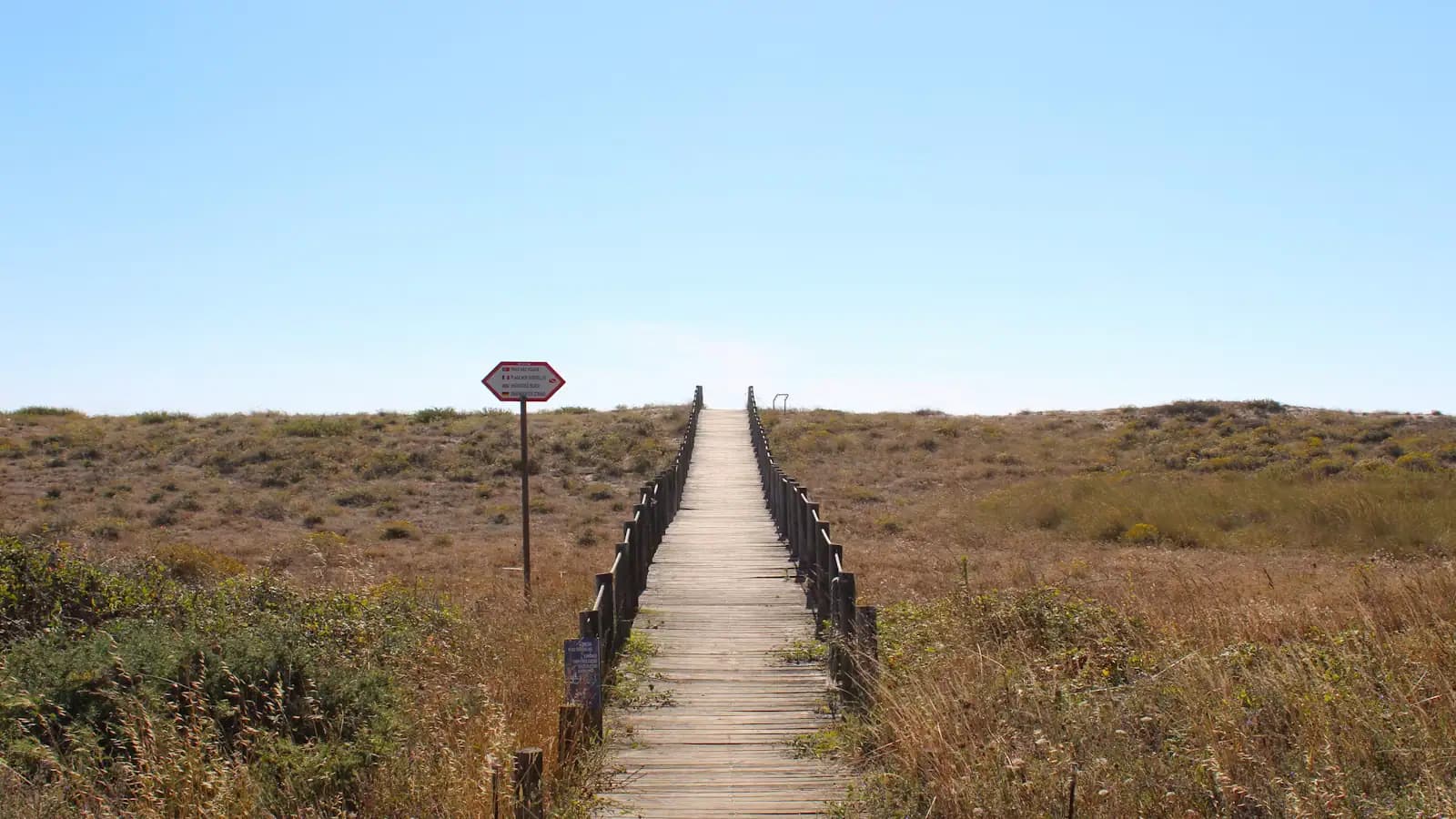
Four miles in is Royal Palm, and the Anhinga Trail — a short boardwalk over a slough that is, per foot, the most reliable wildlife viewing in the park. Alligators, anhingas drying their wings, herons, cormorants, soft-shell turtles, sometimes otters, frequently within a few metres of the rail. It takes under an hour and it is the single best thing a first-time visitor can do here.
Flamingo, on Florida Bay
Push on to Flamingo and you get Florida Bay, manatees around the marina in the cooler months, and the one place in the world where American alligators and American crocodiles share a habitat. The drive is an hour each way from the entrance, so it turns a half day into a full one.
Season matters more than anything
The dry season runs roughly November through April. Water levels drop, wildlife concentrates around the remaining sloughs and gator holes, wading birds — roseate spoonbills, wood storks, great blue herons — pack in around shrinking water, and the mosquitoes are tolerable. Daytime temperatures are in the seventies. This is when to come.
The wet season, June through October, is hot, humid and mosquito-heavy to a degree that surprises people. The water spreads out and so does the wildlife. Afternoon thunderstorms are near-daily. Some facilities reduce hours. It is not unvisitable, but it is a different and much harder day, and Flamingo in August is for the committed.
A realistic day
Leave Miami by 7:30am. Shark Valley by 8:45, bike or tram the loop, back at the entrance by noon. Lunch on the Tamiami Trail. Home mid-afternoon.
Or, for the fuller version: Homestead entrance by 9am, Anhinga Trail, Pa-hay-okee overlook, lunch from a cooler, Flamingo by early afternoon, back in Miami for a late dinner. That is a nine-hour day and it is the one worth taking.
Bring more water than you think, long sleeves, repellent with DEET or picaridin, and a hat. There is almost no shade anywhere in this park.
What you will actually see, and what you will not
Alligators are close to guaranteed on the Anhinga Trail and the Shark Valley loop in the dry season. People routinely count dozens in an hour.
Wading birds are the real spectacle and the reason serious visitors come between December and March: spoonbills, wood storks, ibis, several heron species, and the anhinga itself standing with its wings open because its feathers are not waterproof.
American crocodiles live in the brackish water at the southern end, around Flamingo, and are far scarcer and shyer than the alligators. Manatees appear around the Flamingo marina in cooler months.
Florida panthers exist here in very small numbers and you will not see one. Neither will the guide. Anyone promising one is selling something.
Burmese pythons are established across the park and are a genuine ecological catastrophe, which is why you will see removal programmes advertised. You are unlikely to encounter one.
Choosing between a tour and driving yourself
Driving yourself is cheaper and gives you the Homestead side, which almost no bus tour includes. You need a car, a full tank, and a willingness to be self-sufficient; there is no fuel inside the park and phone signal is patchy.
A coach tour from Miami typically means an airboat outside the park plus a wildlife show, and returns you by early afternoon. It is fine as an outing. It is not a visit to the national park, and the listings rarely make that clear.
A small-group naturalist tour is the middle option and usually the best value for someone who wants to understand what they are looking at. Expect a guide who can name the wading birds and explain why the water moves the way it does.
Kayaking or a boat tour from the Gulf Coast entrance at Everglades City is the most rewarding and the biggest time commitment — two and a half hours each way from Miami before you start.
If wildlife is the priority, book for a morning in January rather than paying for a premium tier in July.
Last updated
Opening hours, ordinances and prices move with the season. We re-check this guide rather than rewrite it, and the date above is the last time someone did. How we research and correct.