Skip to content
Search
Menu

We earn a commission if you book through this link. You pay the same price.

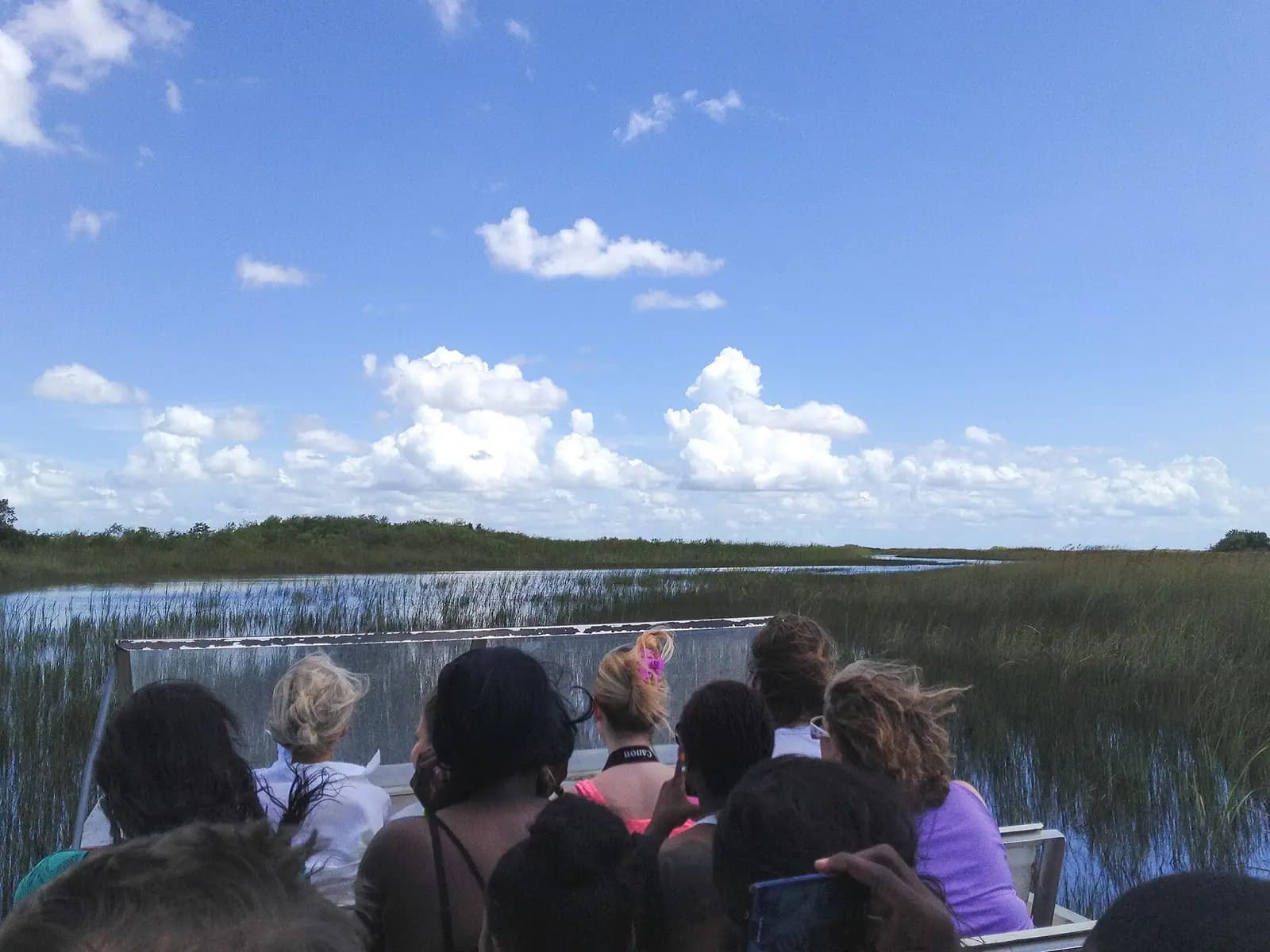
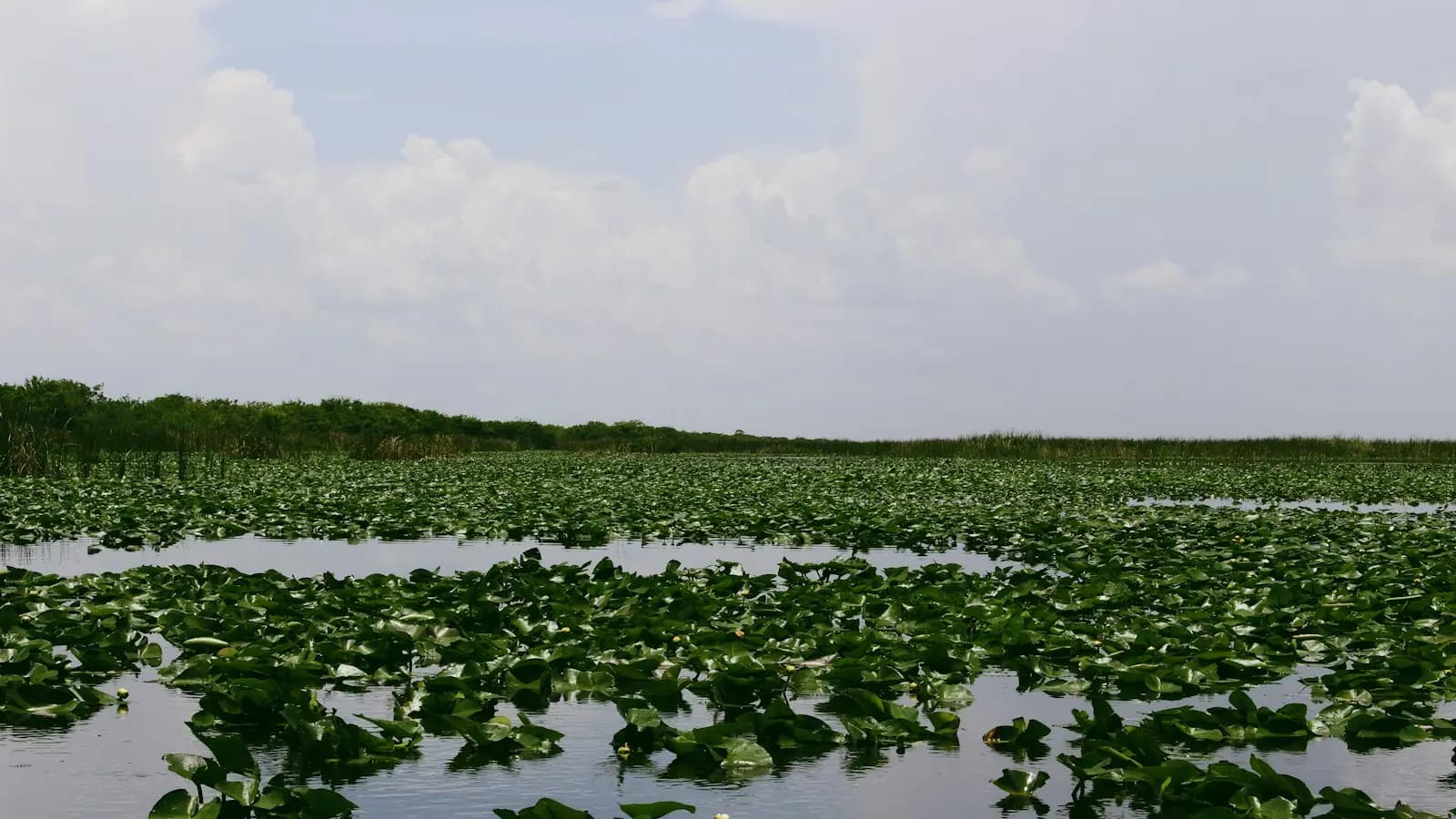
Open sawgrass marsh and still shallow water stretching to a low horizon

Things to Do

Day Trips from Miami

Last updated

Day trips from Miami with real drive times: two national parks within an hour, Key Largo and the Keys, Key West by coach, and the coast north by Brightline.

Miami's best day trips are closer than almost anyone expects, and the famous one is much further than the marketing implies. Everglades National Park, the largest subtropical wilderness in the United States, starts about 25 miles west of downtown along the Tamiami Trail: under an hour door to door, and you can be watching alligators from a paved path before the hotel has finished serving breakfast. Biscayne National Park, which is roughly 95 per cent water, has its visitor centre about 50 minutes south near Homestead. Two national parks, both inside an hour, and most visitors leave without seeing either.

Key West, meanwhile, is 160 miles away down a two-lane highway with 42 bridges on it. The coach day trips are honest about the schedule if you read carefully: about three and a half hours each way, six or seven hours on the island, and a fifteen-hour day in total. People do it and enjoy it. People also do it and spend the return leg wondering what happened to their Tuesday.

In between sits the rest of the Upper Keys, which is where the day trip actually works. Key Largo is an hour to an hour and a quarter from central Miami, and it holds John Pennekamp Coral Reef State Park, the first undersea park established in the United States, with reef snorkelling six miles offshore. Islamorada is another half hour. Both give you a genuine Keys day without seven hours in a vehicle.

Going north is the underrated direction. Brightline runs from MiamiCentral downtown to Fort Lauderdale in around half an hour and West Palm Beach in a bit over an hour, with advance fares that start low and no car, no parking and no traffic involved. It is the one day trip from Miami that is more relaxing than staying put.

What follows is each option with the drive time stated plainly, the season that suits it, and what it costs. The rule underneath all of them: leave before 7am or after 9:30am, because Miami's rush hour will take an hour off your day before you have left the county.
The Everglades: three entrances, three different days

Everglades National Park is not one place with one gate. Three entrances face Miami and they are hours apart from each other.

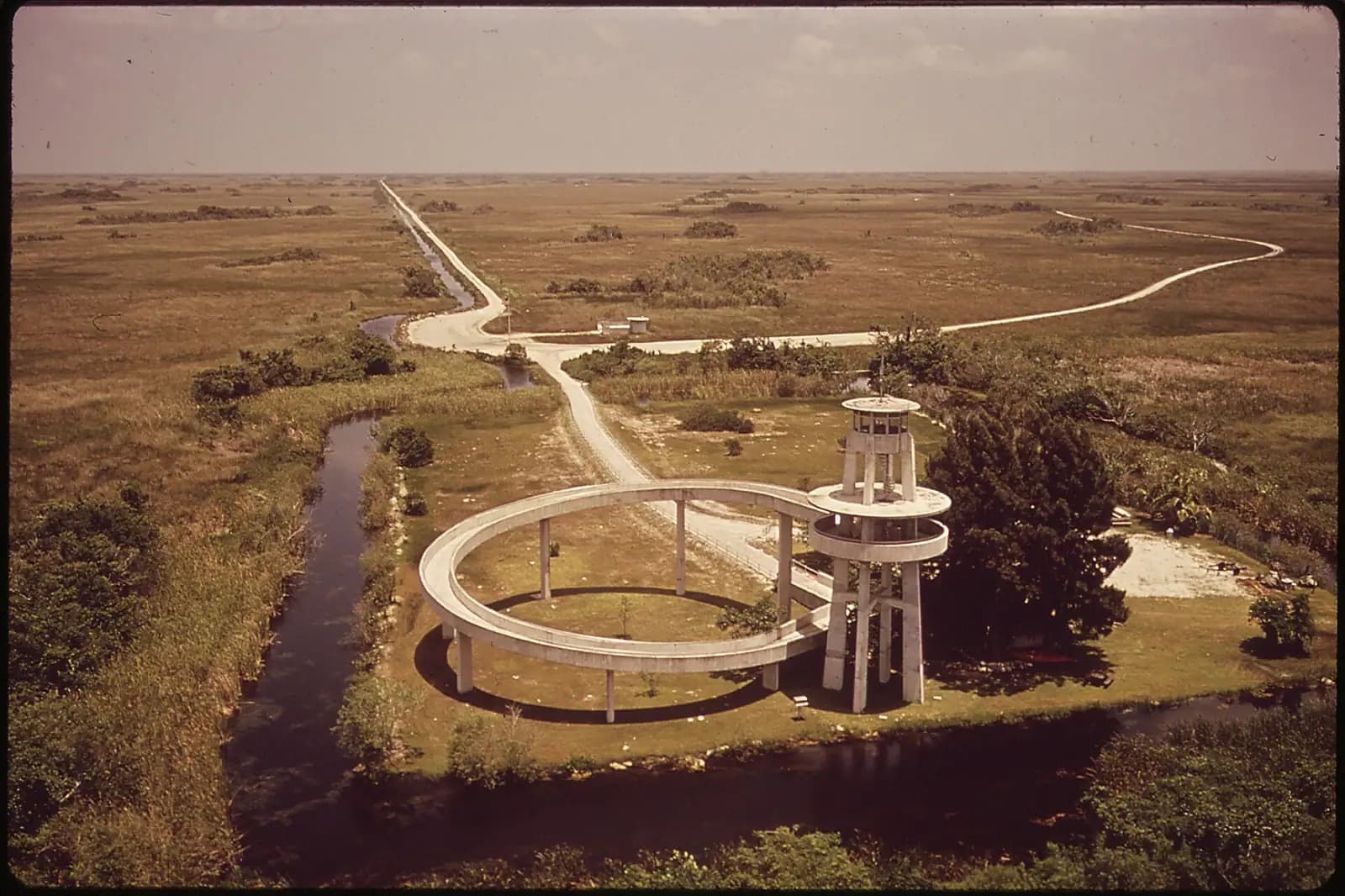
Shark Valley, on the Tamiami Trail about 25 miles west of the city, is the closest and the best half-day. A 15-mile paved loop runs into the sawgrass with an observation tower at the far end. You can walk the first mile, hire a bike, or take the two-hour ranger-narrated tram. In the dry season alligators lie on the verge of the path at arm's length, which is exactly as unnerving as it sounds and entirely safe if you keep your distance.

The Ernest Coe entrance near Homestead, about an hour south, is the one for walking. The Anhinga Trail at Royal Palm is a short boardwalk over a slough with the densest concentration of visible wildlife in the park, and the road continues 38 miles to Flamingo on Florida Bay, which is a full day in itself.

Everglades City and the Gulf Coast, about an hour and three quarters west, is the mangrove and Ten Thousand Islands end, and it is boat country.

Entry is charged per vehicle for seven days and has been running at around $35, valid at every entrance. Bring more water than you think, and repellent from May onwards.

One thing to get right: there are no airboats running out of Shark Valley, Flamingo or the Gulf Coast. The airboat operators are on the Tamiami Trail corridor, on Miccosukee land, on private wetland, and at three long-established concessions that were grandfathered in when the 1989 expansion act pulled the East Everglades into the park. Our airboat page and Everglades tours page cover the difference.

Biscayne National Park, which needs a boat

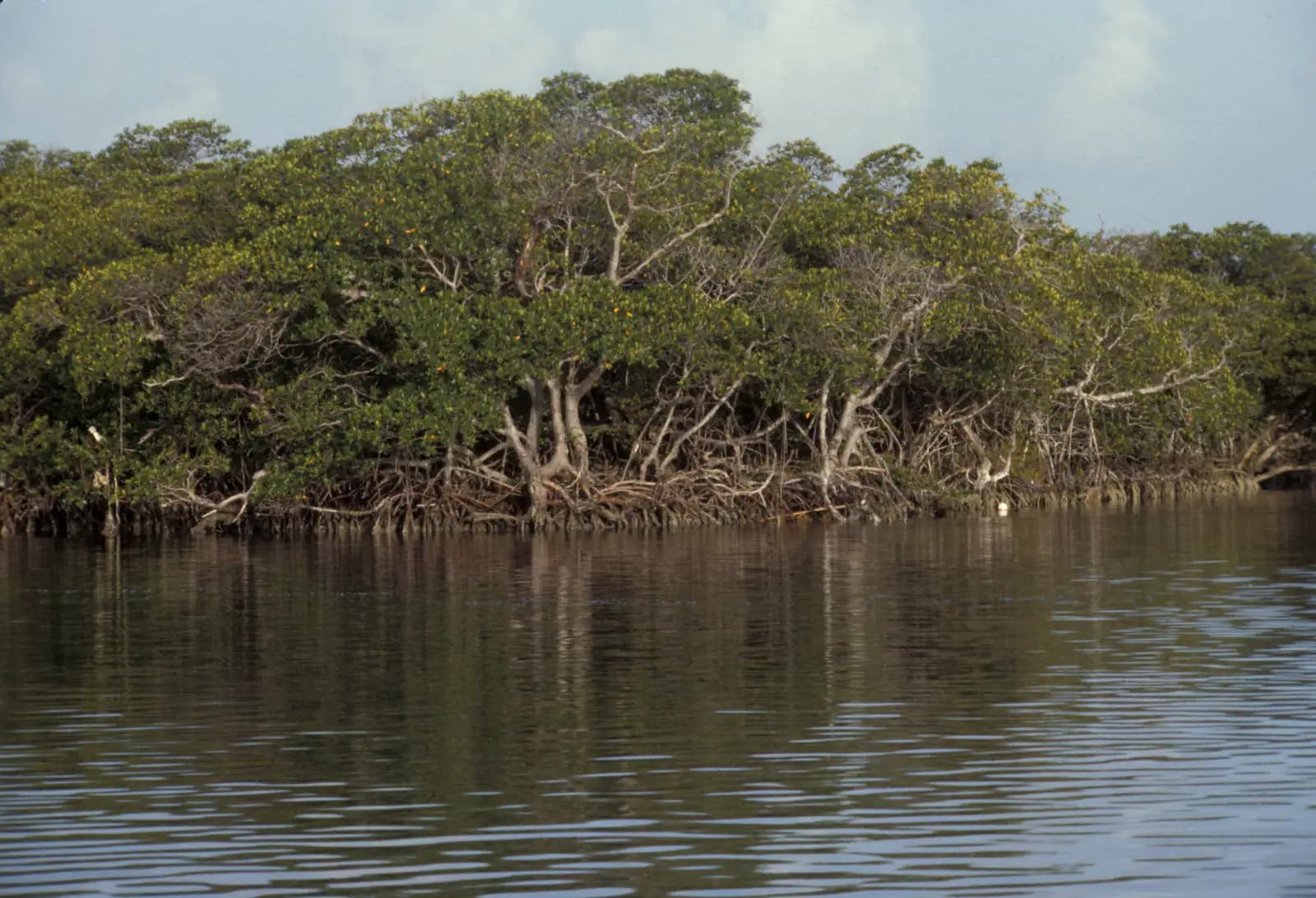
Biscayne National Park is the one nobody plans for, because on a map it looks like water with a car park attached. That is roughly accurate: about 95 per cent of the park is underwater, protecting the northernmost Florida Keys, the mangrove shoreline and part of the third-largest barrier reef system in the world.

The visitor centre at Convoy Point, near Homestead, is about 50 minutes from downtown and free to enter. From the shore you get a short trail, a jetty and a view. That is the whole land-based experience, and it is why the park's visitor numbers look thin next to the Everglades.

The park is reached properly by boat. The park's own non-profit institute runs trips out of Homestead and Coconut Grove: a heritage cruise to Boca Chita Key, the island with the ornamental stone lighthouse, has run at about $83 per person; reef, wreck and bay snorkelling trips at around $64; and small-group snorkel experiences capped at six passengers nearer $99. Independent charters also run. Book ahead in winter and expect cancellations in strong easterly wind, which flattens visibility on the reef.

What you see: seagrass flats, mangrove edges, living reef, and the Maritime Heritage Trail, a set of shipwrecks marked with mooring buoys that you can snorkel over.

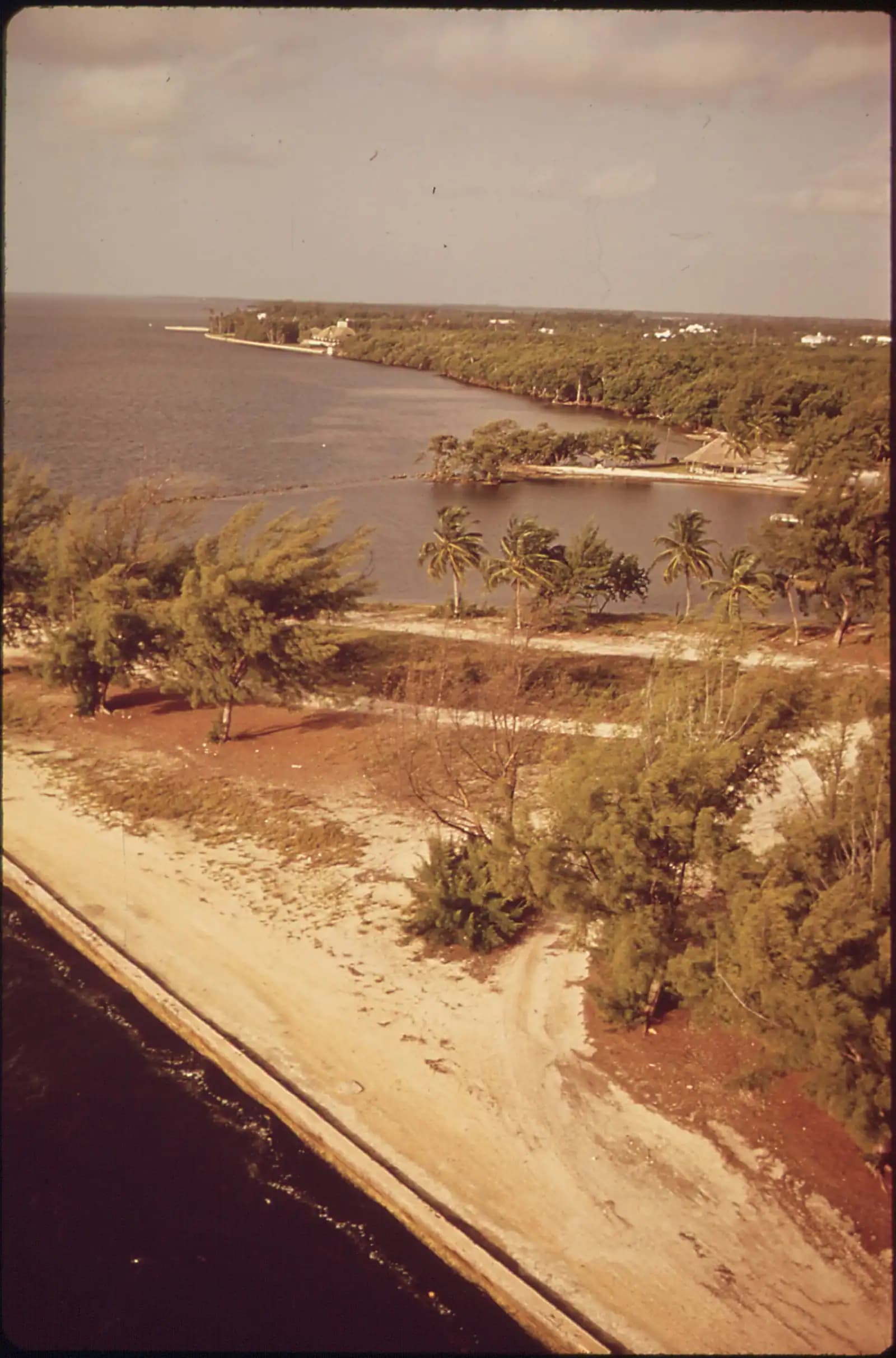
Going south is also a chance to make the drive worth something in itself. The Deering Estate at Palmetto Bay and Matheson Hammock, with its man-made tidal atoll pool flushed by Biscayne Bay, are both on the route.

The Upper Keys: the day trip that actually works

US-1 leaves the mainland south of Homestead, runs across an 18-mile causeway through mangrove and open water, and arrives in Key Largo. From central Miami that is an hour to an hour and a quarter without traffic.

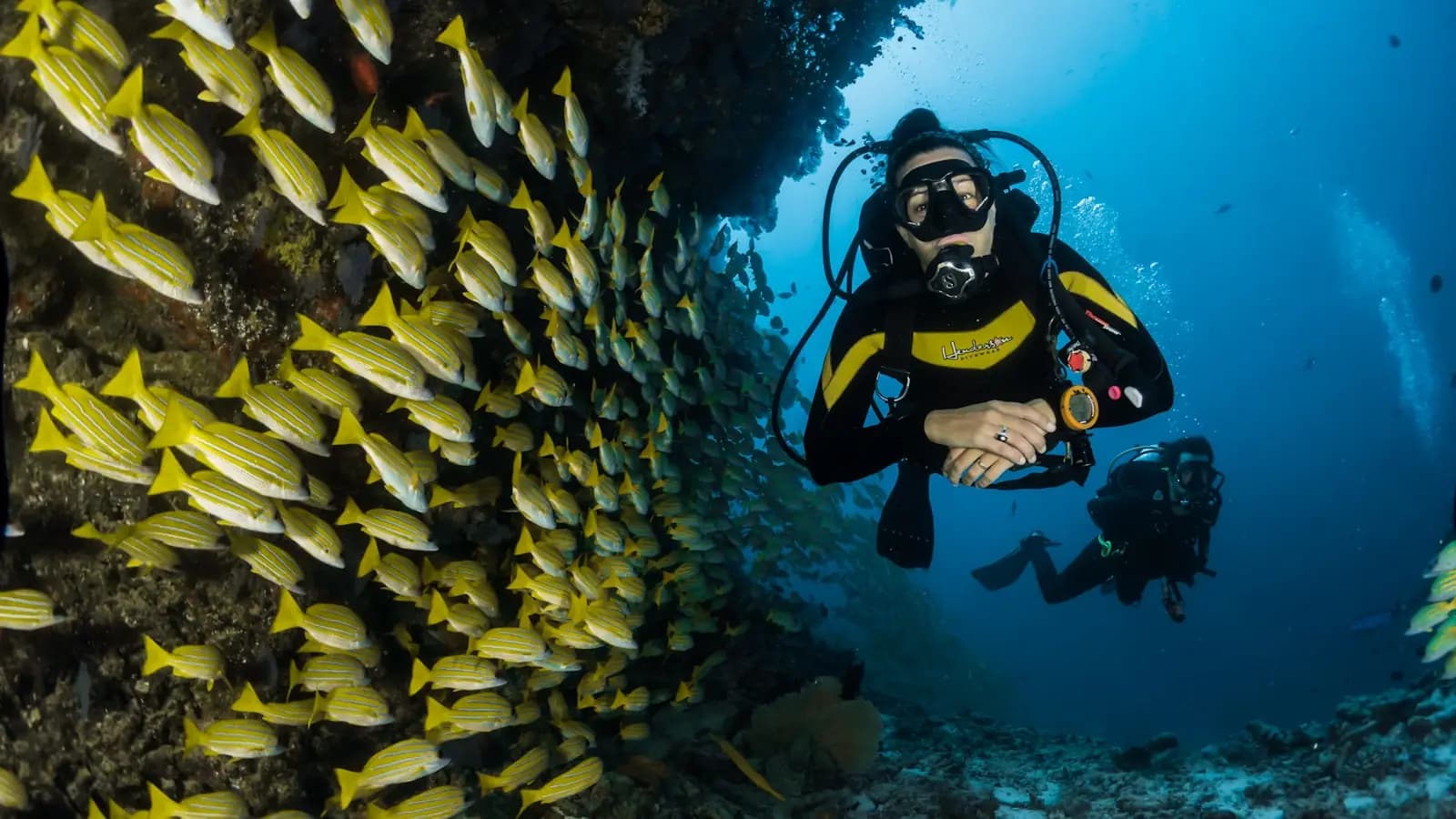
Key Largo is built around John Pennekamp Coral Reef State Park, established in the early 1960s as the first undersea park in the United States. The reef is about six miles offshore, so everything worth doing here involves a boat: snorkel trips, glass-bottom boat runs and dive charters leave from the park and from marinas along the highway. The submerged bronze Christ of the Abyss statue sits in about 25 feet of water on Key Largo Dry Rocks and is the single most photographed thing in the Keys.

Islamorada, half an hour further, is the fishing end: charter boats, sandbars, the tarpon feeding at Robbie's, and a sequence of bridges that make the drive itself worthwhile.

Marathon and the Seven Mile Bridge are about two and three quarter hours from Miami, which is the outer limit of a comfortable day.

Practical notes for any Keys day. Addresses run by mile marker, counting down from 106 at Key Largo to zero in Key West. There is essentially one road, so a crash anywhere on it closes your route with no detour available. Fuel is more expensive than on the mainland. And mosquitoes at dusk in the mangrove are a serious proposition from May to October.

North by train, which nobody expects

Brightline leaves from MiamiCentral downtown, and it is the most civilised day trip on this page because it involves no car at all.

Fort Lauderdale is around half an hour up the line. The station sits a short ride from Las Olas Boulevard, the Riverwalk and the beach, and the water taxi network along the New River and the Intracoastal is a genuinely good way to spend an afternoon.

West Palm Beach is a little over an hour, and the station is walkable to Clematis Street, the waterfront and the Norton Museum of Art, with Worth Avenue in Palm Beach across the bridge.

Orlando is about three and a half hours, which makes a theme park day technically possible and practically punishing. Treat it as a way to move between cities rather than as a day trip.

Fares vary with demand and how far ahead you book, with advance saver fares that have started around $39 and premium fares well above that. Booked late on a Friday, the train can cost more than the petrol. Booked two weeks out, it is the cheapest sensible way north.

The slower alternative is Tri-Rail, the commuter line, which is considerably cheaper, considerably slower, and runs from a station connected to Miami International Airport up through Fort Lauderdale to West Palm Beach. It is a fine option if the schedule suits and the budget is the constraint.

Driving out of Miami without losing two hours

Local tips

Leave before 7am or after 9:30am. Miami's morning peak is severe on every route out of the county, and the evening peak runs from about 4pm to 7pm. The difference between a 6:45am and an 8:15am departure for the Keys is close to an hour.

Tolls are electronic and there are no booths. Florida's Turnpike, the Dolphin and Airport Expressways and several other routes are cashless. Rental companies charge an administrative fee per toll day on top of the toll itself, which can quietly exceed the tolls. Ask what your rental's toll programme costs, and note that US-1 south to the Keys and the Tamiami Trail west to the Everglades are both toll-free.

Fuel before you go. Fuel in the Keys and at the edge of the Everglades is more expensive than in the city, and on the Tamiami Trail the gaps between stations are long.

Mobile coverage drops in the Everglades and in patches along the Overseas Highway. Download the maps before you leave.

Hurricane season runs 1 June to 30 November, with the peak from August to October. That matters for day trips mostly through afternoon thunderstorms, which are short and violent rather than all-day, and through the small risk of an evacuation order for the Keys, which is taken seriously and which visitors are asked to comply with first.

Sun and water. There is no shade on a boardwalk in the sawgrass or on a boat on the reef. Two litres per person and a hat is the floor, not the plan.

Book it

What you can book

We could not find tours matching this right now

Nothing came back for Key West day trip. Operators add and retire experiences constantly, so this list changes week to week. Try a broader category, or come back in a day or two.

Key West: read the schedule before you book

Before you book

Key West is 160 miles from Miami. The coach day trips typically run about three and a half hours each way with a comfort stop, leaving roughly six to seven hours on the island, inside a total day of about fifteen hours. That is the product. It is accurately described in the listings, and people still book it without doing the arithmetic.

What six hours in Key West buys you: Mallory Square, Duval Street, the Southernmost Point marker with its queue, a conch fritter, the Hemingway house if you move quickly, and possibly a snorkel or a glass-bottom boat if you bought the upgrade. What it does not buy you is sunset at Mallory Square, which is the reason most people want to go, because the coach leaves before it.

The alternatives, in order of how much better they are:

  • Stay a night. Even one night turns the drive into a journey and gives you the evening, which is the good part.
  • Fly. Short hops from Miami take under an hour and turn the day into something workable.
  • Go to Key Largo or Islamorada instead. One hour each way, the same water, the same bridges, a fraction of the driving.
  • Take the bus trip anyway, but sleep on the coach and treat the driving as the price of the photograph.

If you do take it: sit on the right-hand side heading south for the water views, bring a jumper for the air conditioning, and eat before Mallory Square rather than in the fifteen minutes before departure.

Which day trip suits your week

How they compare

TripEach wayBest seasonRough costSuits
Shark Valley, Everglades45 to 60 minDec to Apr$35 per vehicle, tram about $30 a headAnyone with half a day and a first look at the wetland
Ernest Coe and the Anhinga TrailAbout 1 hourDec to AprSame vehicle passWalkers, birders, photographers
Everglades City and Ten Thousand Islands1 hr 45Dec to AprBoat trips from around $45Mangrove, dolphins, a boat rather than a path
Biscayne National ParkAbout 50 minYear round, wind permittingFree on land; boat trips roughly $64 to $99Snorkellers and anyone who likes an empty park
Key Largo1 to 1 hr 15Year roundPark entry plus a boat tripThe best Keys day within reach
IslamoradaAbout 1 hr 45Year roundCharter-dependentFishing, sandbars, a slower pace
Key West by coach3 hr 30Nov to AprCoach trips commonly under $100Ticking it off, with eyes open
Fort Lauderdale by BrightlineAbout 30 minYear roundFrom about $39 return if booked aheadA day with no driving at all
West Palm Beach by BrightlineAbout 1 hr 10Year roundFrom about $39 each way if booked aheadMuseums, shopping, a change of pace

If you only have one day spare, take the Everglades. It is the closest, the cheapest, the most distinctive and the one thing near this city that exists nowhere else.

On the ground

Where to go

Every place below has its own page — hours, parking, what it costs and what to expect when you get there.

  • Open sawgrass prairie stretching flat to the horizon under a tall sky of building cumulus cloud

    Nature preserve

    Everglades National Park

    A river 60 miles wide moving at the speed of a walking ant, with three entrances that do not connect to each other.

    4–10 hoursA single vehicle pass covers all three entrances for seven consecutive days. Expect somewhere in the region of $30–35 per vehicle, with lower rates for motorcycles and for arriving on foot or by bike.

  • A narrow paved road running straight through flat open wetland grass towards a distant horizon

    Trail

    Shark Valley

    A flat 15-mile loop road into open sawgrass with an observation tower at the far end and alligators lying on the verge.

    2.5–5 hoursEverglades National Park entrance pass required — typically in the region of $30–35 per vehicle, valid seven days at all three park entrances. The tram tour is a separate concessionaire ticket.

  • A tall white brick lighthouse standing above low coastal scrub against a clear sky

    Park

    Bill Baggs Cape Florida State Park

    A state park at the tip of Key Biscayne built around an 1825 lighthouse, a mile of east-facing sand and a harbour full of boats.

    2.5–6 hoursFlorida state park entry, charged per vehicle. Expect around $8 for a car with two to eight people, roughly half that for a single occupant or motorcycle, and a small per-person fee for pedestrians and cyclists.

  • A long causeway bridge curving across shallow bay water towards a low green island
    Free

    Neighbourhood

    Key Biscayne

    One causeway, two big parks and a village in between — the island Miami drives to when it wants the ocean without the noise.

    3–8 hoursThe village and its streets are free. You pay an eastbound causeway toll to drive on, and a per-vehicle entry charge at each of the two parks.

  • A small boat on flat shallow turquoise water with low green islands on the horizon
    Free

    Nature preserve

    Biscayne National Park

    A national park that is 95 percent water: mangrove shoreline, a bay, the northernmost Florida Keys and a living coral reef.

    1.5–7 hoursFree. There is no entrance fee for Biscayne National Park and parking at Convoy Point costs nothing. Boat trips, snorkelling, diving and island camping are charged separately.

  • A stone Mediterranean-revival house with arched loggias seen across a lawn under palms

    Historic site

    Deering Estate

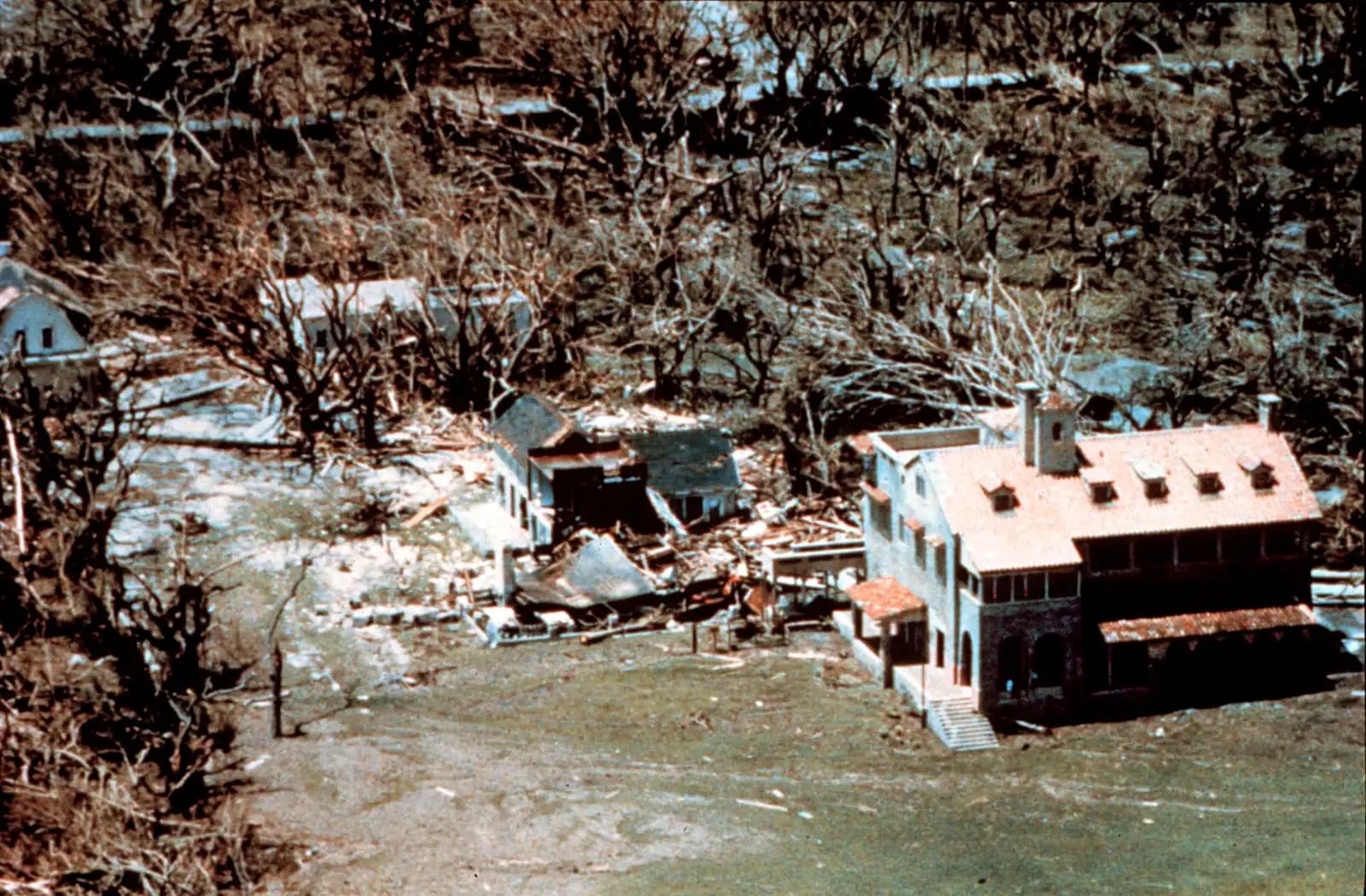
    Charles Deering's bayfront estate: an 1896 pioneer hotel, a 1922 stone house, and a Paleoindian fossil site in the pine rockland behind.

    2–4 hoursAround $18 for adults and roughly $10 for children, including the house tours and the guided nature walk when running. Young children generally free.

  • A calm circular saltwater pool ringed by sand and mangrove with a distant city skyline

    Park

    Matheson Hammock Park

    A man-made tidal pool cut into the mangrove edge in the 1930s, flushed by the bay and framed by the downtown skyline.

    2–5 hoursA per-vehicle parking charge at the gate, higher at weekends. Entry on foot or by bicycle is free. Boat ramp and marina use are charged separately.

Straight answers

Questions people actually ask

What are the best day trips from Miami?

The Everglades first, because Shark Valley is under an hour west and nothing else near this city resembles it. Then Biscayne National Park, about 50 minutes south, which needs a boat. Then Key Largo and Islamorada in the Upper Keys, one to two hours down US-1 with reef snorkelling at the end. Fort Lauderdale and West Palm Beach are 30 and 70 minutes north by Brightline with no car involved.

How far is the Everglades from Miami?

Closer than most visitors think. The Shark Valley entrance on the Tamiami Trail is about 25 miles west of downtown, which is 45 minutes to an hour door to door. The Ernest Coe entrance near Homestead, for the Anhinga Trail and the road to Flamingo, is about an hour south. Everglades City and the Ten Thousand Islands, at the Gulf end, are about an hour and three quarters.

Can you do Key West as a day trip from Miami?

You can, and you should know what it involves: about three and a half hours each way, six to seven hours on the island, and roughly a fifteen-hour day. The coach leaves before sunset at Mallory Square, which is the part most people want. Better options are an overnight stay, a short flight, or swapping Key West for Key Largo, which is an hour away with the same water.

Do airboat tours run inside Everglades National Park?

Not in the park's main visitor areas. There are no airboats at Shark Valley, at Flamingo or at the Gulf Coast entrance. The airboat operators near Miami run along the Tamiami Trail corridor, on Miccosukee land, on private wetland and at three long-established concessions grandfathered in when the 1989 expansion act brought the East Everglades into the park. An airboat is a wetland ride, not a way to see the national park.

What is the best time of year for an Everglades day trip?

December to April, the dry season. Water levels drop, wildlife concentrates around the remaining sloughs, and alligators, wading birds and turtles are far easier to see. Mosquitoes are also at their least aggressive. From May to October the park is hot, wet and heavily mosquito-ridden, the wildlife disperses across flooded ground, and afternoon thunderstorms are near-daily.

How do you visit Biscayne National Park?

By boat, realistically. About 95 per cent of the park is water, and the land experience at the Convoy Point visitor centre near Homestead, roughly 50 minutes from downtown, amounts to a short trail and a jetty. The park's own non-profit institute runs snorkel trips at around $64, small-group snorkel experiences nearer $99, and a Boca Chita island heritage cruise that has run at about $83.

Do you need a car for day trips from Miami?

For the Everglades, Biscayne and the Keys, either a car or a booked tour, since none of them is served by public transport. For Fort Lauderdale and West Palm Beach you do not: Brightline runs from MiamiCentral downtown in about 30 and 70 minutes, and the slower Tri-Rail commuter line covers the same corridor more cheaply from a station connected to Miami International Airport.

How much does a day trip from Miami cost?

Everglades entry is around $35 per vehicle for seven days, with the Shark Valley tram roughly $30 a head on top. Biscayne boat trips run about $64 to $99. Key Largo costs park entry plus a snorkel trip. Key West coach day trips commonly come in under $100 before upgrades. Brightline advance fares have started around $39. Against a citywide median tour price near $89, most of these are good value.