Haulover is a long, unglamorous, genuinely good county beach on the barrier island north of Bal Harbour, and it is best known for one thing, so let us state it plainly. The northern portion of Haulover Beach is a clothing-optional beach, designated as such by Miami-Dade County. It is legal, it is lifeguarded like the rest of the park, it has its own concession and its own parking lot, and it is signposted. Roughly the northern third of the sand, between the lifeguard towers at that end, is where clothing is optional; south of it, it is an ordinary family beach. Nudity outside the designated section is not permitted.
That is the whole of the controversy, and it has been operating this way for decades. Volunteers at the north end brief newcomers on etiquette — no photography, no staring, sit on a towel — and the atmosphere is far more mundane than the reputation suggests.
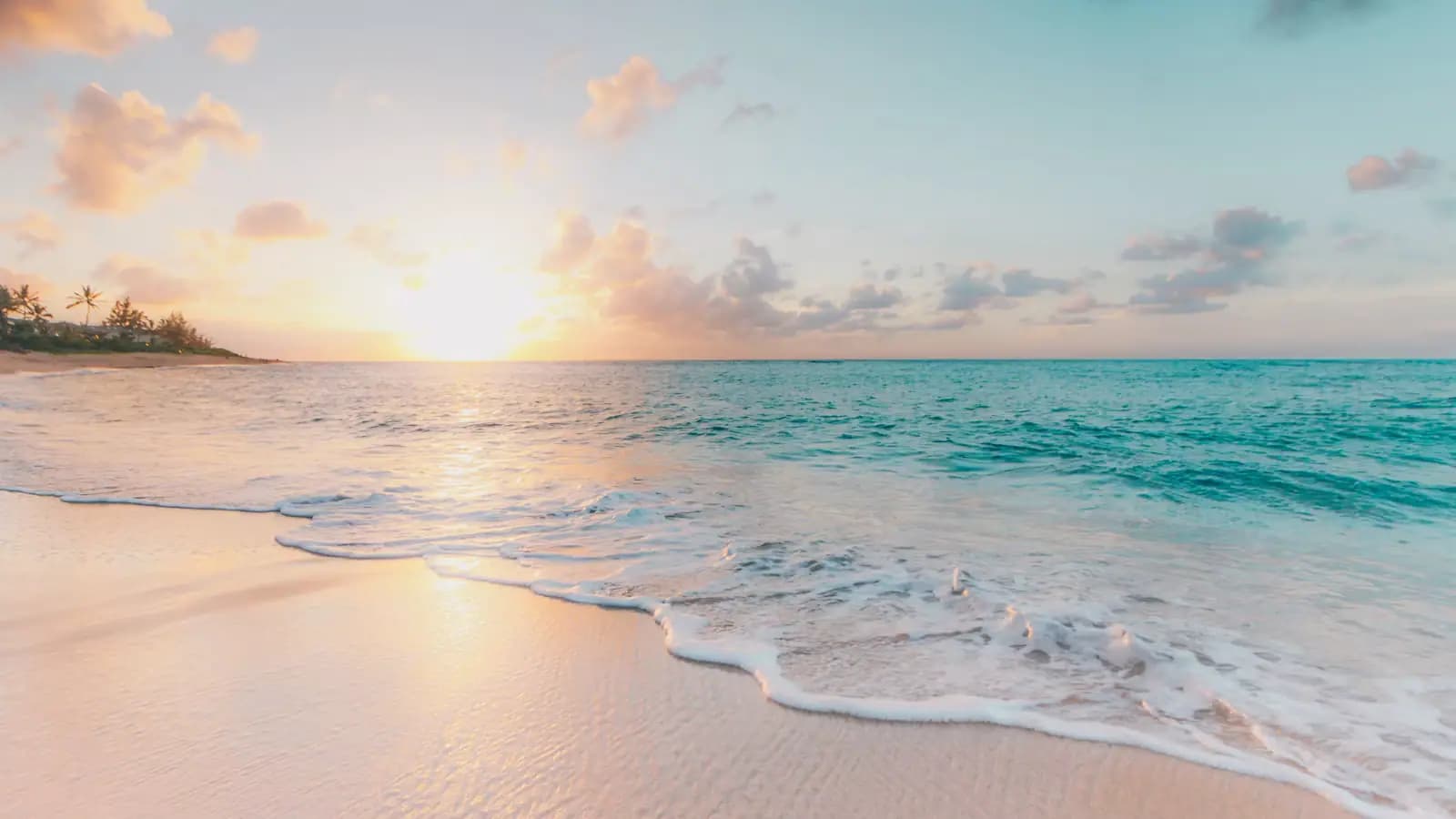
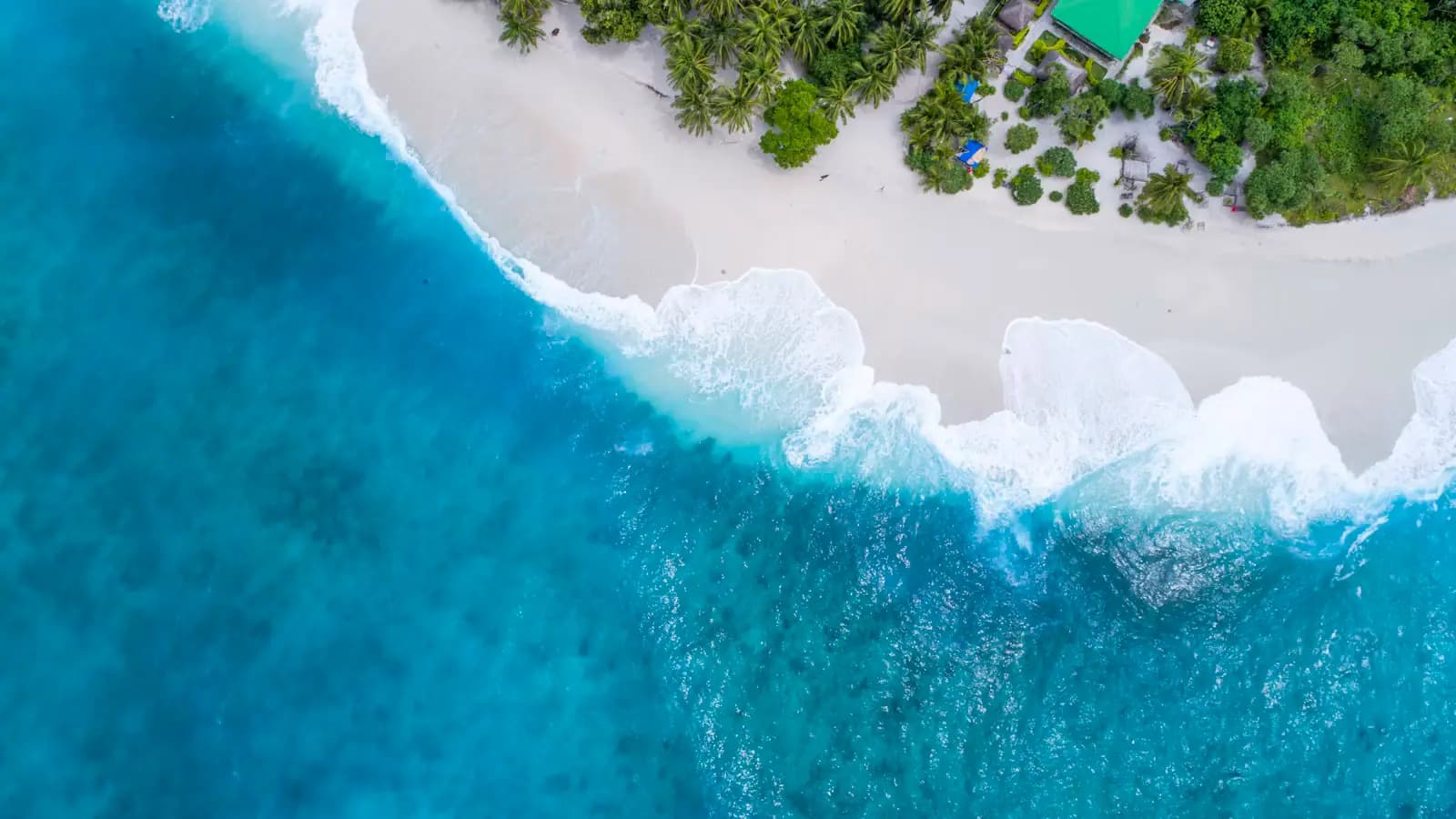
The rest of the park is the part visitors overlook. It runs about a mile and a half along Collins Avenue with wide, well-maintained sand, a proper dune line, lifeguard towers along its length, picnic groves under Australian pines, a kite shop that has made this the best kite-flying beach in the county, and a marina on the Intracoastal side. There is a golf course across the road and a dog-friendly area within the park.
It also carries a piece of history that the city has been slow to mark. In May 1945, Black Miamians staged a planned wade-in here, at a beach where they were not permitted, with legal representation standing by. The county's response was not to desegregate but to designate a separate beach on Virginia Key, which opened that August. Haulover is where that began.
To the north is Sunny Isles Beach and its wall of towers. To the south, Bal Harbour. Haulover is the gap between them, and it is the last large undeveloped stretch on this island.