Sun. The UV index in Miami is high every month of the year, not only in summer, and the sea breeze hides it completely. Reef-safe sunscreen reapplied every two hours, rash vests for children in the water, hats, and shade between roughly 11am and 3pm. A first-day burn costs you the rest of the trip.
Heat. From June to September the heat index regularly passes 100°F. Small children overheat faster than adults and complain later. Carry more water than seems reasonable, and treat the afternoon as indoor time rather than a negotiation.
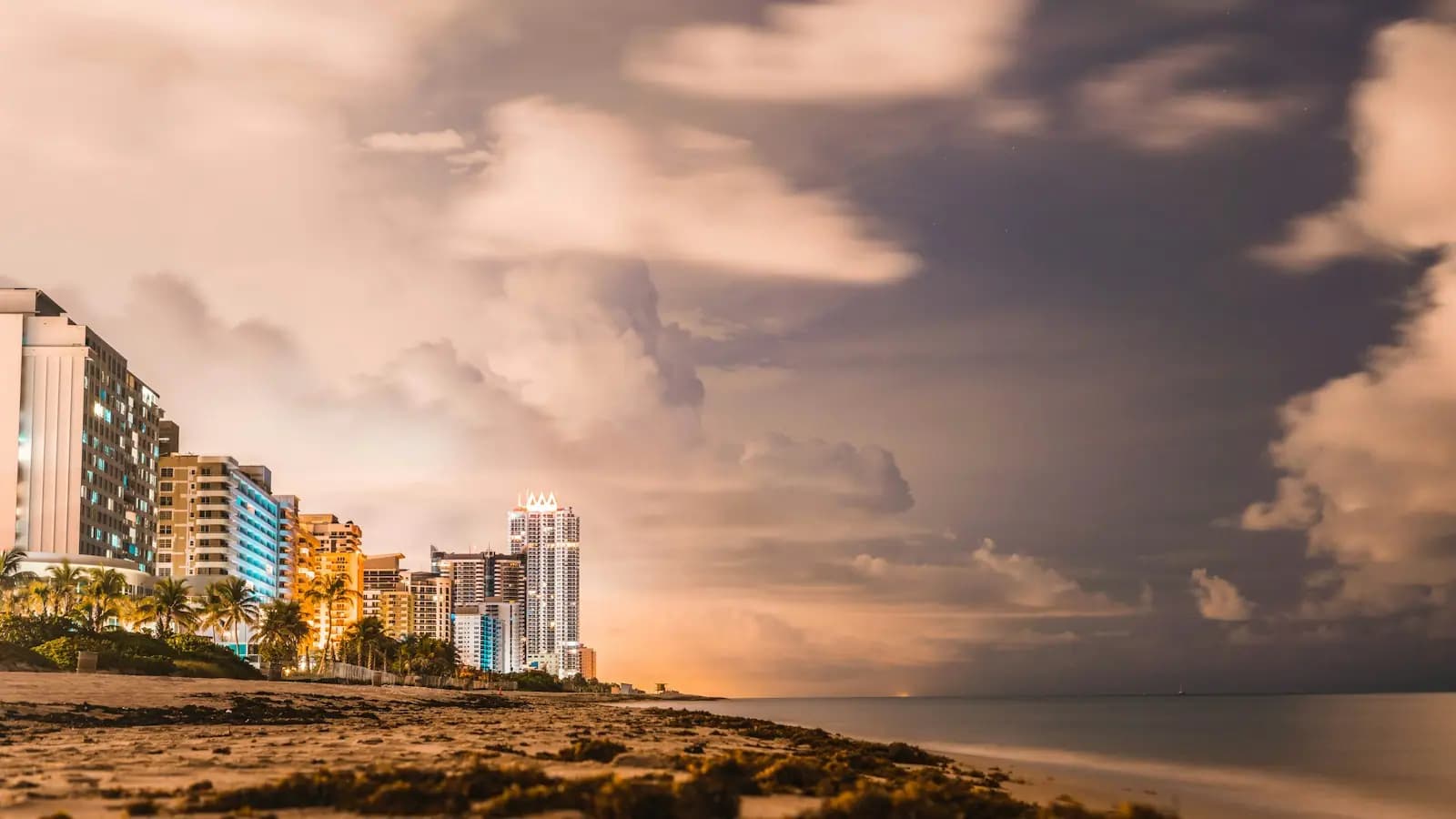
Afternoon thunderstorms. In the wet season a typical day is bright and hot until mid-afternoon, then a violent thunderstorm for thirty to sixty minutes, then clear again. Lightning is the real risk, not the rain: Florida has more lightning strikes than any other state, and beaches and open parks clear when the sirens sound. Get off the sand and out of the water when you hear thunder, and wait it out somewhere solid.
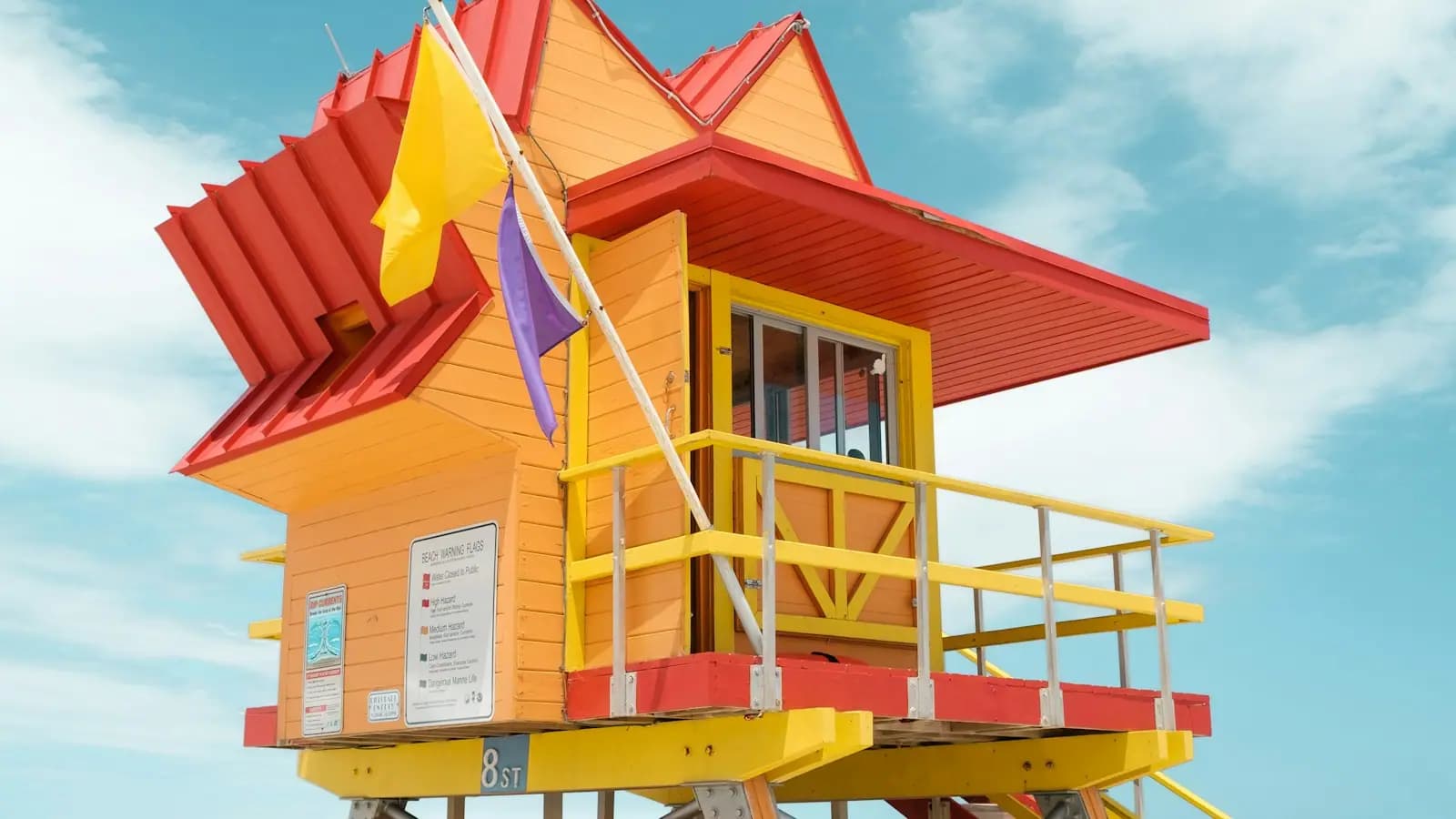
Rip currents. The ocean side has them, particularly around the piers and jetties and on windy days. Swim near a lifeguard stand and read the flag. Purple means marine pests, usually jellyfish or man o' war, which is worth knowing before a child runs in.
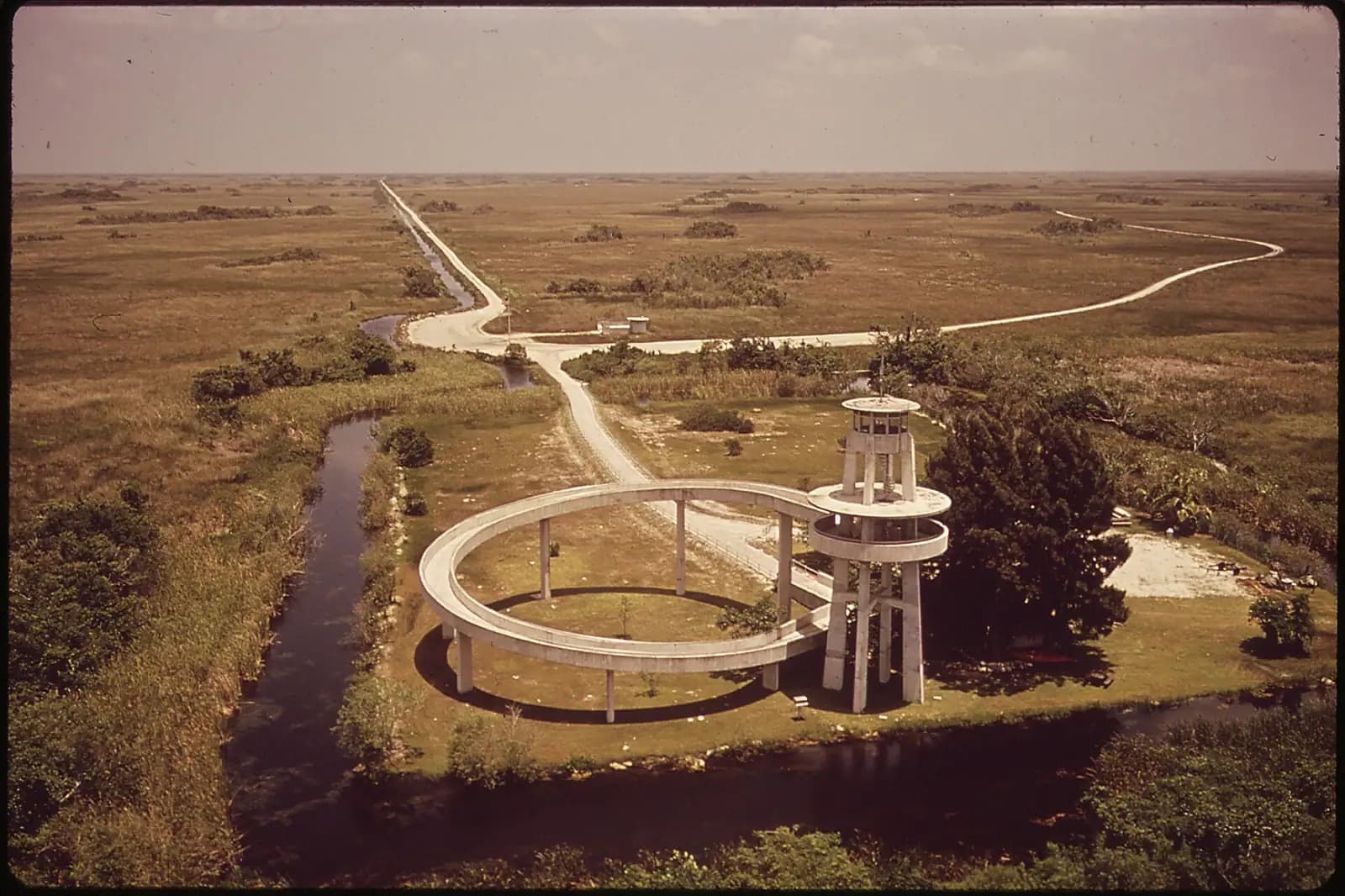
Mosquitoes. In the Everglades in the wet season they are a condition rather than an inconvenience. Long sleeves and repellent, or go between December and April.
Car seats and rideshare. Rideshare vehicles in Florida do not carry child seats by default. If you are not renting a car, sort this out before you land rather than at the kerb at MIA.
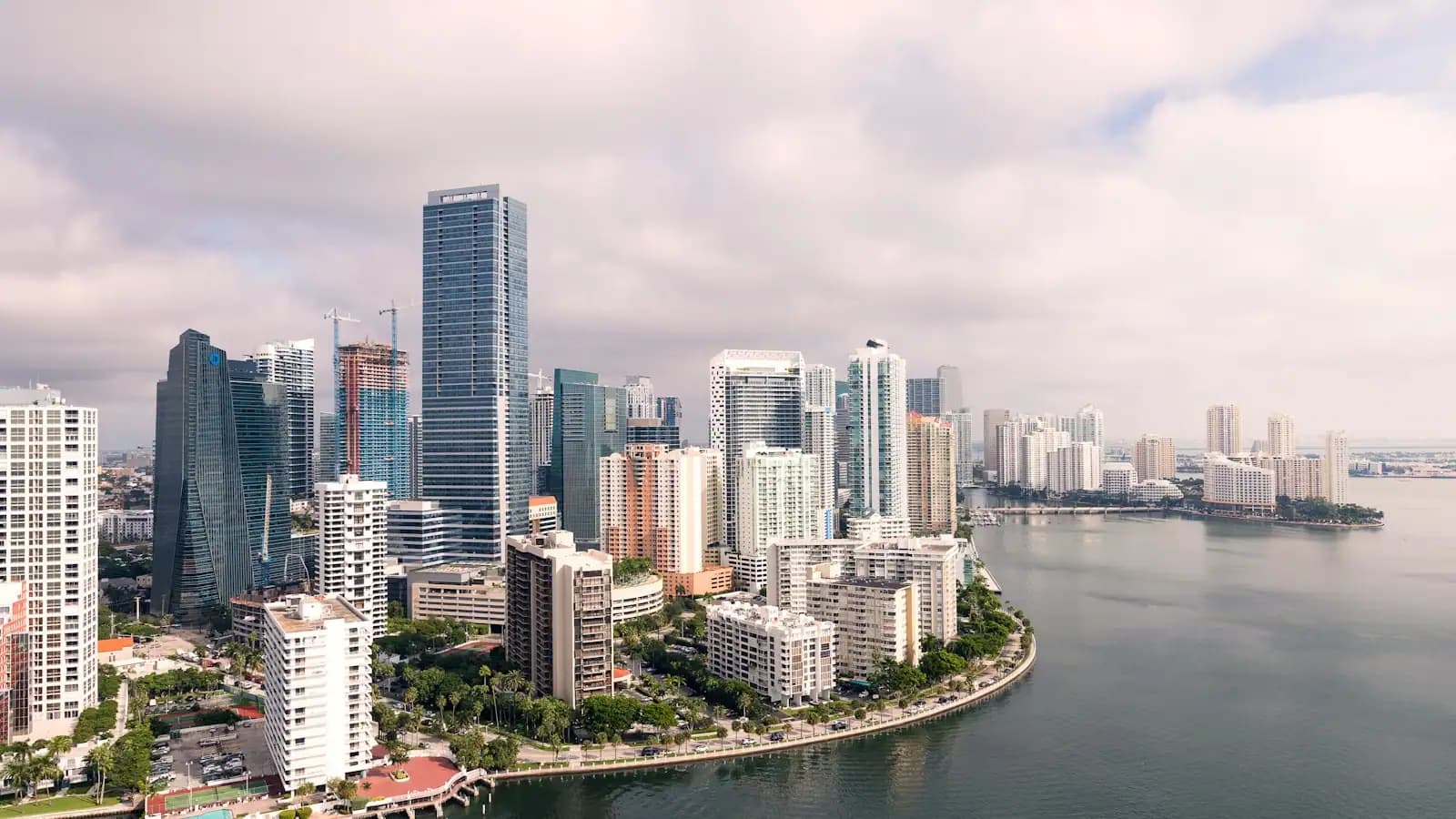
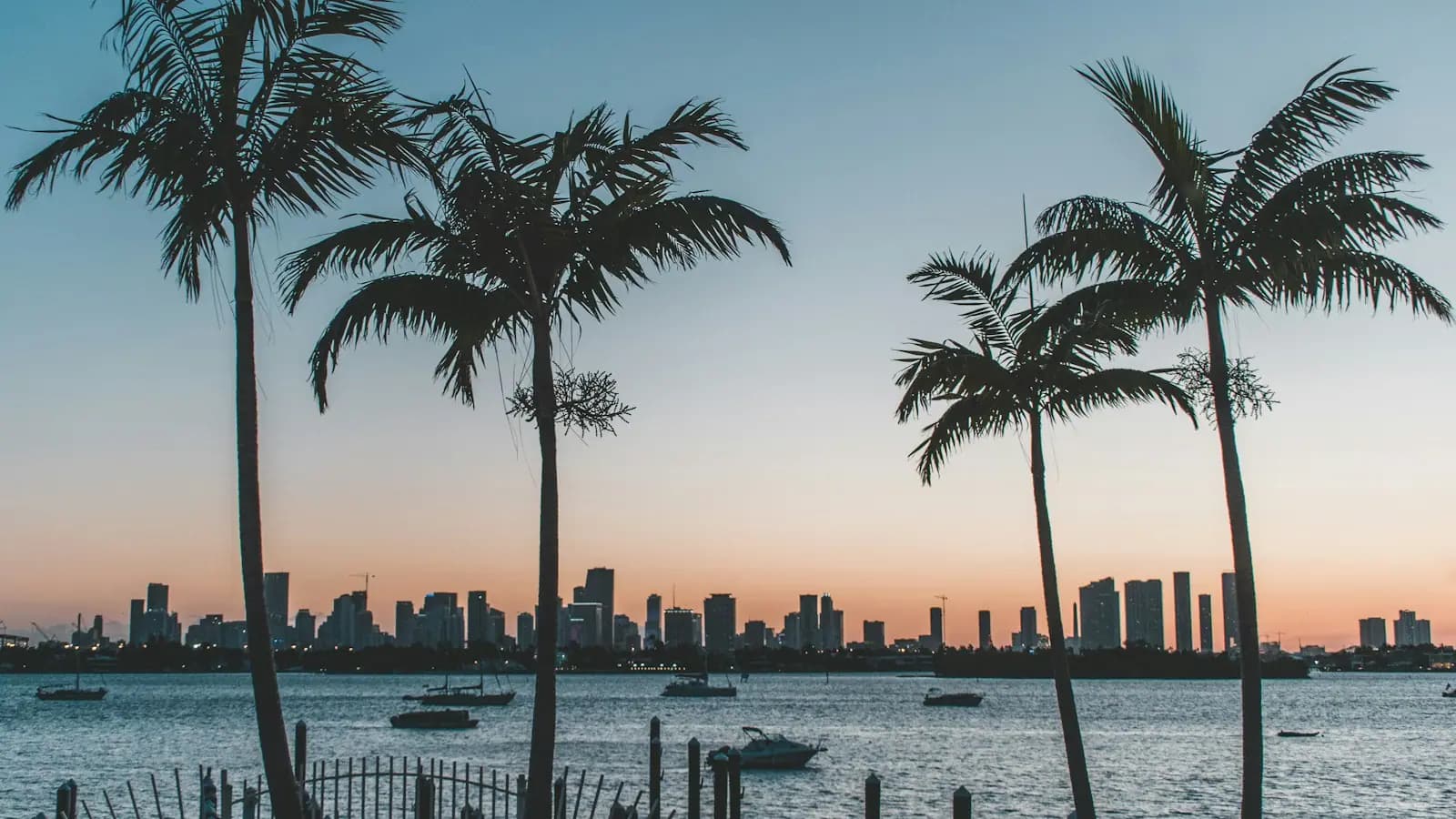
The causeways. Crossing between Miami and Miami Beach twice in a day with children is the most common self-inflicted wound on a family trip here. Pick a side per day.