Skip to content
Search
Menu

We earn a commission if you book through this link. You pay the same price.

A snorkeller above a shallow patch reef with sea fans and small reef fish in clear Atlantic water

Things to Do

Snorkeling and Diving off Miami

Last updated

Snorkeling and diving in Miami: why the reef is offshore, Biscayne National Park, the wreck trek, Neptune Memorial Reef, visibility and real prices.

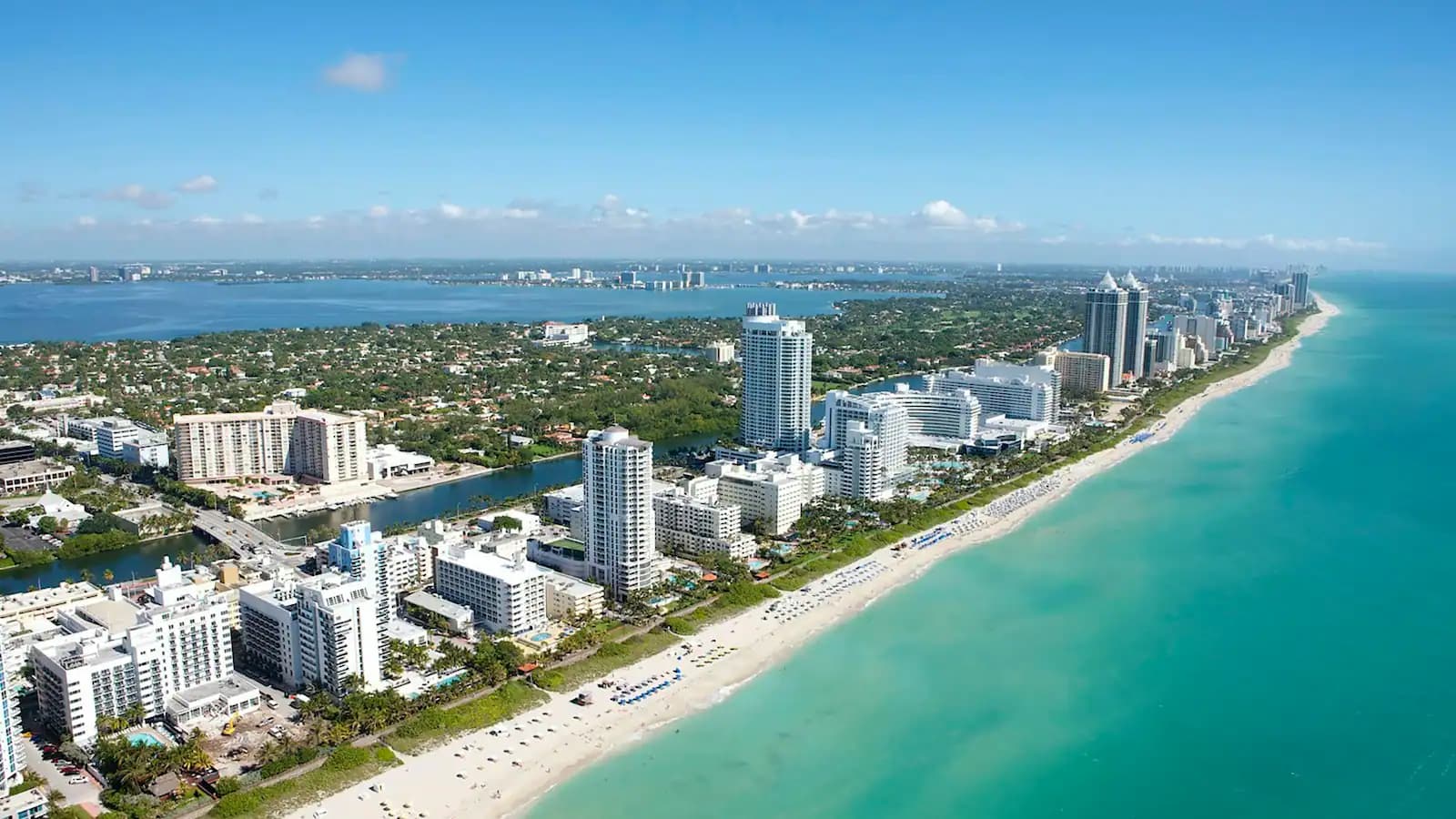
Here is the thing nobody selling a Miami snorkel trip will tell you first: there is no good shore snorkelling in Miami. None. The beaches are sand, the bay is a seagrass estuary with visibility measured in feet, and the living reef sits three to six miles offshore in 15 to 60 feet of water. If you arrive imagining you will walk into the Atlantic off South Beach and find coral, you will be disappointed, and a lot of people are. Everything worth doing here involves a boat.

That said, what is out there is genuinely significant. Florida's Coral Reef is the third largest barrier reef system in the world and the only one along the continental United States, running roughly 350 miles from the Dry Tortugas up to Martin County, and its northern reaches lie directly off Miami-Dade. Biscayne National Park, which begins a few miles south of Key Biscayne, protects the northernmost living coral reefs of that tract, along with a chain of undeveloped keys and a shipwreck trail. Emerald Reef, Fowey Rocks under its 1878 lighthouse, and the patch reefs off Key Biscayne are all within a 20 to 40 minute boat ride of Crandon Marina.

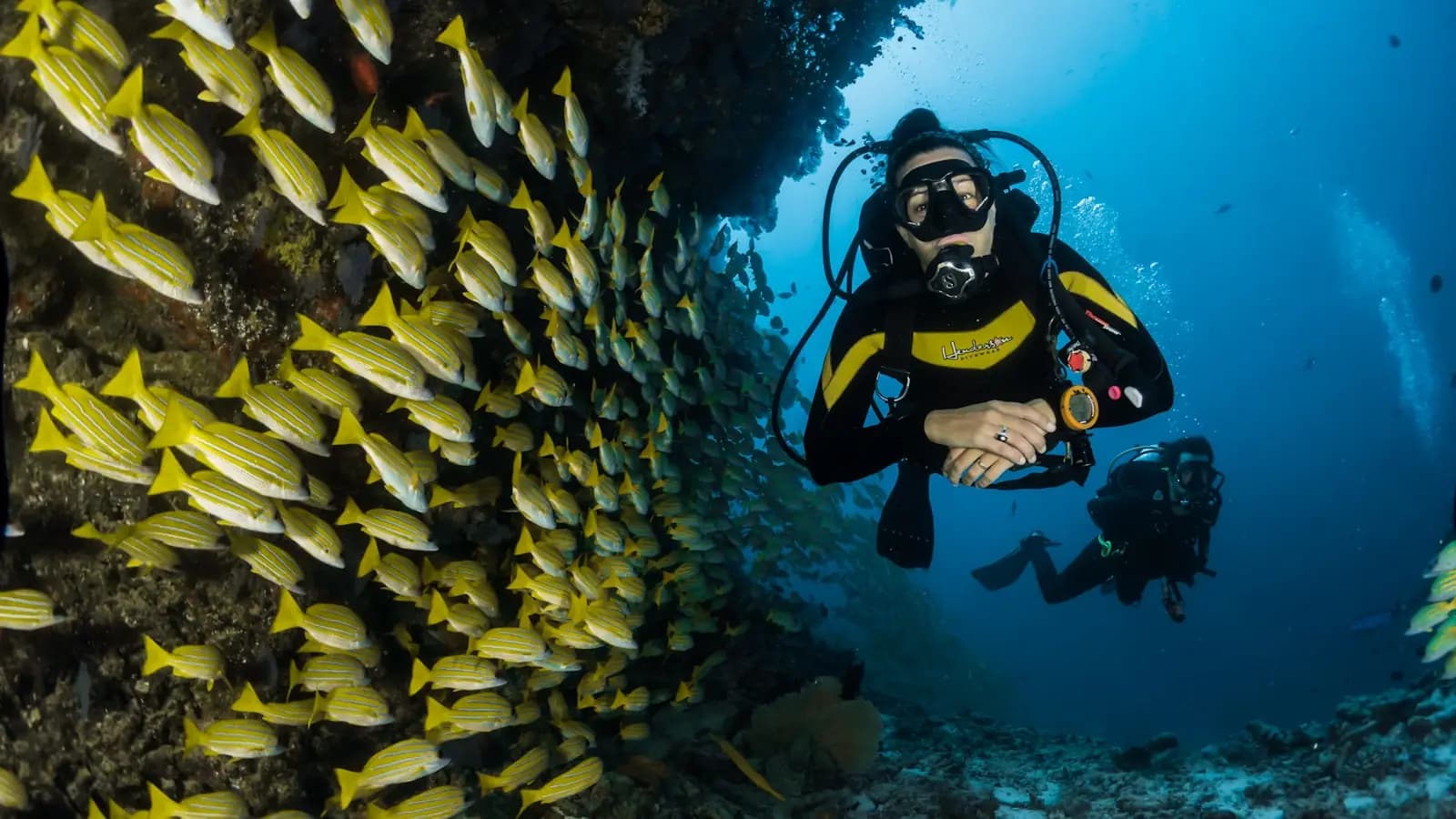
Miami's other underwater asset is entirely artificial, and it is unusually good. Miami-Dade County has run one of the largest artificial reef programmes in the United States for decades, deliberately sinking ships, barges, concrete and radio towers to build structure on an otherwise flat sand bottom. The result is a cluster of accessible wrecks off Key Biscayne and Miami Beach that divers call the Wreck Trek, most of them in 40 to 90 feet, and the Neptune Memorial Reef, an underwater columbarium three and a bit miles east of Key Biscayne at around 40 feet, laid out like a submerged classical city with the cremated remains of well over a thousand people set into its structures. It is the strangest dive in Florida and it is a very good one.

Now the honest part, because this site does not do brochure copy. Florida's reef is in serious trouble and Miami is where the current chapter began. Stony coral tissue loss disease was first identified near Virginia Key in the autumn of 2014, spread north and south along the entire tract within three years, and has since reached more than twenty Caribbean countries. The 2023 marine heatwave then pushed water temperatures off South Florida past anything on record and bleached a great deal of what was left. You will still see fish, sea fans, sponges, turtles and rays in numbers. You will not see the coral cover that photographs from the 1980s show, and any operator implying otherwise is selling nostalgia.

Which leads to the practical recommendation. For a first-rate snorkel day, most people should drive to Key Largo, about 70 miles and an hour and a half south, where John Pennekamp Coral Reef State Park has been protecting reef since 1963 and the shallow spur-and-groove formations are better developed than anything off Miami-Dade. For a Miami day, book a boat to the Key Biscayne patch reefs or a Biscayne National Park trip from Convoy Point, and go for the wrecks, the water clarity on a flat summer morning and the fact that you will have far fewer boats around you.

Our picks

The ones we would book

  • Editor's Pick

    Best half-day snorkel from the city

    Why we chose it

    A boat out of Key Biscayne to the patch reefs and Emerald Reef puts you over living structure 20 to 30 minutes after leaving the dock, in 10 to 25 feet, which is shallow enough for the light to be good and for a nervous swimmer to touch bottom. Morning departures, before the sea breeze builds, are a different trip from afternoon ones.

    Little Havana Food and Walking Tour in Miami
    Editor's PickFree cancellationSmall group

    Small Group

    Little Havana Food and Walking Tour in Miami (opens in a new tab)

    9.9K reviews

    Join us on a culinary and cultural walking tour of Little Havana where you will discover the traditions, history, music and flavors of…

    2–3 hours

    Prices checked

    from $69.99
  • Best for Beginners

    Best first time in a mask

    Why we chose it

    Look for a trip with a guide in the water rather than a briefing from the deck, vests supplied as standard, and a shallow first site. Miami's patch reefs are forgiving: 10 to 20 feet, little current on a calm morning, and enough fish that a first-timer surfaces grinning. Skip anything advertised as a drift snorkel on your first day.

Bear Cut: the fossil reef you can walk on

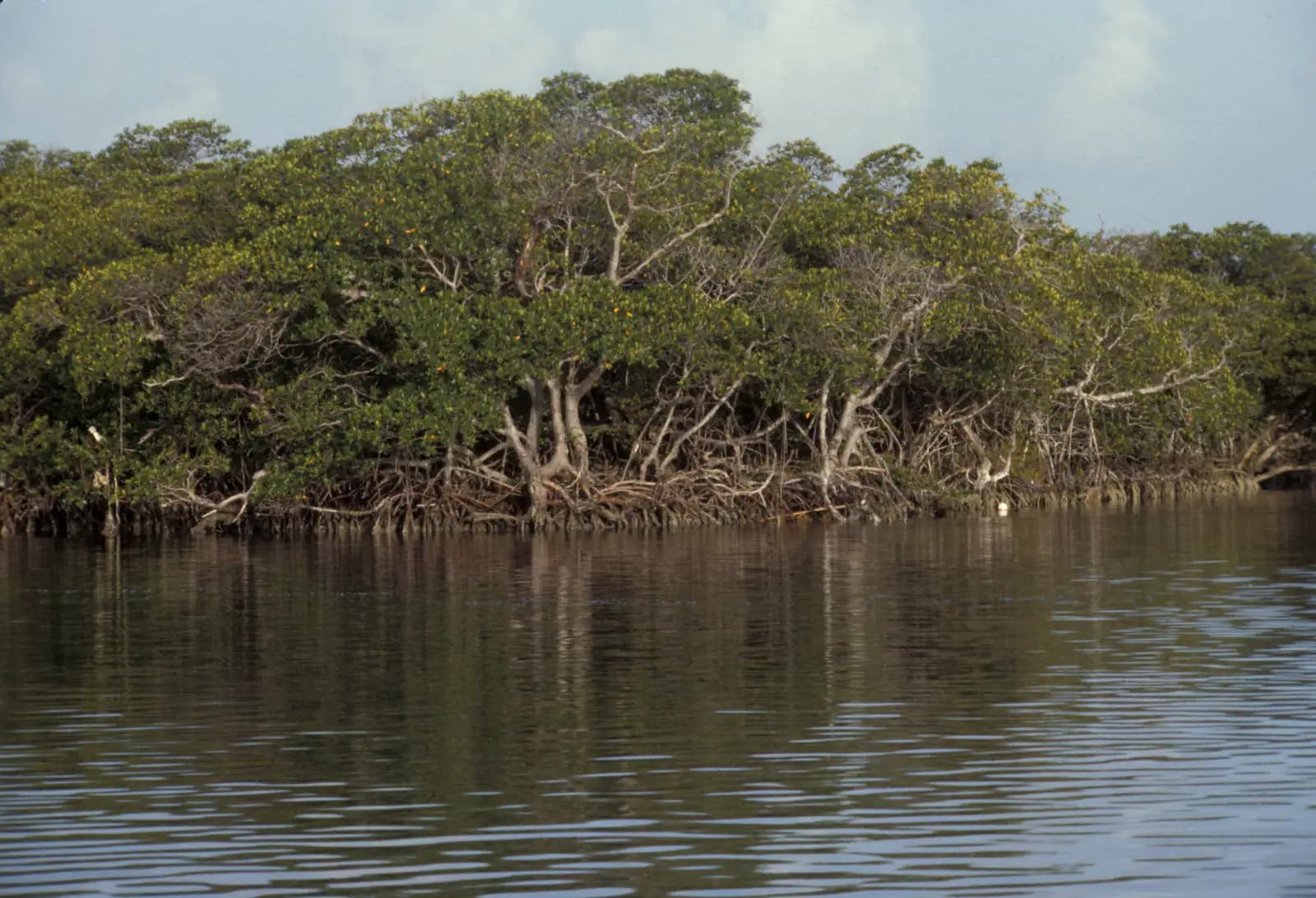
At the northern end of Crandon Park on Key Biscayne, the 165-acre Bear Cut Preserve holds something genuinely rare: a fossilised black mangrove reef, roughly 6,000 years old, exposed in the tidal zone along the shoreline.

It is not coral. It is the petrified root system of an ancient mangrove forest, and the accepted explanation is that as the roots decayed they released gases which, in seawater, produced a mild acid that cemented the surrounding sand into rock around them. Geologist John Edward Hoffmeister described it as the first reported occurrence of fossilised mangrove roots anywhere. Hurricane Betsy stripped the sand off it in 1965 and put it on view.

You need low tide, and you need to check the tide table before you drive out, because at high water the whole thing is submerged and invisible. The Marjory Stoneman Douglas Biscayne Nature Center sits at the entrance to the preserve and runs guided walks; going with one of their naturalists is considerably better than standing on rock wondering what you are looking at.

The same preserve has mangrove trails, seagrass flats and a good chance of rays, small sharks and juvenile fish in the shallows at Bear Cut itself. It is free beyond the Crandon parking fee, it takes an hour, and it is the only place in Miami where you can stand on a reef without a boat.

Diving: wrecks, structure and the artificial reef programme

Miami's natural bottom is largely flat sand and low relief, which is exactly why the county has spent decades putting things on it. The artificial reef programme has deliberately sunk freighters, tugs, barges, retired radio towers and thousands of tons of concrete and limestone boulders across Miami-Dade waters, and the result is a dive scene built around structure rather than coral gardens.

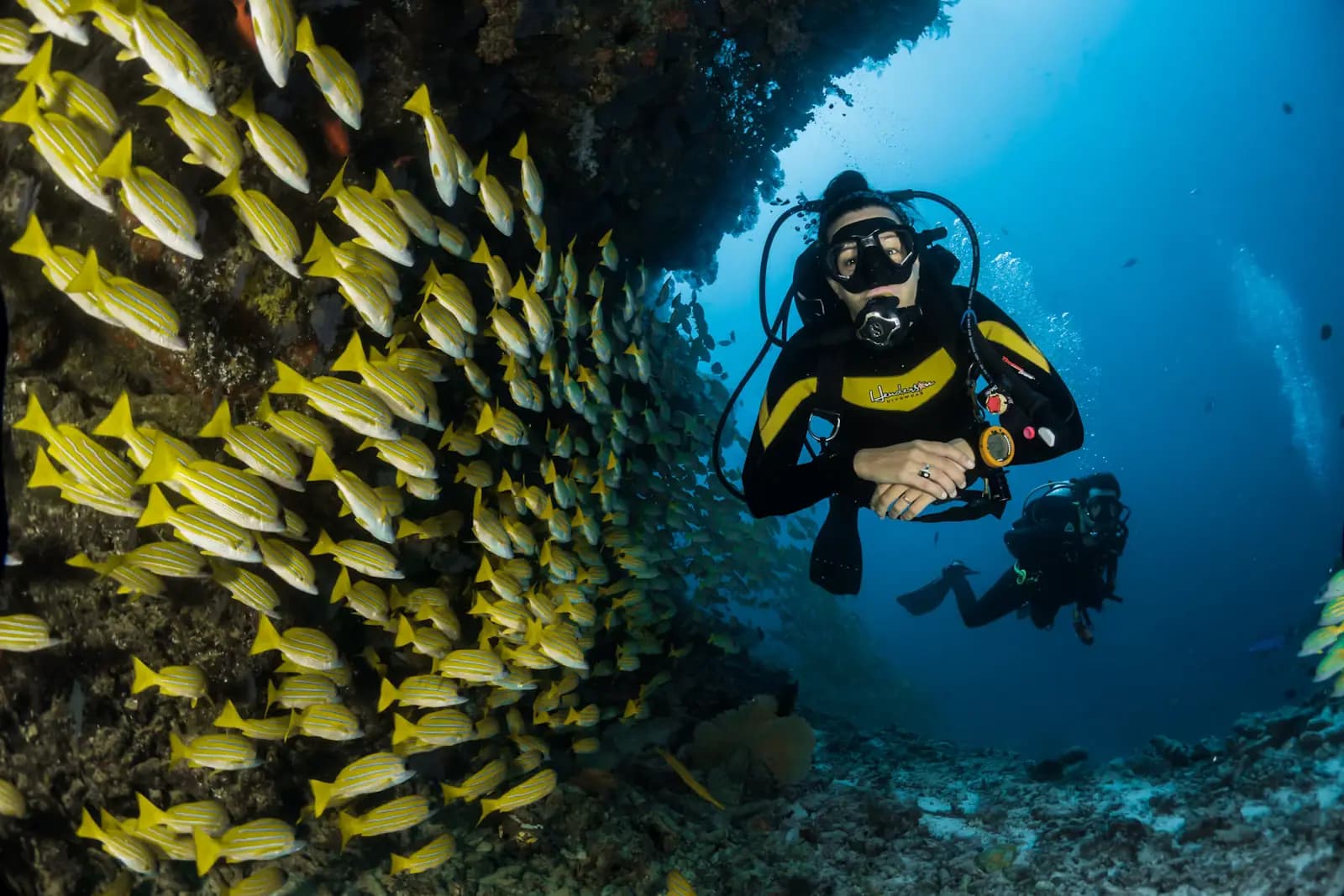
The Wreck Trek, off Key Biscayne, is a cluster of artificial sites within a short run of each other, including tugs, a steel barge and an old antenna array, in depths that mostly suit advanced open water divers. A boat can put you on two or three in a morning.

Larger wrecks in the region sit deeper, in 70 to 100 feet and beyond, and several were sunk intact. Depth dictates short bottom times, so a two-tank morning is the standard format.

Neptune Memorial Reef, at around 40 feet and a little over three miles east of Key Biscayne, covers more than 600,000 square feet and is the largest structure of its kind anywhere. Columns, arches and gates in a loosely classical arrangement, with cremated remains cast into the concrete. It is a burial place as well as a dive site, and operators brief accordingly. Visibility there is often among the best on the local schedule.

Certification and try-dives. Miami has a dense dive-shop network, mostly in Key Biscayne, Miami Beach and along Biscayne Boulevard. A Discover Scuba session in a pool plus a shallow dive runs half a day; a full open water certification is three to four days and can be split between a pool here and open water in the Keys.

Lionfish are established across these reefs, and some operators run removal dives. If you want a dive with a purpose, ask.

What it costs

What it costs

Bands, not quotes. Confirm with the operator, and check whether gear is included, because that is where prices diverge.

  • Half-day snorkel trip from Key Biscayne or Miami Beach: roughly $60 to $110 a person including mask, snorkel, fins and a vest. Two sites in three to four hours is typical.
  • Biscayne National Park snorkel or paddle programme: about $70 to $180 depending on the trip, run through the park's non-profit partner with small groups and limited departures. Book ahead.
  • Two-tank certified dive: roughly $100 to $180 a person for the boat, plus $30 to $60 for full gear hire if you do not have your own. Tanks and weights are usually included in the boat price.
  • Neptune Memorial Reef dive: priced as a standard two-tank trip by most operators.
  • Discover Scuba, half day: around $150 to $250 including everything.
  • Open Water certification: roughly $450 to $700 depending on how much is done locally versus in the Keys.
  • Key Largo day trip from Miami: a Pennekamp snorkel boat is about $40 to $60 a person for the trip plus park entry, and the drive is the real cost at three hours round trip.
  • Underwater camera hire: $25 to $60 a day.

Miami's median bookable tour is around $89, and snorkel trips sit close to it while dive charters run above it. Tipping crew 15 to 20 percent is customary on both.

Visibility, seasons and the days not to go

When to go

Summer is the better season underwater, which is the opposite of the tourist calendar. From late May through September the winds are lightest, the sea is flattest and visibility off Miami is at its best, frequently 50 to 80 feet and occasionally more. The trade-off is heat, afternoon storms and hurricane season from 1 June to 30 November.

Winter fronts blow out the ocean. From December through March a passing front can put 15 to 25 knots of north wind on the water for two or three days, which stirs the bottom, drops visibility and cancels boats. Bay trips keep running; reef trips do not.

Go in the morning. First departures are flatter, clearer and less crowded, and the light at 20 feet is better before the sun is overhead in the way that matters for photography.

Check the wind, not the forecast temperature. Anything above about 15 knots from the east or north-east will make a reef day unpleasant even if the sun is out.

After heavy rain, the bay flushes, which drops inshore visibility and raises bacteria counts. Give it a day.

Water temperature runs roughly 73F in February to 86F in August. A 3mm shorty is comfortable in winter; in August most people dive in a rash guard.

Book with free cancellation between December and March. Blown-out days are common and a refundable booking saves the argument.

Book it

Everything else we track

We could not find tours matching this right now

Nothing came back for snorkeling Miami. Operators add and retire experiences constantly, so this list changes week to week. Try a broader category, or come back in a day or two.

Where to actually get in the water

How they compare

Five options, and they are not interchangeable.

SiteDepthGetting thereBest for
Key Biscayne patch reefs and Emerald Reef10–25 ft20–30 min boat from Crandon or HauloverSnorkelling close to the city, first-timers, half-day trips
Biscayne National Park reefs and Maritime Heritage Trail5–60 ftBoat from Convoy Point, HomesteadSnorkelling and diving with almost no crowds, wrecks, park programmes
The Wreck Trek and artificial reefs40–90 ft20–40 min boat off Key Biscayne and Miami BeachCertified divers, structure, big fish, photography
Neptune Memorial Reef~40 ft3.25 miles east of Key BiscayneCertified divers wanting the most unusual site in Florida
John Pennekamp, Key Largo6–30 ft70 miles, ~90 min driveThe best snorkelling reachable from Miami in a day

Biscayne National Park's Maritime Heritage Trail deserves its own line: six shipwrecks spanning roughly a century, plus the Fowey Rocks lighthouse, laid out as the only underwater archaeological trail in the US national park system. Some sites are shallow enough to snorkel, others are dives, and a couple are marked with mooring buoys and waterproof site cards.

What is not on this list, deliberately: any beach. The nearest thing to shore snorkelling in Miami-Dade is the fossil reef at Bear Cut, and that is a tidal walk rather than a swim.

The state of the reef, and how not to make it worse

Before you book

Florida's reef has had a catastrophic decade and visitors should know what they are swimming over.

  • Stony coral tissue loss disease was first identified near Virginia Key, off Miami, in autumn 2014. It spread the length of the Florida reef tract within three years, affects more than twenty coral species, kills a high proportion of what it infects, and has now reached over twenty Caribbean countries. It is regarded as the most destructive coral disease ever recorded.
  • The 2023 marine heatwave pushed water temperatures off South Florida to record levels and caused widespread bleaching and mortality, including on nursery-raised restoration corals.
  • What that means for a visitor: plenty of fish, sponges, sea fans, turtles and rays, and far less hard coral cover than the photographs suggest. Set expectations accordingly and the diving is still good.

How to behave in the water here:

  • Mineral sunscreen only, with zinc oxide or titanium dioxide, applied well before you get on the boat. Key West and Hawaiʻi have legislated on this; Florida statewide has not, but every responsible Miami operator asks.
  • Never touch or stand on coral, and keep fins clear. A single kick can undo decades of growth.
  • Do not touch or chase turtles. They are federally protected and it is an offence.
  • Do not anchor on reef or seagrass. Use mooring buoys where they exist; in Biscayne National Park they do.
  • Take nothing. Collecting coral, live rock and most shells is prohibited in the national park and heavily regulated outside it.
  • Dive flags are law in Florida, not etiquette. A divers-down flag or buoy is required and boats must give it distance.
  • Support the operators who follow the rules. Ask about mooring use, sunscreen policy and group size before you book.

What to bring

What to bring

  • Mineral sunscreen with zinc oxide or titanium dioxide, applied 20 minutes before boarding so it is absorbed before you get in.
  • A rash guard or dive skin. Better sun protection than sunscreen, warmer on a winter trip, and it keeps the reef away from your skin.
  • Your own mask if you have one. Rental masks are the main cause of a ruined snorkel trip, and a mask that fits your face is worth carrying.
  • Certification card and logbook for any dive charter. Some operators will ask for a recent dive within the last year or request a check dive.
  • Seasickness medication taken before you board, particularly for the deeper wreck sites where the boat sits in swell over the site.
  • A towel and a dry layer. Twenty knots of apparent wind on a wet body on the run home is cold even in Florida.
  • Water. Dehydration is the most common reason people feel awful after a two-tank morning.
  • A divers-down flag if you are swimming independently from a private boat. It is a legal requirement in Florida.
  • Cash for crew tips.

Leave behind: gloves, unless a specific wreck dive calls for them, since many sites discourage them to stop people holding onto coral; and any intention of taking a souvenir off the bottom.

On the ground

Where to go

Every place below has its own page — hours, parking, what it costs and what to expect when you get there.

  • A tall white brick lighthouse standing above low coastal scrub against a clear sky

    Park

    Bill Baggs Cape Florida State Park

    A state park at the tip of Key Biscayne built around an 1825 lighthouse, a mile of east-facing sand and a harbour full of boats.

    2.5–6 hoursFlorida state park entry, charged per vehicle. Expect around $8 for a car with two to eight people, roughly half that for a single occupant or motorcycle, and a small per-person fee for pedestrians and cyclists.

  • A long causeway bridge curving across shallow bay water towards a low green island
    Free

    Neighbourhood

    Key Biscayne

    One causeway, two big parks and a village in between — the island Miami drives to when it wants the ocean without the noise.

    3–8 hoursThe village and its streets are free. You pay an eastbound causeway toll to drive on, and a per-vehicle entry charge at each of the two parks.

  • Shallow flat turquoise water over pale sand with no breaking waves, stretching far from shore

    Beach

    Crandon Park

    Two miles of beach behind a sandbar that kills the swell, plus a carousel, a nature centre and the cages of a zoo that left in 1980.

    3–7 hoursA modest per-vehicle entry fee at the gate, higher at weekends and holidays. Pedestrians and cyclists enter free. Cabanas, chairs and watercraft hire are extra.

  • A small boat on flat shallow turquoise water with low green islands on the horizon
    Free

    Nature preserve

    Biscayne National Park

    A national park that is 95 percent water: mangrove shoreline, a bay, the northernmost Florida Keys and a living coral reef.

    1.5–7 hoursFree. There is no entrance fee for Biscayne National Park and parking at Convoy Point costs nothing. Boat trips, snorkelling, diving and island camping are charged separately.

  • Large ocean fish and a shark circling in a deep aquarium tank seen from below

    Museum

    Phillip and Patricia Frost Museum of Science

    A bayfront science museum built around a conical aquarium you look down into from the roof and up through from three floors below.

    2.5–4 hoursTicketed, recently around $30 for adults with lower youth rates for roughly ages 4–11 and under-3s free. One planetarium show is normally included, subject to availability.

  • A quiet empty beach with calm shallow water and a line of pines along the back of the sand

    Beach

    Historic Virginia Key Beach Park

    The beach Miami's Black residents won by protest in 1945, reachable only by boat until the causeway arrived two years later.

    2–5 hoursFree to enter on foot or by bicycle. A modest per-vehicle parking charge applies at the gate. The carousel and miniature train are separately ticketed at a small charge.

Straight answers

Questions people actually ask

Is there good snorkeling in Miami?

There is good boat snorkelling and essentially no shore snorkelling. The living reef sits three to six miles offshore in 10 to 60 feet of water, and Miami's beaches are sand with a seagrass bay behind them. Half-day boats from Key Biscayne reach the patch reefs and Emerald Reef in 20 to 30 minutes. For the best reef reachable from Miami in a day, drive 70 miles to John Pennekamp in Key Largo.

Can you snorkel from the beach in Miami?

Not usefully. There is no coral within swimming distance of any Miami or Miami Beach shoreline, and inshore visibility is typically a few feet. The closest thing is the fossilised mangrove reef at Bear Cut Preserve on Key Biscayne, which is a low-tide walk rather than a swim, and the seagrass flats at Crandon where rays and juvenile fish are common. Everything else requires a boat.

How much is a snorkeling trip in Miami?

Roughly $60 to $110 a person for a three to four hour boat trip including mask, snorkel, fins and a flotation vest, which sits close to Miami's $89 median tour price. Biscayne National Park programmes run $70 to $180 with smaller groups. A two-tank certified dive is $100 to $180 for the boat plus $30 to $60 for gear hire. Crew tips of 15 to 20 percent are customary.

What is the Neptune Memorial Reef?

An underwater columbarium about 3.25 miles east of Key Biscayne in roughly 40 feet of water, covering more than 600,000 square feet and built as a loosely classical submerged city of columns, arches and gates. The cremated remains of well over a thousand people are cast into its structures. It is the largest artificial reef of its kind anywhere, it is a working memorial, and it is a scuba site rather than a snorkel one.

When is visibility best for diving in Miami?

Late spring through September, when winds are lightest and the sea is flattest. Visibility off Miami is frequently 50 to 80 feet in summer and occasionally better. Winter cold fronts between December and March put 15 to 25 knots of north wind on the water for days at a time, stir the bottom and cancel reef trips. Morning departures are consistently clearer and calmer than afternoon ones.

Is the coral reef off Miami still alive?

Partly, and it has had a very bad decade. Stony coral tissue loss disease was first identified near Virginia Key off Miami in autumn 2014 and spread along the whole Florida reef tract within three years, and the 2023 marine heatwave caused record bleaching. You will see fish, sponges, sea fans, turtles and rays in good numbers, and much less hard coral than older photographs show. Biscayne National Park protects the tract's northernmost living reefs.

Do you need to be certified to dive in Miami?

To dive the wrecks and Neptune Memorial Reef, yes, and several of the deeper artificial sites realistically want an advanced certification because they sit in 70 feet or more. If you are not certified, a Discover Scuba session takes half a day and combines a pool briefing with a shallow supervised dive, usually $150 to $250. A full Open Water course runs three to four days and can be split between Miami and the Keys.

Should you snorkel in Miami or drive to Key Largo?

If you want the best reef, drive to Key Largo. John Pennekamp Coral Reef State Park has protected reef since 1963, the spur-and-groove formations are better developed than anything off Miami-Dade, and the snorkel boats are cheap. It is 70 miles and about 90 minutes each way, so it is a full day. If you have half a day, a Key Biscayne boat is the right call and the water is far less crowded.