In May 1945, a small group of Black Miamians walked into the water at Haulover Beach, which was whites-only, and refused to leave. They had chosen the site, notified the authorities, and arranged legal representation in advance. It was a wade-in, and it worked — though not in the way it should have. Rather than desegregate the beaches, Dade County designated a stretch of Virginia Key for Black use, and it opened on 1 August 1945 as a beach that Miami's Black residents were finally allowed to sit on.
For the first two years there was no road. Virginia Key was reachable only by boat, and families crossed the bay by ferry for a day at the sea. The Rickenbacker Causeway opened in 1947 and the crossing became a drive. Through the 1950s the county built out the site: a bathhouse, a dance pavilion, a carousel and a miniature train. It became the centre of Black social life in Miami — church picnics, baptisms in the surf, cookouts, concerts, courtships. People who grew up here still describe it as the place they were allowed to be entirely at ease.
Desegregation removed the legal reason for the park to exist and, in a pattern repeated across the American South, the city's investment in it evaporated. It closed in 1982. It sat derelict, faced repeated development proposals, and was saved by a campaign led by the people who had grown up on it. It reopened to the public in 2008 and is on the National Register of Historic Places.
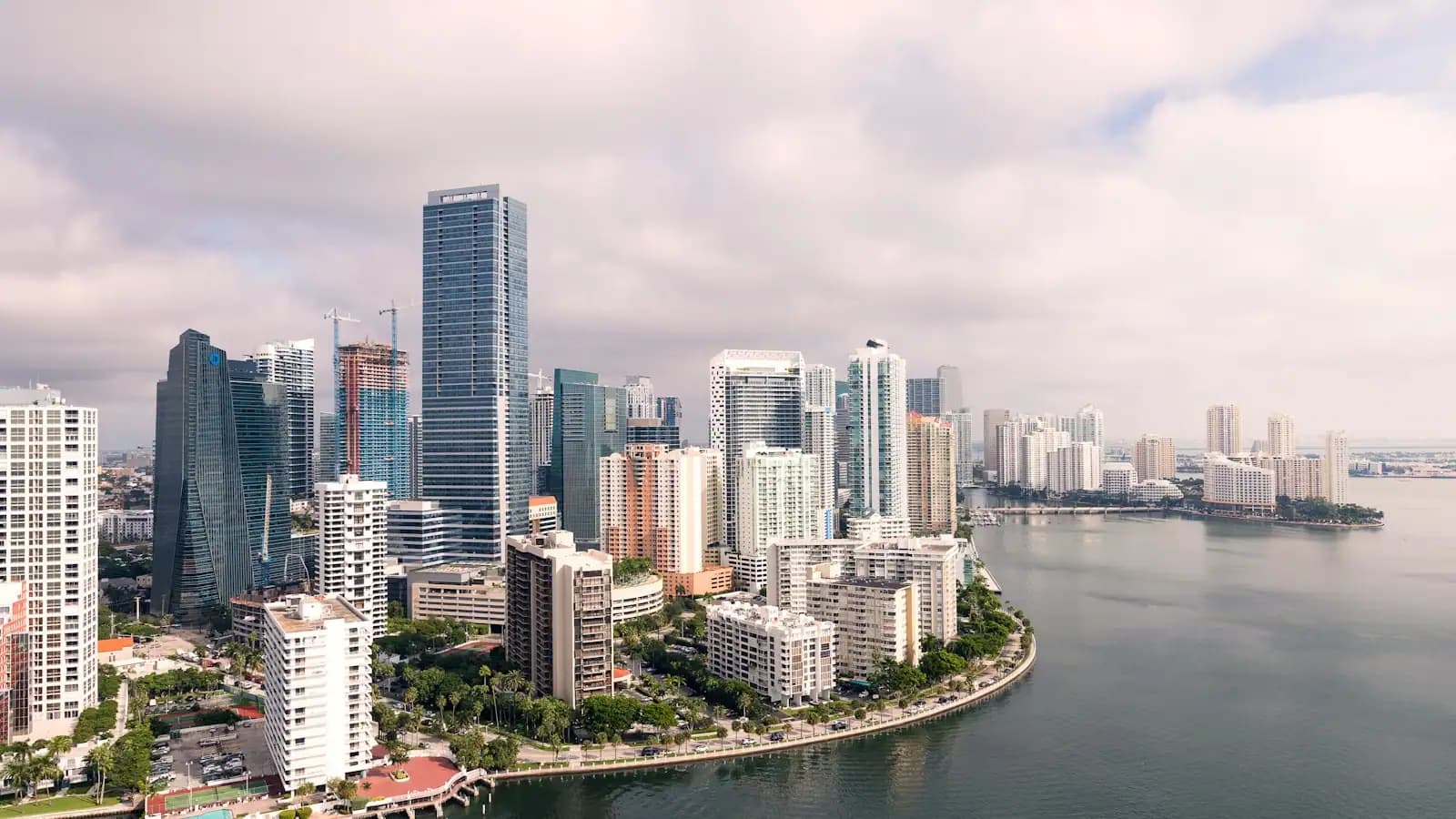
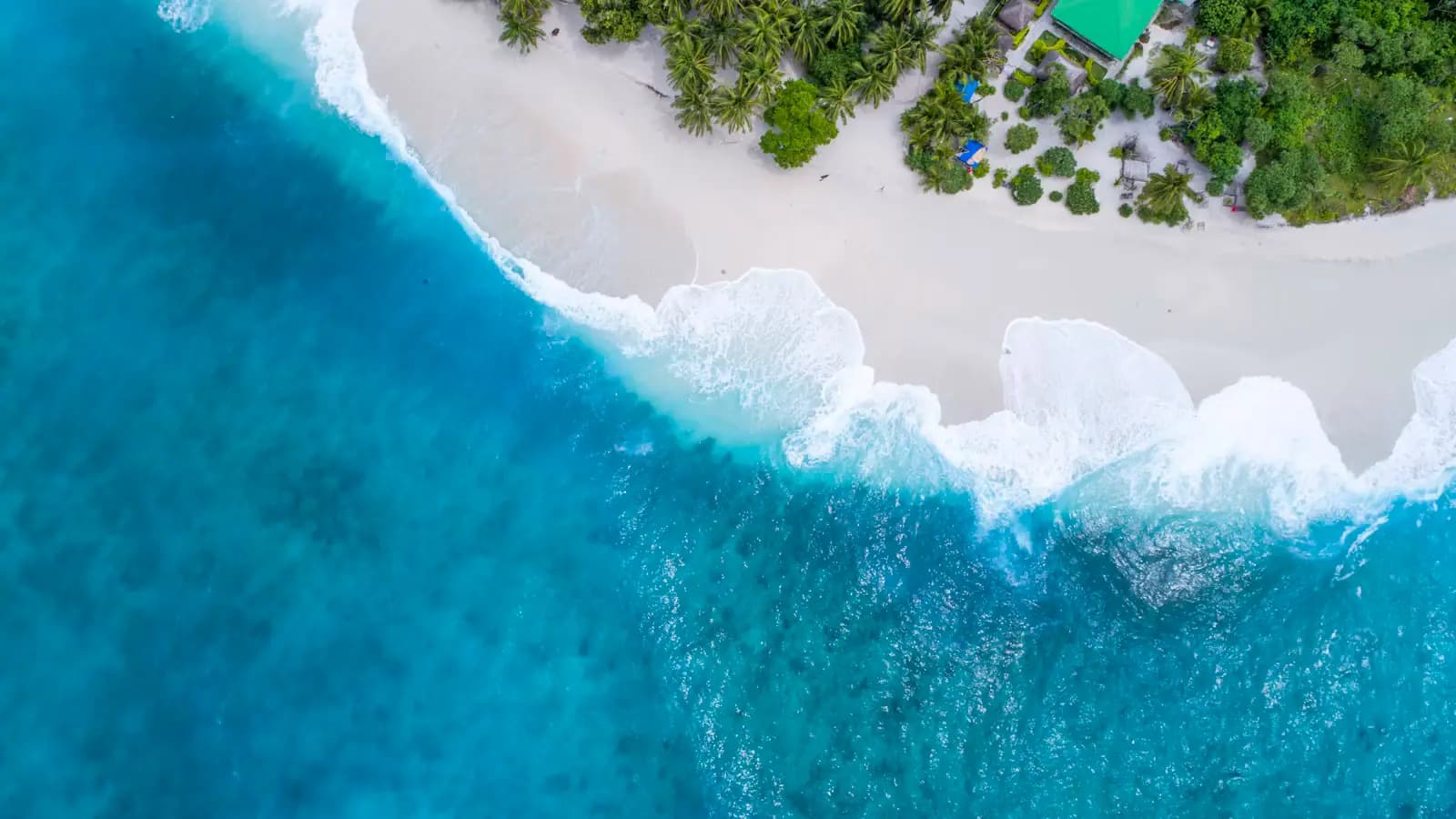
Today it is a mile of quiet bayfront and oceanfront sand on the island you cross to reach Key Biscayne, with the restored carousel, the miniature train, coastal hammock boardwalks and picnic groves under Australian pines. It is markedly calmer than any other beach this close to downtown Miami — about ten minutes from Brickell.
Go for the history. Stay because there is nobody on it.