Zoo Miami's defining feature is not an animal. It is the fact that this is the only subtropical zoo in the continental United States, which means the elephants, rhinos, gibbons and hornbills here live in something close to the climate they evolved for. Nothing is wintered indoors. The enclosures are open ground with moats rather than bars, a design choice made when the zoo was built and one that still makes it read very differently from an older city zoo.
It is also enormous: around 750 acres, the largest zoo in Florida, with roughly four miles of pathway threaded through it. The scale is the thing to plan for. There is no version of this where you stroll round in ninety minutes.
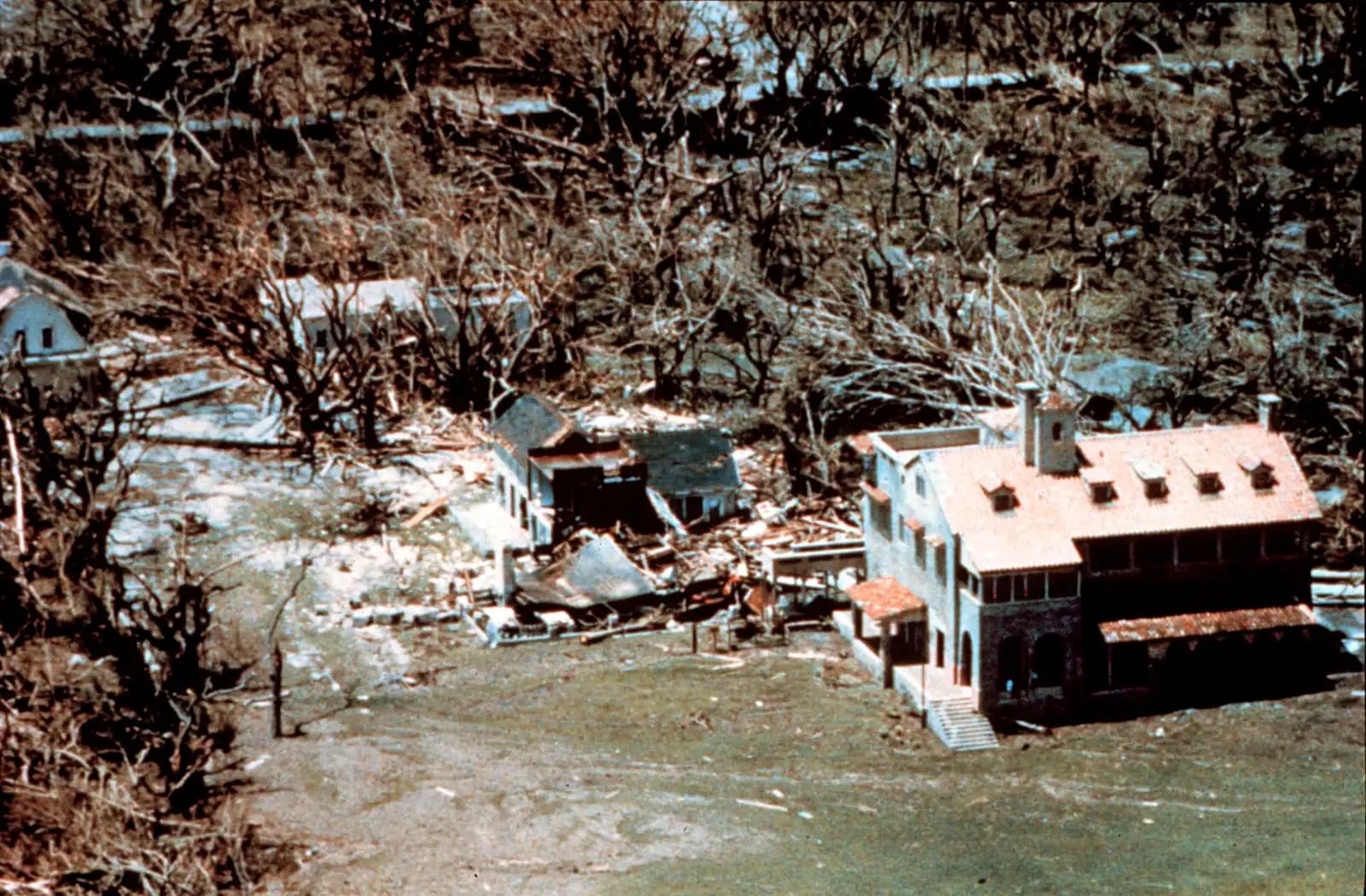
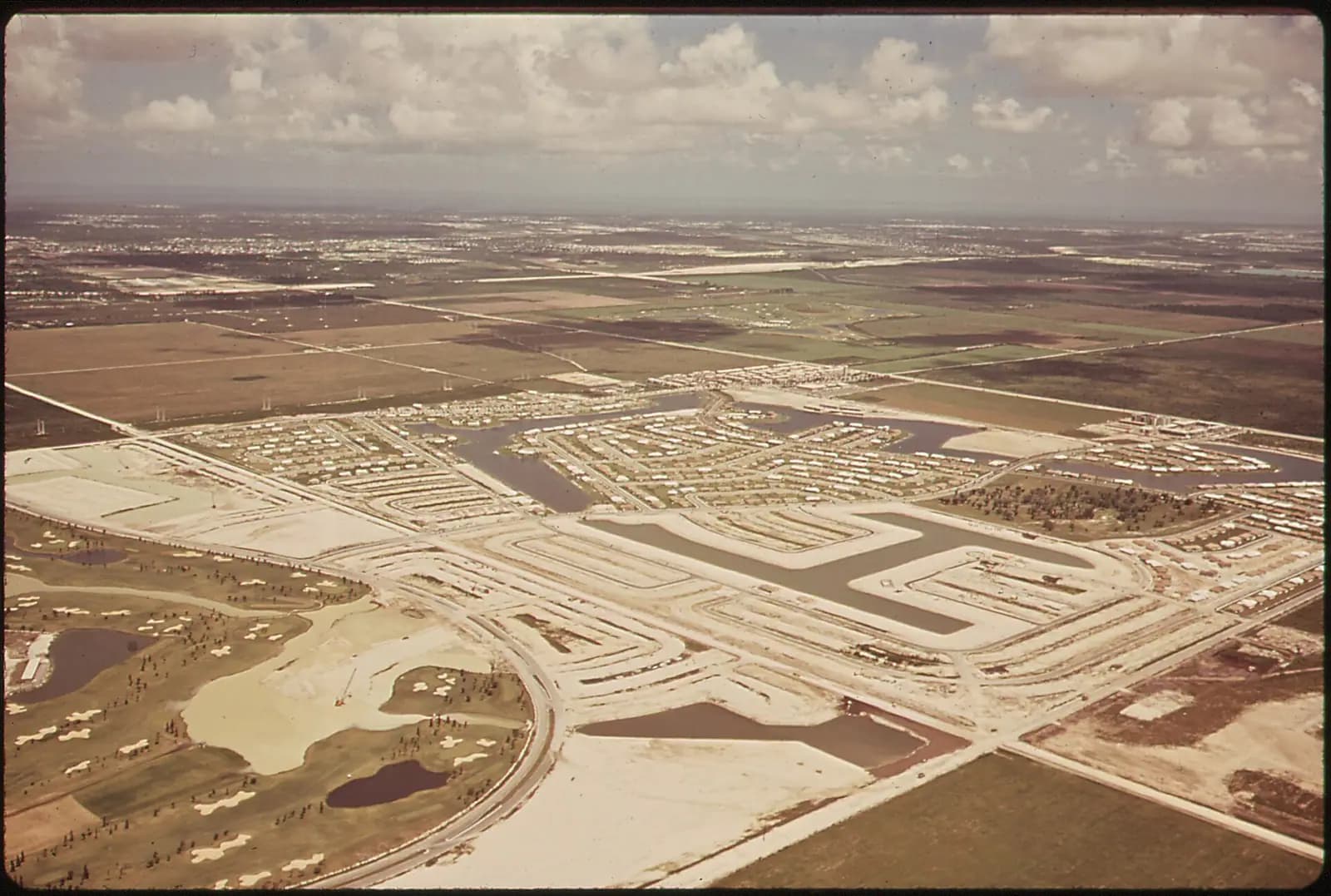
The zoo exists here because of a hurricane and a scandal. Miami's original zoo was at Crandon Park on Key Biscayne from 1948, until flooding from Hurricane Betsy in 1965 and a run of welfare complaints pushed the county to move the collection somewhere a storm surge could not reach. It reopened inland at the start of the 1980s on the site of the former Richmond Naval Air Station. Then in August 1992, Hurricane Andrew went directly over it, killing animals, flattening the Wings of Asia aviary and doing damage that took a decade to repair.
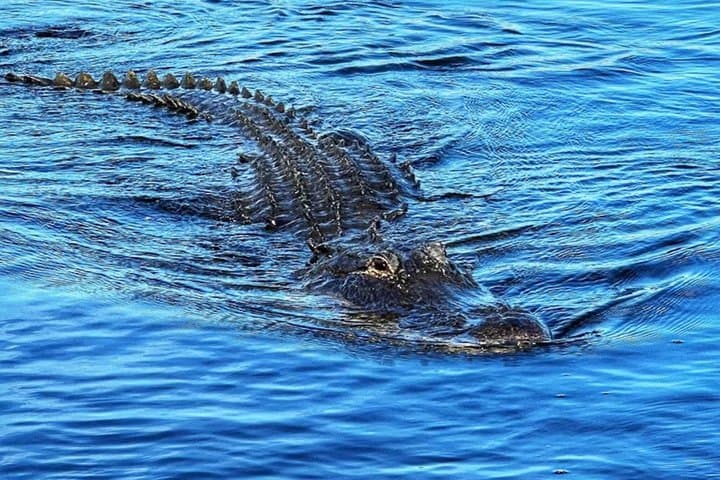
The collection runs to several thousand animals across several hundred species, organised geographically — Asia, Africa, the Amazon, Australia — with Florida: Mission Everglades giving the local story: panther, alligator, crocodile, manatee, and the pine rockland habitat the zoo itself sits inside and helps manage.
The honest verdict: the habitats are spacious, the collection is strong, and the experience depends almost entirely on when you arrive. In July, at two in the afternoon, most of the animals are asleep in shade and so is your enthusiasm. At opening in February it is one of the best zoos in the country.