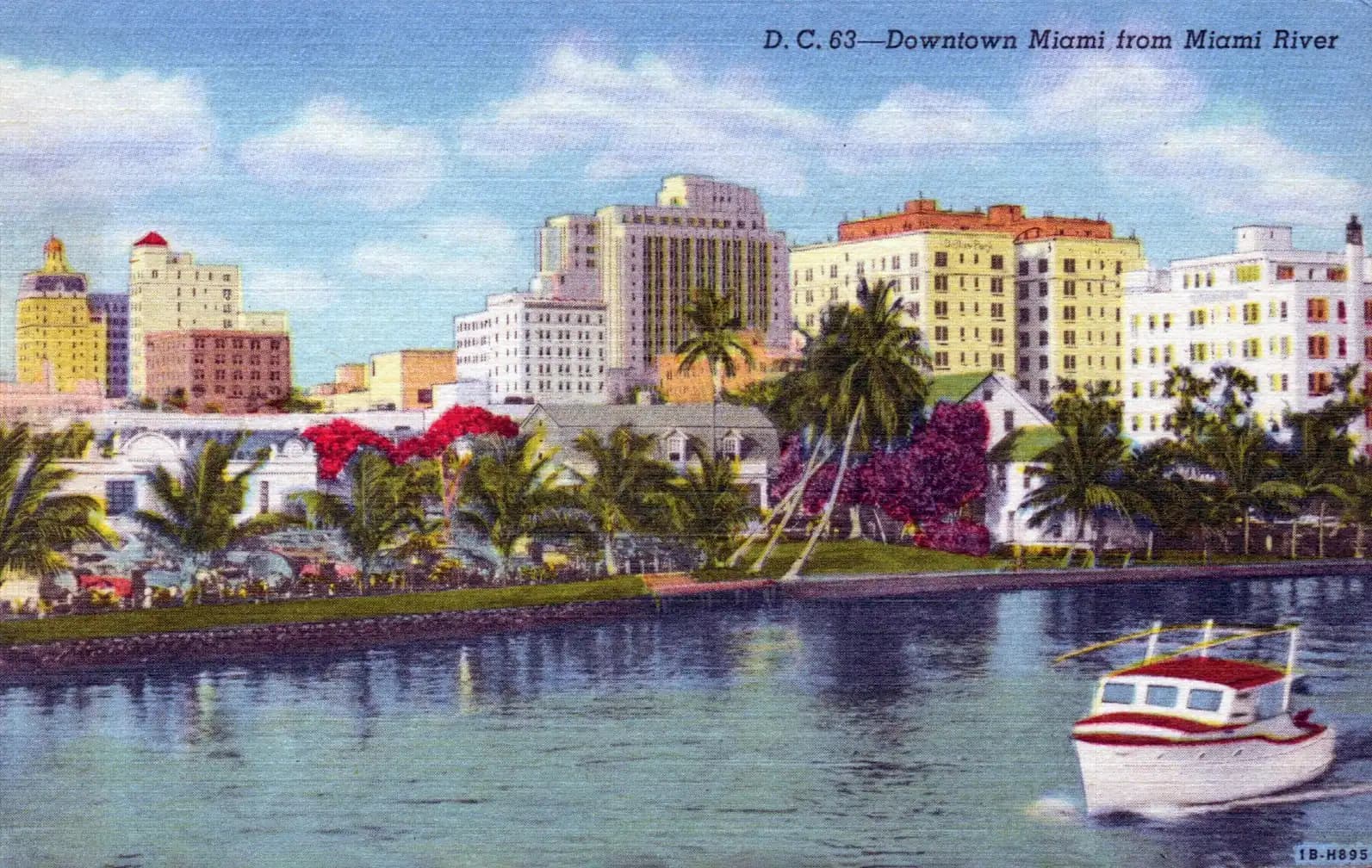
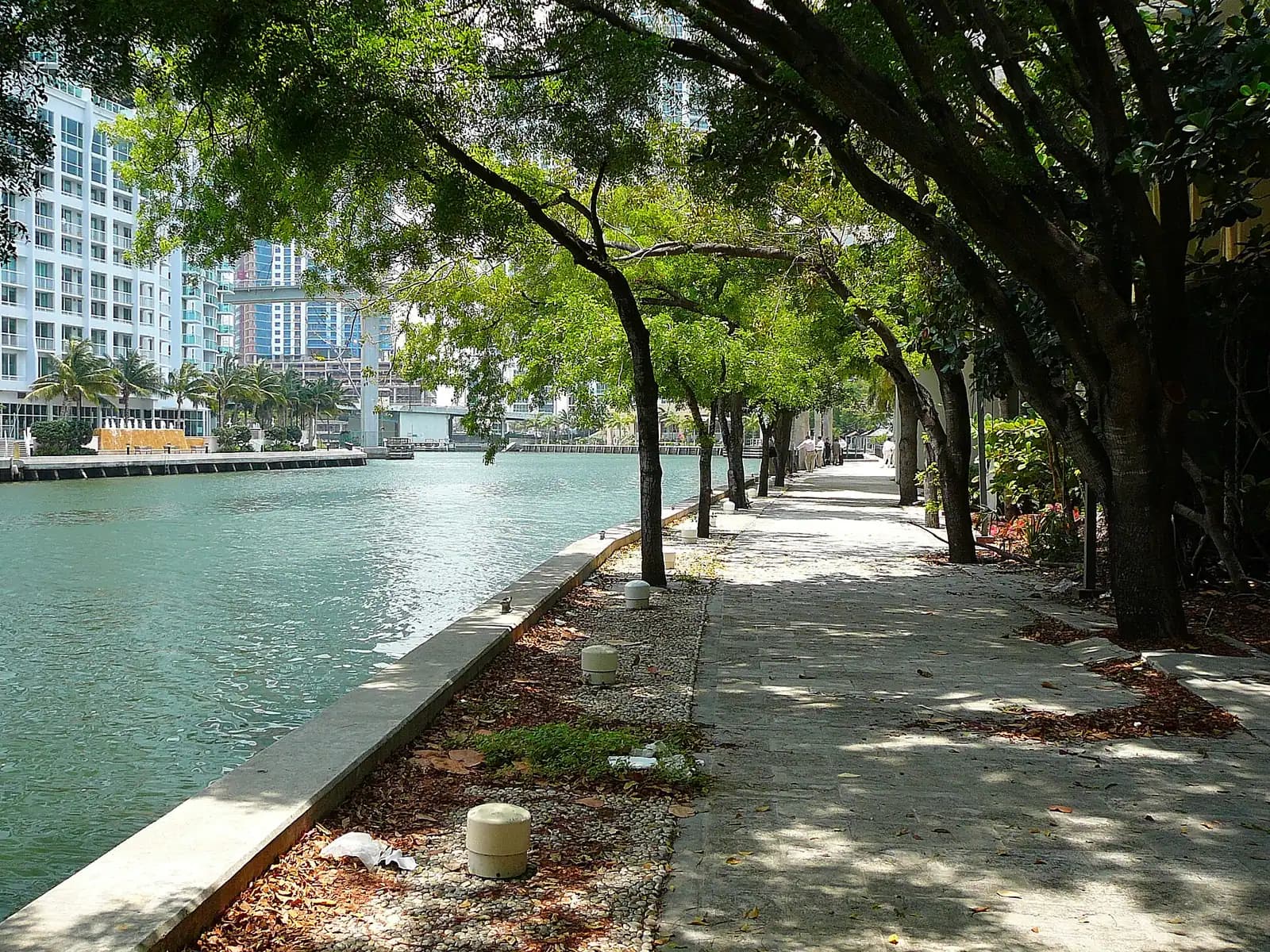
Miami started here, not on the beach. In April 1896 Henry Flagler's railway reached a settlement of a few hundred people at the mouth of the Miami River, and three months later, on 28 July, the City of Miami was incorporated. A substantial share of the men who voted to create it were Black labourers, many of them Bahamian, who had cleared and built the place and who were then confined by ordinance to a district north-west of the tracks that became Overtown. That is the founding, and it is not the version on the postcards.
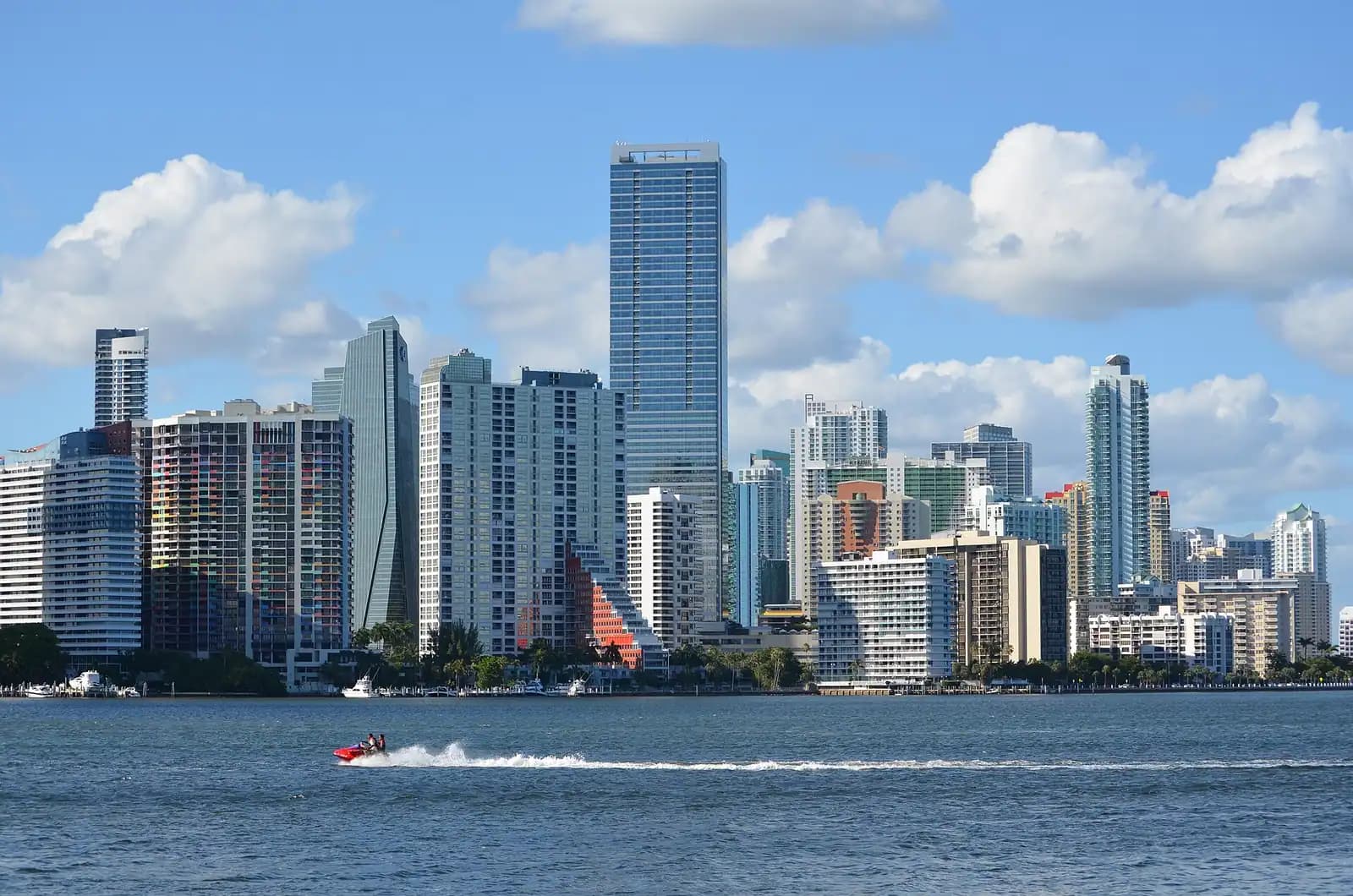
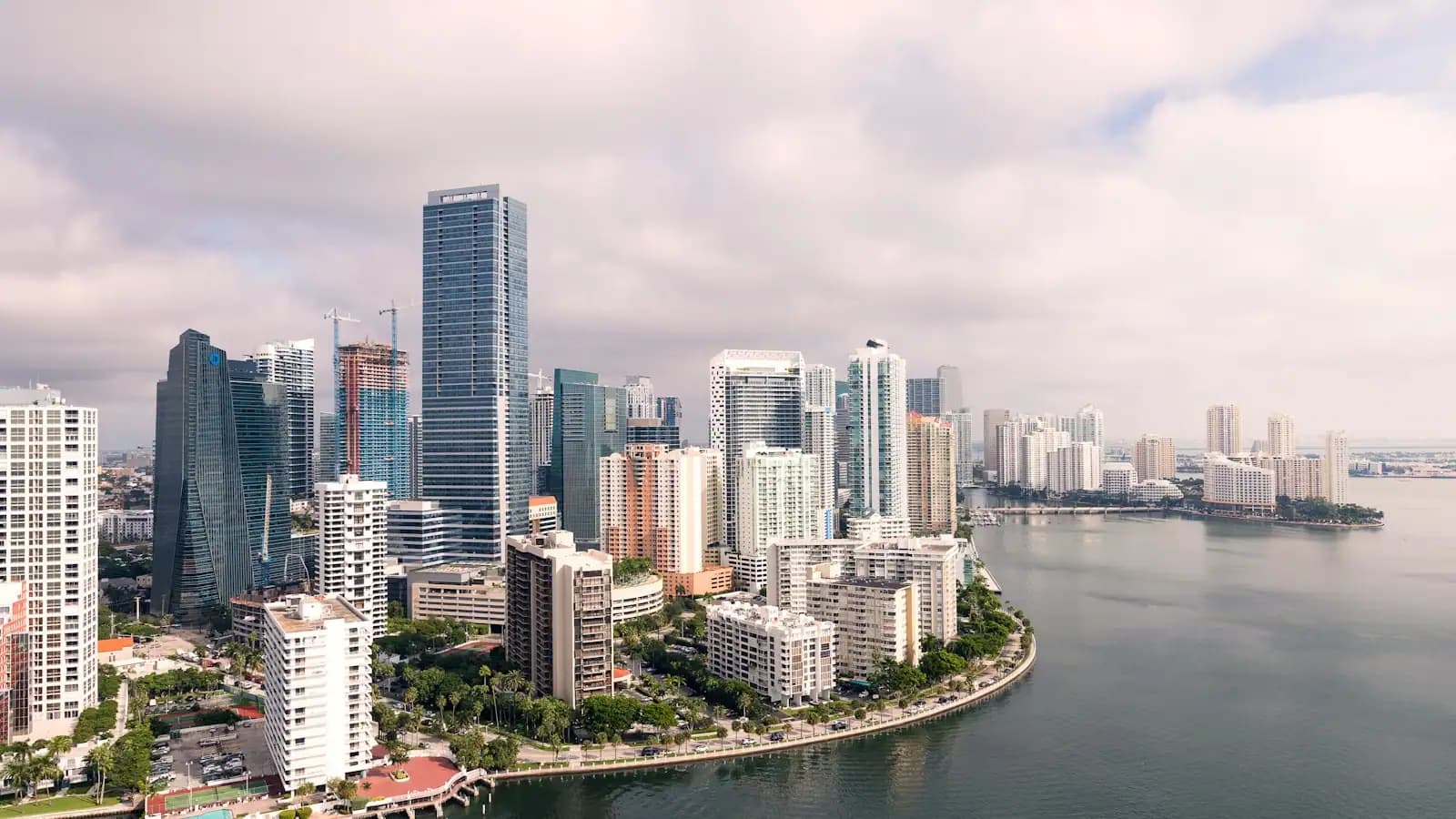
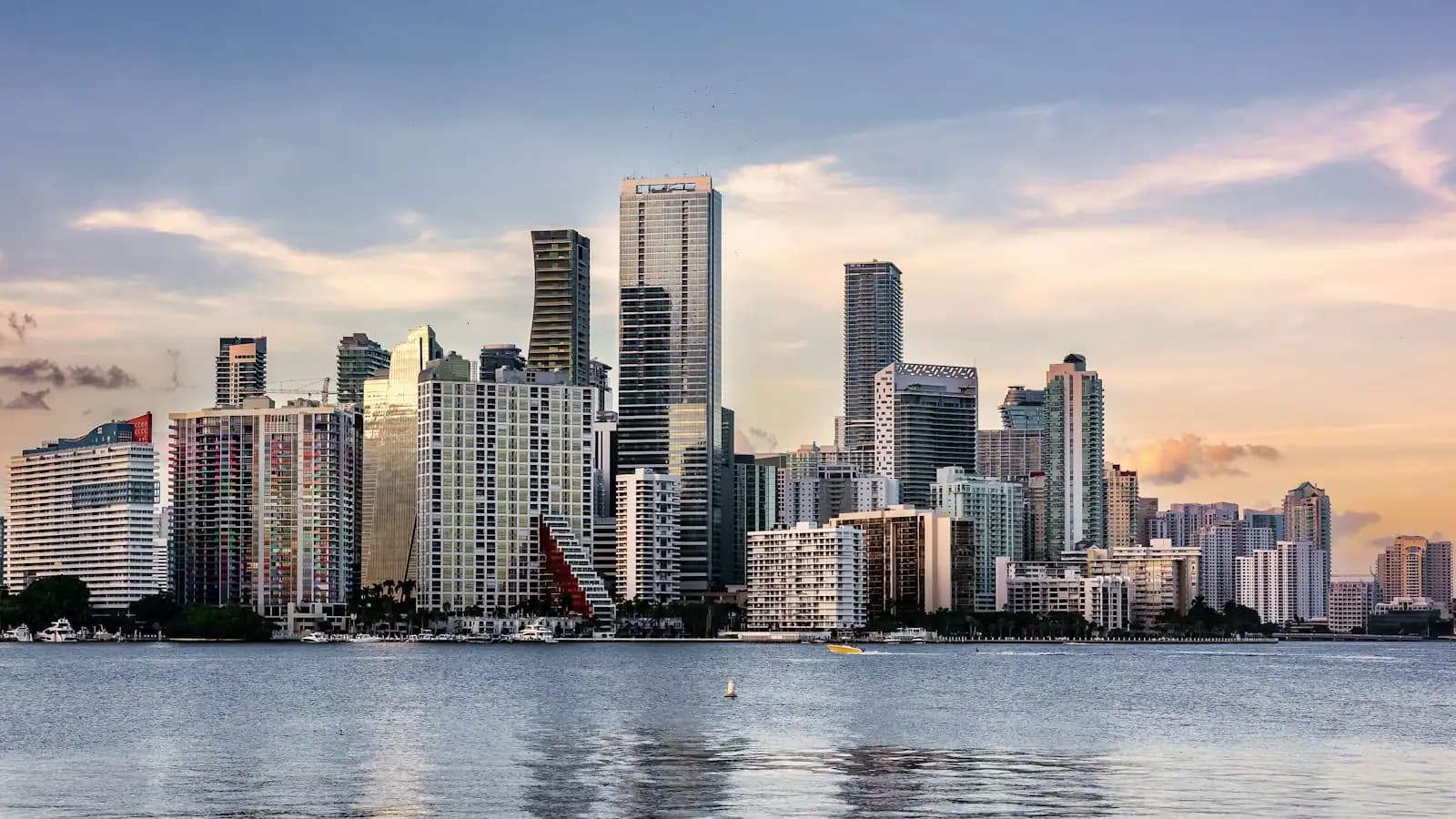
Downtown today is a strip of very tall buildings between the river and the Omni district, and it is genuinely in the middle of changing. For decades it emptied at six o'clock; now Brickell to the south and Park West to the north have filled with residential towers and the centre is catching up unevenly. Some blocks are excellent. Some are a building site. Flagler Street, the main commercial spine and the street the city measures its addresses from, has been under phased reconstruction for years.
What is unambiguously worth your time: the Freedom Tower, built in 1925 for the Miami News, modelled loosely on the Giralda in Seville, and used in the 1960s and 1970s as the processing centre for Cubans arriving after the revolution — the reason it carries the name it does. It is a National Historic Landmark, run by Miami Dade College, and reopened after a major restoration around its centenary.
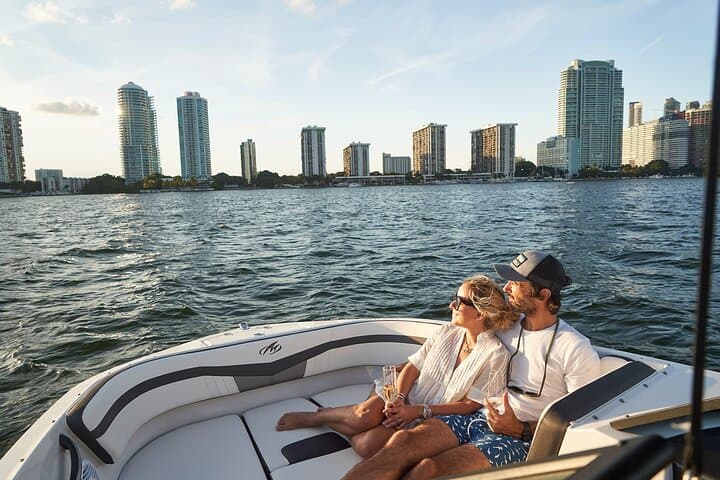
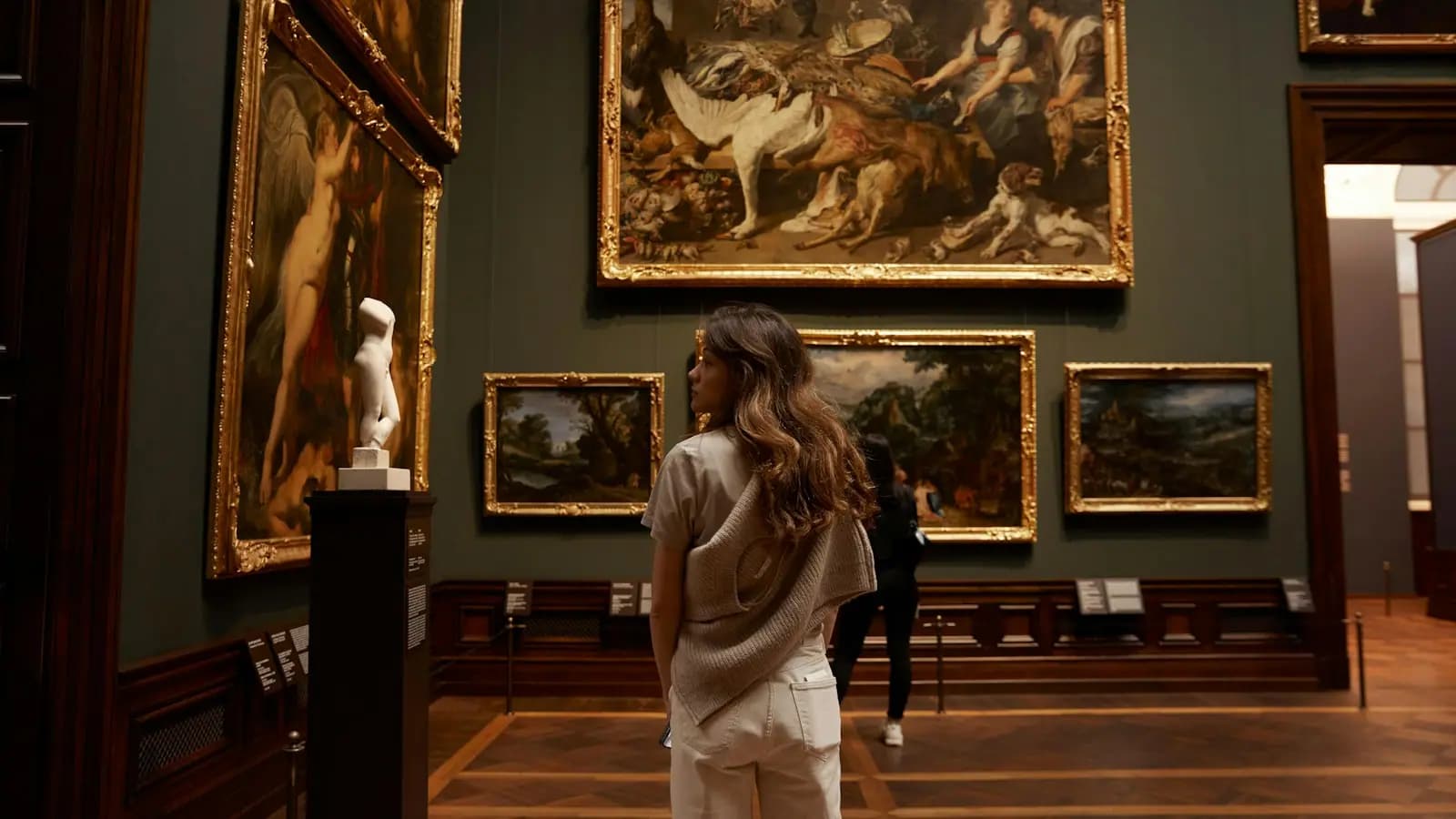
Then the bayfront: Bayfront Park, Bayside Marketplace, the Kaseya Center, and north of them Museum Park, where the Pérez Art Museum Miami and the Frost Science Museum sit side by side on the water.
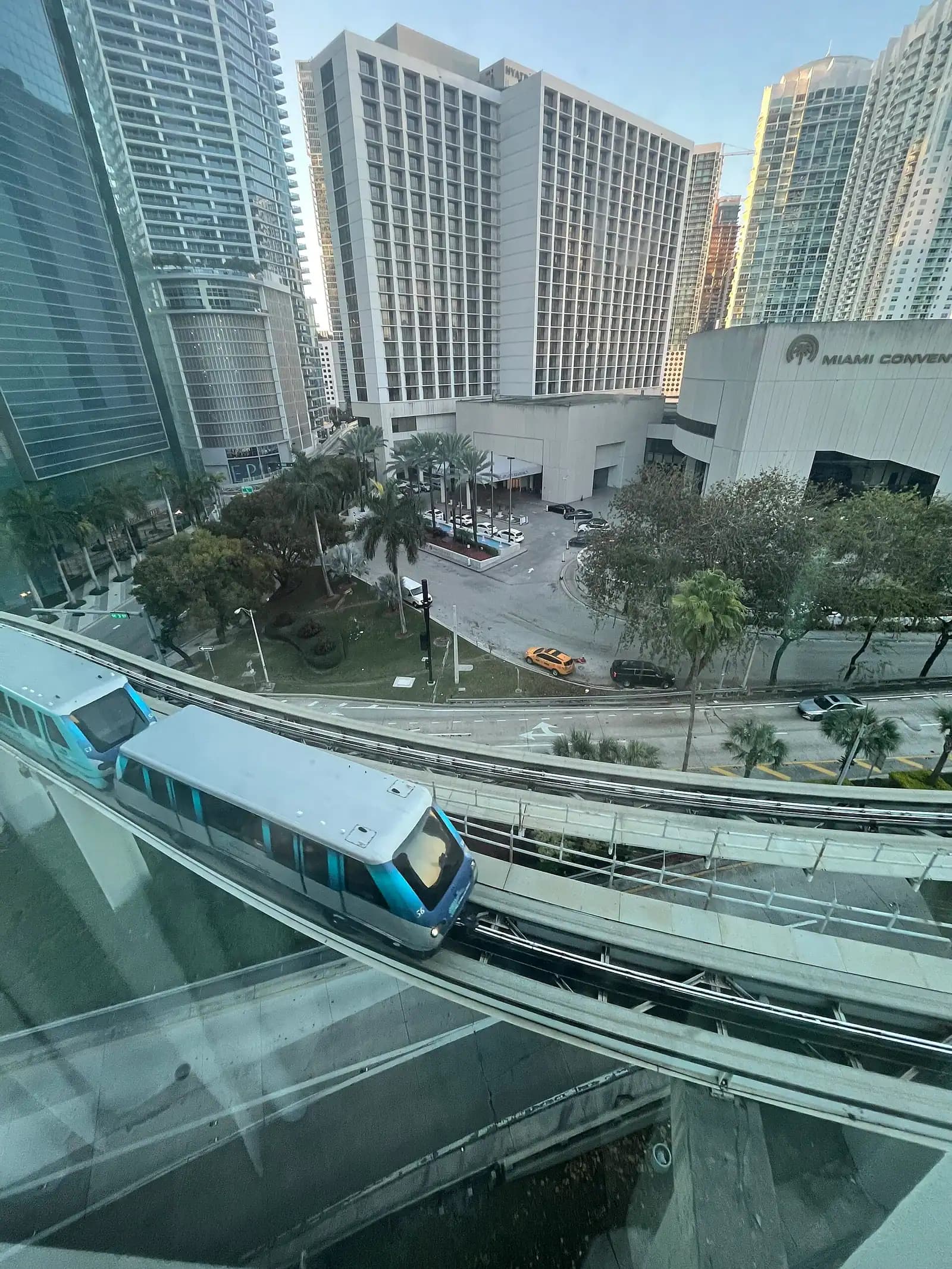
And the thing that makes all of it work: the Metromover, free, elevated and driverless, looping the whole district.
Downtown is not a beach holiday. It is where you go to understand why the beach holiday exists.