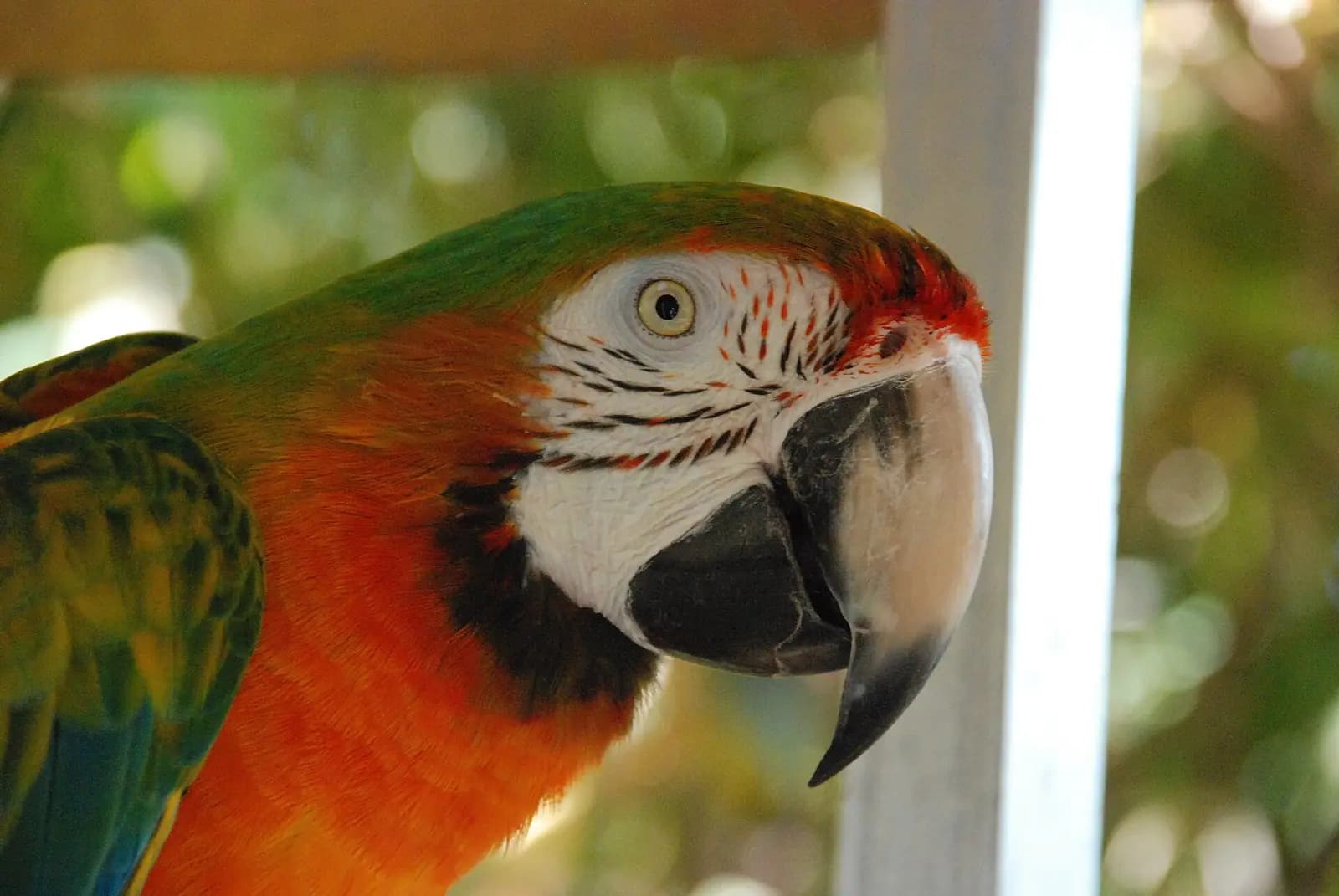
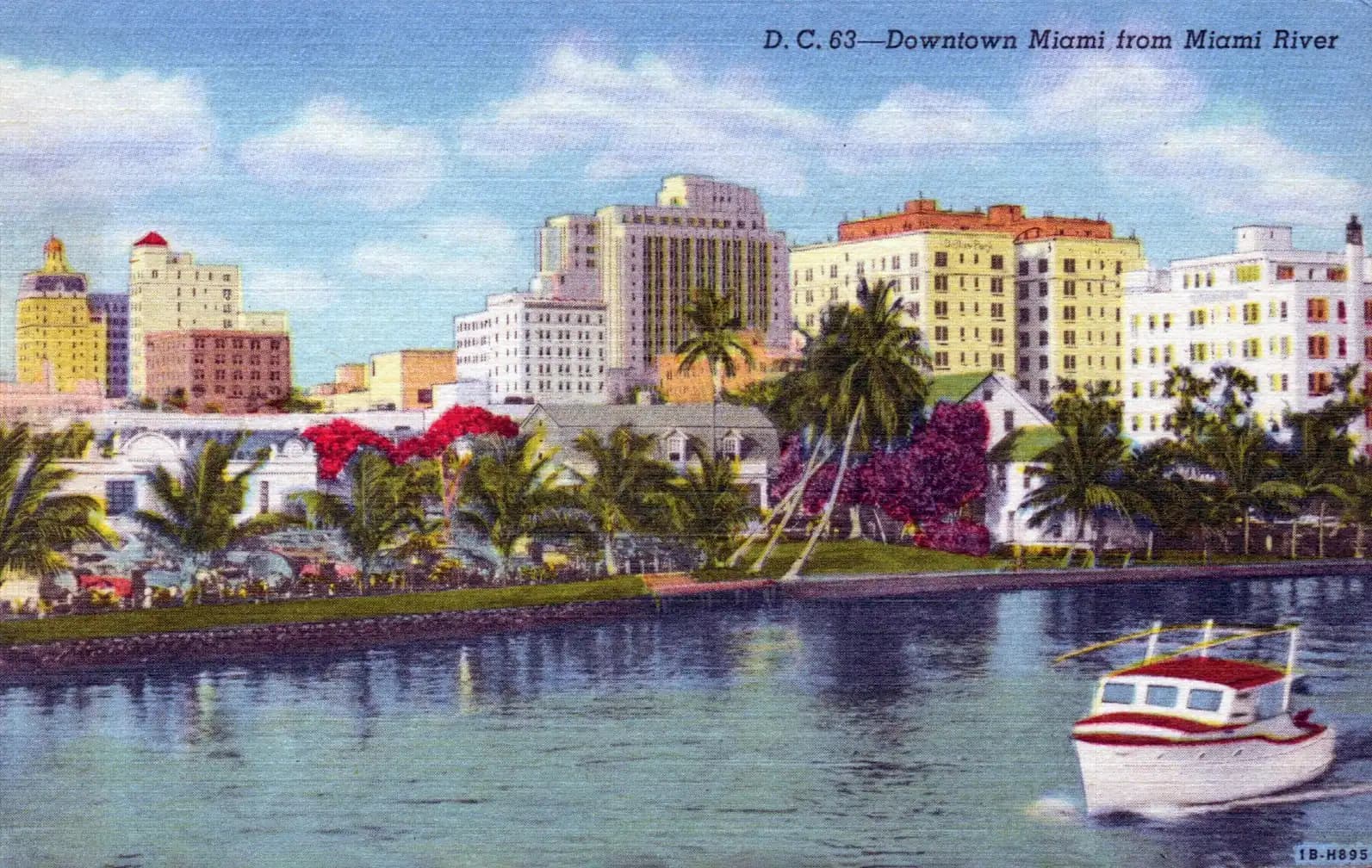
Jungle Island has the longest continuous history of any attraction in Miami and it has spent the last twenty years trying to decide what it is. It opened in 1936 in South Miami as Parrot Jungle, built by a Norwegian-born feed-store owner called Franz Scherr on the then-radical premise that birds should fly free rather than sit in cages. It cost a quarter to get in. Its flamingos became one of the most reproduced images of the city, including in the opening titles of Miami Vice.
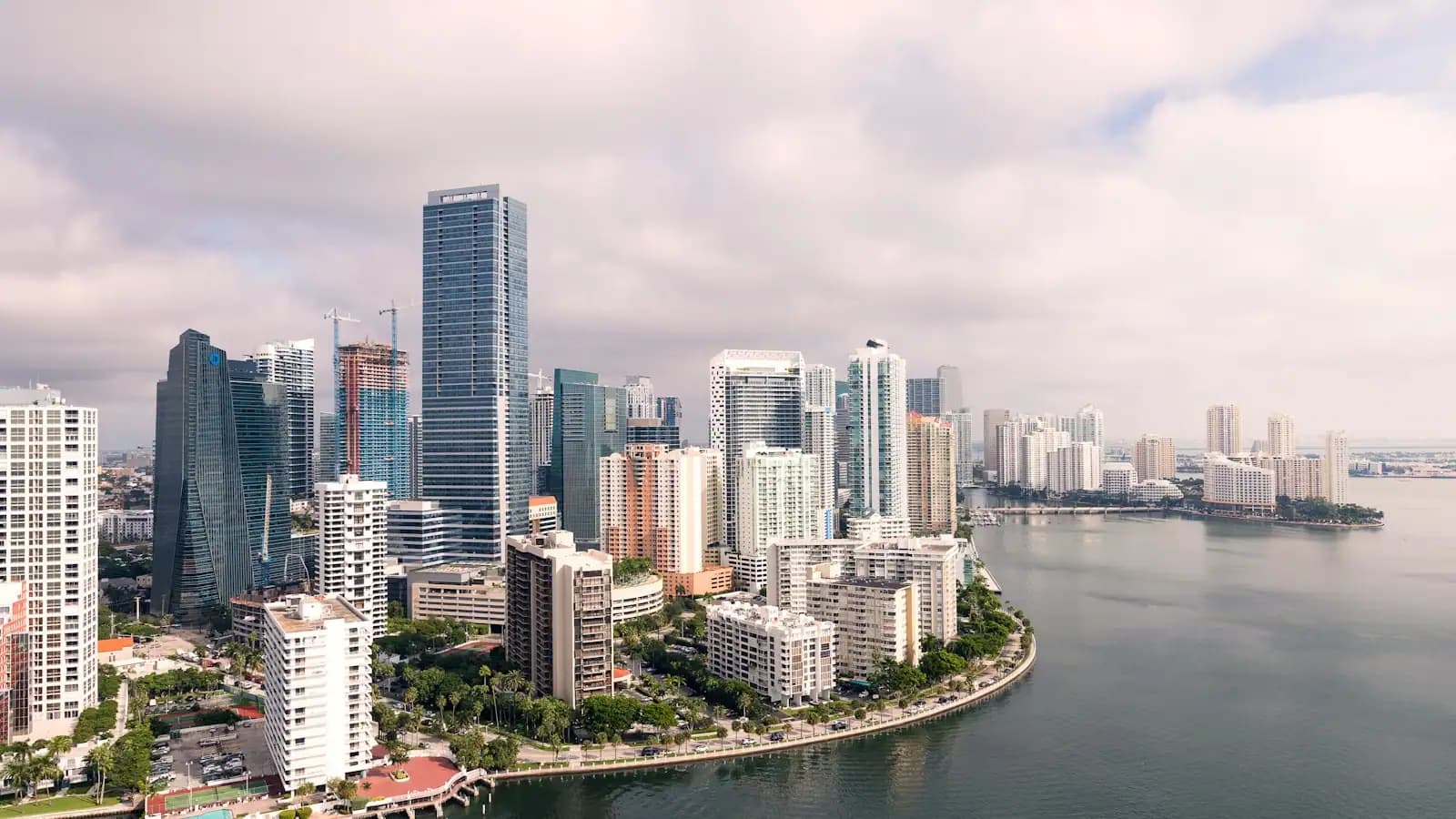
In 2003 the whole operation moved to Watson Island, the man-made spoil island in the middle of the MacArthur Causeway between downtown and South Beach, and became Parrot Jungle Island and then simply Jungle Island. The original South Miami site is now Pinecrest Gardens, a public park where you can still see the old coral-rock landscaping.
What it is today: 18 acres of dense tropical planting with animal habitats, scheduled shows, hands-on encounters that are booked separately, a zipline and ropes course, and a beach-and-splash area. The collection leans birds, primates, big cats and reptiles. It is a half day rather than a day.
Now the honest part. Jungle Island has been in a state of announced redevelopment for years, ownership and plans have changed more than once, and the park you visit is smaller and more variable than its marketing implies. Some attractions run daily, others only at weekends or by booking, and what is open can differ from what the website shows. Check what is actually operating on the day you plan to go, and book encounters in advance if they are your reason for coming.
Its real advantage is location. It is five minutes from both downtown and South Beach, on a causeway you are probably crossing anyway, next to the Miami Children's Museum and the seaplane base.