Skip to content
Search
Menu

We earn a commission if you book through this link. You pay the same price.

A brightly painted market building with steep roofs and fretwork detailing on a Miami street
Carol M. Highsmith

Neighbourhood

Little Haiti

Last updated

The centre of Haitian life in the Americas outside Haiti, on some of the highest ground in Miami and under corresponding pressure.

Photo: Carol M. HighsmithPublic domain

Little Haiti runs north from the Design District along NE 2nd Avenue, and it is the largest Haitian community in the United States. It is also a neighbourhood that had to fight the City of Miami for years just to have its name put on a map: the boundaries were only formally designated in 2016, after decades in which the area was referred to by the older name of Lemon City or by nothing in particular.

Haitians began arriving in numbers in the 1970s and 1980s, many by boat, into a period of American immigration policy that treated them very differently from the Cubans arriving at the same time into Little Havana. What they built here is the cultural and commercial centre of Haitian life in the Americas outside Haiti itself: Creole-speaking churches, botanicas, record shops, bakeries, restaurants, a bookshop that has carried Haitian literature for decades, and radio that broadcasts in Creole across the county.

The anchor for a visitor is the Little Haiti Cultural Complex on NE 59th Terrace — a city-run arts centre with galleries, dance studios and a theatre, attached to the Caribbean Marketplace. That building is the thing to see. Architect Charles Pawley designed it as a modern interpretation of the Marché en Fer, the iron market in Port-au-Prince, with gingerbread detailing and colour drawn from Haitian vernacular building. It opened in 1990, won a national architecture award, closed in 1999 when the trading failed, was acquired by the city with demolition in mind, and survives because the neighbourhood refused to let it go.

The pressure now is different and harder. Little Haiti sits on the Miami Rock Ridge — limestone high ground, some of the least flood-prone land in the county — and in a city facing sea-level rise that has made it extremely valuable. Developers have been buying for a decade. "Climate gentrification" is not an abstraction here; it is the argument on the street.

Come on a Big Night in Little Haiti, the free monthly concert at the complex. Eat griot. Buy something.
Getting there and parking

Little Haiti runs north from the Design District along NE 2nd Avenue, roughly between NE 54th and NE 79th streets.

Rideshare is the practical option: five minutes from the Design District, ten to twenty from downtown, twenty-five to forty-five from South Beach.

The free City of Miami trolley runs routes serving Little Haiti and connecting south towards the Design District and Midtown. No fare, no app, slow but useful.

Metromover does not reach here — its northern end is the Adrienne Arsht Center, well over two miles south.

Driving, there is generally straightforward street parking around the cultural complex except on event nights, and a car is genuinely useful because the things worth seeing are spread along a long avenue rather than clustered.

On foot from the Design District is about fifteen minutes north along NE 2nd Avenue, and the change across that boundary is the most instructive short walk in the city.

The Cultural Complex and the Caribbean Marketplace

The Little Haiti Cultural Complex at 212 NE 59th Terrace is the one address every visitor should have.

The city-run complex holds galleries showing Haitian and Caribbean artists, dance and drumming studios, a black-box theatre and classroom space used by the neighbourhood daily. Exhibitions rotate and admission to the galleries has generally been free.

The Caribbean Marketplace next to it is a building with a story. Charles Pawley designed it in the late 1980s as a modern reading of Port-au-Prince's Marché en Fer — the nineteenth-century iron market — crossed with the gingerbread houses of the Haitian capital: steep roofs, fretwork, and a yellow-and-red palette that is impossible to miss on NE 2nd Avenue. Opened in 1990, it won an American Institute of Architects National Honor Award. By 1999 the trading had failed and it closed. The city bought it in 2005 intending demolition, and community pressure stopped that. It has since been restored and reopened as event and market space.

Big Night in Little Haiti is the complex's monthly free outdoor concert, running Haitian roots, konpa and rara music with food vendors. It is free, it is aimed at the neighbourhood rather than at tourists, and it is by a distance the best time to be here.

Check the complex's programme before you come. On a quiet Tuesday afternoon the building is a building.

What to eat and where to spend

Haitian food is under-represented in American cities and very well represented here. A short glossary makes ordering much easier.

  • Griot — pork shoulder marinated in citrus and epis, boiled then fried. The national dish, and the thing to order first.
  • Tasso — the same treatment applied to beef or goat.
  • Diri ak djon djon — rice cooked with black Haitian mushrooms, which turns it dark grey and gives it a flavour nothing else does.
  • Legim — a dense stew of mashed vegetables with meat.
  • Pikliz — fiercely hot pickled cabbage and scotch bonnet, served alongside everything and not optional.
  • Akra and pate kode — malanga fritters and stuffed pastries, sold from bakery counters.
  • Soup joumou — pumpkin soup, eaten on 1 January to mark Haitian independence. Deeply significant, and often available year-round.

Beyond food: botanicas selling religious and Vodou goods, record shops, bakeries, and a long-standing Creole and French bookshop on NE 2nd Avenue that has been the neighbourhood's literary centre for decades.

Spend money here. It is the most useful thing a visitor does in a neighbourhood whose businesses are the thing under threat.

High ground, and what that is doing to the neighbourhood

Miami's elevation map is not intuitive. The coastal strip — Miami Beach, the barrier islands, much of the bayfront — is low, sandy and exposed. A few miles inland runs the Miami Rock Ridge, a spine of oolitic limestone that carries the highest natural ground in the county, generally still only a few metres above sea level but decisively better than the alternative.

Little Haiti sits on it. So do Liberty City and Allapattah. These are historically Black and immigrant neighbourhoods that were pushed onto land nobody wanted precisely because it was inland and away from the water.

Sea-level rise has reversed the calculation. Land that floods less is now worth more, and since the mid-2010s there has been sustained developer acquisition through the neighbourhood — most visibly the large mixed-use district approved on the area's western edge. Residents and researchers call the pattern climate gentrification, and Little Haiti has become the case study cited nationally.

What that means for a visitor is straightforward. The Creole signage, the botanicas, the bakeries and the record shops are not a heritage display; they are businesses operating against rising rents. Every year some of them go. Visiting respectfully means buying from them, and it means understanding that the neighbourhood's fight over its own name in 2016 was part of the same argument.

Getting there, timing and honest expectations

Set your expectations correctly. This is not Wynwood and it is not laid out for visitors. There is no mural courtyard, no continuous strip of shopfronts, and long stretches of NE 2nd Avenue are ordinary and unlovely. What is here is a living Haitian-American neighbourhood, a superb cultural complex and outstanding food. Go for those.

Time it around the programme. Big Night in Little Haiti, the free monthly concert at the cultural complex, is the single best reason to come. Exhibition openings and festivals are the next best. A random weekday afternoon delivers much less.

Getting there. Rideshare is the default — ten to twenty minutes from downtown, five from the Design District. The free City of Miami trolley runs routes through the area. Metromover does not come anywhere near. Driving, there is street parking, which is straightforward outside event nights.

Walking. The neighbourhood borders the Design District to the south, and crossing that line on foot is the most instructive ten minutes available in Miami. Within Little Haiti itself, distances between the things worth seeing are longer than they look — this is a drive-between rather than a stroll-between neighbourhood.

As with any city, be aware at night on quiet residential blocks.

Tours that visit Little Haiti

Operators run these trips past Little Haiti, or stop there as part of a longer route. We list what the booking data supports — not everything that mentions the name.

Some links below go to Viator, our booking partner. We earn a commission on bookings made through them — at no extra cost to you, and with no influence on what we recommend.

Private and small-group departurespriced per boat or per vehicle, not per person

Near Little Haiti

Straight-line distances, so allow more on the road — the island is long and has one main parkway.

  • A geodesic dome structure standing open in a modern paved plaza surrounded by contemporary buildings
    Free

    Shopping

    Miami Design District

    A luxury shopping quarter laid out as walkable streets, with a Buckminster Fuller dome and a free art museum in the middle of it.

    1.5–3.5 hoursFree to walk. The Fly's Eye Dome, the public art trail and ICA Miami all cost nothing; ICA's free admission is permanent policy rather than a free day.1.1 mi away

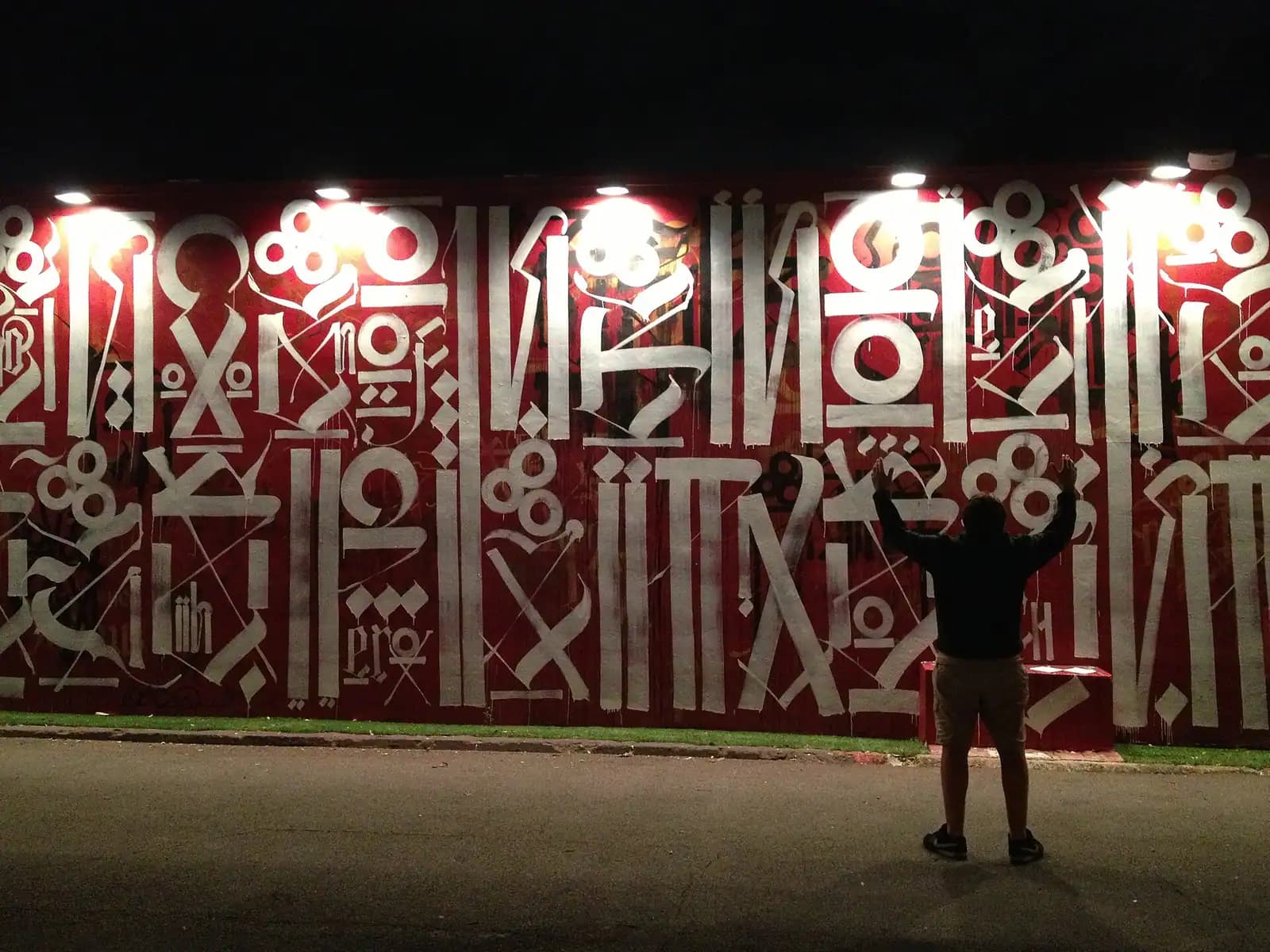
  • A large colourful mural covering the whole flank of a single-storey warehouse in Miami's Wynwood district

    Landmark

    Wynwood Walls

    A ticketed courtyard of commissioned murals in a warehouse district where almost all the art outside the gate costs nothing.

    1–2.5 hoursTicketed. General admission has been listed anywhere from around $12 to the mid-$30s for adults depending on ticket type and seller, with reduced rates for children, students and seniors. The murals on the surrounding streets are free.2 mi away

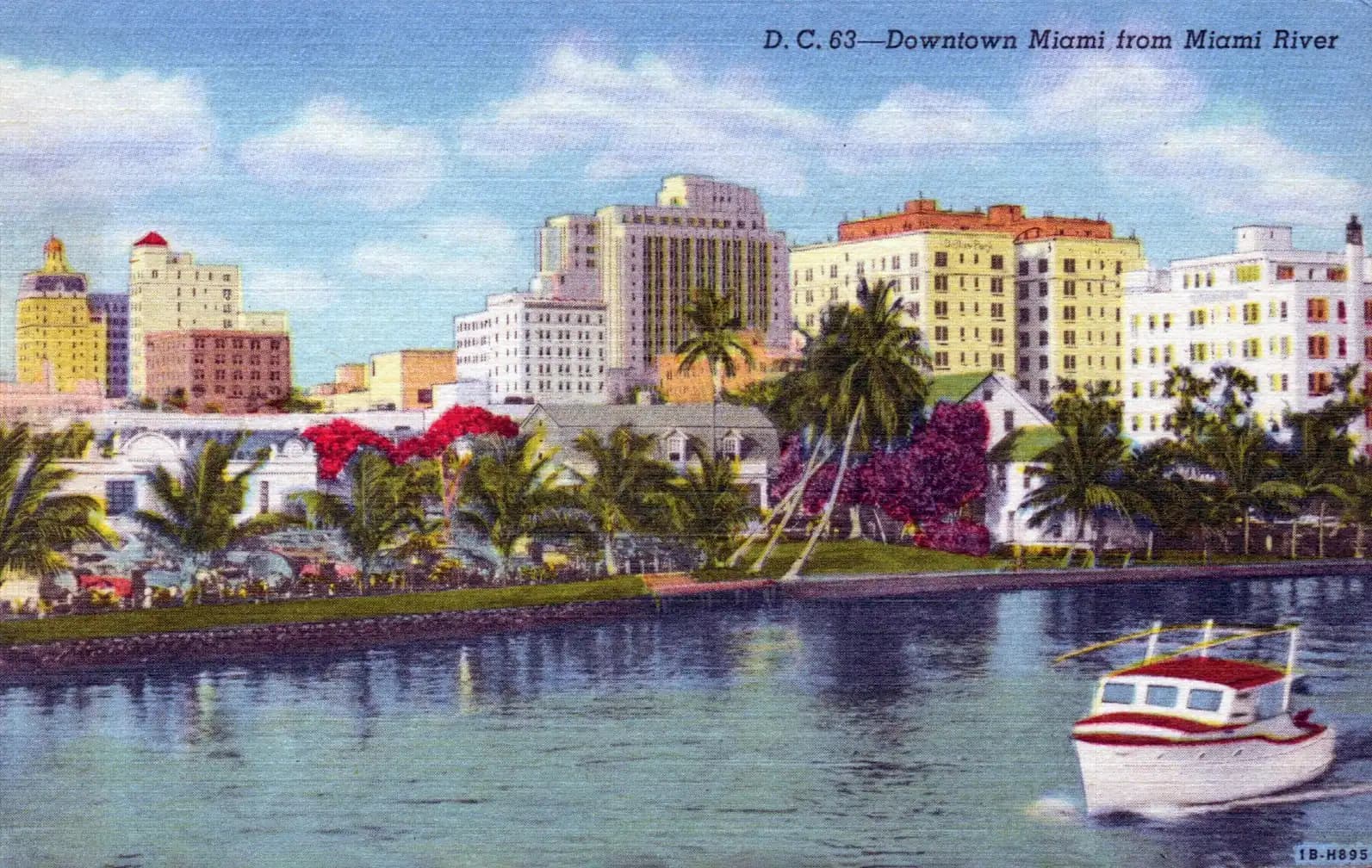
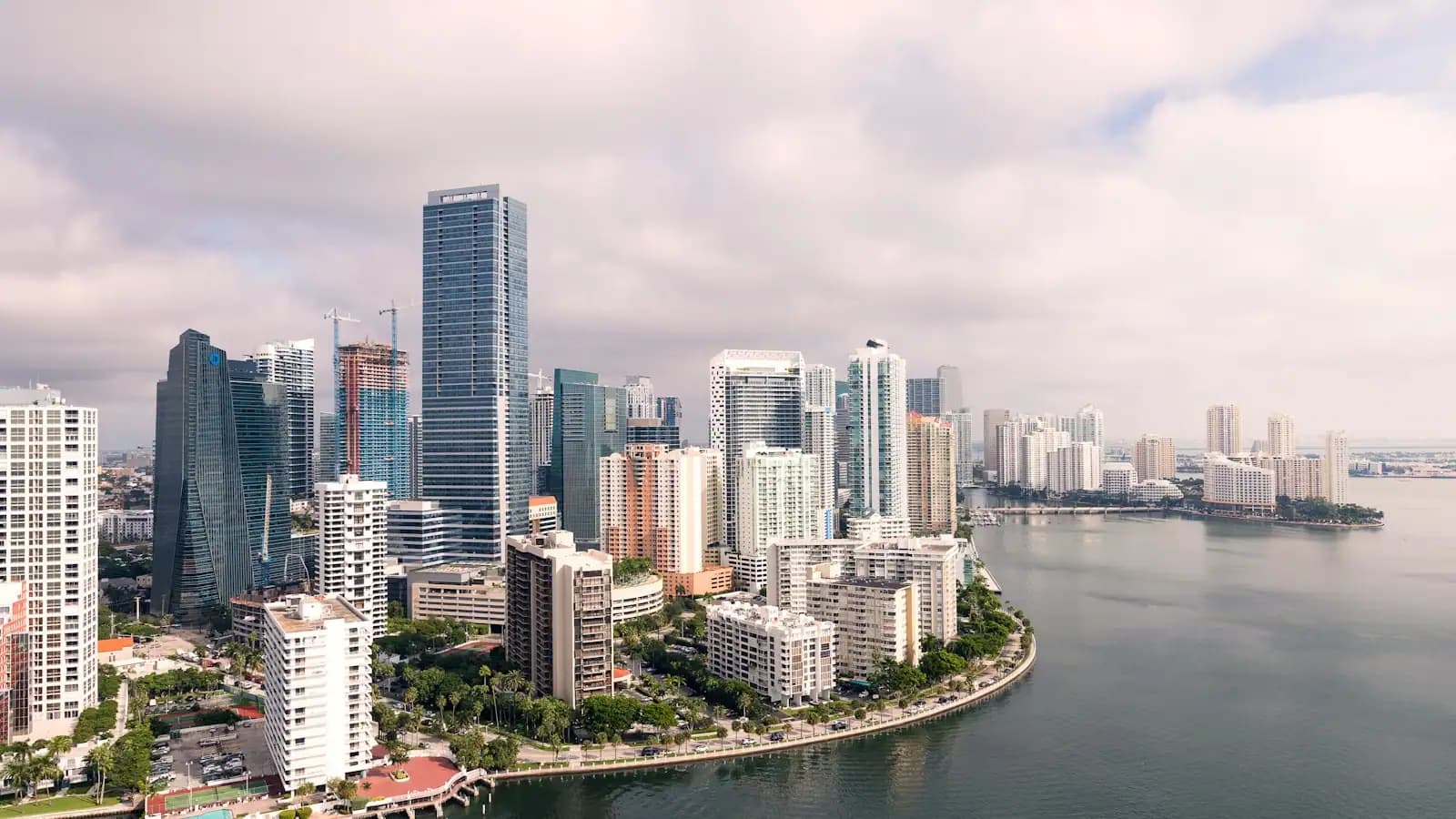
  • A dense cluster of downtown towers seen across water at the end of the day
    Free

    Neighbourhood

    Downtown Miami

    The original Miami: a railway terminus that became a city in 1896, now a downtown of towers, museums and a free elevated railway.

    3–8 hoursFree to walk, and the Metromover that connects it costs nothing. Museums, the Freedom Tower galleries, bay cruises and events are ticketed separately.3.8 mi away

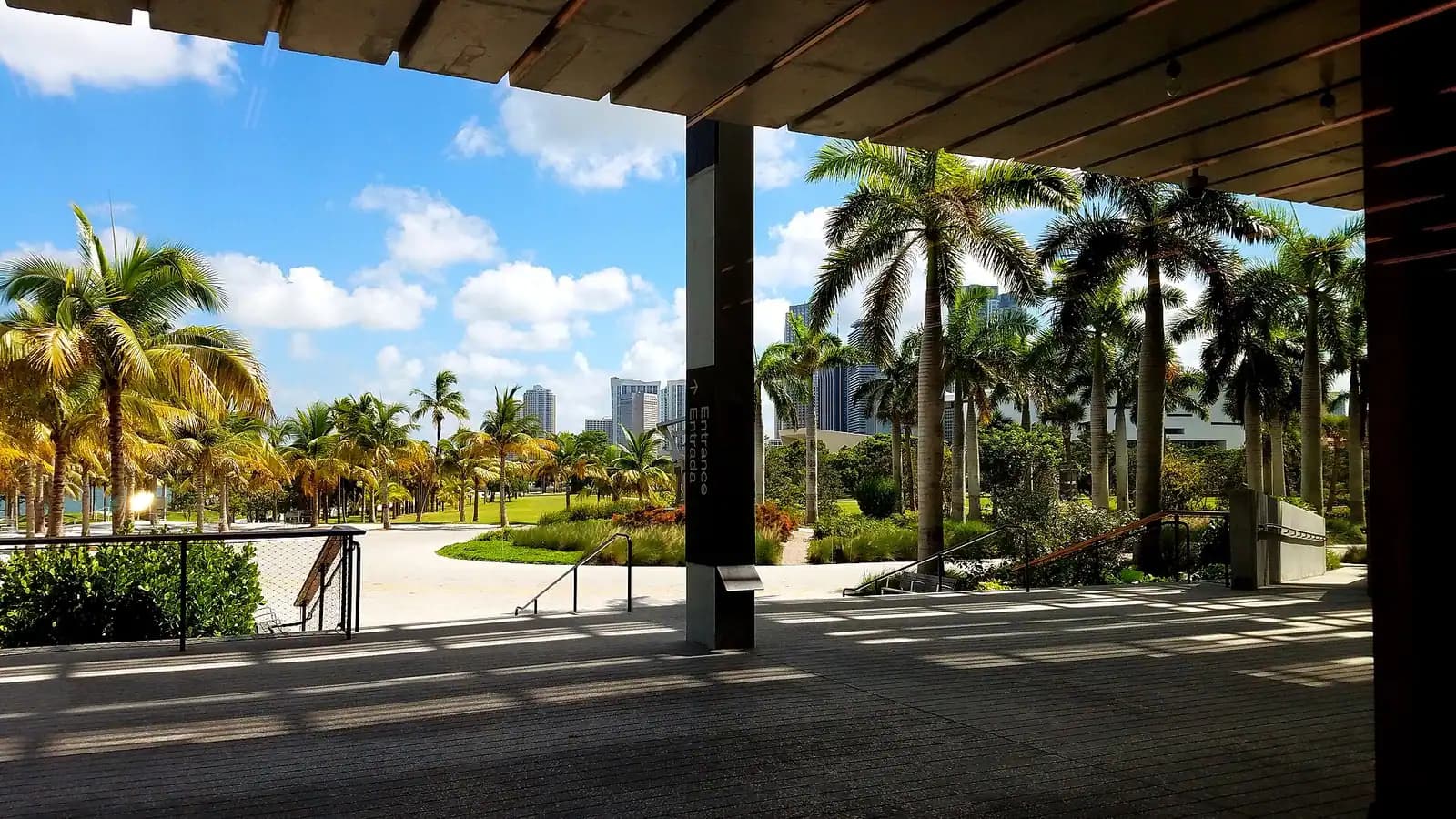
  • The deep slatted canopy of Pérez Art Museum Miami shading an open veranda above the bayfront lawn

    Museum

    Pérez Art Museum Miami

    A bayfront museum on stilts with hanging gardens on its veranda, collecting the art of the Atlantic world rather than the usual canon.

    1.5–3 hoursTicketed, with adult admission recently around $16 and roughly $12 for students, seniors and ages 7–18; under-6s free. Free on the second Saturday of each month and regularly free on Thursday evenings.3 mi away

Little Haiti: common questions

What is there to see in Little Haiti, Miami?

Start at the Little Haiti Cultural Complex on NE 59th Terrace, with free galleries, a theatre and the attached Caribbean Marketplace — a 1990 building by Charles Pawley modelled on the iron market in Port-au-Prince, saved from demolition by community campaigning. Beyond it: Creole bakeries, botanicas, record shops, a long-established Haitian bookshop and some of the best food in Miami. Time your visit around the complex's free monthly concert if you can.

What Haitian food should you order in Little Haiti?

Griot — citrus-marinated pork shoulder, boiled then fried — is the national dish and the place to start. Order it with diri ak djon djon, rice cooked with black Haitian mushrooms that turns it grey and tastes like nothing else, and pikliz, the fiercely hot pickled cabbage that comes alongside everything. Legim is a dense vegetable and meat stew; akra and pate kode are the bakery-counter snacks worth buying.

Why is Little Haiti being gentrified?

Largely because of its elevation. The neighbourhood sits on the Miami Rock Ridge, a limestone spine carrying the highest natural ground in the county, and as sea-level rise has made low coastal land riskier, that inland high ground has become far more valuable. Developers have been acquiring through the area since the mid-2010s. Researchers and residents call the pattern climate gentrification, and Little Haiti is the case most often cited nationally.

Is Little Haiti like Wynwood?

No, and going in expecting that leads to disappointment. Wynwood is a redeveloped arts and nightlife district built around murals. Little Haiti is a working residential and commercial neighbourhood with a cultural complex at its centre, long stretches of ordinary avenue between points of interest, and no visitor infrastructure to speak of. What it has that Wynwood does not is a living community, outstanding food and a genuine architectural landmark.

What is Big Night in Little Haiti?

A free monthly outdoor concert at the Little Haiti Cultural Complex, programmed around Haitian roots, konpa and rara music with food vendors on site. It is aimed at the neighbourhood rather than at visitors, which is exactly why it is the best evening to come. Check the complex's programme for the current date before planning around it, as schedules shift with the seasons and with festival weekends.