Skip to content
Search
Menu

We earn a commission if you book through this link. You pay the same price.

A narrow street shaded by a heavy canopy of live oak and banyan trees in a residential Miami neighbourhood
Berry-Hilton Co.

Neighbourhood

Coconut Grove

Last updated

Miami's oldest continuously inhabited neighbourhood, settled by Bahamians and Yankee pioneers two decades before the city existed.

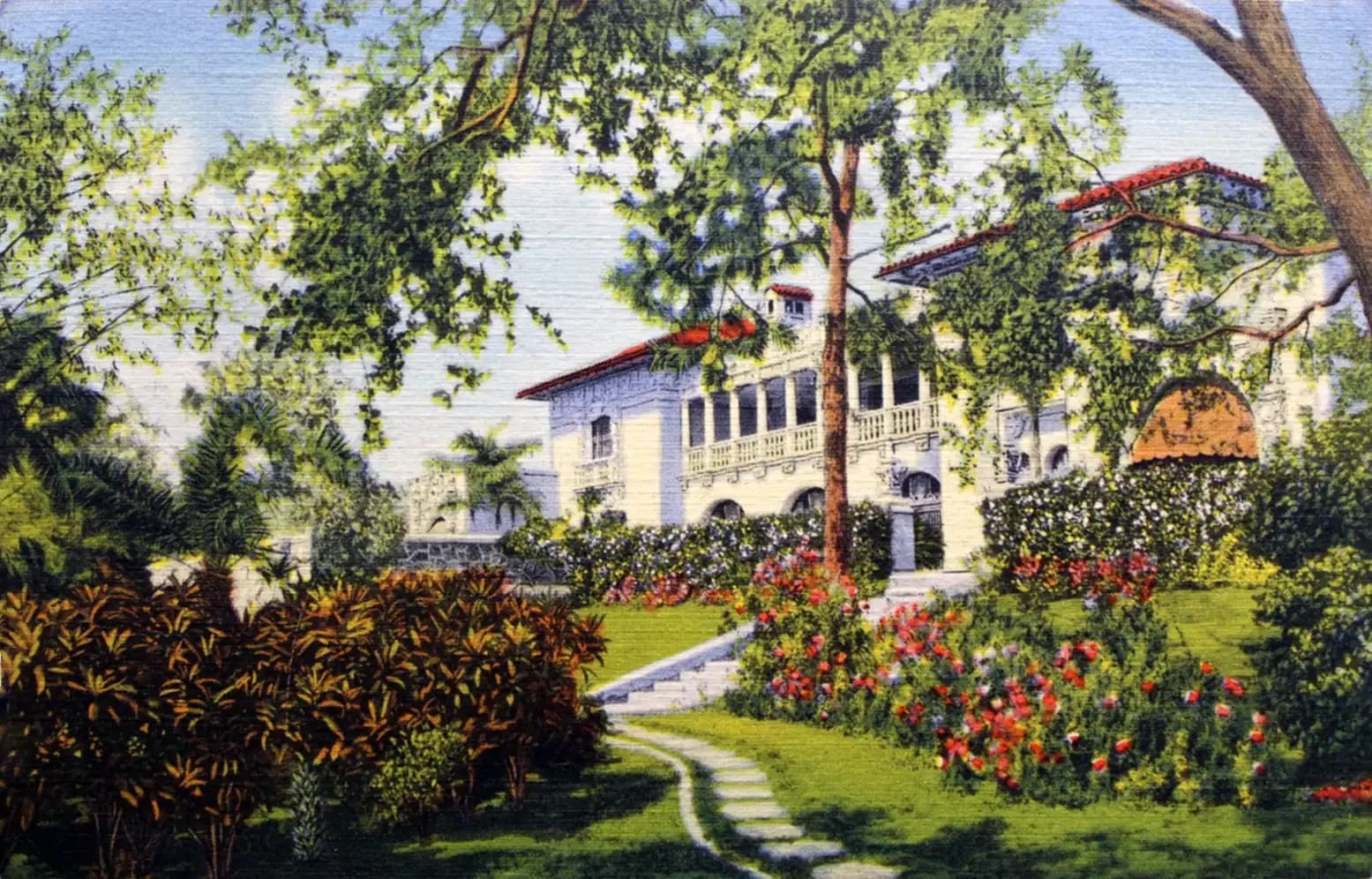
Photo: Berry-Hilton Co.Public domain

Coconut Grove was here before Miami was. People were living and farming along this stretch of Biscayne Bay in the 1870s and 1880s, two decades before the city incorporated in 1896, and the Grove kept its own identity as a separate town until Miami annexed it in 1925. It has never entirely stopped behaving like a separate place.

Two settlements made it. Bahamian labourers, many from the Abacos and Eleuthera, arrived to clear land, build in the wrecking and construction trades, and work the new bayfront hotels; they settled the inland blocks that became the West Grove, and brought the shotgun-house form and the conch cottage with them. At the same time New England and mid-Atlantic transplants — yacht designers, naturalists, writers — settled the bayfront, drawn by the climate and the sailing. The two communities built the neighbourhood together and were segregated within it for most of the century that followed, a history the Grove is only recently getting honest about.

What survives is unusually legible. The Barnacle, built in 1891 by yacht designer Ralph Middleton Munroe, is the oldest house in Miami-Dade County still standing where it was built, set in five acres of hardwood hammock running down to the water. Charles Avenue in the West Grove still carries the Bahamian cottages, a historic cemetery and the Mariah Brown house. And Miami's City Hall is the 1934 Pan American Airways seaplane terminal at Dinner Key, where the flying boats left for Havana and South America — government has met in it since 1954.

Above all, the Grove has trees. It is the shadiest neighbourhood in the city, with a real canopy of live oak, banyan and mahogany over narrow streets, and walking here in August is a genuinely different experience from walking anywhere else in Miami.

The village centre around Grand Avenue and Main Highway holds the cafés, CocoWalk and the sailing clubs. Vizcaya is ten minutes north.
Getting there and parking

Coconut Grove occupies the bayfront south of Vizcaya and east of Coral Gables, about four miles from downtown.

Metrorail stops at Coconut Grove station on the Green and Orange lines, roughly a fifteen-minute shaded walk from the village centre at Grand Avenue and Main Highway. This is one of the few Miami neighbourhoods rail genuinely serves.

Free trolleys link the Grove with Coral Gables and with the Metrorail stations, running on published loops at no charge.

Driving, there is a municipal garage near CocoWalk plus metered street parking, both of which fill from Friday afternoon. Avoid entirely over Presidents' Day weekend, when the Coconut Grove Arts Festival closes the centre.

Rideshare takes ten to fifteen minutes from Brickell, twenty from downtown, and thirty to forty-five from South Beach.

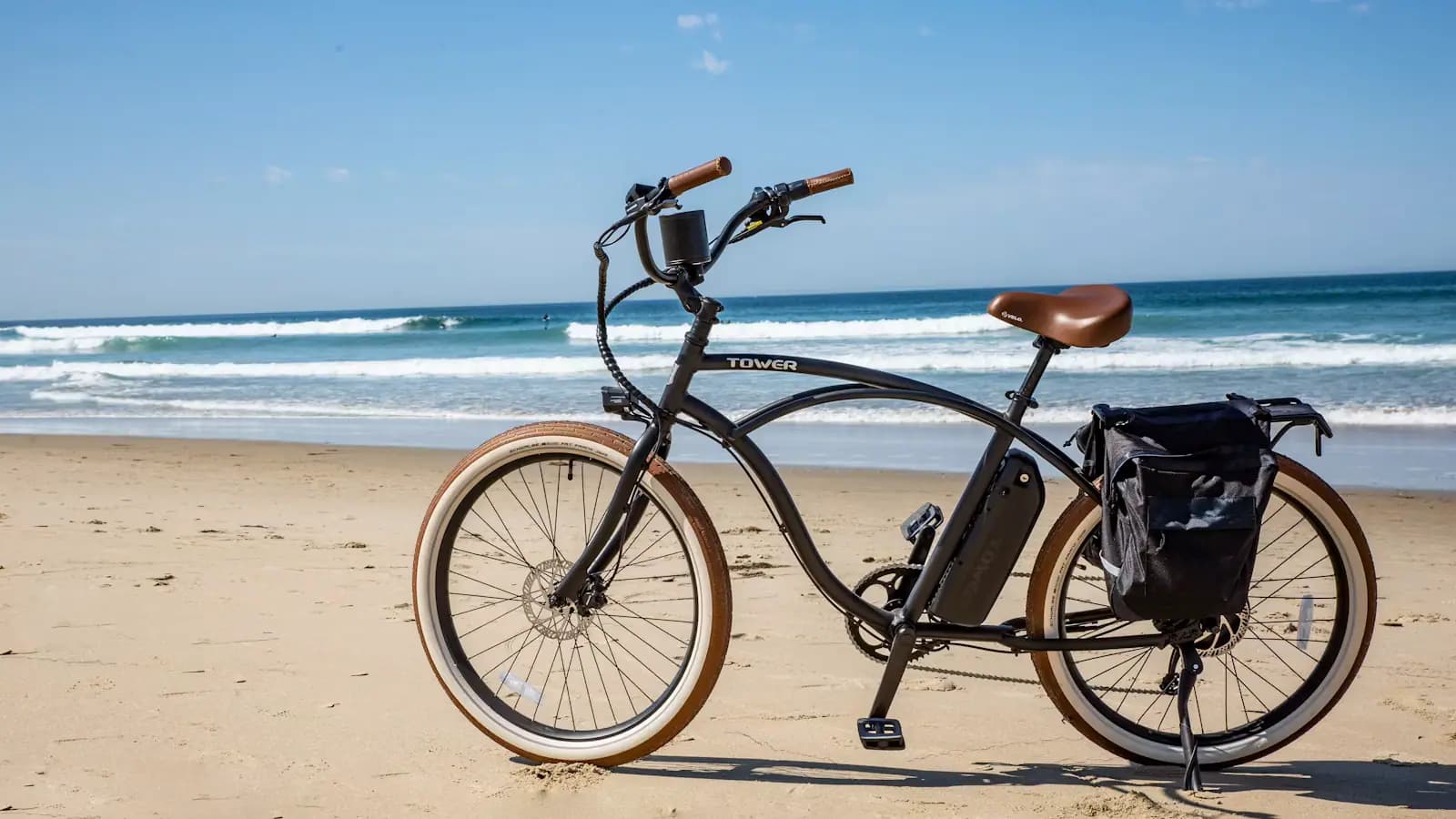
Cycling, the Commodore Trail runs along South Bayshore Drive north to Vizcaya — flat, shaded and one of the better bike routes on the mainland.

Charles Avenue and the Bahamian Grove

The West Grove is the part of Coconut Grove most visitors never reach, and it is the older story.

Bahamian migration to South Florida began in earnest in the 1870s and 1880s, and the settlers who came to the Grove brought building knowledge Florida did not have: how to frame for hurricanes, how to work coral rock, how to lay out a house for cross-ventilation. They built along what became Charles Avenue, the neighbourhood's first Black street, in shotgun and conch-cottage forms with steep roofs and porches.

Landmarks along it include the Mariah Brown house, home of one of the earliest Bahamian residents, and the Charlotte Jane Memorial Park Cemetery, where many of the founding families are buried. Several churches on and near the avenue date to the same period.

This is a residential street under real pressure. Property values in the surrounding Grove are among Miami's highest, and the historic cottages have been disappearing to redevelopment for decades despite preservation designations. Walk it, read the markers, and treat it as a neighbourhood rather than a site — houses here are lived in.

The Coconut Grove Goombay Festival, a Bahamian street festival with junkanoo bands, has run on and around Grand Avenue for decades, though its dates and scale have varied in recent years.

The Barnacle, Dinner Key and the bay

  • The Barnacle Historic State Park, on Main Highway, preserves Ralph Middleton Munroe's 1891 house on five acres of hardwood hammock running down to the bay. It is the oldest house in the county on its original site, and its design is a lesson in pre-air-conditioning building: raised, centrally vented, oriented to the prevailing breeze. House tours run on a set schedule with a small state-park admission; check times before you go, as they are limited and change.
  • Dinner Key holds Miami City Hall in the 1934 Pan American Airways seaplane terminal — the building from which flying boats departed for Havana, Rio and Buenos Aires. It has housed city government since 1954, and the exterior and lobby are worth ten minutes.
  • Dinner Key Marina next to it is one of the largest marinas in the region and the launching point for sailing charters and boat trips into the bay.
  • Peacock Park is the open bayfront green in the village centre, named for the family who ran the area's first hotel in the 1880s.
  • The Kampong, the former home of plant explorer David Fairchild, is a botanical garden of tropical fruit trees, open by appointment rather than as a walk-in attraction.

The bayfront here faces east across Biscayne Bay to Key Biscayne, and the sailing is the reason half the neighbourhood lives here.

The village centre, and what it is now

The commercial heart sits around the junction of Grand Avenue, Main Highway and McFarlane Road, and it has been through several identities.

In the 1960s and 1970s the Grove was Miami's counterculture neighbourhood — head shops, folk clubs, the Coconut Grove Playhouse. In the 1980s and 1990s CocoWalk turned it into a nightlife destination that drew crowds from across the county and, eventually, exhausted itself. The current version is calmer and considerably more expensive: a rebuilt CocoWalk, a farmers' market on Saturdays, pavement cafés, boutiques, and a residential population that includes a good share of Miami's old money.

The Coconut Grove Arts Festival, over Presidents' Day weekend in February, is the one date that transforms the village. It is one of the largest outdoor fine-art festivals in the country, it closes the centre to traffic, and accommodation and parking within a mile become difficult.

The Coconut Grove Playhouse on Main Highway, a 1927 theatre that closed in 2006, has been the subject of a long and unresolved preservation fight. Its facade still stands behind hoarding.

Eating here skews to sit-down restaurants with terraces rather than the quick-service food of Little Havana or Wynwood. It is pleasant, and it is not cheap.

Getting there, parking and the canopy

Metrorail reaches it. Coconut Grove station on the Green and Orange lines is about a fifteen-minute walk from the village centre — uphill in the loosest possible sense, and shaded most of the way. Douglas Road station is the alternative for the northern edge.

Driving, there is a municipal garage near CocoWalk and metered street parking that fills from Friday afternoon through Sunday. During the February arts festival, do not attempt it.

Free trolley routes connect the Grove to Coral Gables and to the Metrorail stations.

Rideshare is ten to fifteen minutes from Brickell, twenty from downtown, thirty to forty-five from South Beach.

By bike, the Commodore Trail runs along South Bayshore Drive between the Grove and Vizcaya, and it is one of the few genuinely good cycling routes in mainland Miami.

The canopy matters. Coconut Grove keeps more mature tree cover than any other Miami neighbourhood, which makes it the most tolerable place in the city to walk between June and September. It also means the streets are dark at night and the pavements are buckled by roots in places.

Tours that visit The Grove

Operators run these trips past The Grove, or stop there as part of a longer route. We list what the booking data supports — not everything that mentions the name.

Some links below go to Viator, our booking partner. We earn a commission on bookings made through them — at no extra cost to you, and with no influence on what we recommend.

Near The Grove

Straight-line distances, so allow more on the road — the island is long and has one main parkway.

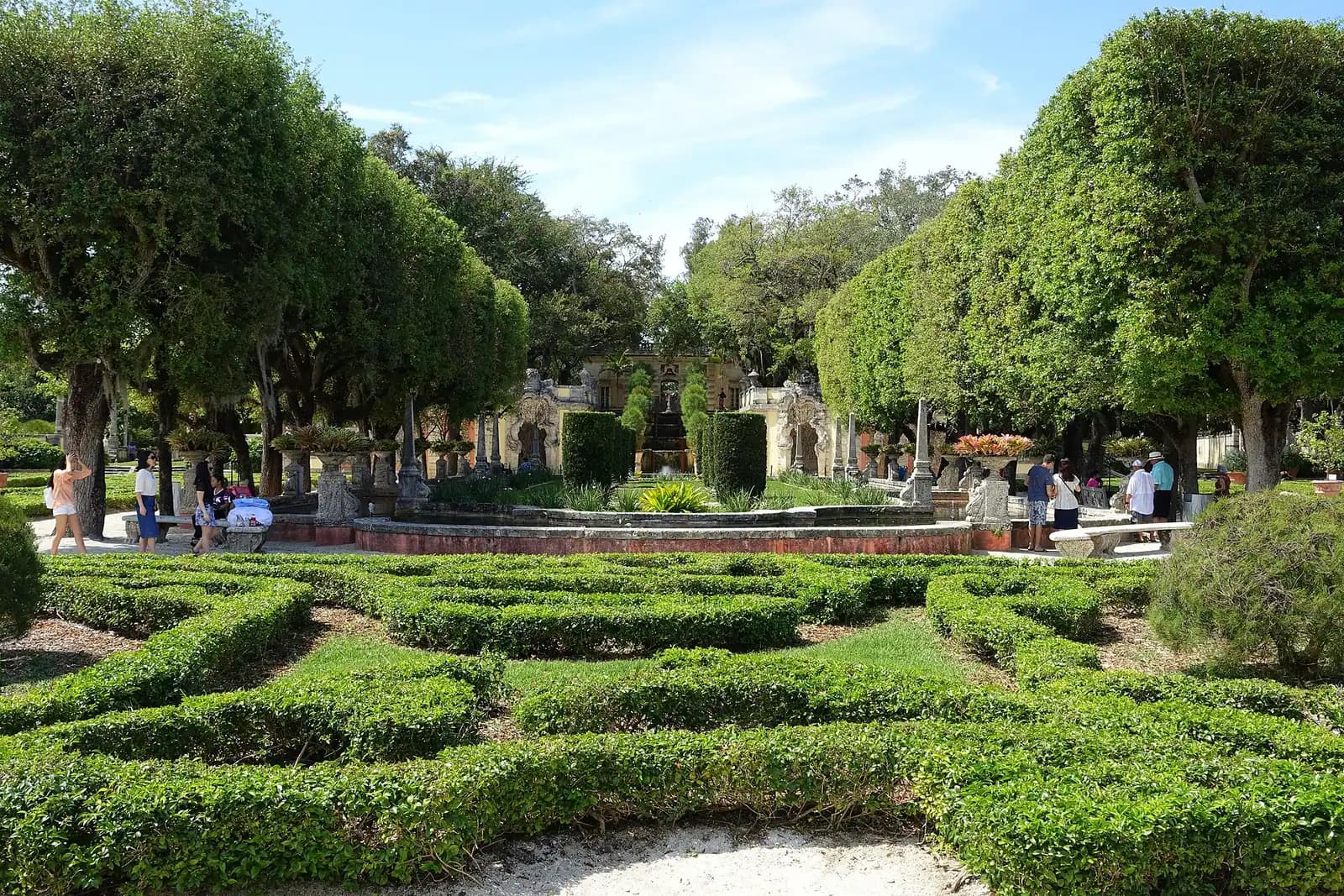
  • The east facade of an Italianate villa facing across formal terraces to open water

    Historic site

    Vizcaya Museum & Gardens

    A 1916 Italian villa built on the edge of a mangrove shore, with formal gardens running down to a carved stone barge in Biscayne Bay.

    2–3.5 hoursTicketed, with adult admission recently around $25 and reduced rates for children roughly 6–12; under-6s free. Timed entry is standard.2.3 mi away

  • A Mediterranean Revival building with barrel-tile roof, arcades and stucco walls under palms
    Free

    Neighbourhood

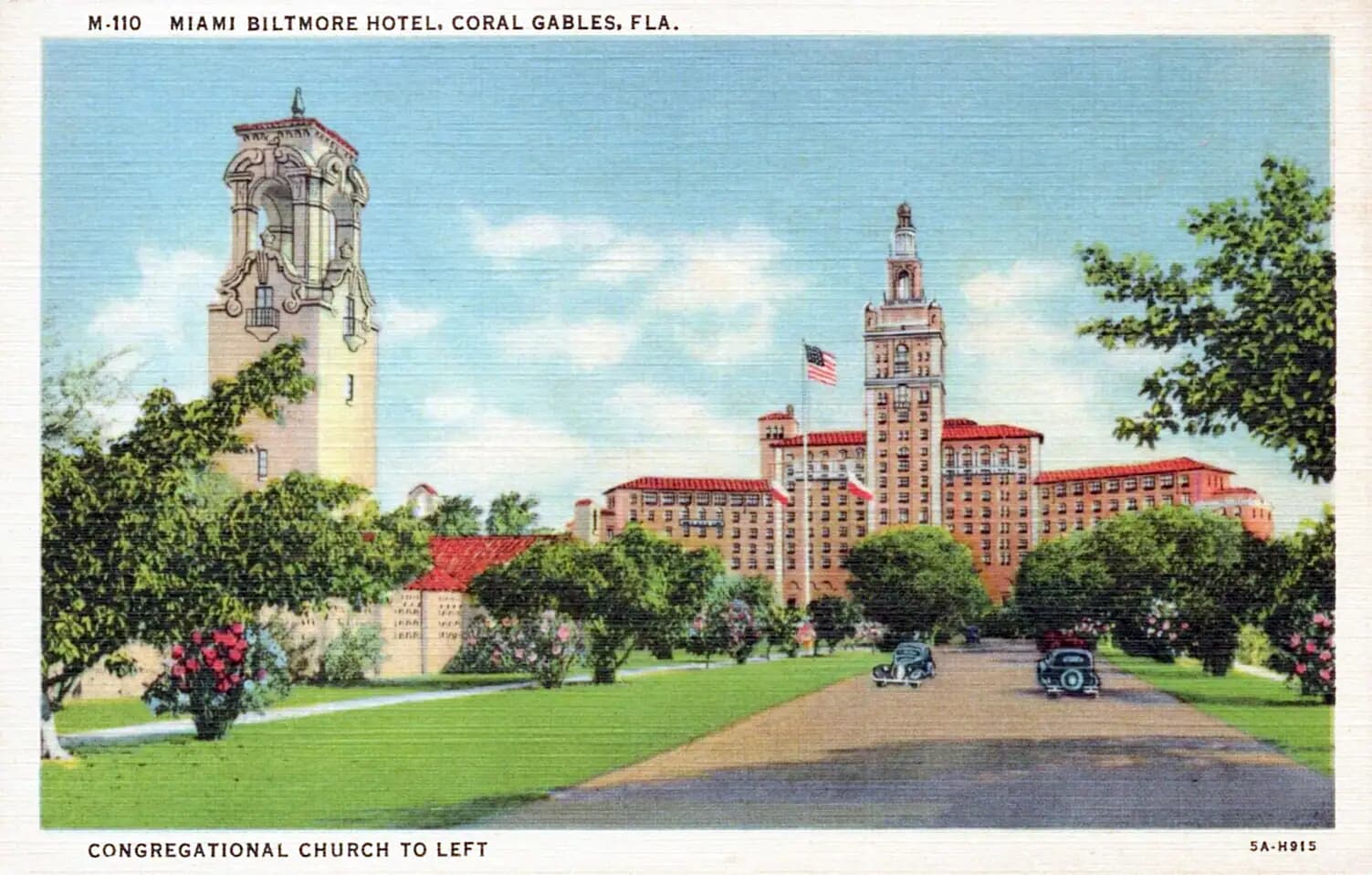
    Coral Gables

    A whole city planned and sold in the 1920s to one Mediterranean design code, and still enforcing it a century later.

    2.5–6 hoursFree to visit the city, Miracle Mile and the residential streets. The Venetian Pool, the Coral Gables Museum and Fairchild Tropical Botanic Garden each charge their own admission.1.8 mi away

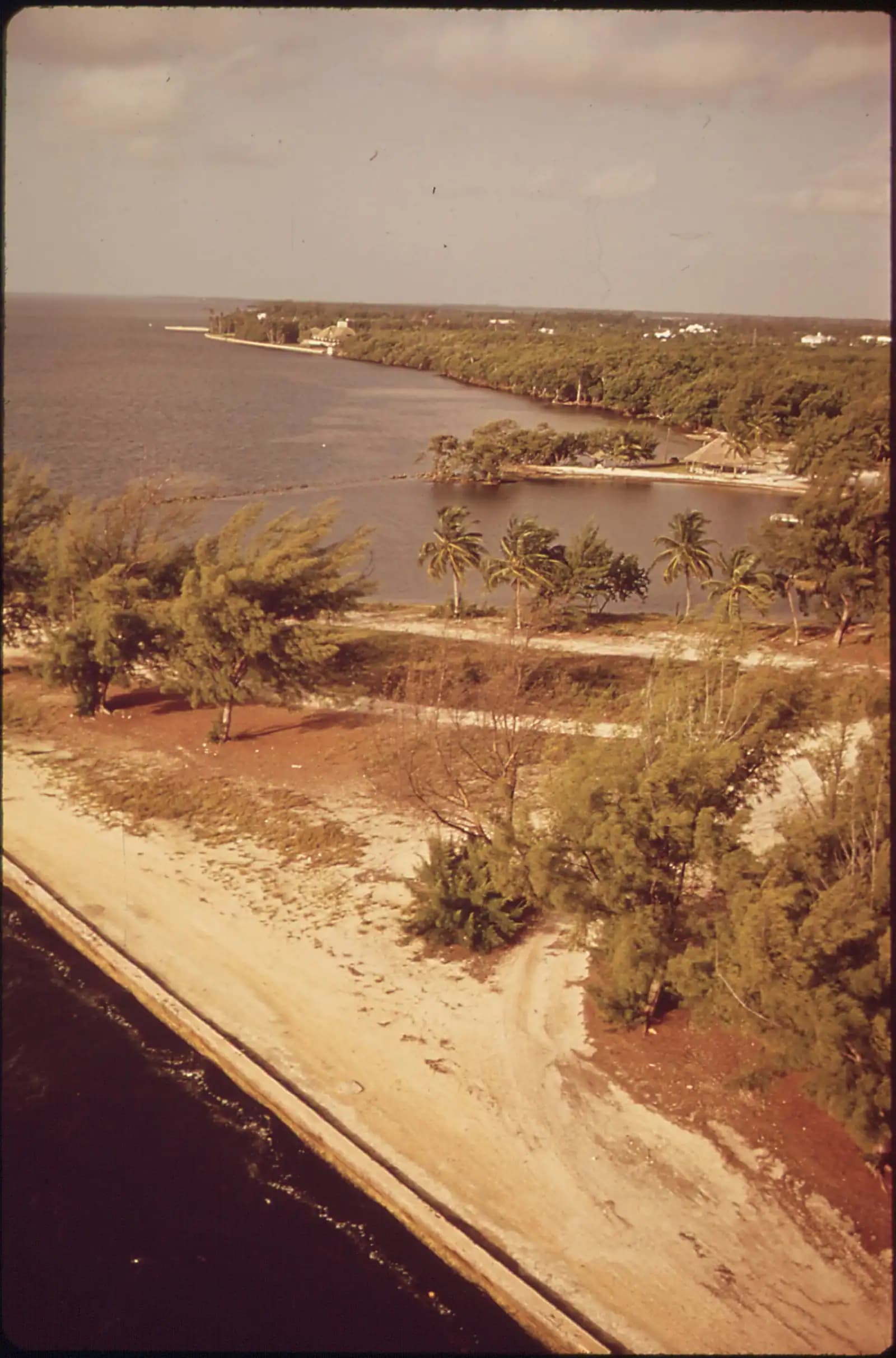
  • A calm circular saltwater pool ringed by sand and mangrove with a distant city skyline

    Park

    Matheson Hammock Park

    A man-made tidal pool cut into the mangrove edge in the 1930s, flushed by the bay and framed by the downtown skyline.

    2–5 hoursA per-vehicle parking charge at the gate, higher at weekends. Entry on foot or by bicycle is free. Boat ramp and marina use are charged separately.3.8 mi away

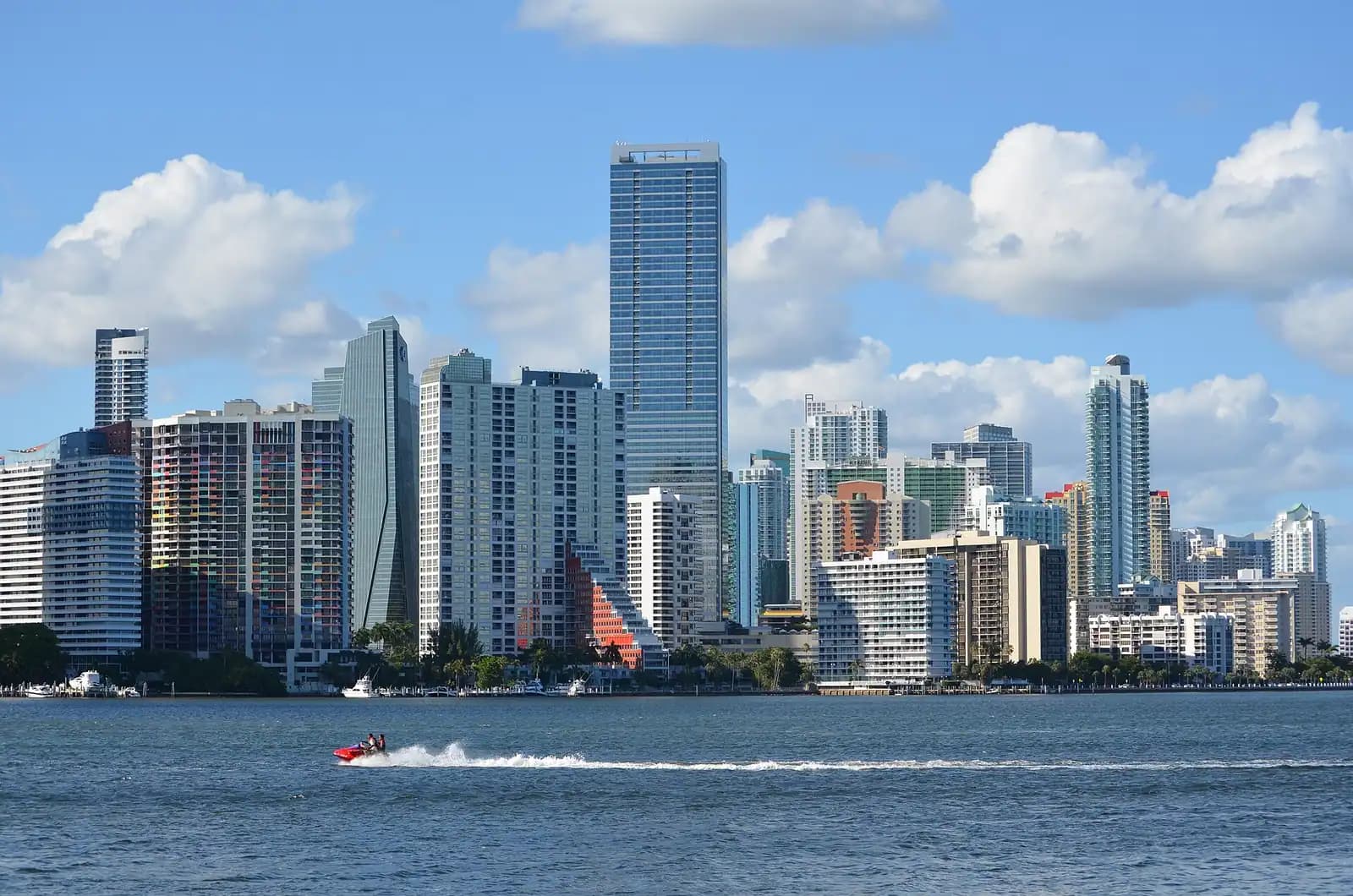
  • Glass residential and office towers rising above a tree-lined street in Miami's Brickell district
    Free

    Neighbourhood

    Brickell

    Miami's most walkable neighbourhood: towers, a free elevated train, and a two-thousand-year-old Tequesta site at the river mouth.

    1.5–5 hoursFree. Walking the district, riding the Metromover and visiting the Miami Circle all cost nothing.4 mi away

The Grove: common questions

Is Coconut Grove older than Miami?

Yes. People were settled along this stretch of Biscayne Bay from the 1870s and 1880s — Bahamian labourers inland and Northeastern pioneers on the bayfront — while Miami itself did not incorporate until 1896. Coconut Grove remained a separate town until Miami annexed it in 1925. It is the city's oldest continuously inhabited neighbourhood, and the Barnacle, built in 1891, is the oldest house in Miami-Dade still standing where it was built.

What is there to do in Coconut Grove?

Walk the shaded streets, which is the point of the place. Specifics: the Barnacle Historic State Park on Main Highway, Miami City Hall in the 1934 Pan Am seaplane terminal at Dinner Key, Charles Avenue and the Bahamian West Grove, Peacock Park on the bay, the rebuilt CocoWalk and the village cafés, and sailing charters out of Dinner Key Marina. Vizcaya is ten minutes north and pairs naturally with a Grove afternoon.

Why is Miami City Hall an old airport terminal?

Because Dinner Key was Pan American Airways' seaplane base, and the 1934 terminal building by Delano & Aldrich handled flying boats departing for Havana, the Caribbean and South America when that was the fastest way to cross the water. Commercial seaplane service ended after the Second World War, and the City of Miami moved its government into the building in 1954. It has met there ever since.

Can you get to Coconut Grove on Metrorail?

Yes. Coconut Grove station on the Green and Orange lines sits about a fifteen-minute walk from the village centre, and the walk is shaded for most of its length. Douglas Road station serves the northern edge. Free city trolleys connect the stations with the village and run on to Coral Gables. This makes the Grove one of the few Miami neighbourhoods that is straightforward to reach without a car.

When is the Coconut Grove Arts Festival?

Over Presidents' Day weekend in February, when it closes the village centre to traffic for one of the largest outdoor fine-art festivals in the United States. It is excellent and it makes driving, parking and accommodation within a mile of the Grove extremely difficult. If you are visiting that weekend, plan to arrive by Metrorail or rideshare and expect crowds throughout the village.