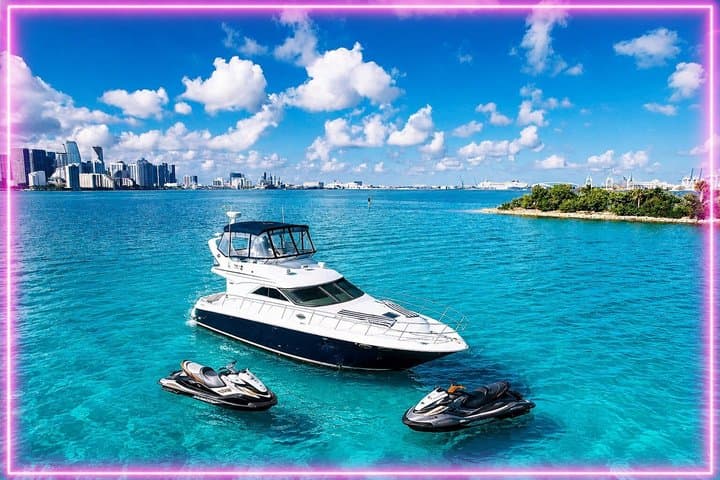
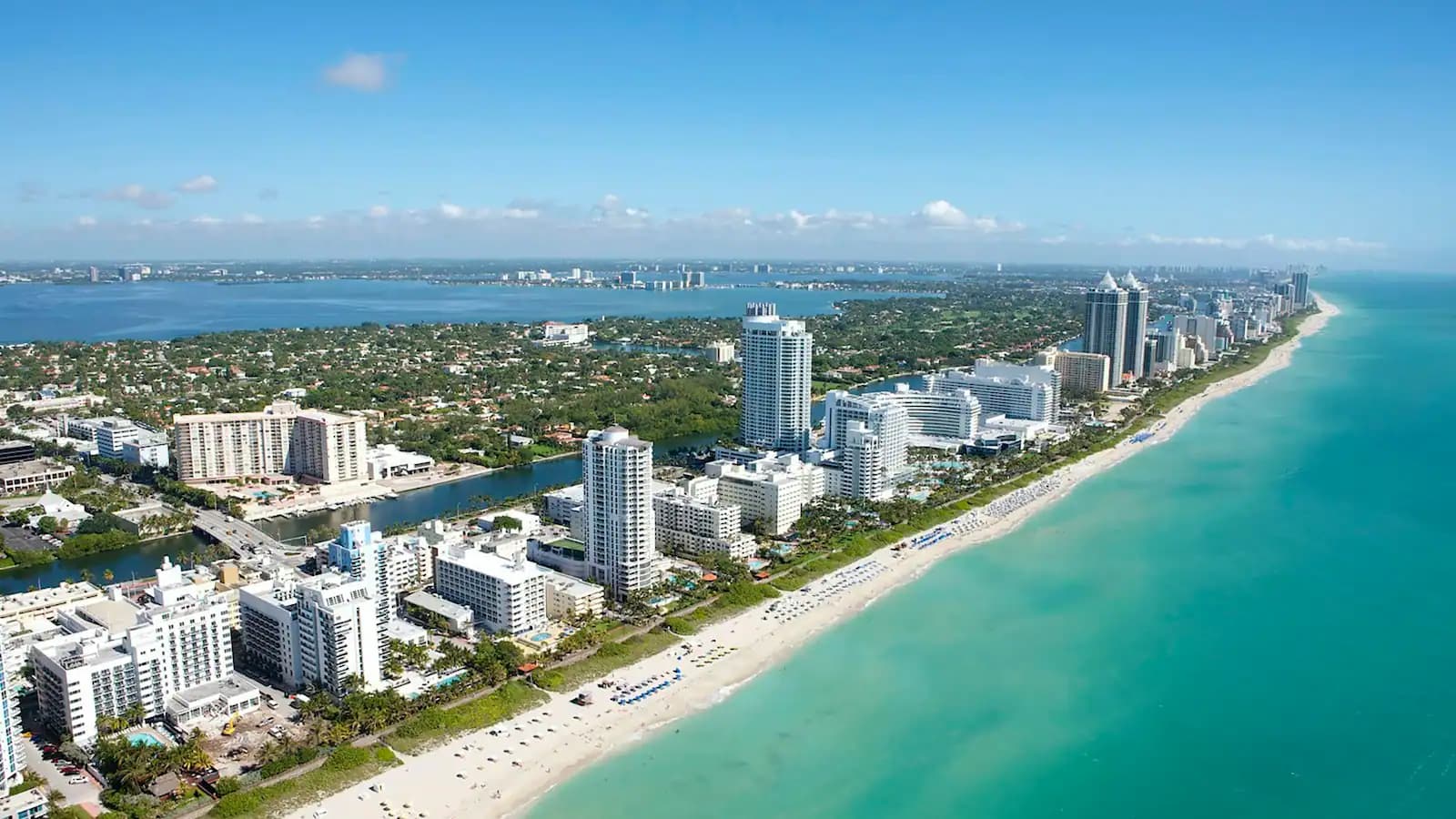
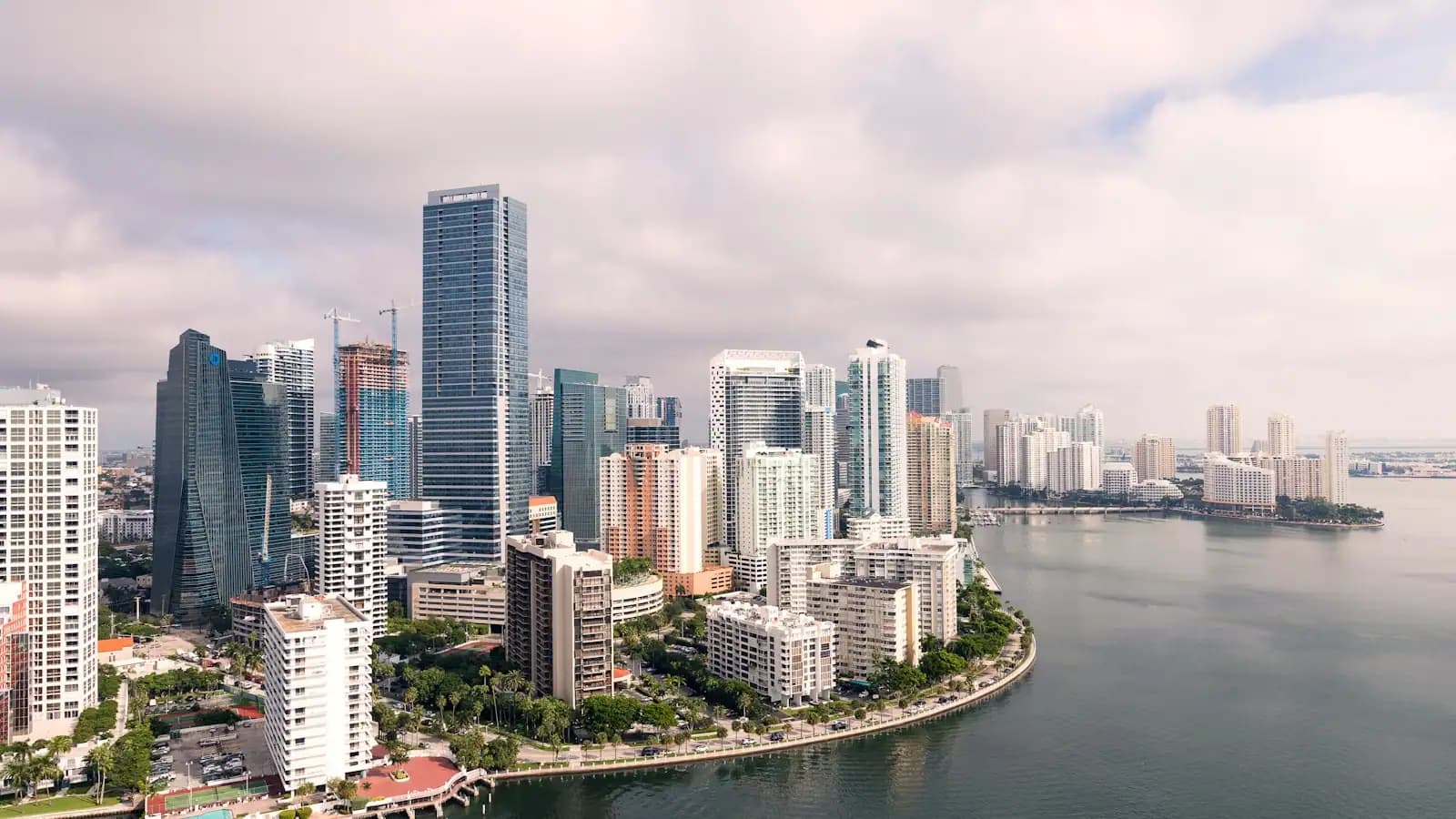
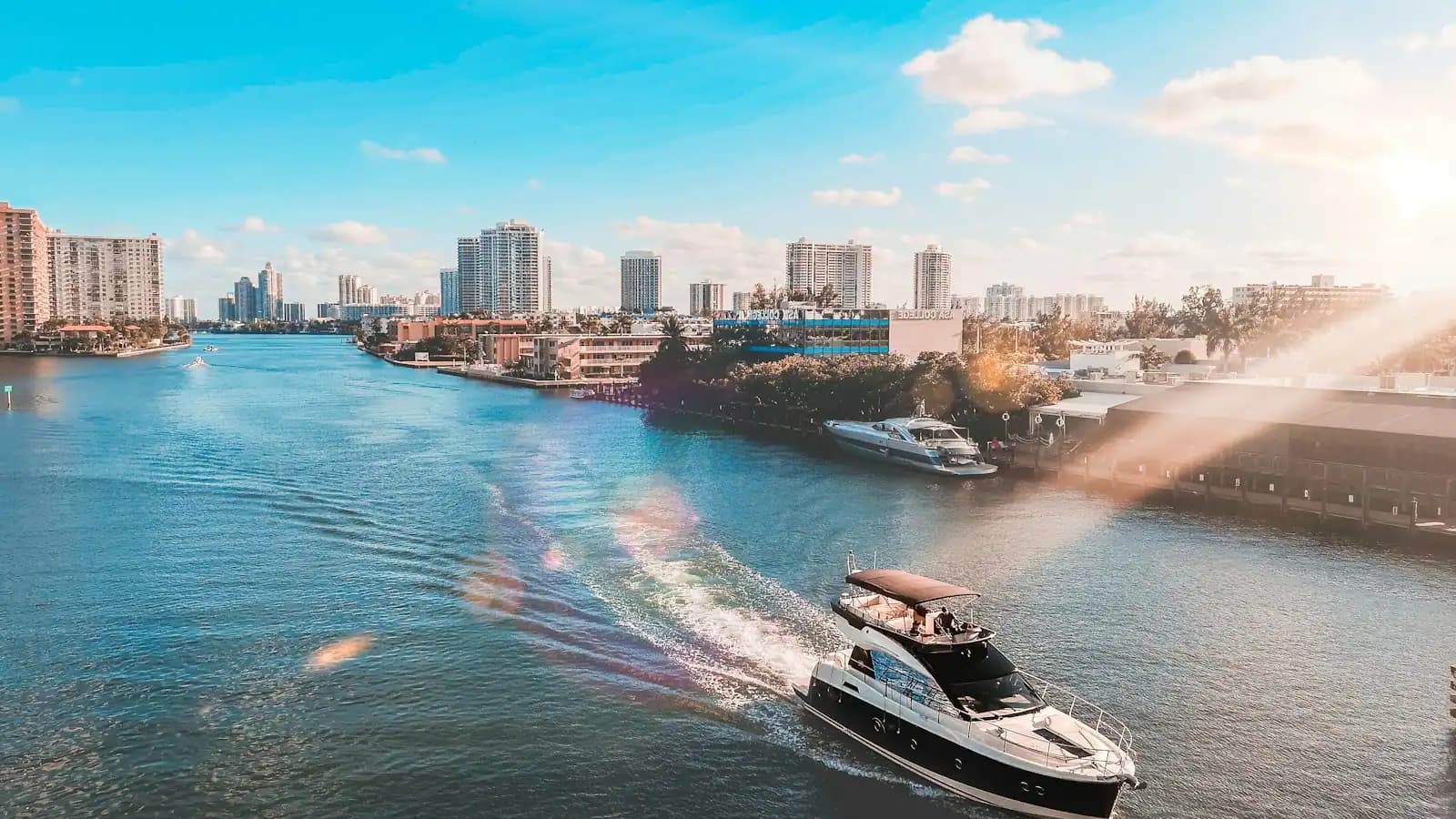
Miami has a geographic advantage in fishing that no other major American city has, and it comes down to a current. The Gulf Stream, which carries warm water north along the eastern seaboard, is squeezed between the Florida peninsula and the Bahama Banks here, and off Miami-Dade in the cooler months it can run within about three miles of the beach. In most of the country, reaching blue water means an hour or two of steaming. Out of Haulover or Government Cut you can be in 600 feet of water twenty minutes after leaving the dock, with the skyline still clearly visible behind you. That shapes everything: half-day trips are genuinely offshore trips, and a four-hour window between other plans is enough.
The headline fishery is sailfish, and the season is backwards from what visitors assume. Miami's sailfish run through the cooler months, roughly November to April with the peak in the depths of winter, driven by cold fronts that push bait south along the edge of the reef. Fish are frequently caught a mile or two from the beach. Kingfish and wahoo overlap with them. Come back in spring and early summer and the target changes to mahi-mahi under weed lines and floating debris in the blue water, blackfin tuna, and blue and white marlin further out. And South Florida crews effectively invented modern daytime swordfishing, dropping baits into 1,500 to 1,800 feet in daylight, which is a specialist twelve-hour trip and one of the more remarkable things you can book here.
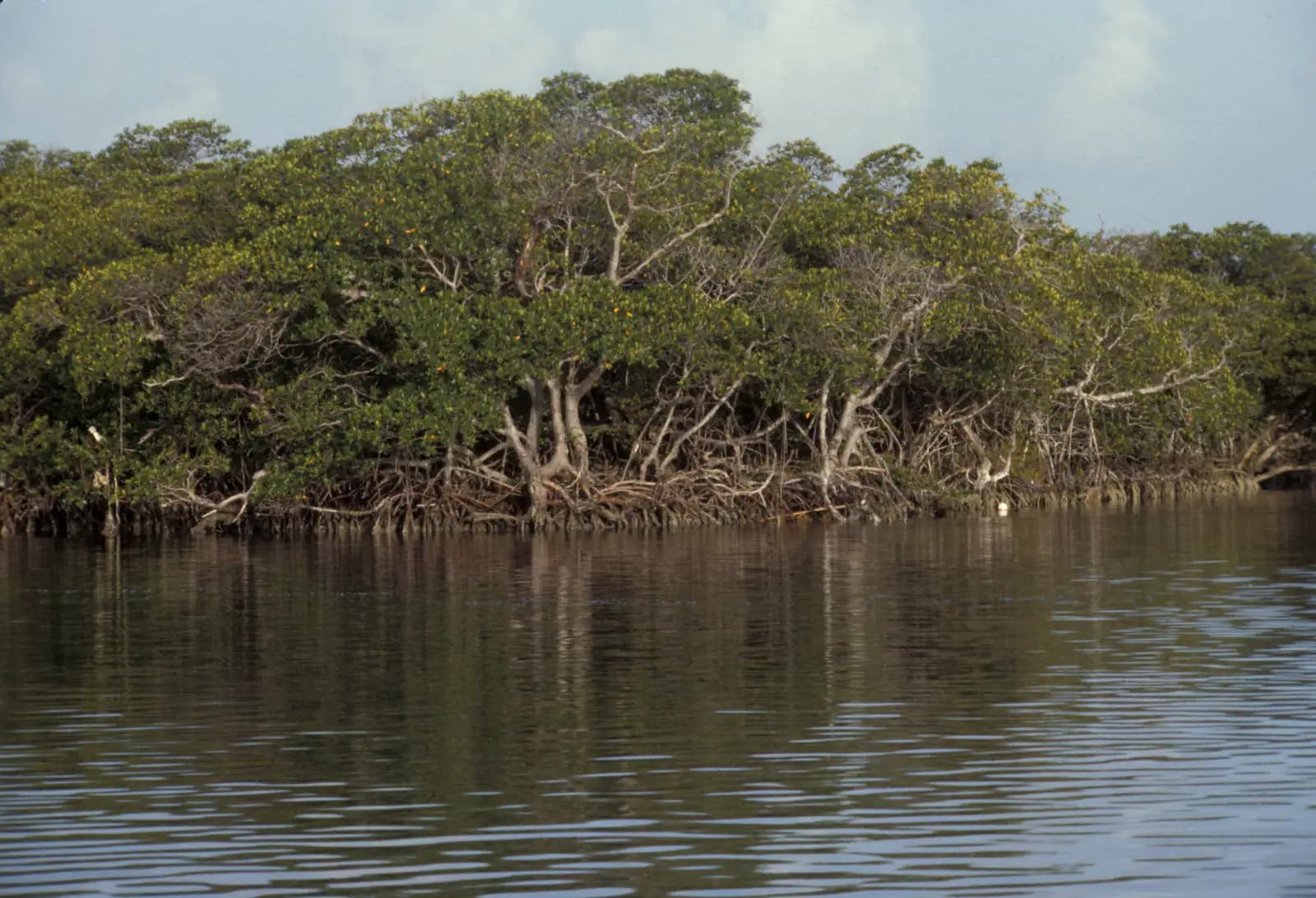
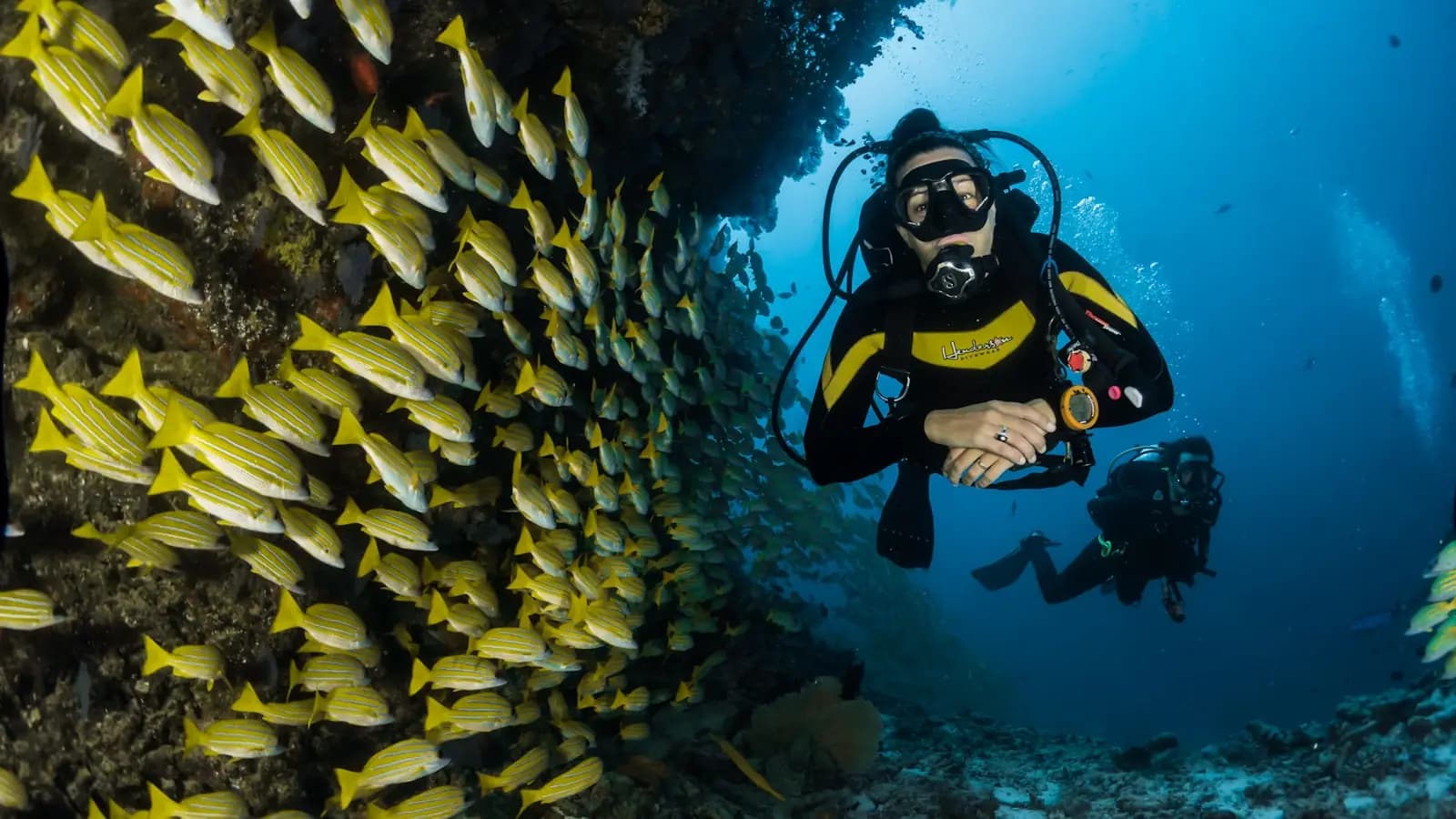
Below the offshore fleet there are three other Miami fisheries that get far less attention. The reef in 60 to 150 feet holds yellowtail and mutton snapper, grouper in season, hogfish and amberjack, and it is where the drift boats work. Biscayne Bay's flats and the mangrove edges of Biscayne National Park hold bonefish, permit and snook, plus tarpon that stack up in Government Cut and around the port bridges in spring, hundred-pound fish hooked within sight of a cruise terminal. And then there are the canals.
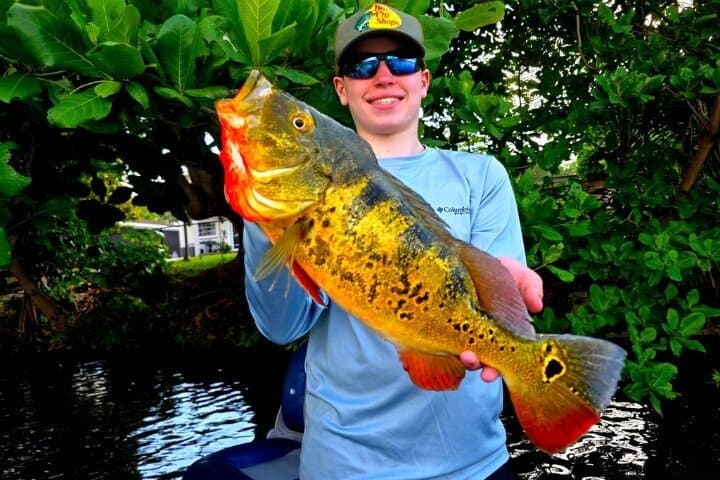
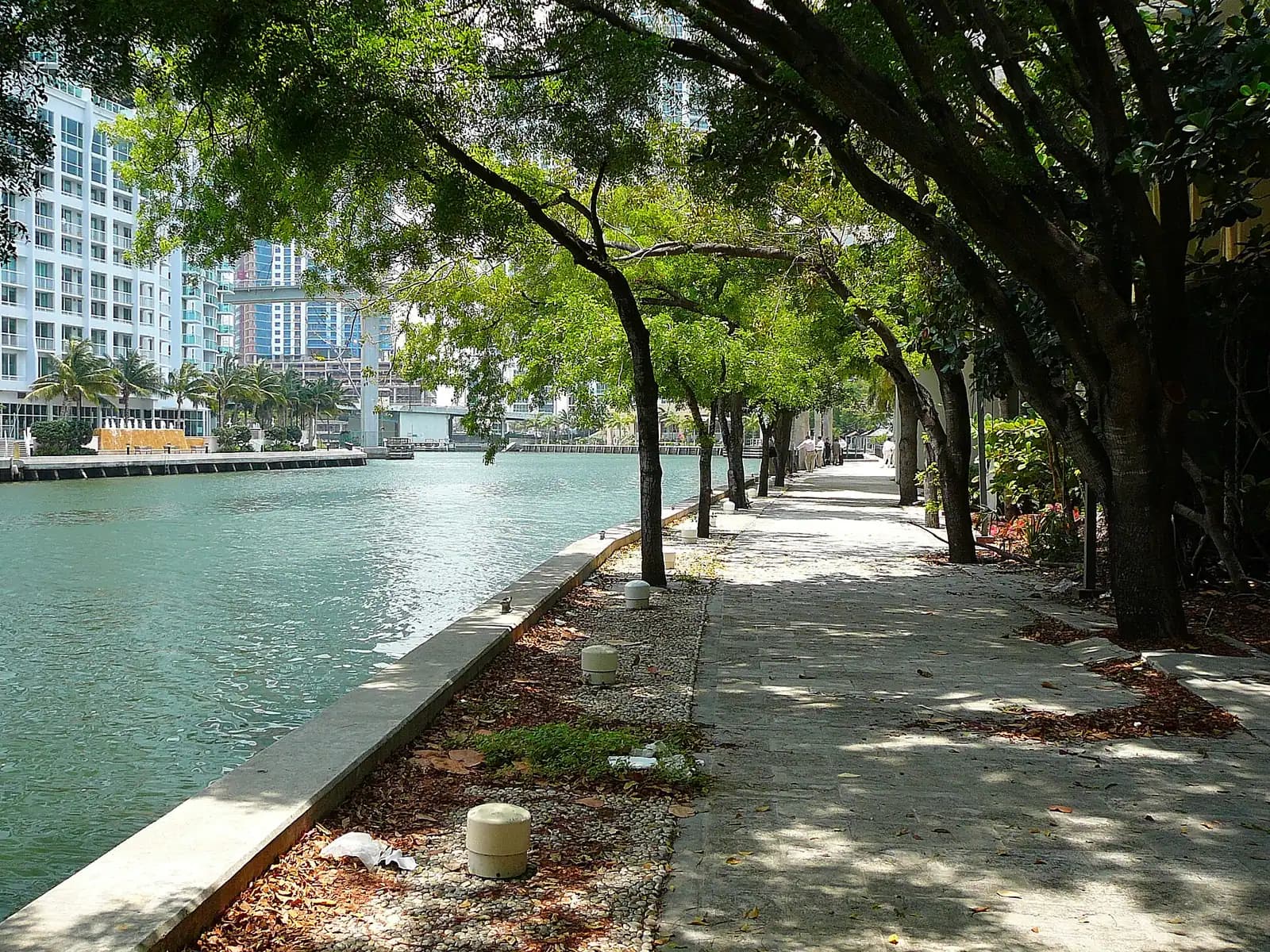
The canals are the surprise. In 1984 the state released roughly 10,000 juvenile butterfly peacock bass into Miami-Dade's canal network, mainly to control spotted tilapia, and they took. Peacock bass are now the only non-native fish legally established in Florida, confined by cold tolerance largely to Miami-Dade and Broward, and they have created an urban sport fishery worth millions of angling hours a year. You can catch an aggressive South American cichlid on a fly, in a drainage canal, ten minutes from Miami International Airport. Guides run half-day trips on it and it is the most Miami thing on this page.
Two practical notes before you book. First, you do not need to buy a fishing licence to fish on a properly licensed charter, headboat or guide vessel in Florida: the vessel's licence covers its passengers. You do need one to fish from a bridge, a pier or the shoreline on your own. Second, the same Gulf Stream that makes the fishing good makes the ride rough when a winter front puts a north wind against it, stacking the sea into short steep faces. A sunny January morning can be an unpleasant boat ride. Ask the captain, and believe the answer.