Skip to content
Search
Menu

We earn a commission if you book through this link. You pay the same price.

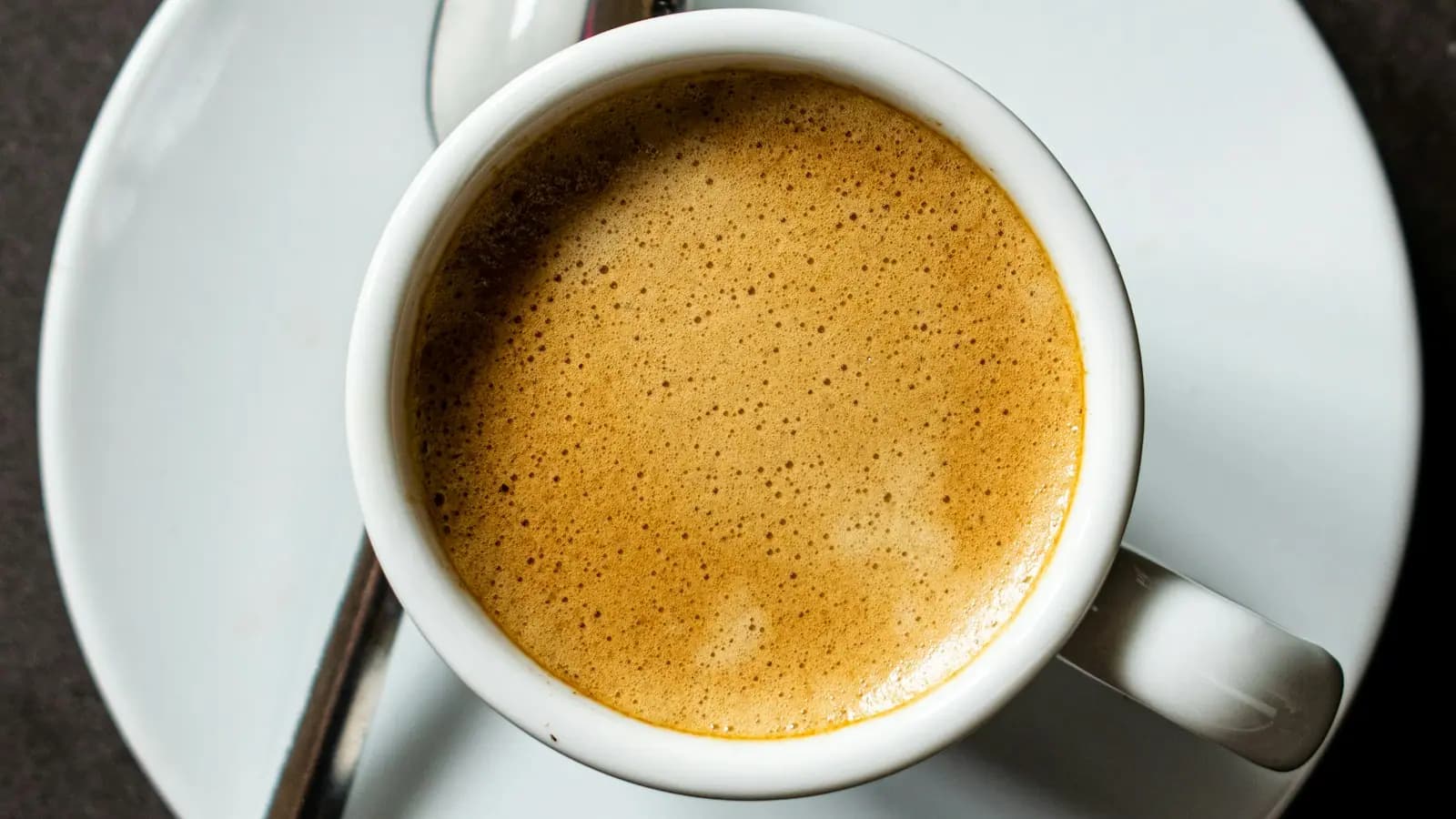
A small cup of strong black coffee on a saucer with a spoon beside it

Tours

Food Tours in Miami

Last updated

Miami food tours compared: Little Havana and Wynwood walks, what they cost, what you eat, and how to order a cafecito at a ventanita without a guide.

The single most useful thing a food tour does in Miami is teach you to order. Not because the food is difficult, but because the ritual is specific and nobody explains it on a menu. You walk up to a ventanita, the window cut into the side of a cafeteria, and you ask for a colada. What arrives is a styrofoam cup of sweetened espresso and a sleeve of plastic thimbles, because a colada is not a drink for one person. It is for the four of you standing on the pavement. Order it alone and the woman at the window will give you a look that a guidebook cannot.

Underneath that ritual is a genuinely deep food city, and it is not the one on the postcards. Miami eats Cuban, Haitian, Nicaraguan, Venezuelan, Colombian, Dominican, Peruvian and Argentine on ordinary weekdays, usually in strip malls, usually for under fifteen dollars, usually a long way from the water. The Cuban sandwich, the croqueta and the pastelito de guayaba are the entry points. The mamey batido, the tostones with mojo, the fritanga plate and the griot with pikliz are where it gets interesting.

Food tours here concentrate on two neighbourhoods, which is both their strength and their limit. Little Havana walks put six tasting stops into two and a half hours along Calle Ocho, usually taking in a cigar counter, a fruit stand, a bakery and a ventanita, and they work because the blocks are dense and the businesses are used to visitors. Wynwood tours pair five restaurants with the murals in between. Both are good value against the rest of Miami's tour inventory and both leave the city's best eating untouched, because that eating is in Hialeah, Sweetwater, Doral and Westchester, and no walking tour goes there.

So book one for the first day, to learn what things are called and how to order them. Then spend the rest of the week eating without a guide, which is the actual point.

Our picks

The ones we would book

  • Editor's Pick

    Best Little Havana food walk

    Why we chose it

    The version that gets the balance right: six tasting stops across about six blocks of Calle Ocho in two and a half hours, including a ventanita, a bakery and a sit-down plate rather than six snacks. The test of a good one is whether the guide explains the colada before handing you the thimbles. Book two or three days ahead.

    Little Havana Food and Walking Tour in Miami
    Editor's PickFree cancellationSmall group

    Small Group

    Little Havana Food and Walking Tour in Miami (opens in a new tab)

    9.9K reviews

    Join us on a culinary and cultural walking tour of Little Havana where you will discover the traditions, history, music and flavors of…

    2–3 hours

    Prices checked

    from $69.99

What you will actually be eating

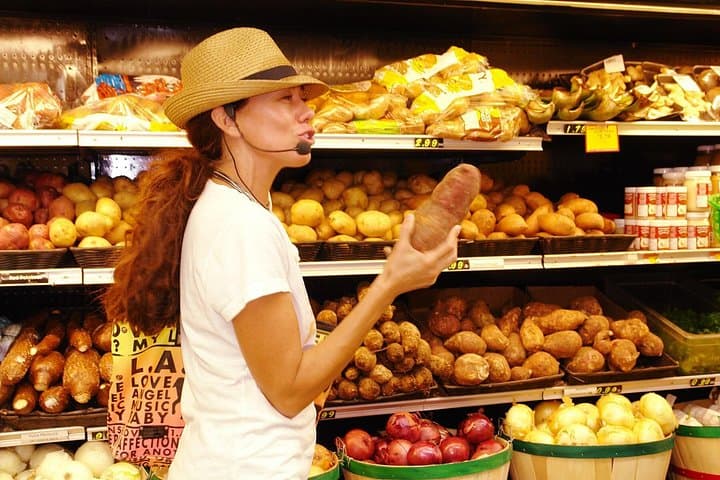
Cuban. The cafecito, a thimble of espresso whipped with sugar, and its larger sharing version the colada. The cortadito, with steamed milk, for the morning. Croquetas de jamón, fried to a shell and eaten in two bites. Pastelitos, flaky pastry with guava, guava and cheese, or meat. The Cuban sandwich, pressed on pan cubano with roast pork, ham, Swiss, mustard and pickle, and its late-night cousin the medianoche on sweet egg bread. Ropa vieja, vaca frita, tostones, mariquitas. Batidos, thick fruit milkshakes, especially mamey and guanábana.

Haitian. Griot, cubed pork shoulder marinated, boiled then fried, served with pikliz, the fierce pickled cabbage and scotch bonnet relish that makes the dish. Diri ak djon djon, rice cooked with black mushrooms. Legim. Barbancourt rum, neat.

Central and South American. Nicaraguan fritanga plates in Sweetwater, which locals call Little Managua. Venezuelan arepas, cachapas and tequeños in Doral, which locals call Doralzuela. Colombian bandeja paisa, Argentine empanadas and parrilla, Peruvian ceviche, Dominican mangú in Allapattah.

Local and seasonal. Florida stone crab claws, in season from mid-October to the start of May, served cold with mustard sauce, and priced by size rather than by weight in a way that catches people out. Key lime pie, which should be pale yellow rather than green. Mamey, mango and lychee from the fruit stands in summer.
Where the tours go, and where they do not

Little Havana. The dominant product. Most walks cover six or so blocks of Calle Ocho between roughly SW 12th and 17th Avenues, with tastings at a bakery, a fruit stand, a cafeteria window and a sit-down restaurant, plus a cigar counter and a stop at Domino Park. Two and a half hours, six stops, and the tastings add up to a meal rather than a snack.

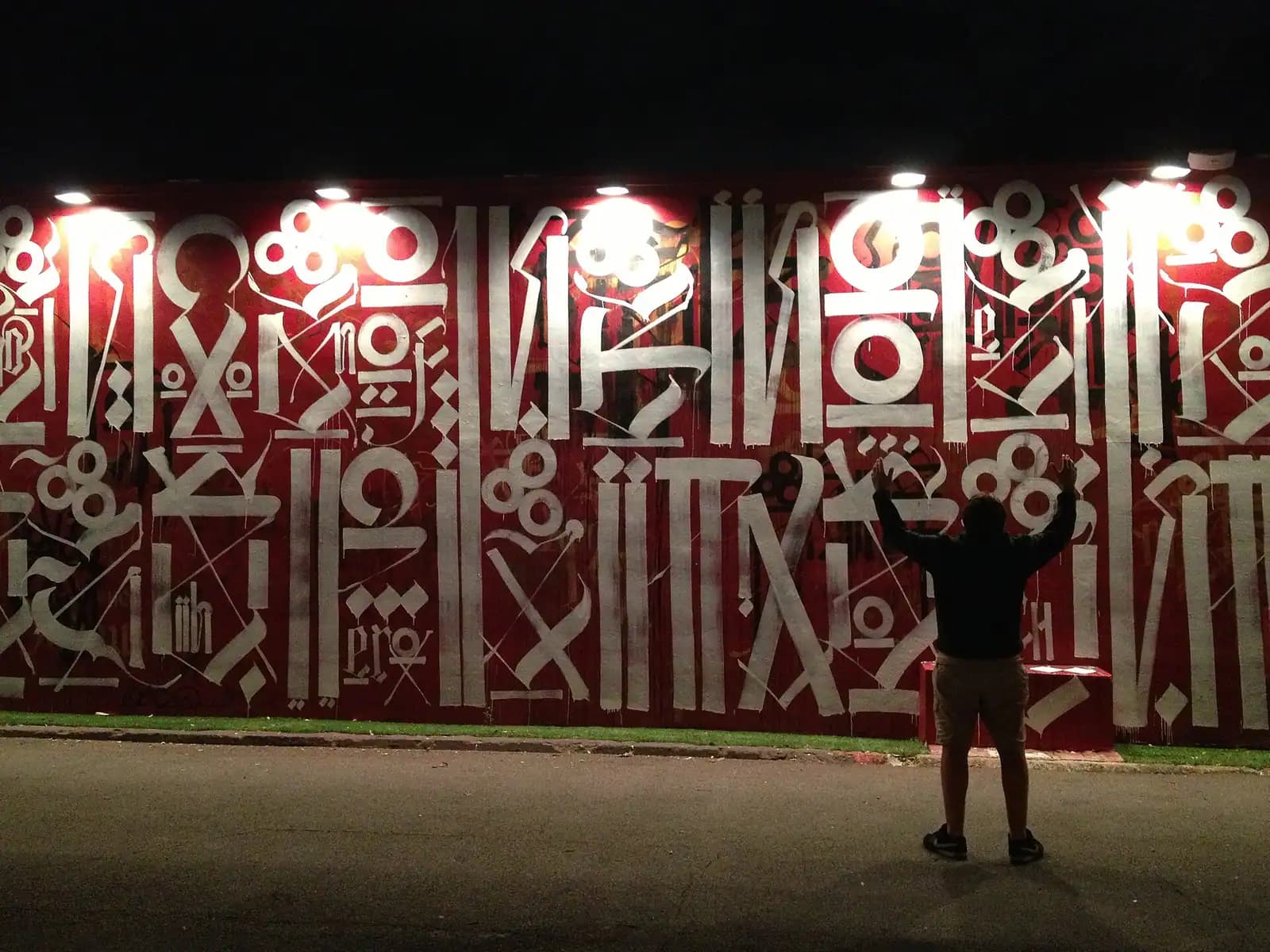
Wynwood. Three hours, five restaurants, murals between stops, and usually access to the Wynwood Walls courtyard folded in. More contemporary and less traditional than Little Havana: tacos, arepas, ice cream, a brewery.

Design District and downtown. Thinner inventory, usually built around a small number of high-end restaurants, and priced accordingly.

Miami Beach. South Beach food walks exist and are a different city; useful if that is where you are staying, less useful as an introduction to how Miami eats.

Where they do not go. Hialeah, which is the largest Cuban-majority city in the United States and has the best Cuban bakeries in the county. Sweetwater for Nicaraguan. Doral for Venezuelan. Westchester and Kendall for the strip-mall restaurants where families actually eat. All of them need a car, none of them has a walking tour, and a rental plus a translation app will feed you better than anything on this page.

One thing to check before booking: a coach tour that lists Little Havana among four stops is giving you about forty minutes there, which is not a food tour.

What Miami food tours cost

What it costs

Bands, not quotes. Confirm at booking and check what is included, because the gap between tours that feed you and tours that sample you is mostly a pricing decision.

  • Little Havana walking food tour: commonly $70 to $90 per person for two and a half hours with five or six tasting stops. This is the standard product and it is priced well below Miami's roughly $89 median tour price when you count the food as a meal.
  • Wynwood food and art tour: roughly $80 to $100 for around three hours, typically five restaurants plus mural access.
  • Private or small-group versions: usually $150 and up per person, or a vehicle rate for a family.
  • Cooking classes: roughly $90 to $150 per person for a few hours, often including the meal and a drink.
  • Rum, cigar or craft-beer tastings: $40 to $80 depending on what is being poured.

What is usually not included: alcoholic drinks beyond one welcome cocktail, gratuity for the guide, and transport between neighbourhoods on combination tours.

Two local pricing habits worth knowing. Many Miami restaurants add an automatic service charge, often around 18 per cent, so read the bill before you add a tip on top. And the ventanita economy runs on small cash: a cafecito is usually a dollar or two, a pastelito not much more, and the windows are the cheapest good thing in the city.

When to book it, and what time of day works

When to go

Time of day. Late morning to early afternoon is the standard slot, and it is the right one. You walk before the worst of the heat, the bakeries still have the morning pastries, and the cafeterias are doing lunch rather than sitting empty. Evening tours exist and trade heat for atmosphere.

Book ahead. Two to three days is usually enough, longer at weekends, in the December peak and during Art Basel week at the start of December. Tours run at small group sizes and do sell out.

Eat nothing first. Six tasting stops is a full meal and then some. Skip breakfast, or skip lunch for an afternoon tour.

Summer. June to November brings short violent afternoon thunderstorms rather than all-day rain, so a 1pm tour may be walking through one downpour and finishing in sunshine. Guides carry umbrellas and the food stops are indoors. Humidity is the real issue: dress for it.

Dates that change the experience. The last Friday of the month is Viernes Culturales in Little Havana, when Calle Ocho closes to traffic between 14th and 17th Avenues for free music and food stalls from about seven in the evening. August and September usually bring the citywide restaurant promotion with fixed-price menus, which is the cheapest time of year to eat at Miami's expensive end.

Stone crab runs from mid-October to early May. Outside that window, what you are offered is frozen or is not stone crab.

Book it

Everything else we track

We could not find tours matching this right now

Nothing came back for food tour. Operators add and retire experiences constantly, so this list changes week to week. Try a broader category, or come back in a day or two.

Which format suits you

How they compare

Little Havana walkWynwood food and artCooking classSelf-guided ventanita crawl
Cost$70 to $90$80 to $100$90 to $150Under $20
Time2.5 hoursAbout 3 hours2 to 4 hoursAs long as you like
You getSix tastings, cigar counter, historyFive restaurants plus muralsA dish you can cook againExactly what you point at
Best forFirst day, first time, understanding the ritualYounger groups, art plus food in one afternoonRainy afternoons, couples, keen cooksRepeat visitors and anyone on a budget
Weak pointFixed route, and you will be full by stop fourLess traditional, more contemporaryNo neighbourhood contextYou will not know what to order at first

The self-guided version is genuinely viable in Little Havana, and cheap. Walk SW 8th Street between 12th and 17th Avenues, buy a cafecito at one window and a pastelito de guayaba at the next, sit in the shade at Domino Park, then eat a proper lunch at a cafeteria with a queue of people who are not tourists. Total cost, under twenty dollars.

Book the guided version if you want the history alongside the food, if the language is a barrier, or if it is your first day and you would like somebody to order for you once so you can do it yourself for the rest of the week.

What to bring on a Miami food tour

What to bring

  • Small cash. Ventanitas, fruit stands and some bakeries are cash-first, and a tip for the guide at the end is expected in the region of 15 to 20 per cent of the ticket price.
  • An appetite. Six stops is a meal. Guides say this and people still eat lunch beforehand.
  • Shoes for pavement. These are walking tours on hot concrete, two to three miles in total, with little shade on Calle Ocho.
  • Sun cover and water. A hat and sunscreen between May and October are not optional, and most tours carry water but not enough of it.
  • Your dietary requirements in advance, in writing. Cuban food is pork-forward, and a vegetarian version of a Little Havana tour exists but has to be arranged when you book, not on the pavement. Coeliac travellers should expect the bread to be the problem, since pan cubano is the point of half the menu.
  • A few words of Spanish. Not required, always appreciated, and un cafecito por favor gets you further than anything else you will learn this week.
  • An empty bag. People buy coffee, cigars, hot sauce and guava paste on these tours, and there is nowhere to put it otherwise.

Leave behind: a tight schedule. These tours run late because the last stop is usually the one where people sit down.

On the ground

Where to go

Every place below has its own page — hours, parking, what it costs and what to expect when you get there.

  • A Cuban coffee window on a Miami street with customers standing at the counter drinking from small cups
    Free

    Neighbourhood

    Little Havana

    The neighbourhood Cuban exiles built west of downtown Miami, now shared with Nicaraguan and Honduran Miami and still entirely lived-in.

    2–5 hoursFree to walk. Individual venues, tours and shows charge their own admission.

  • A large colourful mural covering the whole flank of a single-storey warehouse in Miami's Wynwood district

    Landmark

    Wynwood Walls

    A ticketed courtyard of commissioned murals in a warehouse district where almost all the art outside the gate costs nothing.

    1–2.5 hoursTicketed. General admission has been listed anywhere from around $12 to the mid-$30s for adults depending on ticket type and seller, with reduced rates for children, students and seniors. The murals on the surrounding streets are free.

  • A narrow street shaded by a heavy canopy of live oak and banyan trees in a residential Miami neighbourhood
    Free

    Neighbourhood

    Coconut Grove

    Miami's oldest continuously inhabited neighbourhood, settled by Bahamians and Yankee pioneers two decades before the city existed.

    2–5 hoursFree to walk. The Barnacle Historic State Park charges a small state-park admission, and the Kampong operates by appointment with its own fee.

  • A busy commercial street in Little Havana with Spanish-language shop signs and traffic running one way
    Free

    Dining district

    Calle Ocho

    SW 8th Street: eight walkable blocks of Cuban and Central American Miami, on a road that runs west until it becomes the Tamiami Trail.

    1.5–4 hoursFree. The street, the pavement stars and Viernes Culturales all cost nothing.

  • A brightly painted market building with steep roofs and fretwork detailing on a Miami street
    Free

    Neighbourhood

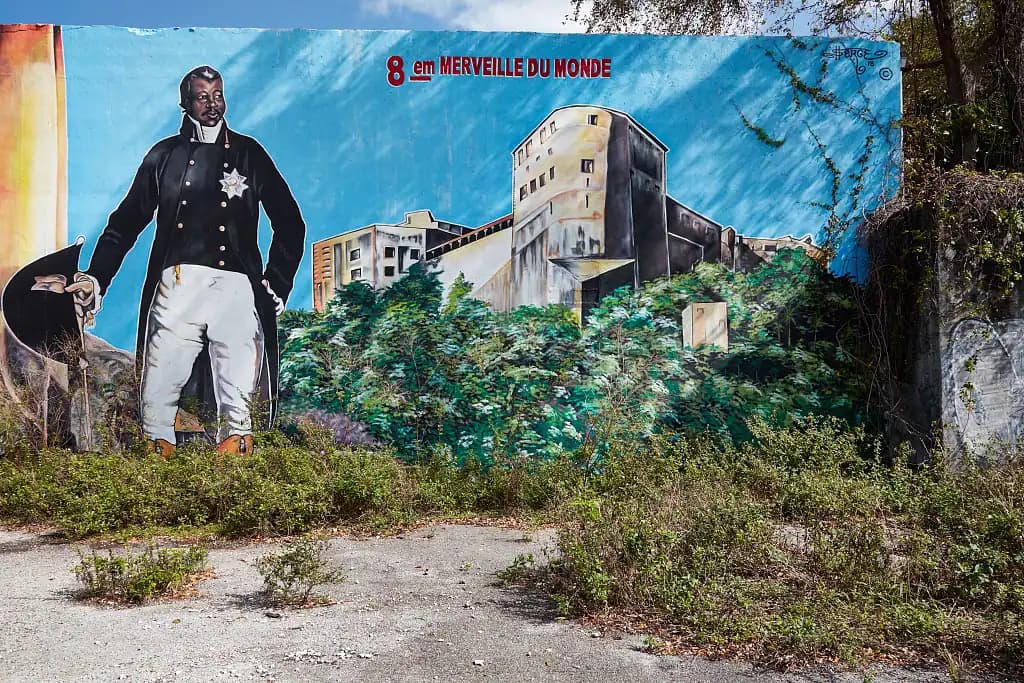
    Little Haiti

    The centre of Haitian life in the Americas outside Haiti, on some of the highest ground in Miami and under corresponding pressure.

    1.5–4 hoursFree. The neighbourhood, the Caribbean Marketplace exterior and the cultural complex galleries cost nothing, and Big Night in Little Haiti is a free concert.

  • Domino tiles laid out on a tiled table during a game in an outdoor park
    Free

    Park

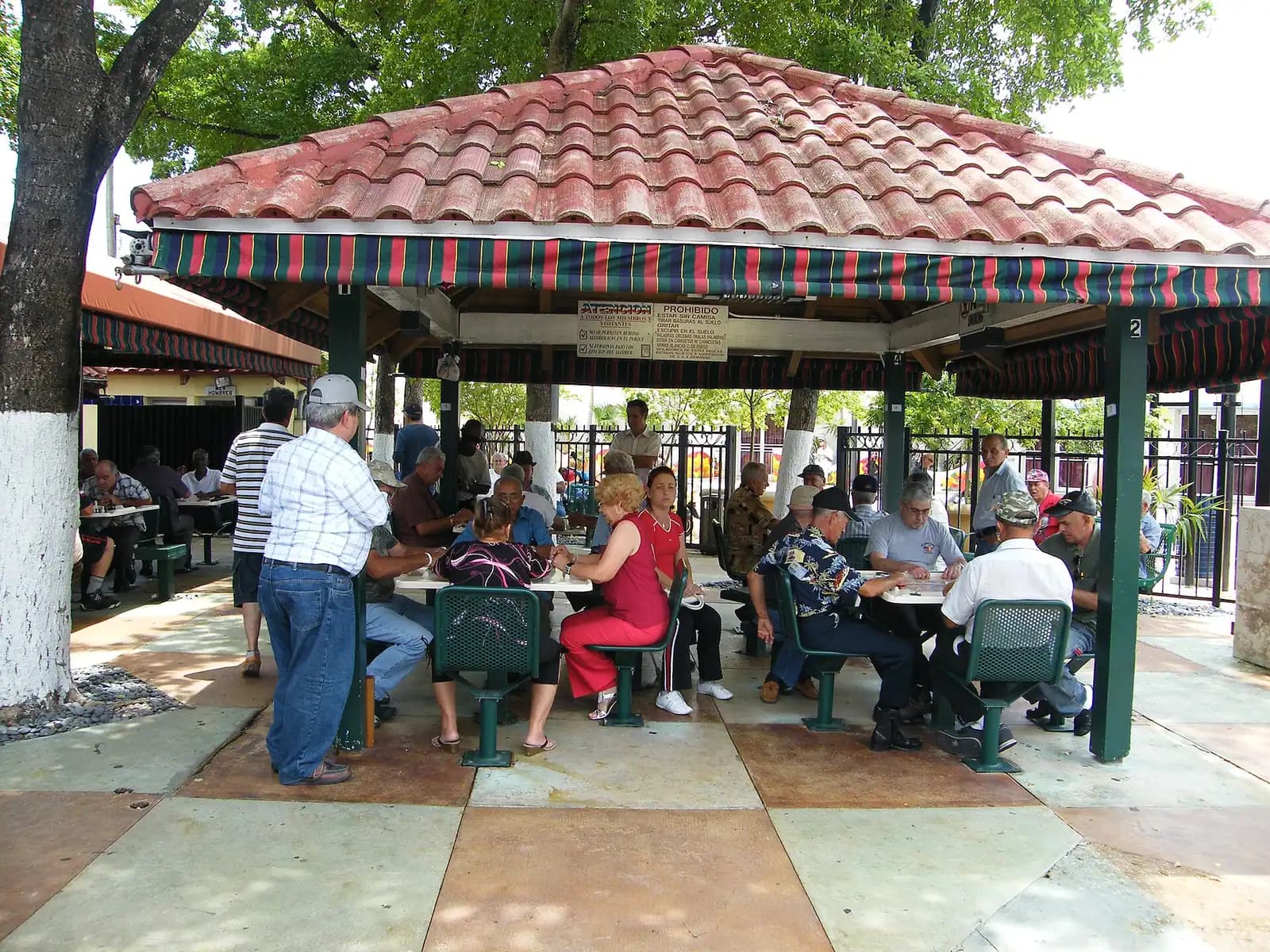
    Máximo Gómez Park

    A quarter-acre of Calle Ocho where the dominoes are competitive, the players are permitted residents over 55, and visitors watch.

    10–40 minutesFree to enter and free to watch. Playing requires a City of Miami permit and an age of 55 or over.

  • A geodesic dome structure standing open in a modern paved plaza surrounded by contemporary buildings
    Free

    Shopping

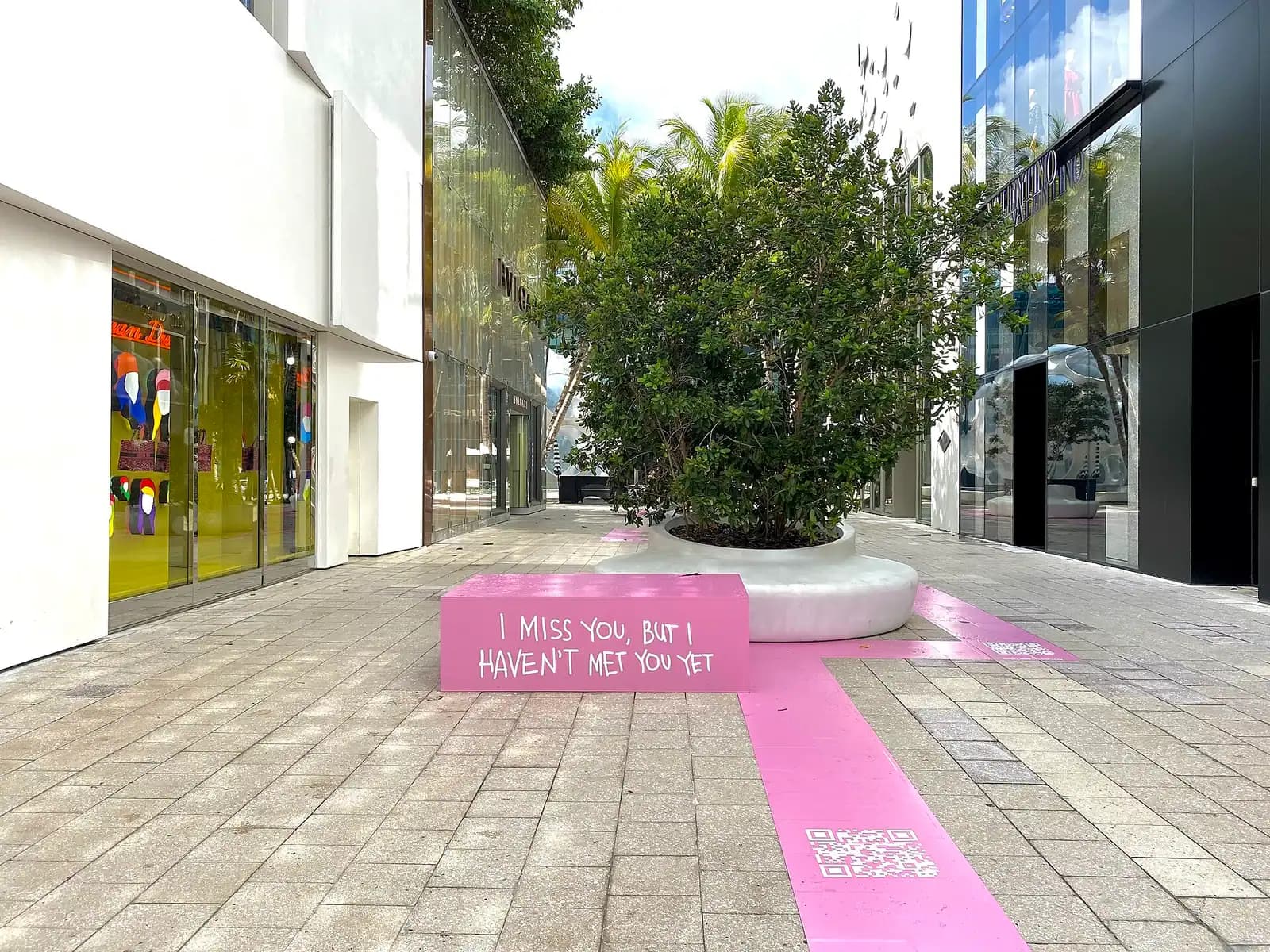
    Miami Design District

    A luxury shopping quarter laid out as walkable streets, with a Buckminster Fuller dome and a free art museum in the middle of it.

    1.5–3.5 hoursFree to walk. The Fly's Eye Dome, the public art trail and ICA Miami all cost nothing; ICA's free admission is permanent policy rather than a free day.

  • A narrow urban river running between city towers with a drawbridge crossing it
    Free

    Trail

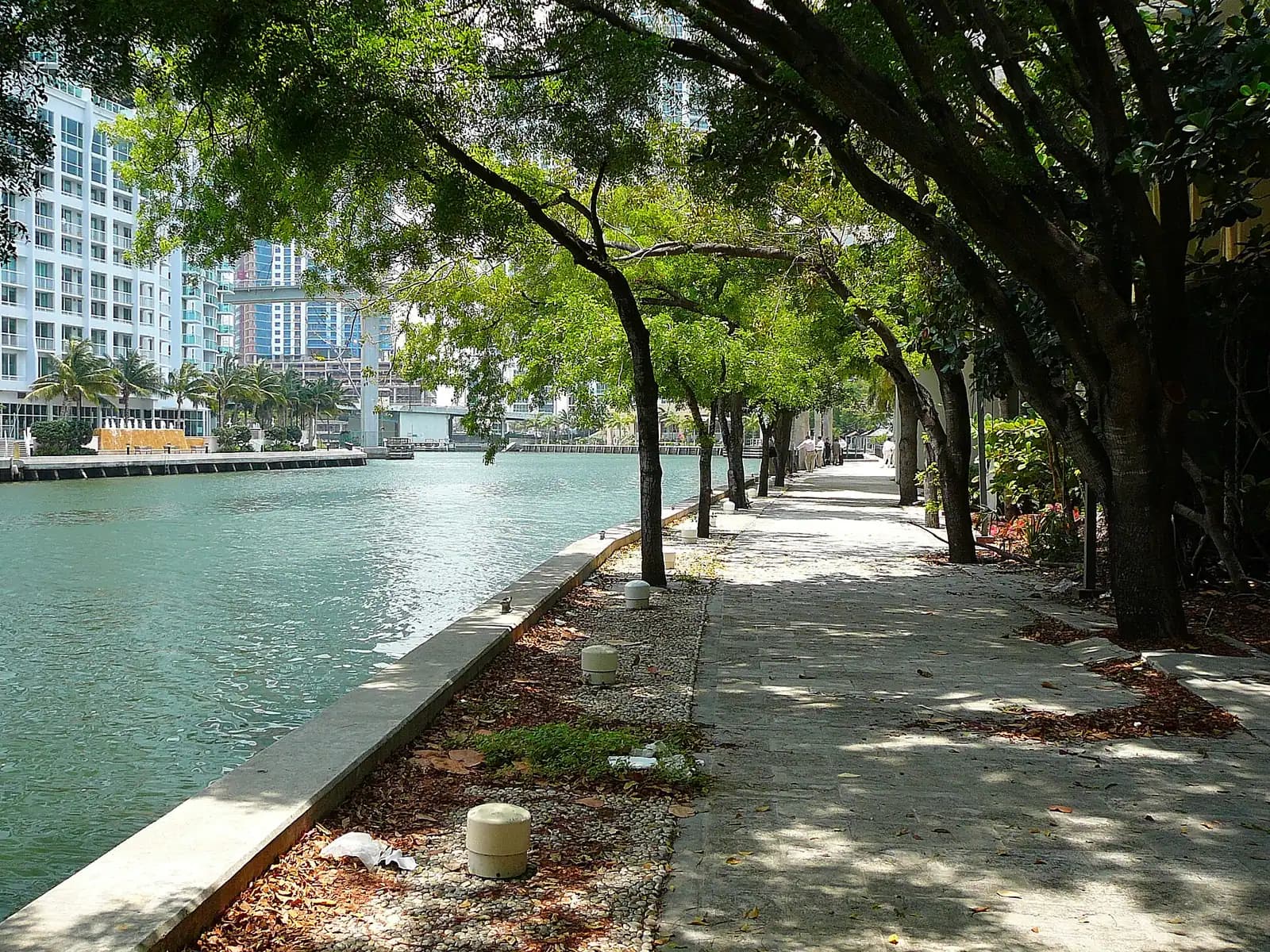
    Miami Riverwalk

    The short, busy, unglamorous river Miami was built on — freighters, drawbridges and a 2,000-year-old circle cut into the bedrock.

    1–2.5 hoursFree. The Riverwalk and the Miami Circle site are both public and open to the street.

  • Boats moored at a downtown marina with a city skyline of towers rising behind
    Free

    Shopping

    Bayside Marketplace

    Downtown Miami's bayfront mall, best understood as the dock most Biscayne Bay cruises leave from rather than as somewhere to shop.

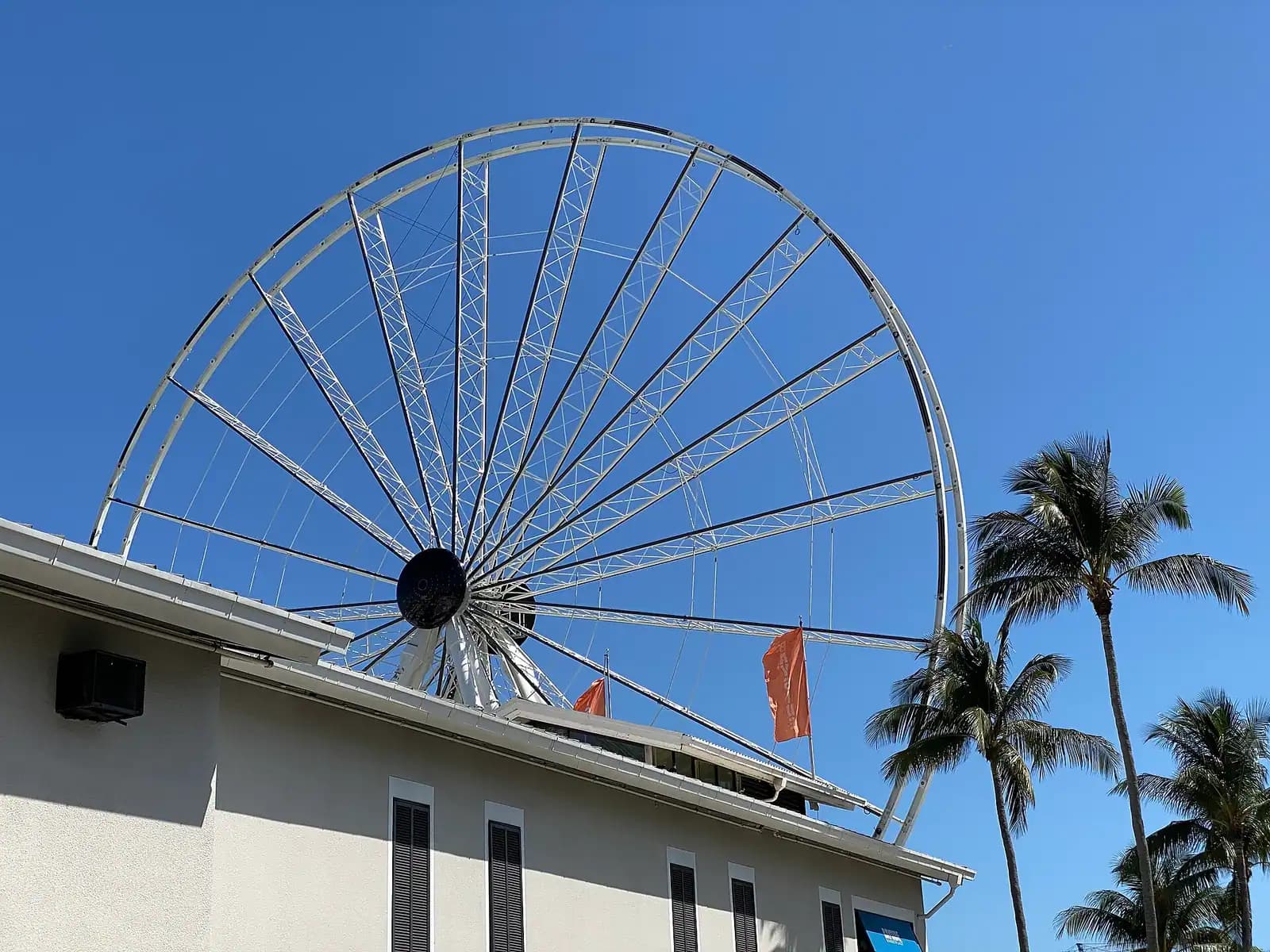
    1–3 hoursFree to enter and to walk the waterfront. Boat trips, the Skyviews observation wheel and Bayfront Park concerts are each ticketed separately.

Straight answers

Questions people actually ask

How much does a food tour in Miami cost?

Little Havana walking food tours commonly run $70 to $90 per person for around two and a half hours with five or six tasting stops, and Wynwood food-and-art tours $80 to $100 for about three hours. Private versions start near $150 a head, and cooking classes run $90 to $150. Alcohol beyond a welcome drink and the guide's gratuity, usually 15 to 20 per cent, are extra.

Is a Miami food tour worth it?

On the first day, yes. The value is not the food, which you could buy yourself for a quarter of the price, but learning the ordering rituals and what things are called, so the rest of the week is easier. It is worth less if you already know Cuban food or speak Spanish. In that case, walk Calle Ocho yourself and spend the difference on dinner in Hialeah.

What do you eat on a Little Havana food tour?

Typically a cafecito or colada at a ventanita, croquetas, a pastelito de guayaba from a bakery, a Cuban sandwich or a plate of ropa vieja with tostones, a fresh fruit batido, and something sweet at the end. Most tours also stop at a cigar counter and at Domino Park. Six tastings is a full meal, so arrive hungry and do not book lunch afterwards.

What food is Miami known for?

Cuban first: the Cuban sandwich, croquetas, pastelitos, ropa vieja and the cafecito and colada that structure the day. Then Haitian griot with pikliz, Nicaraguan fritanga, Venezuelan arepas, Colombian, Peruvian, Dominican and Argentine cooking, most of it in strip malls west of the tourist neighbourhoods. Florida stone crab, in season from mid-October to early May, and key lime pie are the local specialities.

What is a ventanita and how do you order?

A ventanita is the walk-up window on the side of a Cuban cafeteria. Ask for un cafecito for a single thimble of sweetened espresso, a cortadito if you want milk, or a colada if there are several of you, which arrives as one large cup with a sleeve of small plastic cups to share out. Bring small cash, expect to pay a dollar or two, and drink it standing up.

Are there vegetarian food tours in Miami?

Vegetarian versions exist but must be arranged when you book rather than on the day, because traditional Cuban and Haitian menus are pork-forward and substitutions have to be ordered ahead. Wynwood tours are the easier choice for vegetarians, with more contemporary restaurants in the rotation. Gluten-free travellers should flag it early: pan cubano is central to half the tastings.

When should you book a Miami food tour?

Two to three days ahead is usually enough, and longer at weekends, in December and during Art Basel week at the start of that month, when small-group tours sell out. Late morning and early afternoon slots are the best of the day: cooler than mid-afternoon, and the bakeries and cafeterias are at their busiest, which is when a food neighbourhood is worth walking.