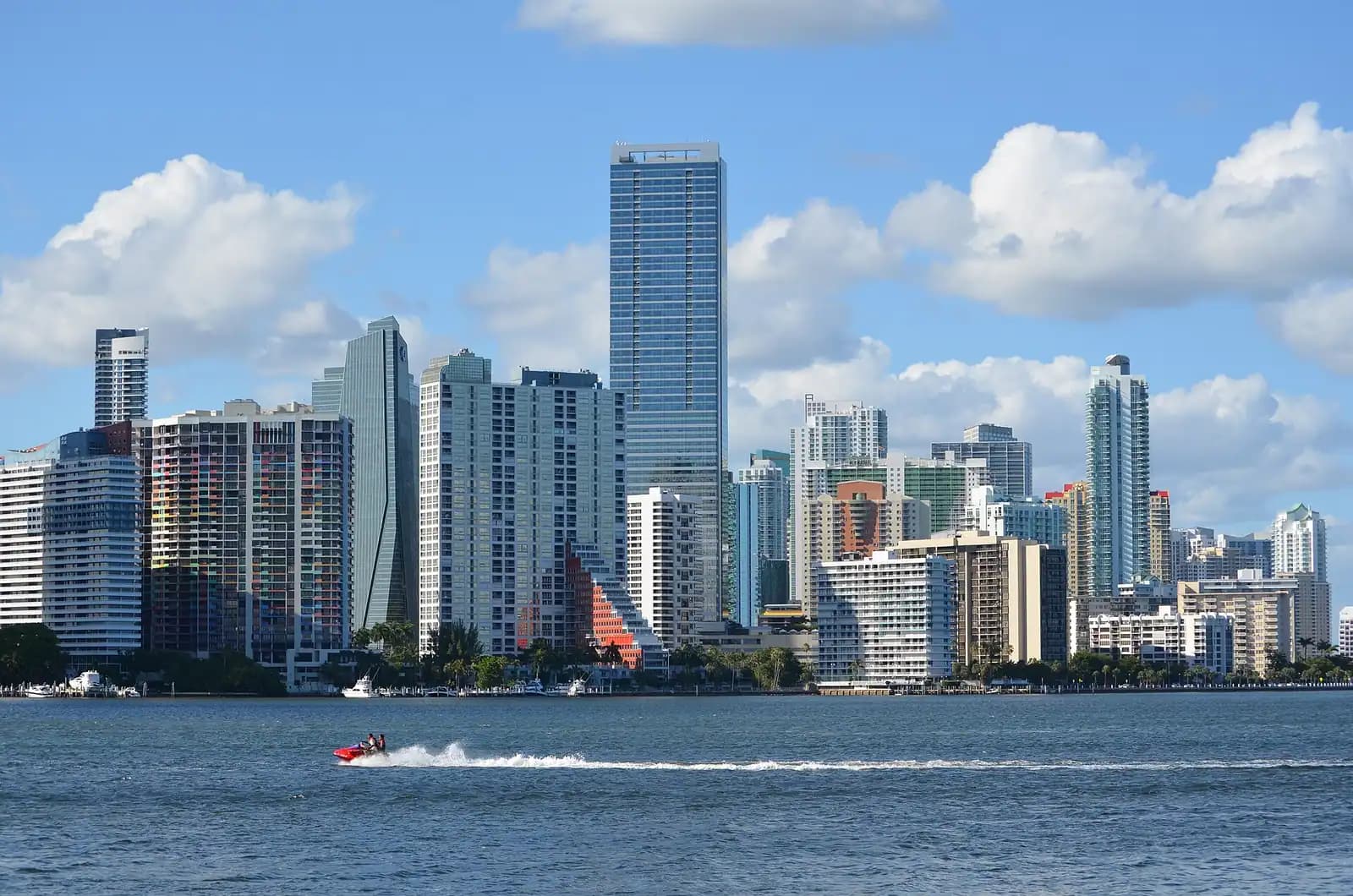
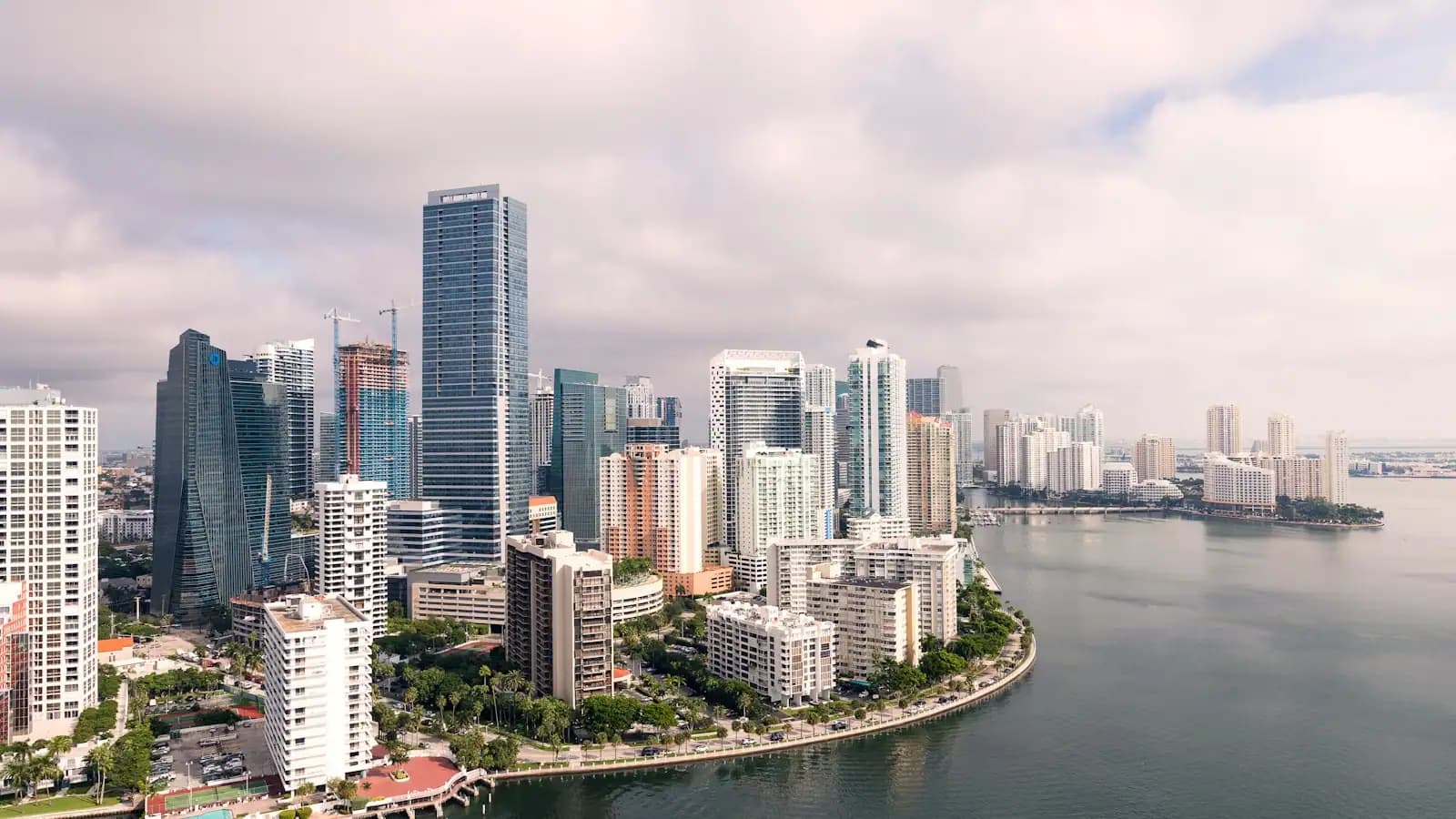
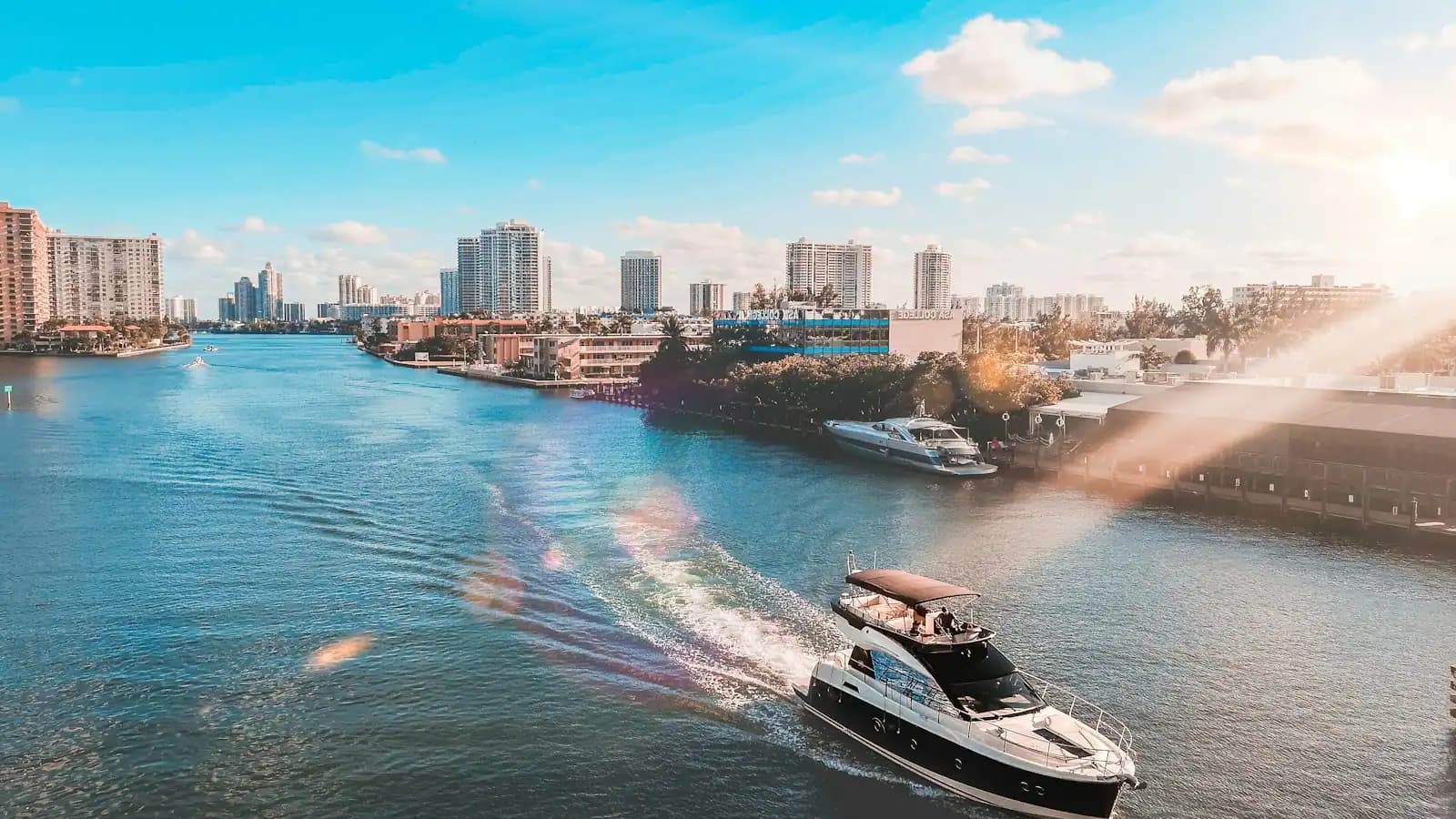
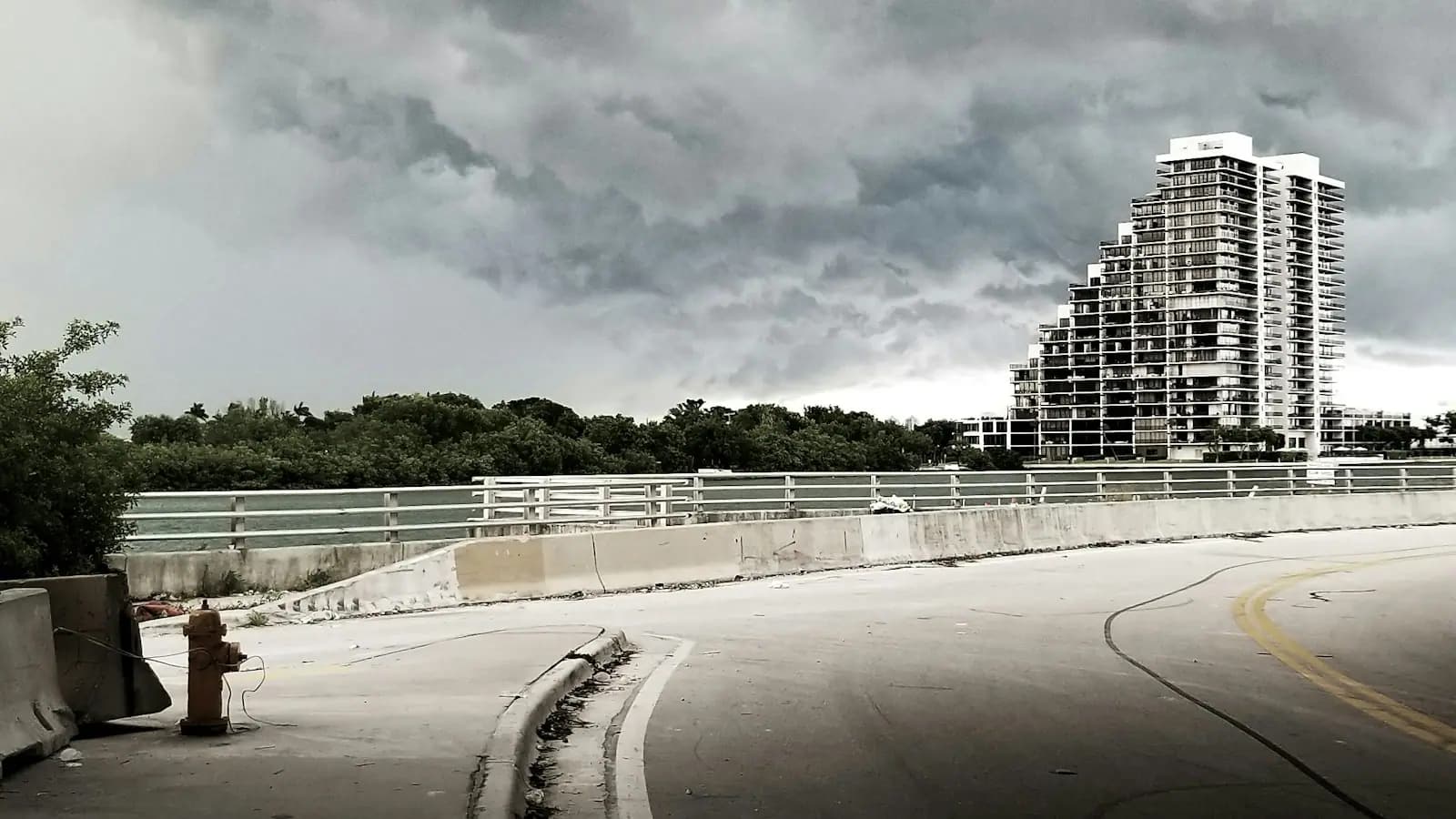
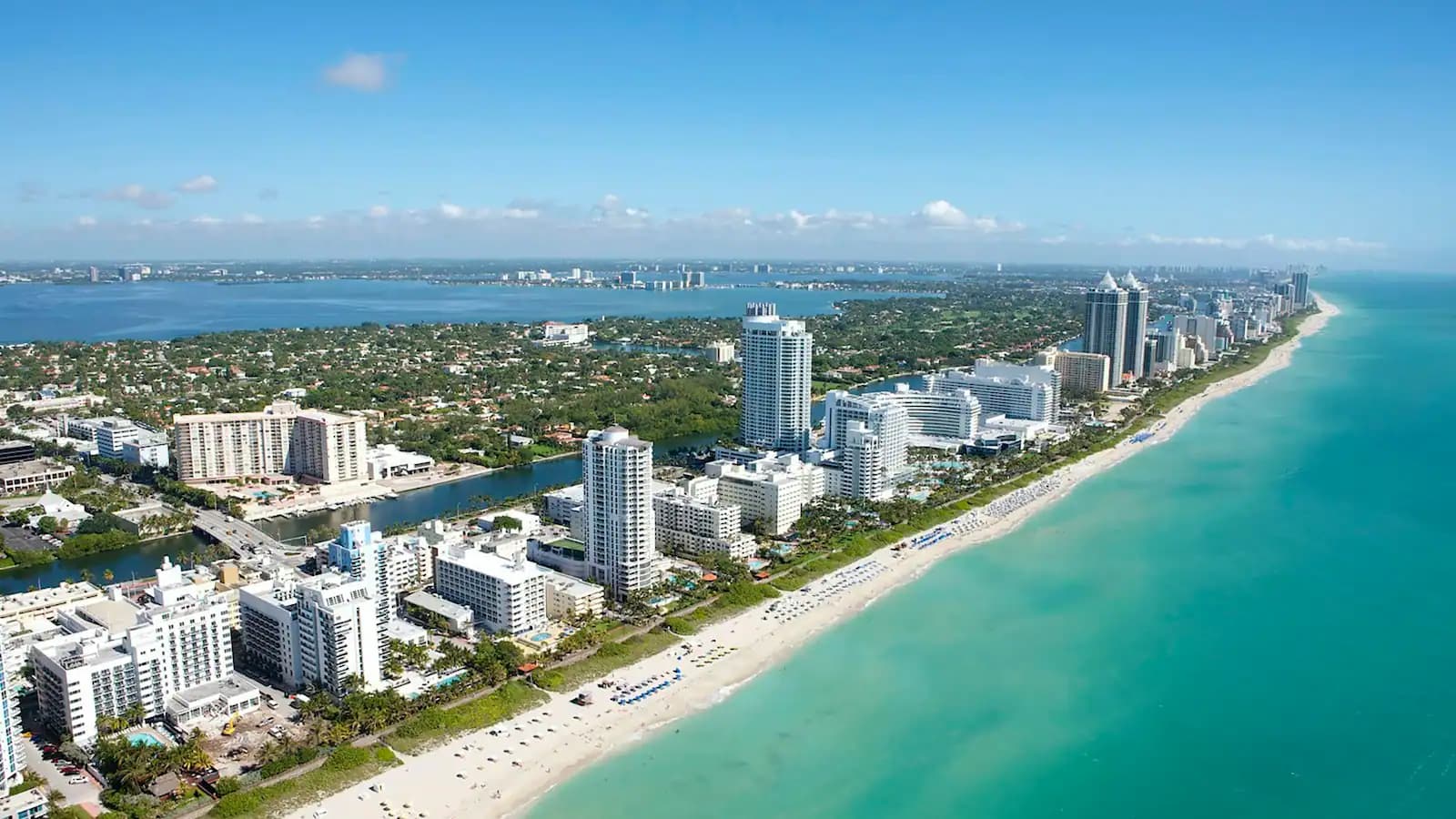
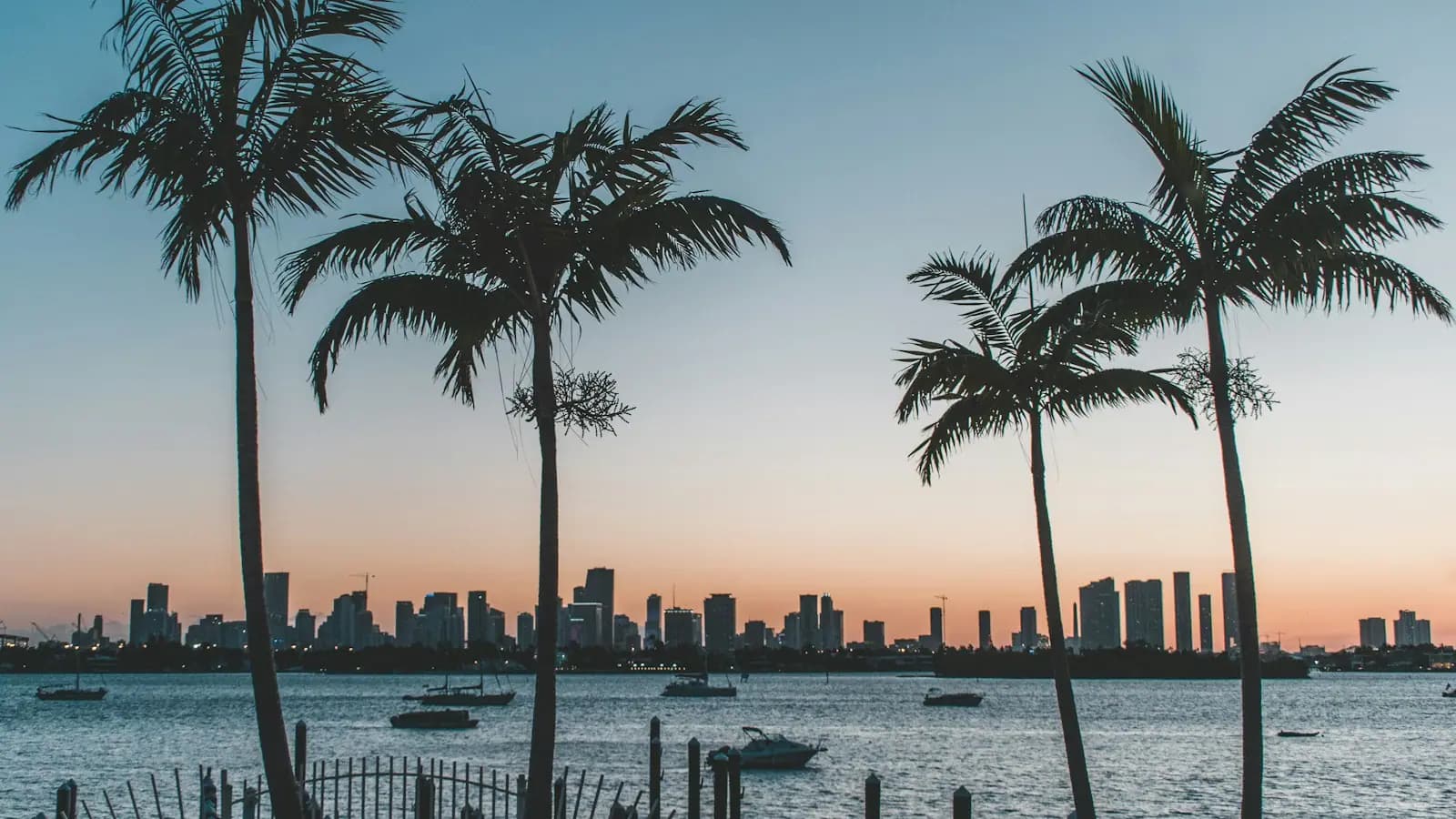
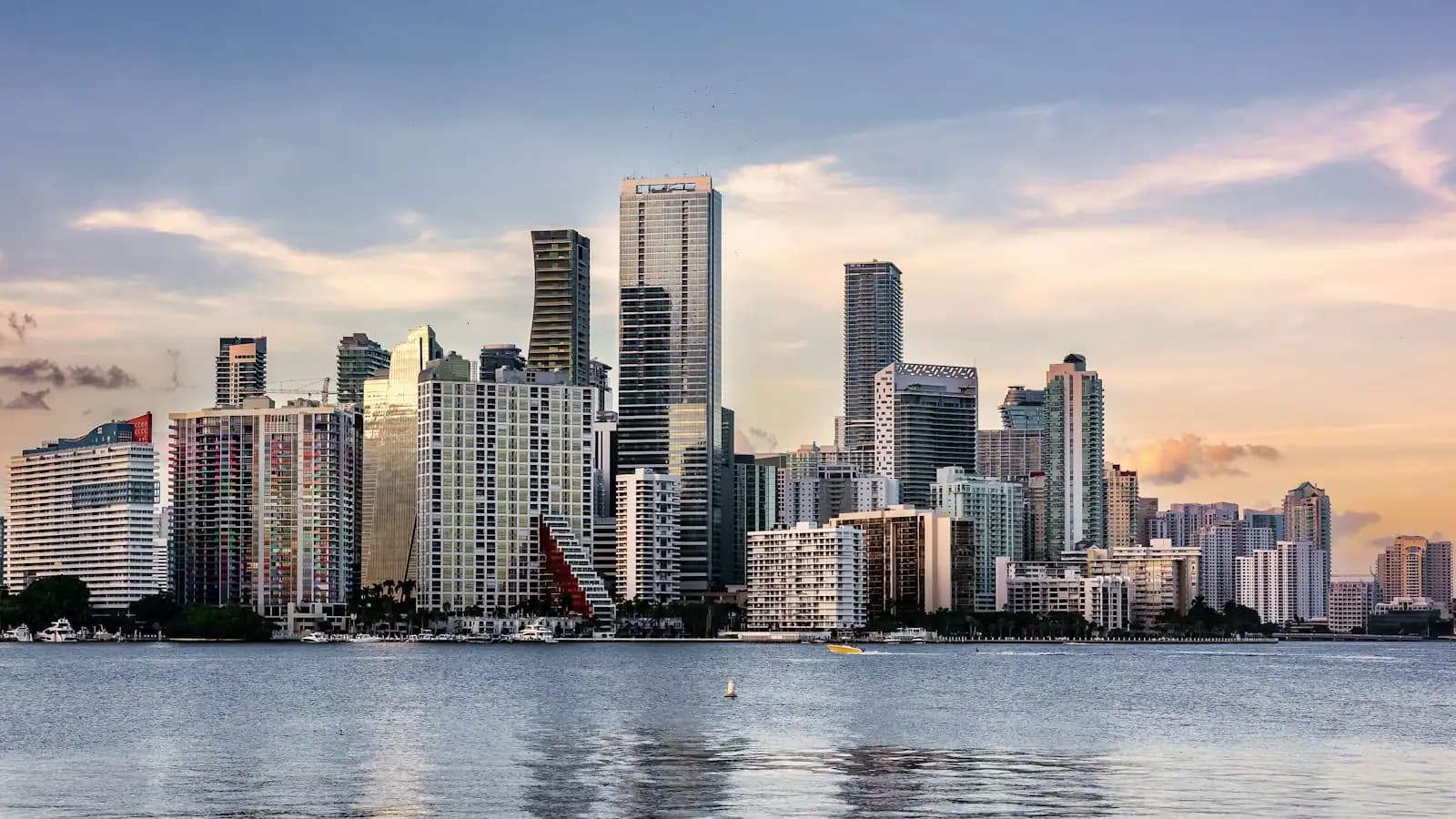
Miami's attractions do not sit in a centre you can walk out of. They are spread across a mainland city, a barrier-island city on the far side of Biscayne Bay, an island reached by toll causeway, a farming belt in the south of the county and two national parks on the western and southern edges. The practical consequence is that a list ordered by how good things are will produce a terrible week, and a list ordered by where they are will produce a good one.
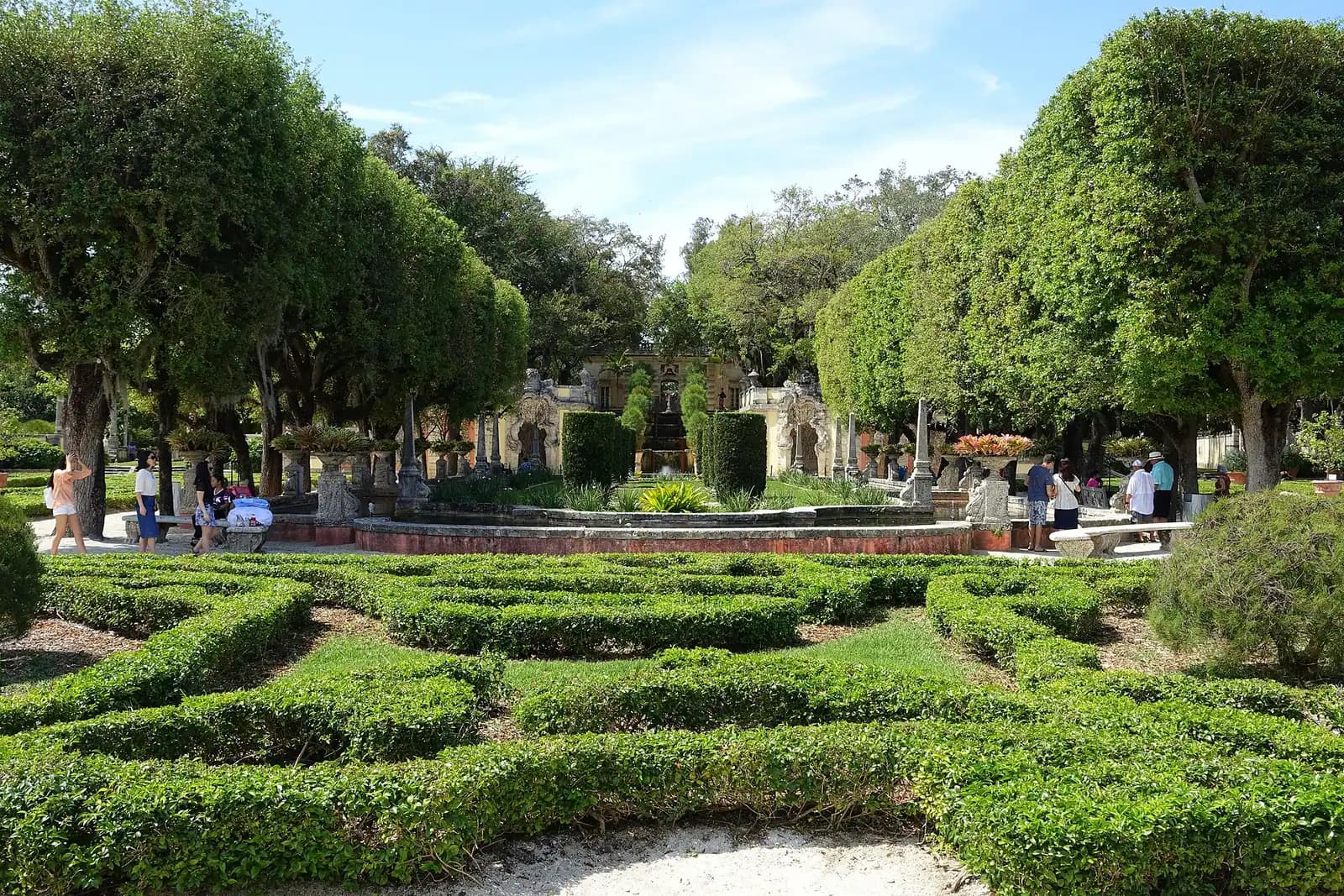
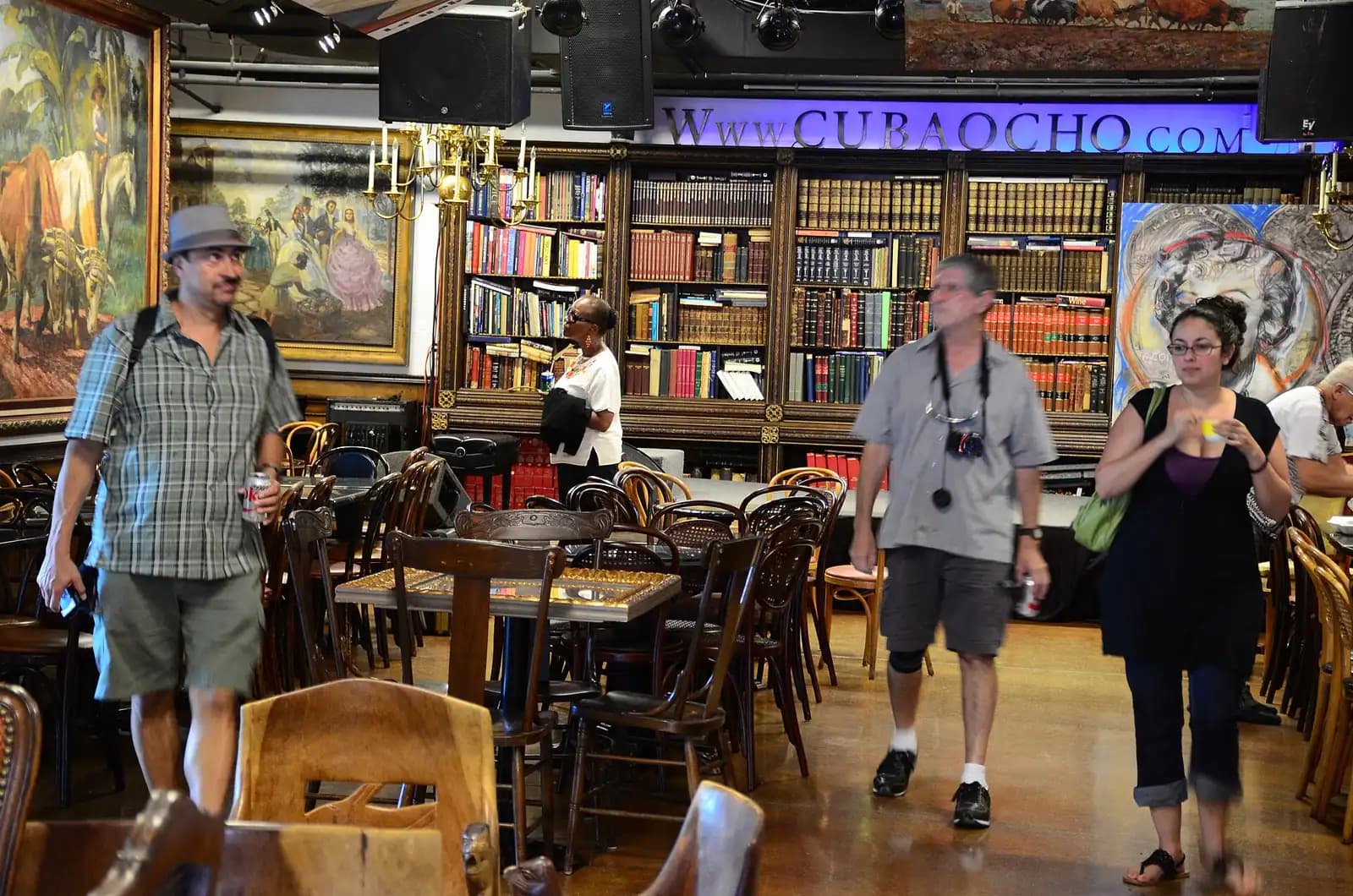
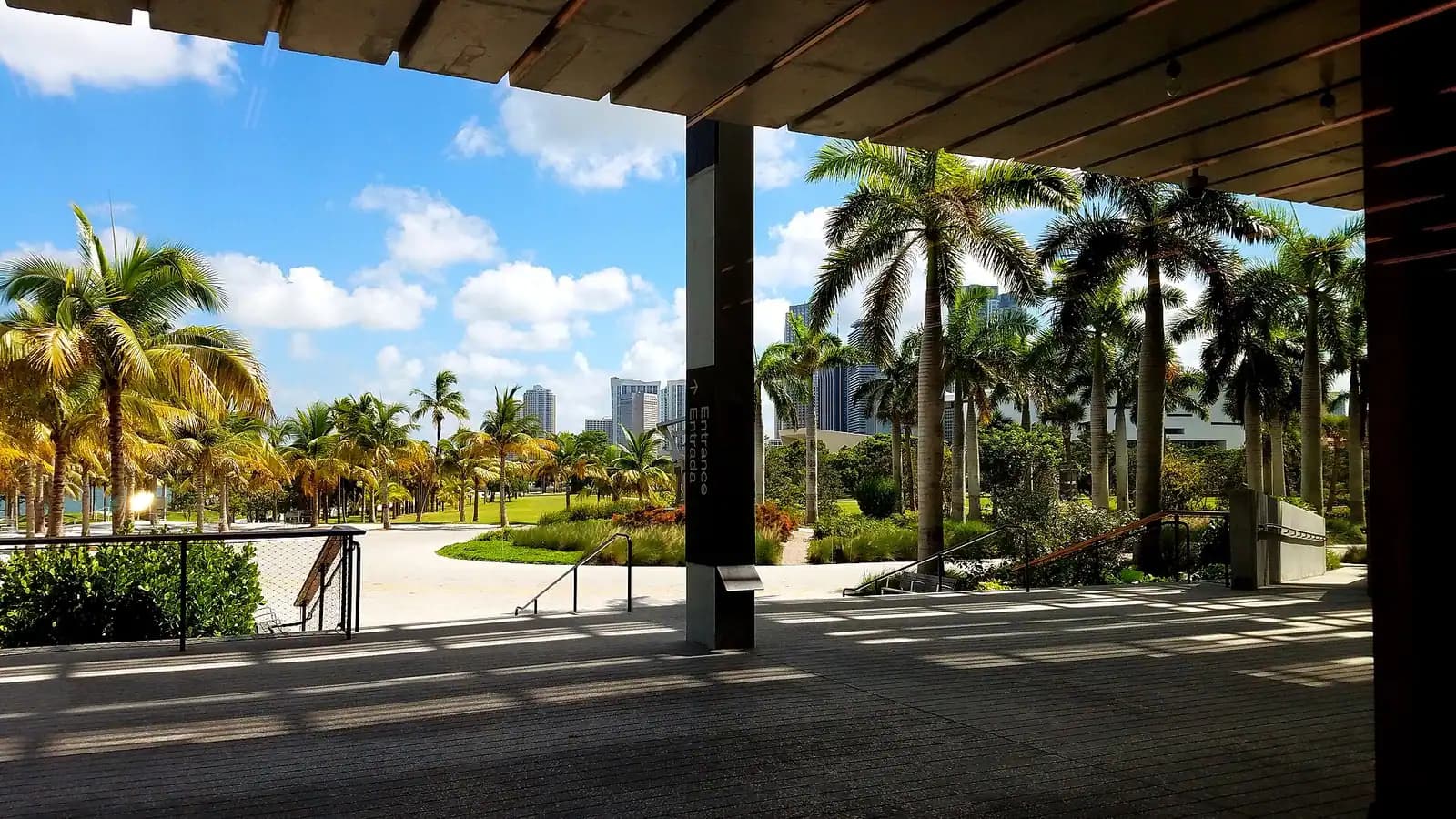
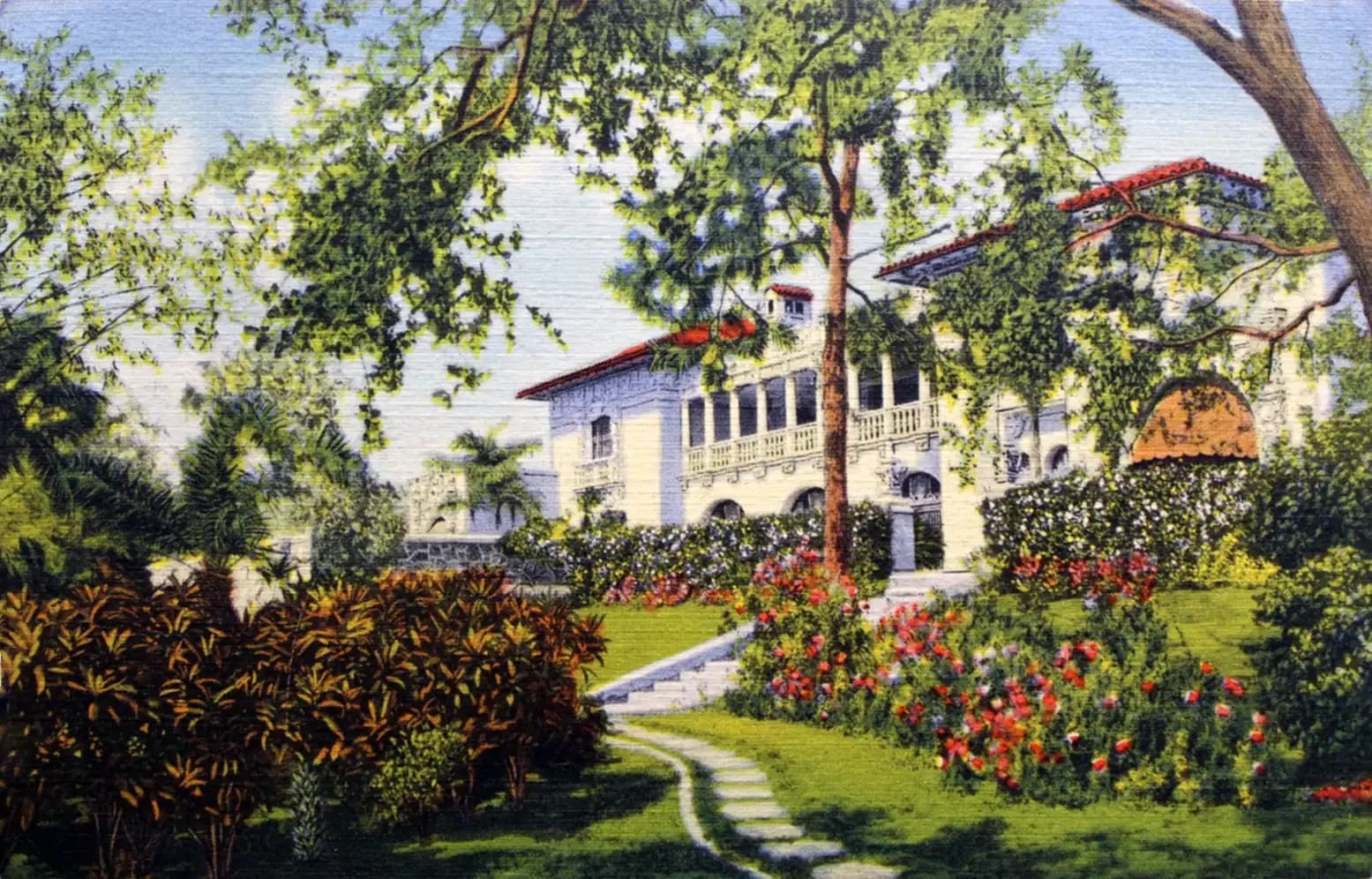
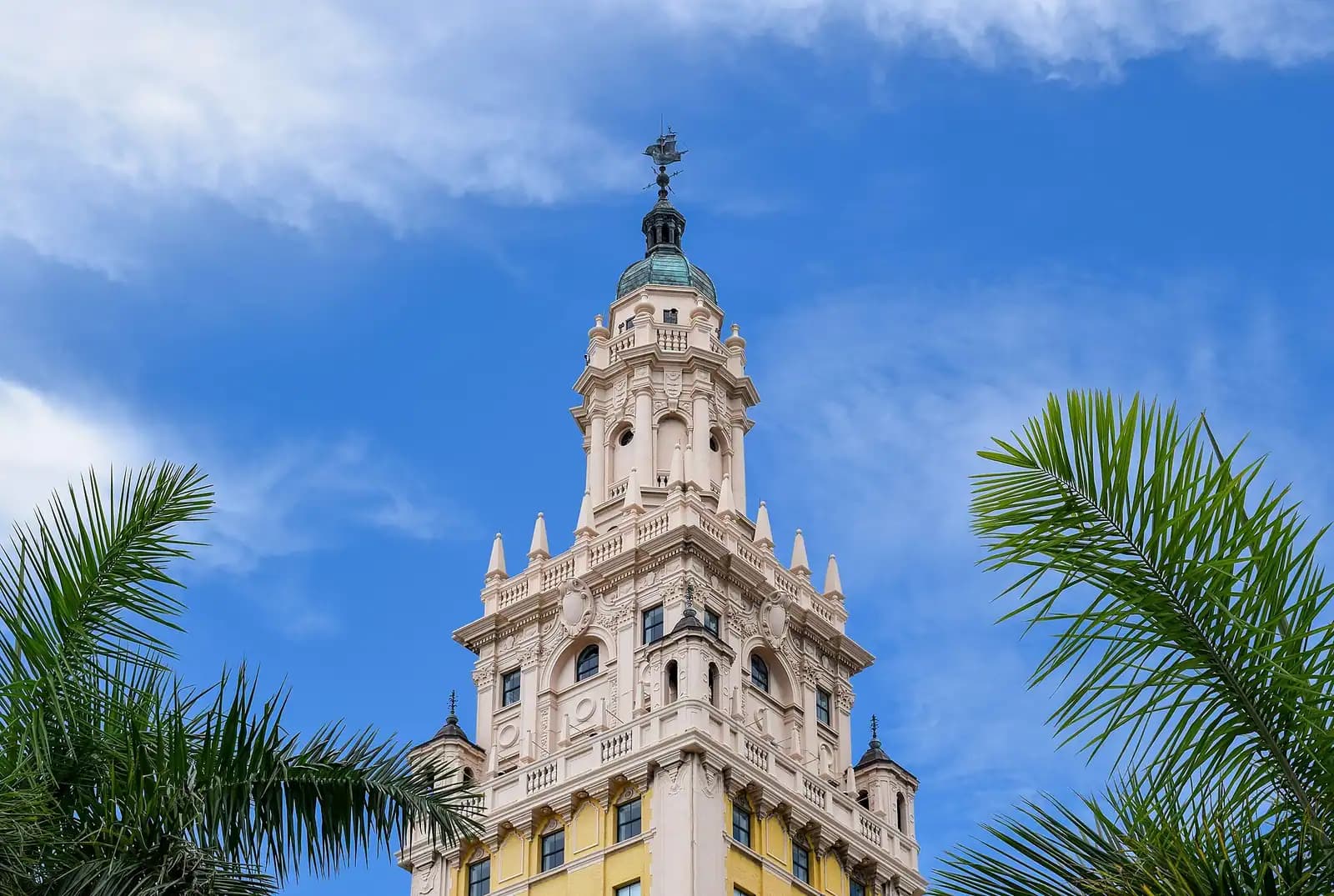
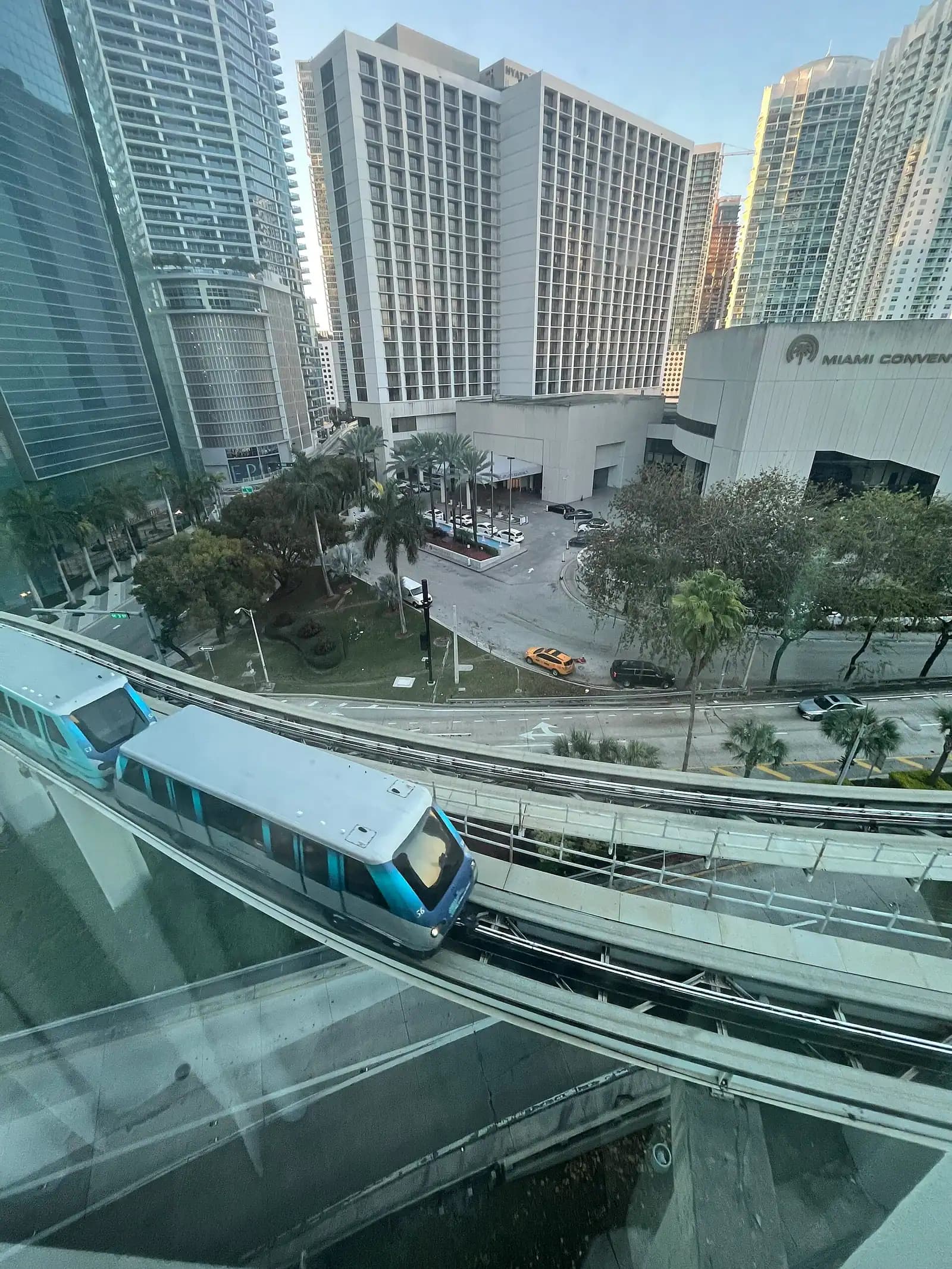
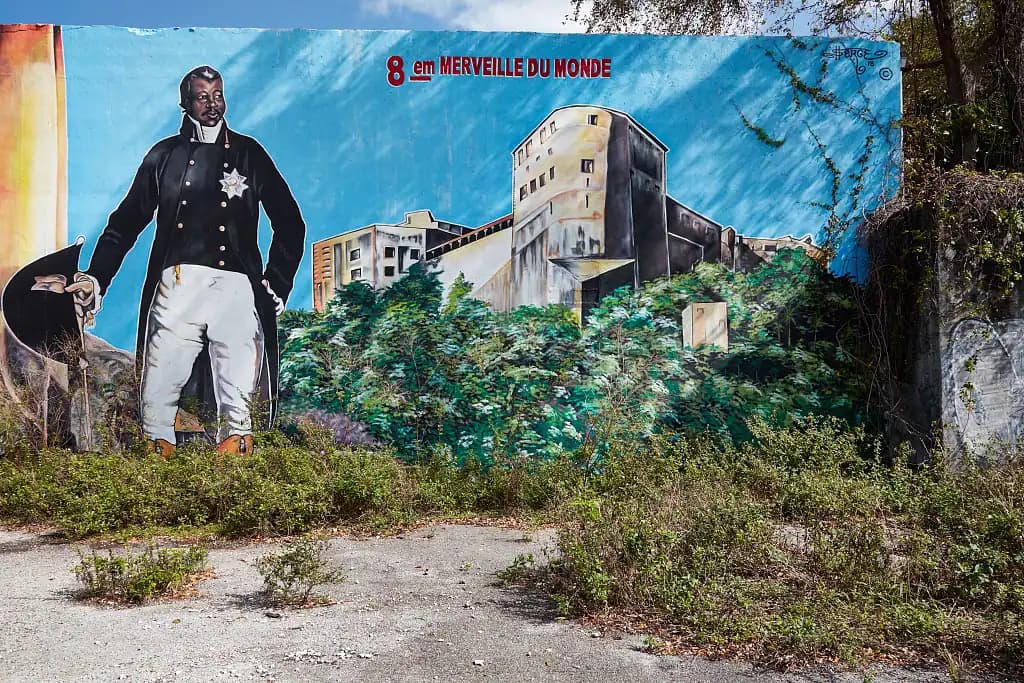
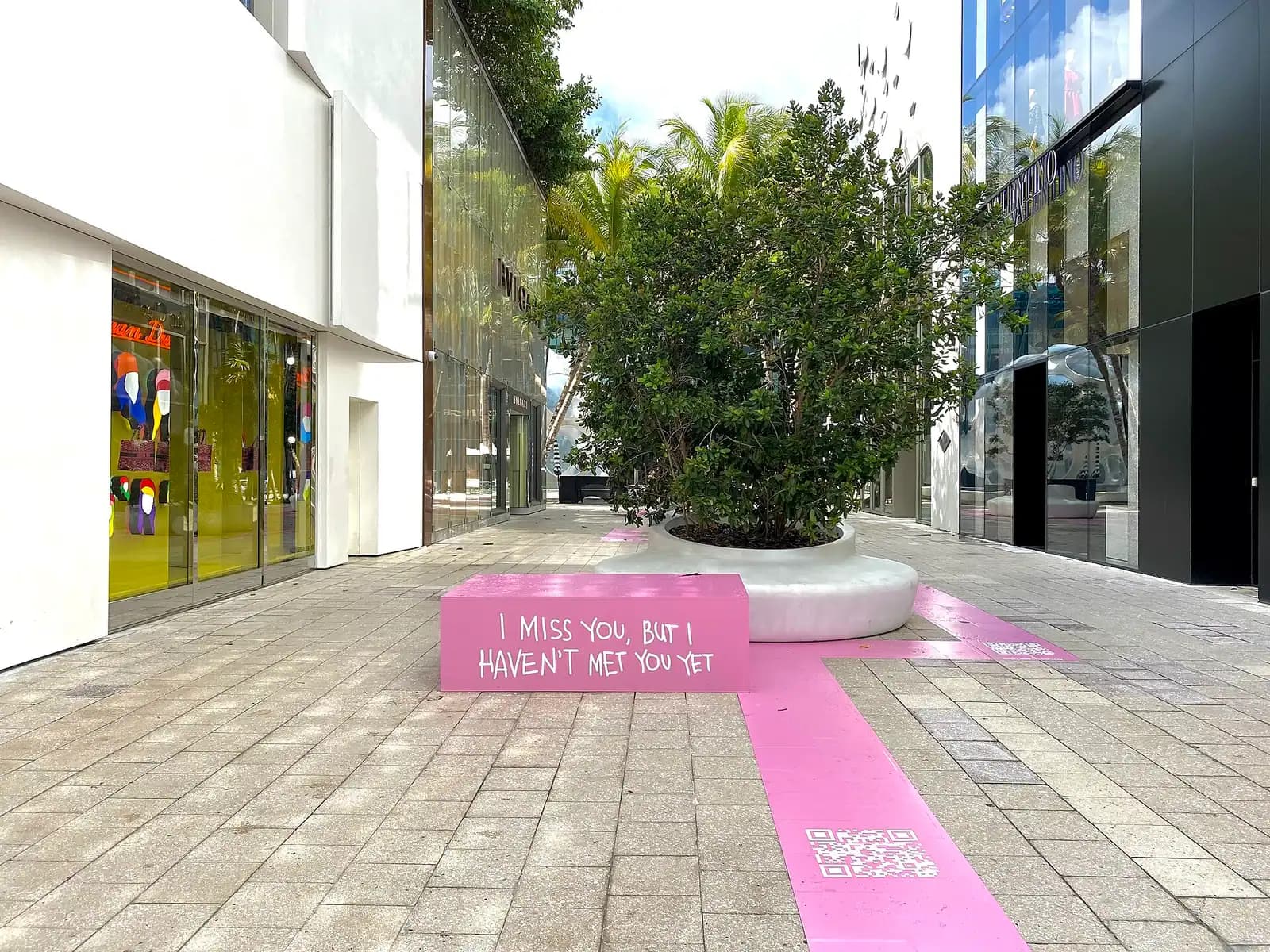
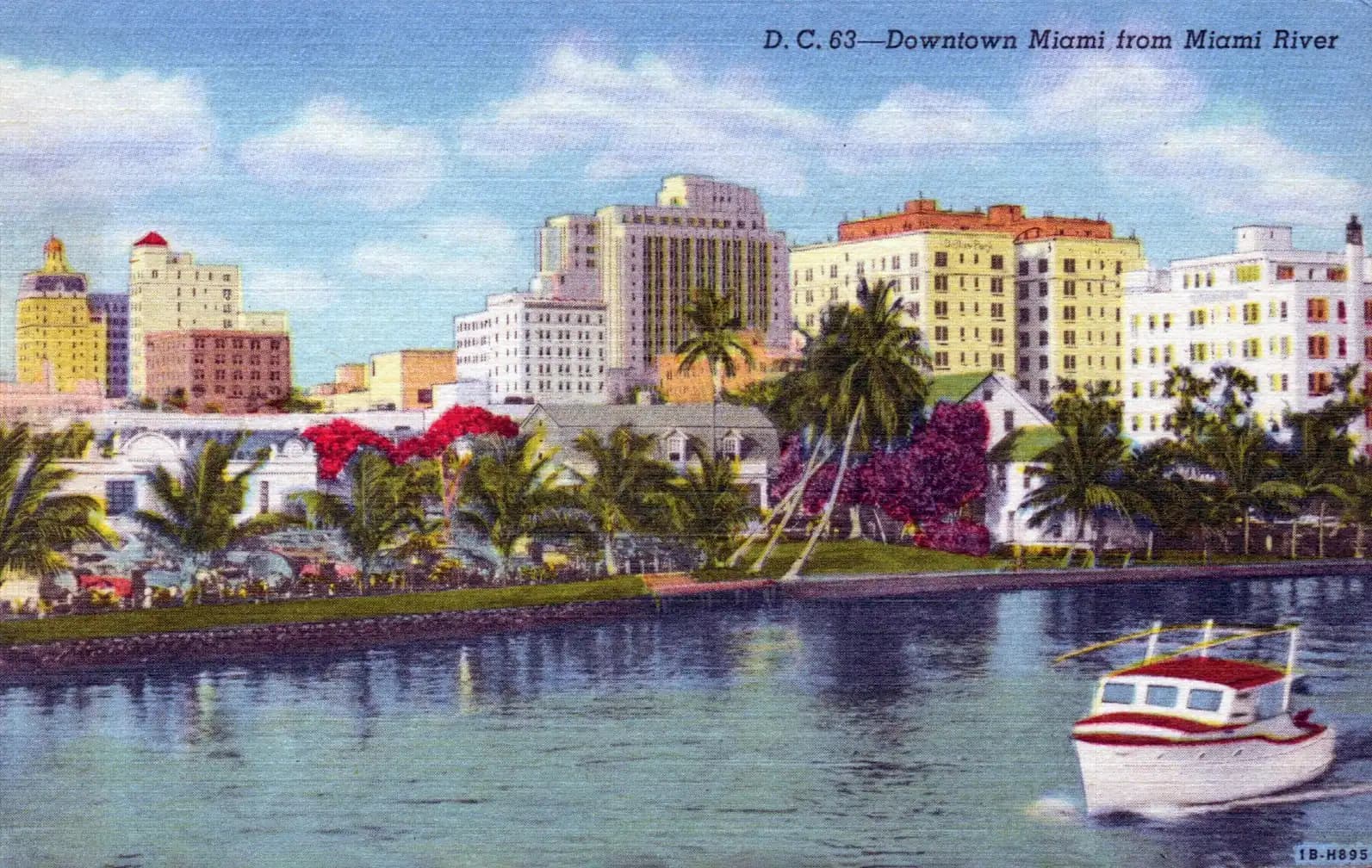
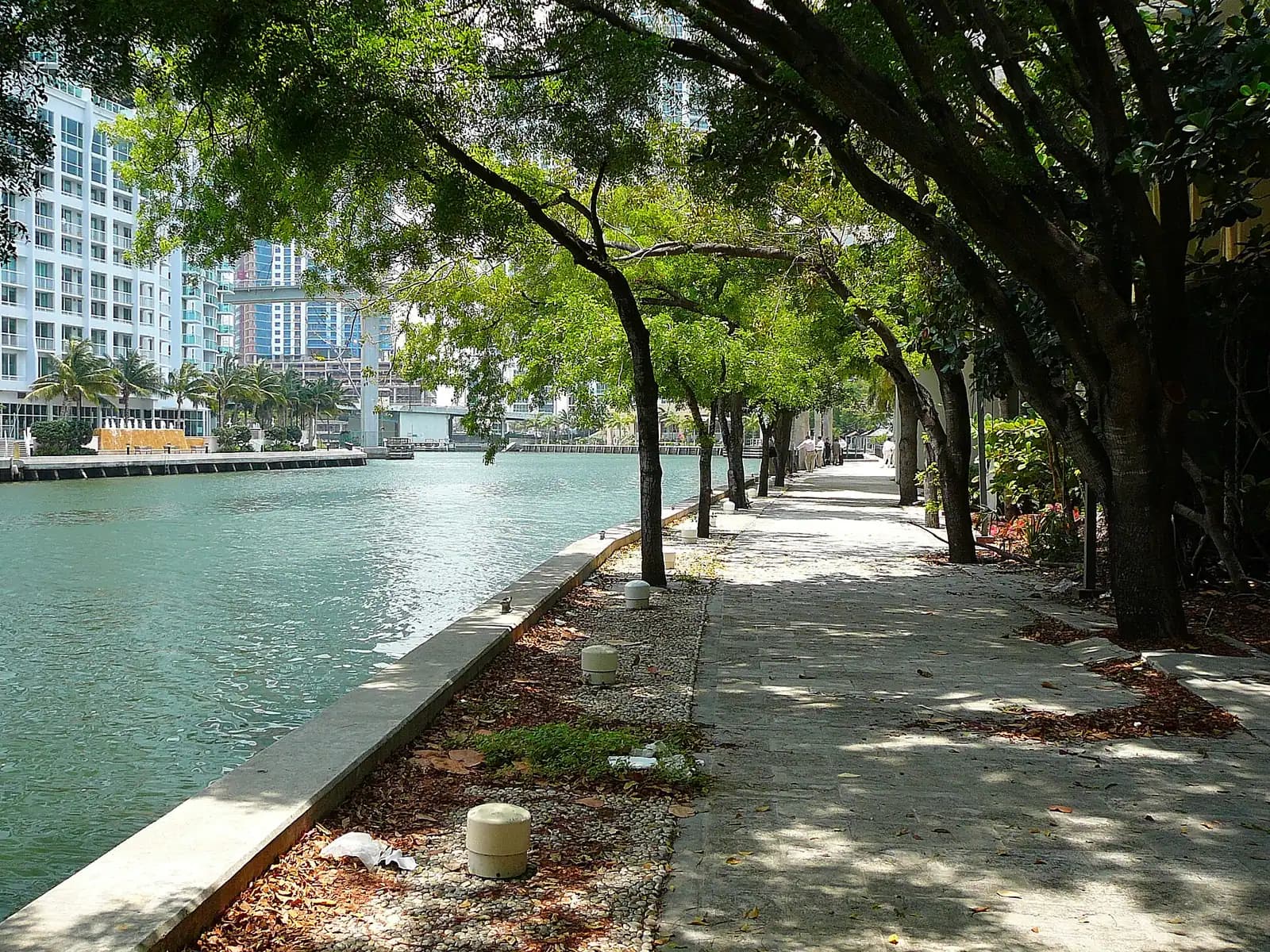
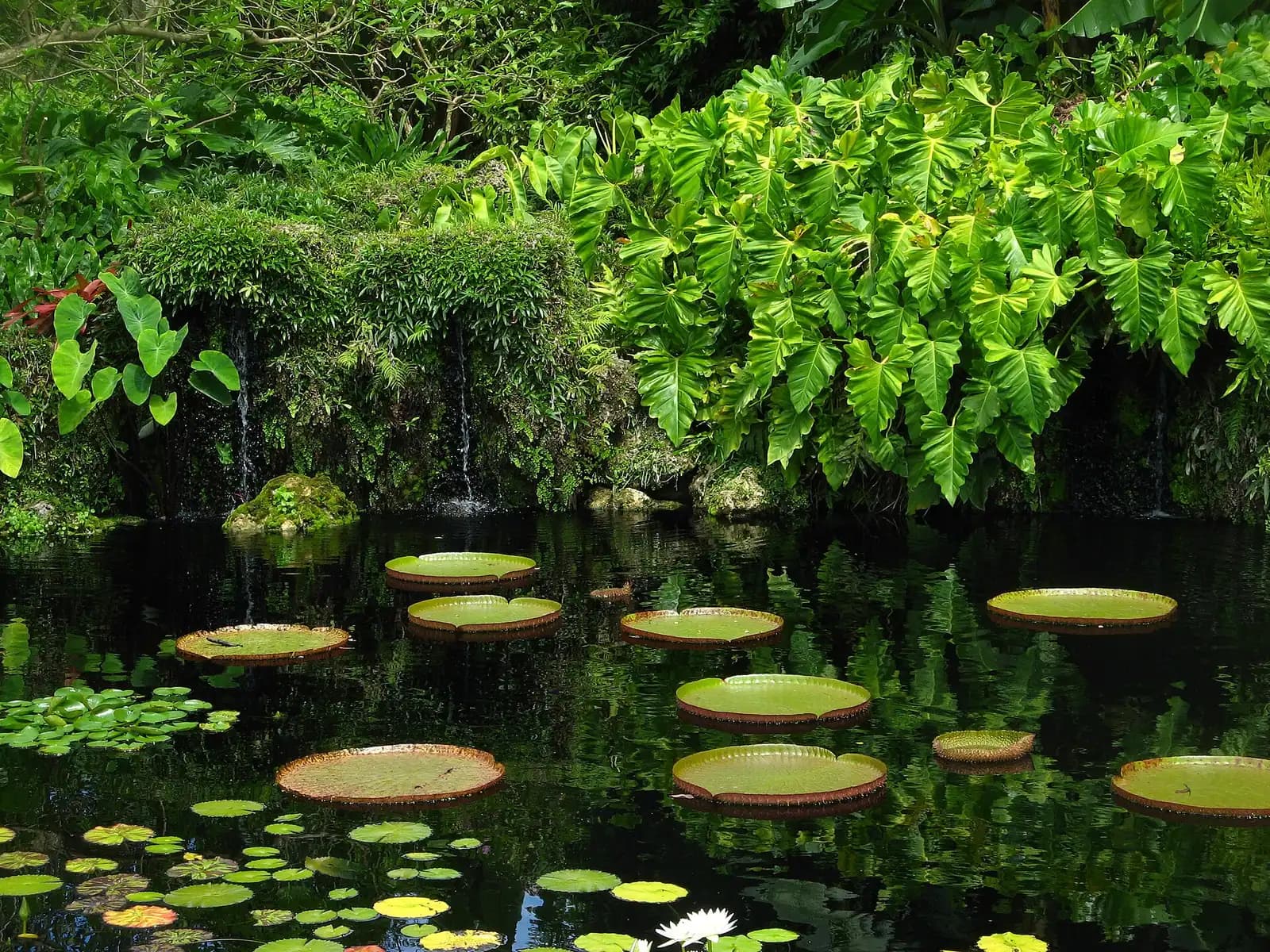
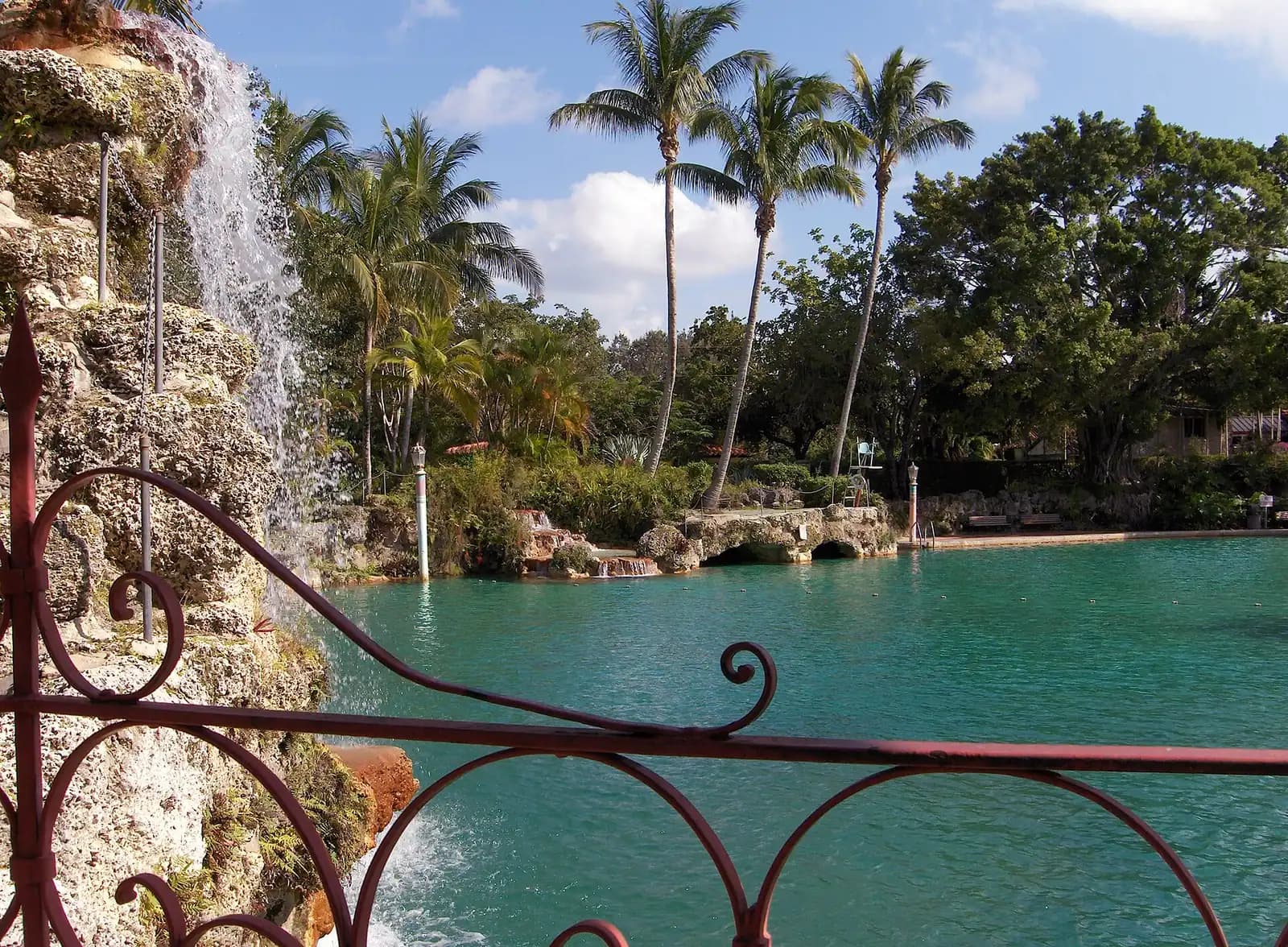
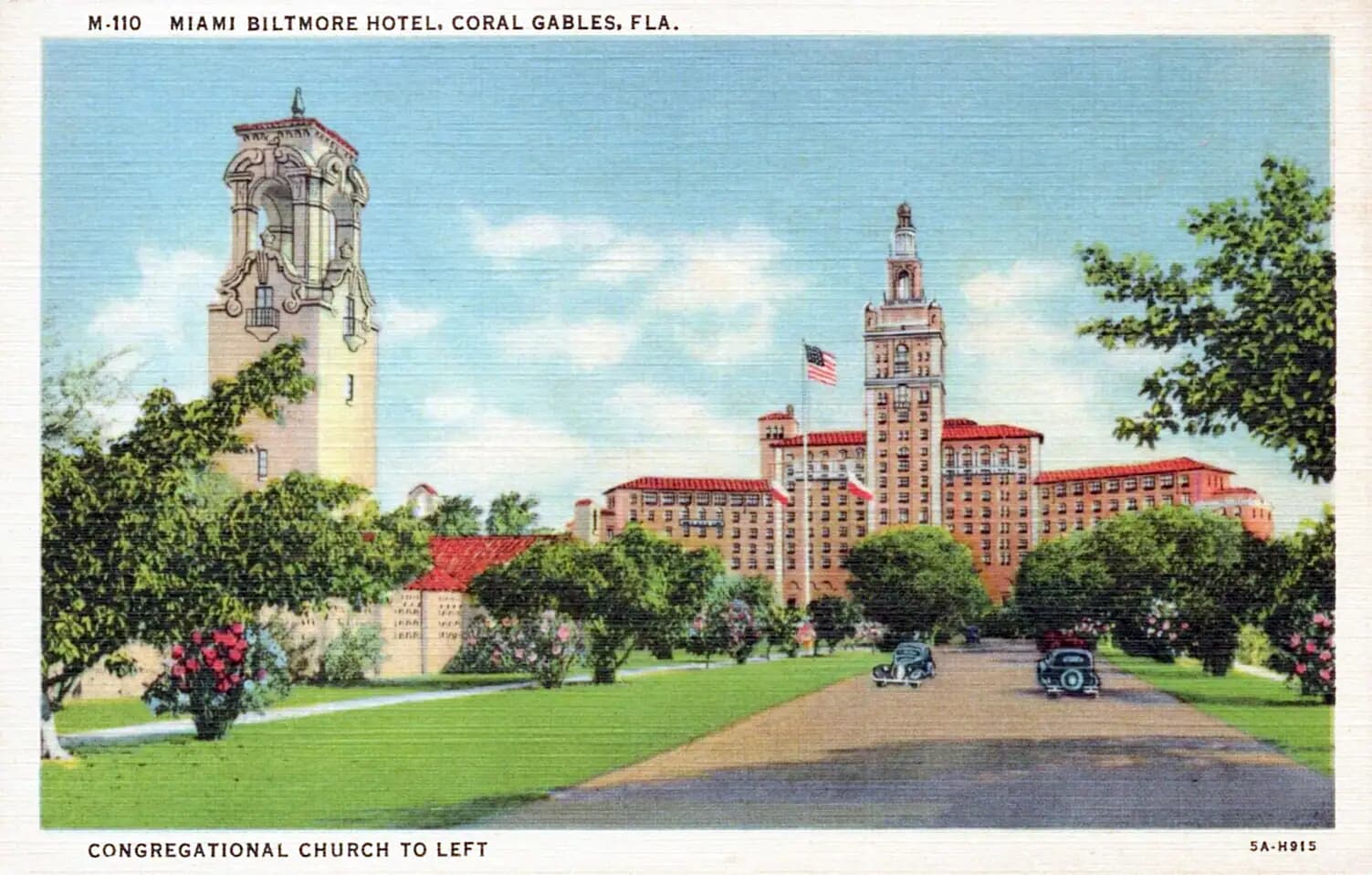
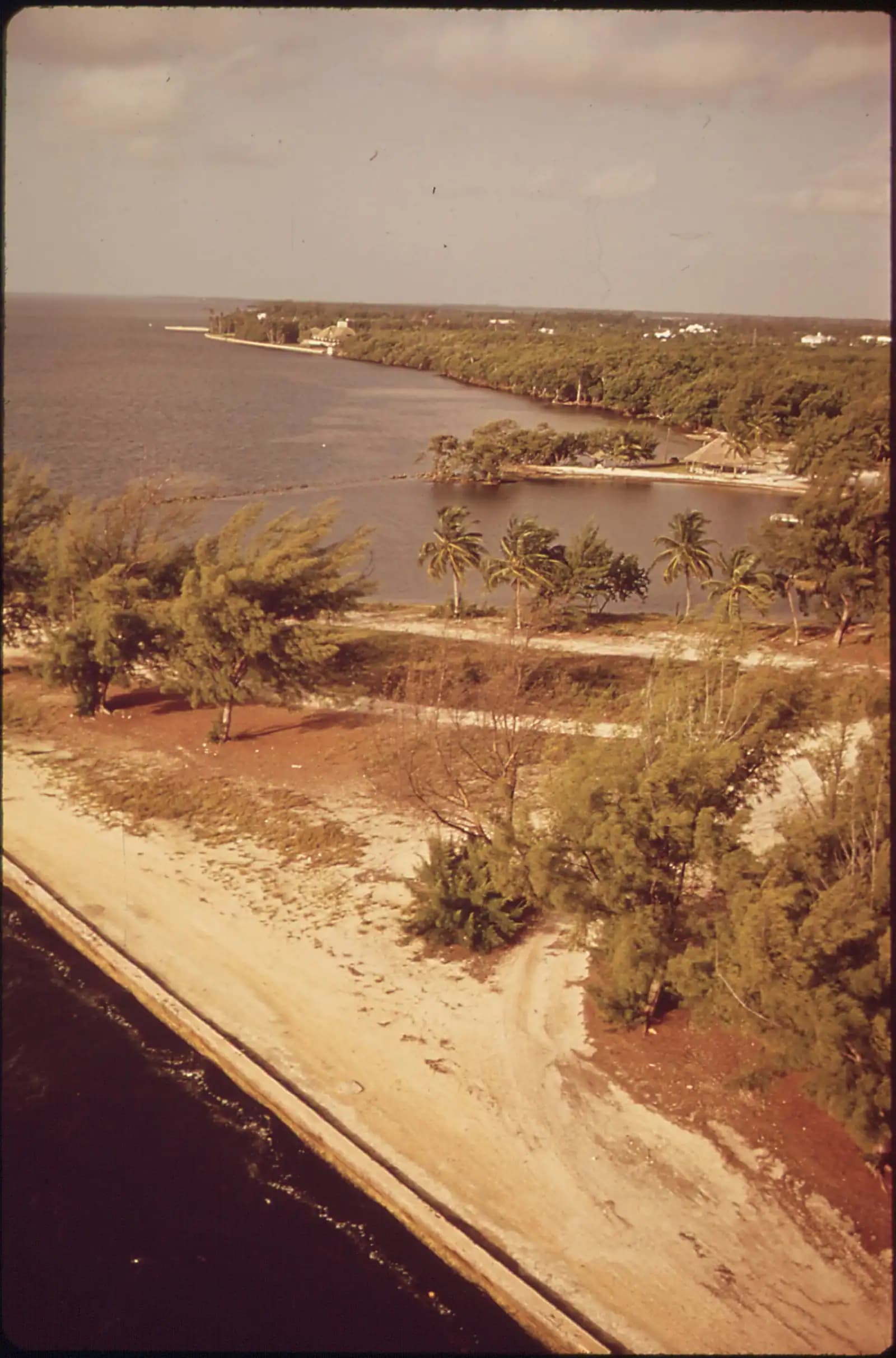
Five clusters cover almost everything. Downtown and the bayfront, where the Pérez Art Museum Miami and the Frost Science Museum share Maurice A. Ferré Park, the Freedom Tower stands as the building where Cuban refugees were processed through the 1960s and 70s, and the free Metromover loops overhead. The arts corridor running north from Wynwood through the Design District to Little Haiti, which is where the murals, the private collections and the contemporary galleries are. Calle Ocho and Little Havana, west of downtown, where the attraction is the street itself. The southern bayfront, a run of estates and gardens from Vizcaya through Coconut Grove and Coral Gables down to Matheson Hammock, Fairchild, the Deering Estate and Zoo Miami. And the water: Key Biscayne across the Rickenbacker Causeway, the beaches of Miami Beach, and the two national parks.
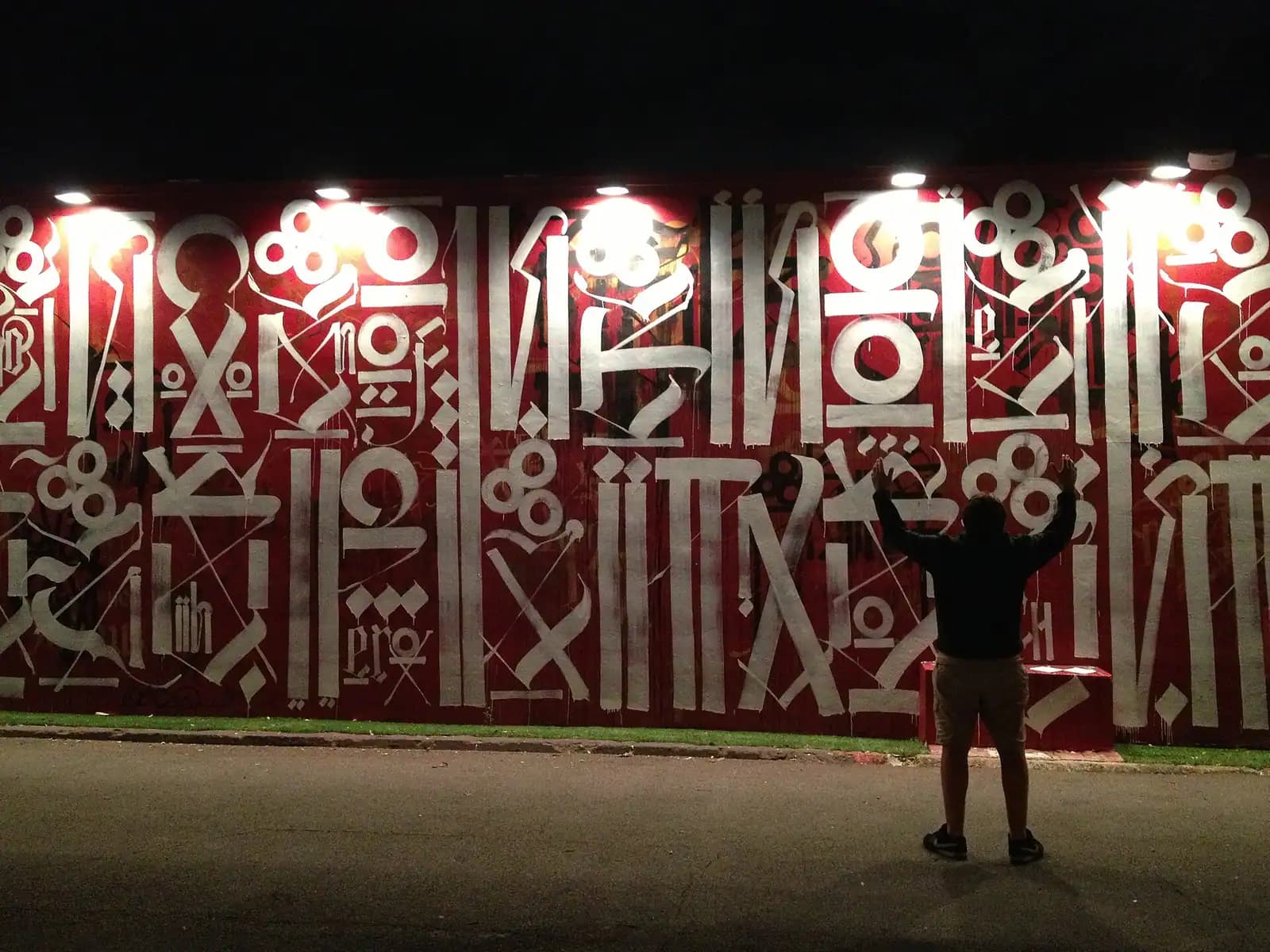
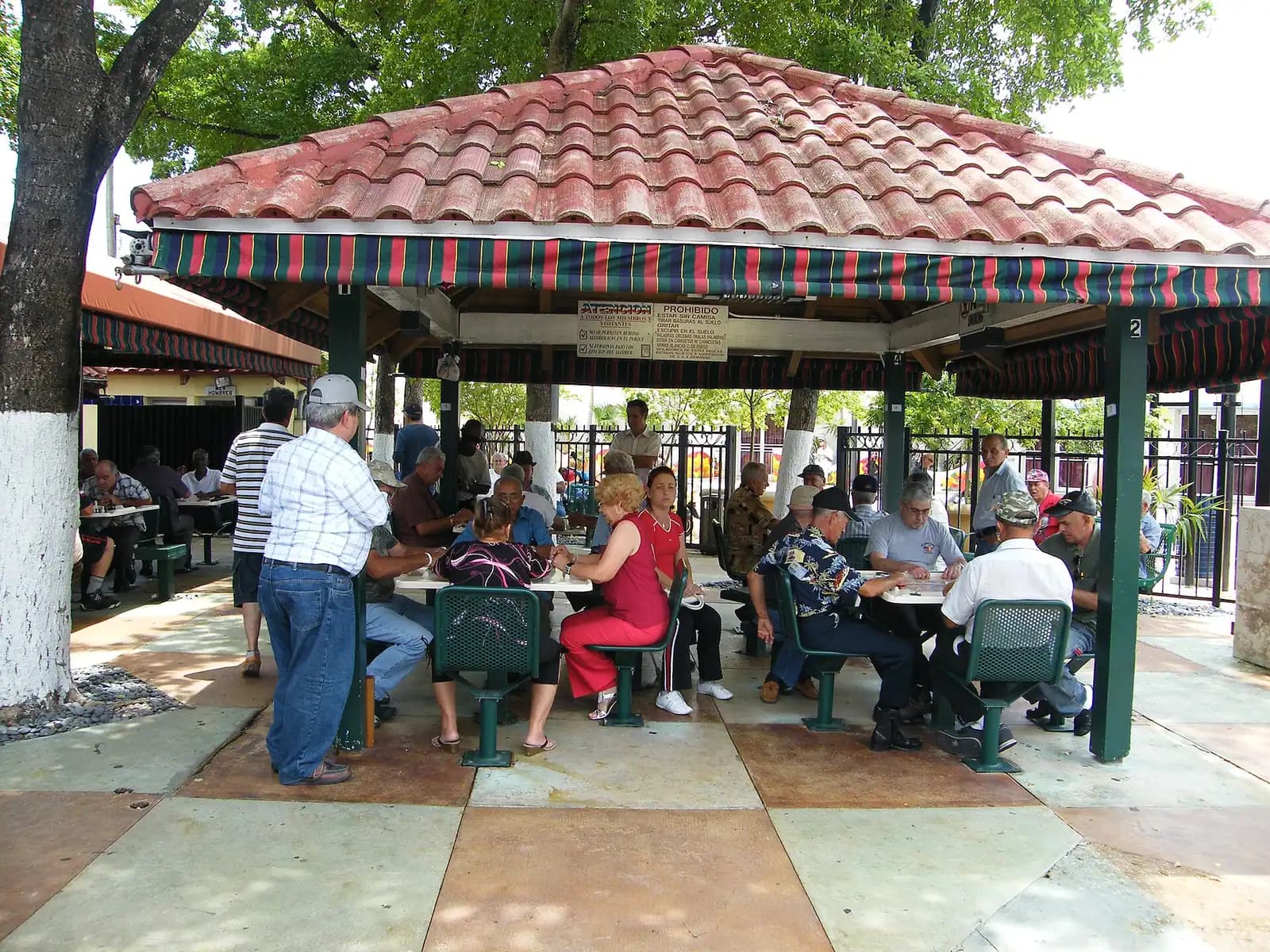
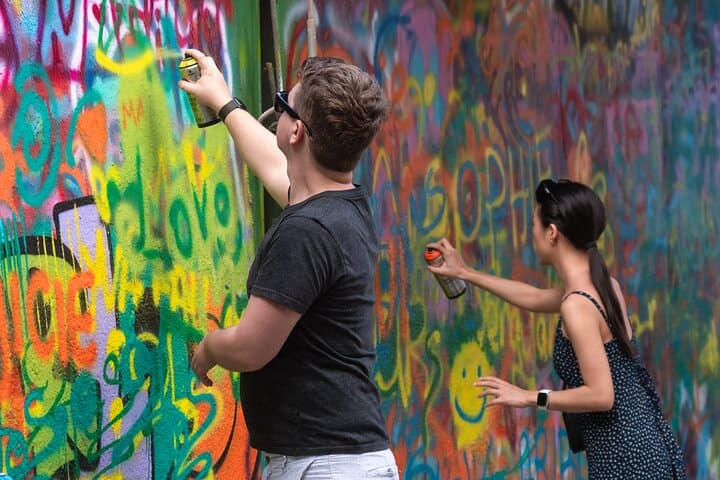
The second thing to understand is that several of Miami's best-known places are open-air and free, and several of the paid ones cost more than visitors expect. The street art on the blocks surrounding the Wynwood Walls costs nothing; the Walls themselves are a ticketed outdoor museum at around $12 for an adult. Domino Park in Little Havana is free to walk into and watch, though the tables are for registered players aged 55 and over. Florida holds its ocean beaches in public trust as far up as the high-water line, so no hotel on Miami Beach owns the sand outside it — though the parking is charged, and the state and county parks take a fee per vehicle. Meanwhile Vizcaya sits near $39 a head, which is a real line in a family budget and worth knowing before you arrive at the gate.
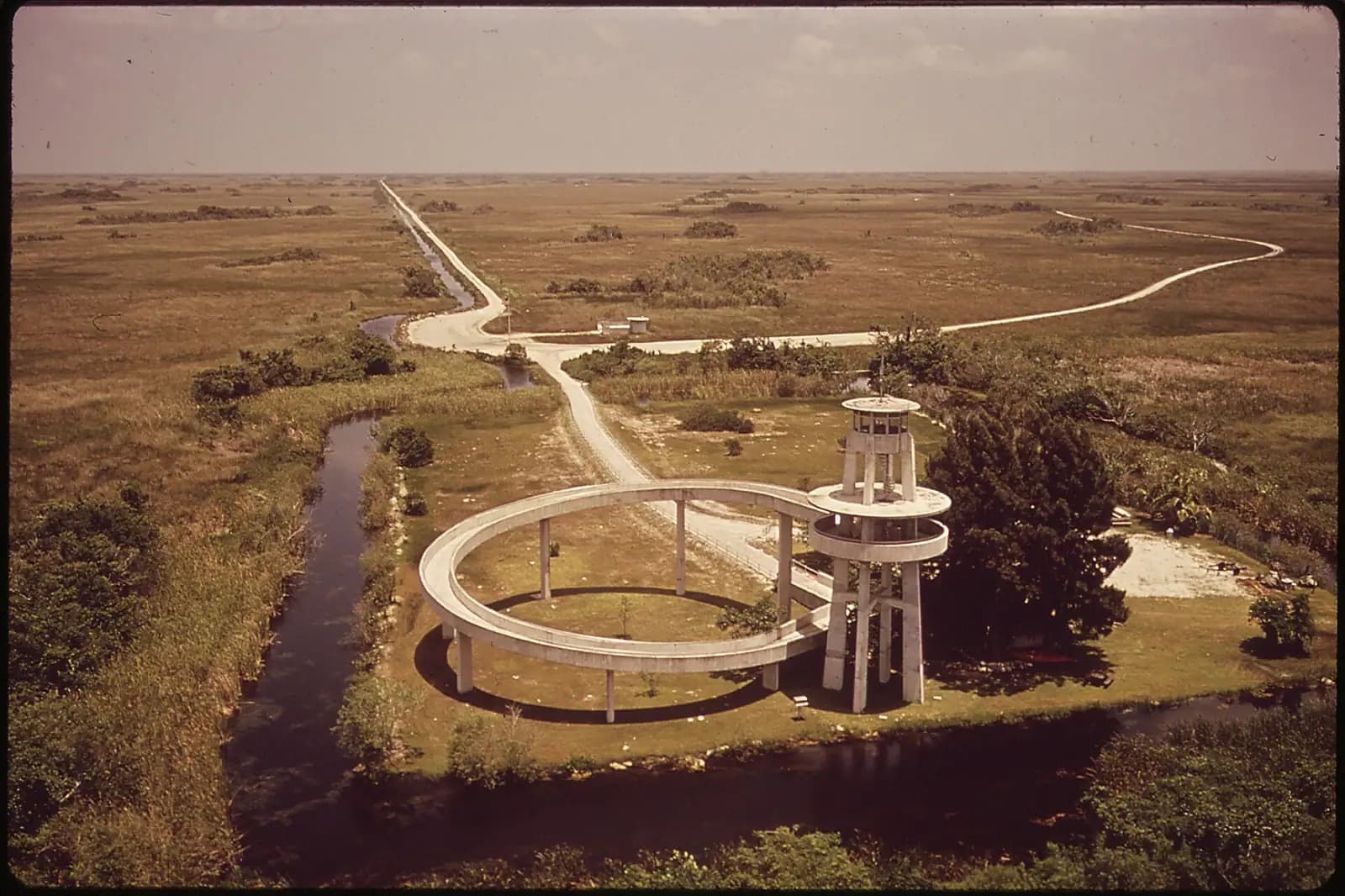
The third is that the fee structures are all different and none of them are interchangeable. Everglades National Park charges around $35 per vehicle for seven days, with a separate non-US-resident fee introduced in 2026. Bill Baggs Cape Florida State Park charges about $8 per vehicle carrying two to eight people. Crandon Park charges per car at the gate. Biscayne National Park has no entrance fee at Convoy Point, but the park is 95 percent water and the boat trips that actually reach it start around $80. Verify all of these before you go; they change, and 2026 has already brought one federal change.
One correction worth making early, because a lot of older guides still get it wrong: the Miami Seaquarium on Virginia Key closed permanently in October 2025, after Miami-Dade County terminated its lease and the animals were relocated. It is not a place you can visit, whatever an out-of-date listing says.
What follows is the city area by area, with what each place asks of you: the drive, the crossing, the fee, and the hour that makes it worth going.