Skip to content
Search
Menu

We earn a commission if you book through this link. You pay the same price.

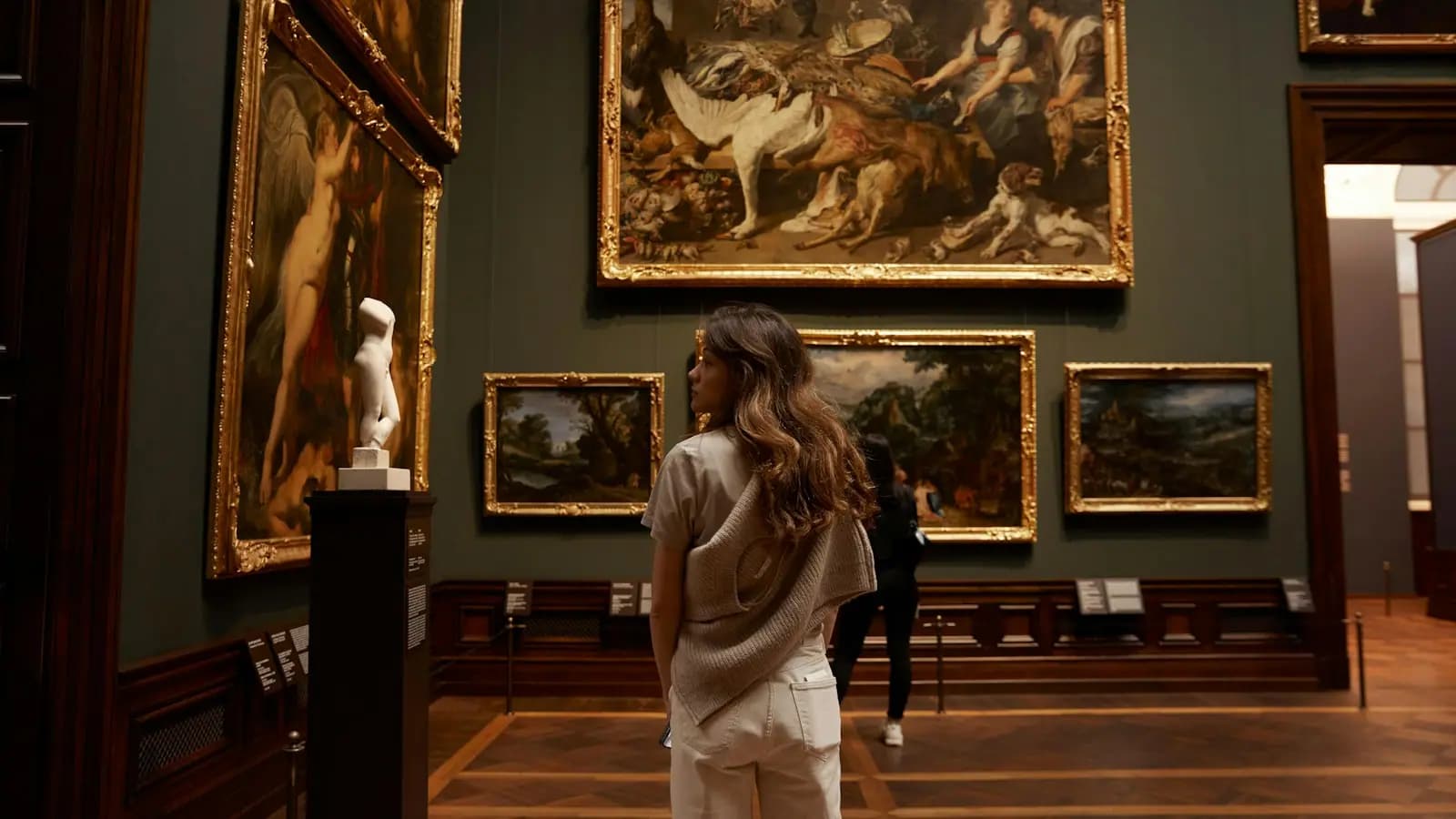
A visitor standing in a gallery looking at paintings hung on a white wall

Things to Do

Museums and Culture in Miami

Last updated

Miami museums and culture: the two bayfront museums, Vizcaya's 1916 villa, warehouse collections in Allapattah and Wynwood, and which ones are free to enter.

Miami's culture problem is one of reputation rather than supply. The city spent decades being written about as a beach with nightclubs attached, and in that time it built a Herzog and de Meuron art museum on the bay, a science museum with a conical aquarium you walk underneath, a contemporary art institution that charges nothing at all, and three private collections housed in warehouses that would be the main event in most European cities. Art Basel did not create this. It arrived in 2002 because the collectors were already here.

The geography of it is simple once you see it. Two big public museums sit together in a bayfront park downtown, ten minutes apart on foot and linked to everything else by the free Metromover. The historic houses are strung along the water south of there: Vizcaya on the Coconut Grove edge, the Deering Estate further down towards Palmetto Bay. The contemporary collections are inland in the warehouse districts, Wynwood, Allapattah and the Design District, which is exactly where the cheap square footage was twenty years ago. The stages are downtown and in Little Havana.

The other thing to know is how much of it is free or nearly so. The Institute of Contemporary Art in the Design District charges nothing, every day, permanently. The Pérez Art Museum opens free on Thursday evenings and runs free second Saturdays. Little Haiti's Cultural Complex programmes a free music night every month. Across the bay in Miami Beach, the New World Symphony projects concerts onto the outside wall of its building for anyone sitting on the grass. A serious culture day in this city can cost the price of parking.

What Miami does not have is a single grand civic museum where a visitor can spend a rainy day and feel they have covered it. The collection is distributed across neighbourhoods that are miles apart, which means a culture day here is a route rather than a building. Plan two institutions, not four, and let the drive between them be part of it.

Our picks

The ones we would book

  • Editor's Pick

    Best single ticket in Miami

    Why we chose it

    Vizcaya, booked for a morning slot. A 1916 bayfront villa with formal gardens and a stone barge in the water is a straightforwardly extraordinary thing to have within fifteen minutes of downtown, and it repays two or three hours. Closed Tuesdays, so check the day. Go early; the gardens have almost no shade.
  • Best for Families

    Best museum day with children

    Why we chose it

    Frost Science solves a wet afternoon and a hot one at the same time: a conical aquarium viewed from below, a planetarium under a full dome, and enough hands-on exhibits to absorb several hours. It is next door to the Pérez Art Museum in the same bayfront park, so one parking fee covers both if the day goes well.

    Little Havana Food and Walking Tour in Miami
    Best for FamiliesFree cancellationSmall group

    Small Group

    Little Havana Food and Walking Tour in Miami (opens in a new tab)

    9.9K reviews

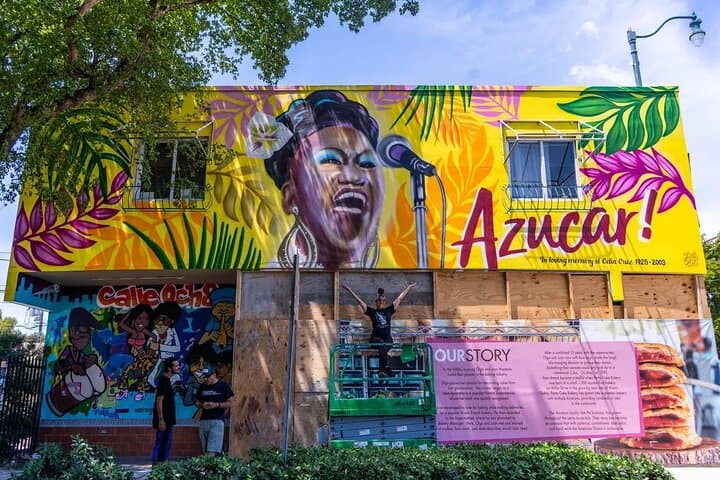
    Join us on a culinary and cultural walking tour of Little Havana where you will discover the traditions, history, music and flavors of…

    2–3 hours

    Prices checked

    from $69.99
  • Best Value

    Best-value combined museum ticket

    Why we chose it

    The bayfront combination ticket covers both the art museum and the science museum for roughly 15 per cent less than buying separately, and the two buildings are a five-minute walk apart on the free Metromover line. Only worth it if you will genuinely do both on the same day, which is a lot of museum for young children.

  • Small Group

    Best guided history walk

    Why we chose it

    A small-group walking tour of downtown, Little Havana or Coconut Grove with a guide who knows the archival detail is the closest thing Miami has to a city museum, because so much of the history is in the streets rather than in a building. Ask whether the guide is a historian or a tour operator; here, the difference shows.

  • Top Rated

    Best architecture and design tour

    Why we chose it

    Miami's architecture runs from 1920s Mediterranean revival in Coral Gables to the Design District's commissioned facades and a car park with seven different frontages. A guided architecture walk ties that together in a way a museum cannot, and it is the rare tour where the exhibits are free and permanently on display.

The two museums in the bayfront park

Pérez Art Museum Miami, universally called PAMM, opened its Herzog and de Meuron building in 2013: a raised concrete platform under a broad canopy, hung with vertical gardens, facing directly onto Biscayne Bay. The collection concentrates on twentieth and twenty-first century art of the Atlantic rim, which in practice means Caribbean, Latin American and African diaspora artists alongside North American and European ones. General admission has run around $16 for adults with reductions for students, seniors and young people, and small children free. Entry is free on Thursday evenings, roughly 5pm to 9pm, and on free second Saturdays, which are family days with music and are genuinely busy.

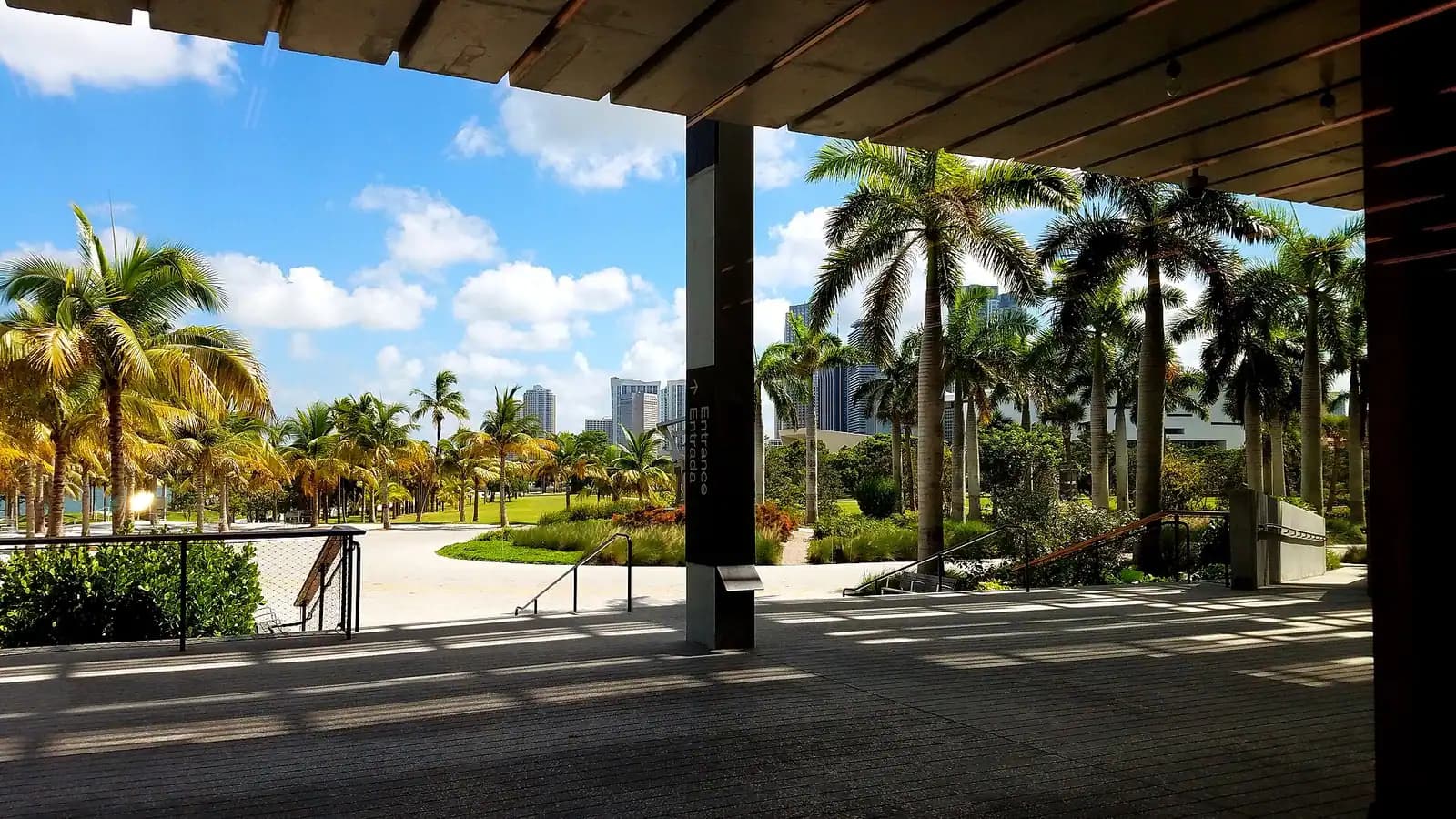
The terrace at PAMM, under the canopy with the bay in front of it, is one of the better free-to-look-at views in the city even if you never buy a ticket. The restaurant is open to the public.

Next door, the Phillip and Patricia Frost Museum of Science opened in 2017 and is built around a conical aquarium you view from underneath, beside a planetarium with a domed screen. Adult tickets have sat in the $30 to $35 band including the planetarium, with lower rates for children and seniors, and combined tickets with PAMM save roughly 15 per cent against buying both.

The two together make a full day. The Metromover stops beside them, which makes this the one museum cluster in Miami that needs no car and no parking fee.

Historic houses, and the city's own history

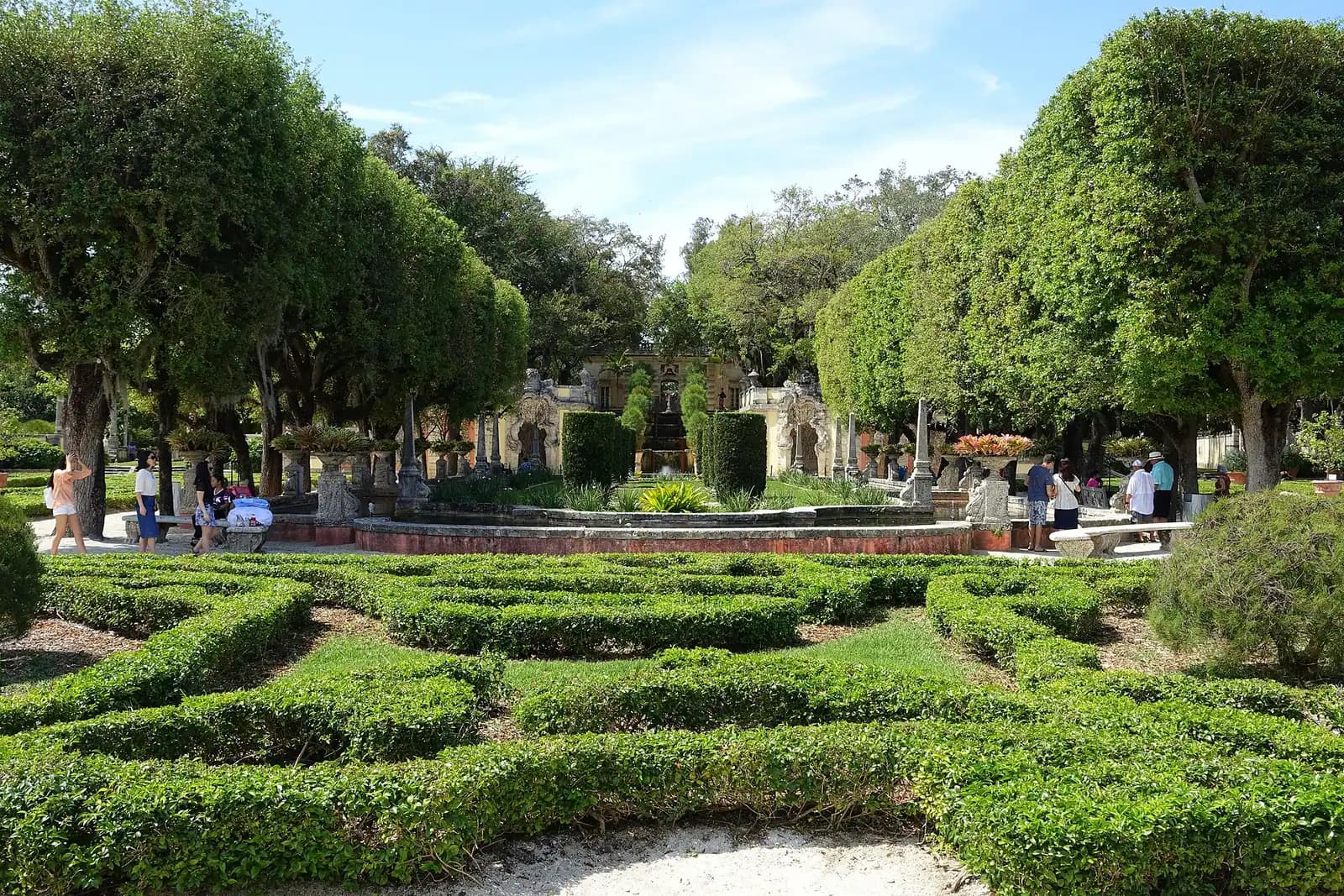
Vizcaya is the one to prioritise. James Deering, of the International Harvester family, finished the main house in 1916: an Italianate villa built on the bay with formal gardens behind it, a stone barge moored off the terrace as a breakwater, and interiors assembled from European rooms shipped over wholesale. It is a National Historic Landmark and it is closed on Tuesdays, with admission around $25 for adults, roughly $10 for children and reduced rates for students and seniors. Allow two to three hours and go early; the gardens have almost no shade and the house is not air-conditioned in the way a modern museum is.

The Deering Estate in Palmetto Bay, built by James's half-brother Charles, is the quieter version: a stone house, a 1900s inn, pine rockland and mangrove on a bayfront site with archaeology going back thousands of years. It is a forty-minute drive south of downtown and rarely crowded.

Downtown, HistoryMiami is the city's own museum and a Smithsonian affiliate, and its long-running programme of walking tours led by the resident historian is the best guided history available here, including the free Little Havana walk on Viernes Culturales evenings.

The Freedom Tower on Biscayne Boulevard, the 1925 tower where Cuban refugees were processed between 1962 and 1974, houses a museum of art and design and has been through a major restoration in recent years. Check whether the galleries are open before you make a special trip.

The private collections, which are the surprise

The Institute of Contemporary Art, in the Design District, is free. Not free one evening a week, free. It shows serious contemporary work in a purpose-built building with a sculpture garden behind it, and it has taken over the former de la Cruz Collection premises on NE 41st Street as a second site. If you do one art thing in Miami and do not want to pay for it, do this.

The Rubell Museum in Allapattah holds one of the largest private contemporary collections in the United States across thirty-six galleries in a converted warehouse complex, with a restaurant and a garden. Mera and Don Rubell started buying in the 1960s on a teacher's and a doctor's income, which is the part of the story that makes the scale of it strange.

The Margulies Collection at the Warehouse in Wynwood shows large-scale installation, sculpture and photography, opens on a seasonal schedule rather than year-round, and gives its admission income to a local shelter for women and children.

Bakehouse Art Complex, also in Wynwood, is a working studio building rather than a museum, with open studios and a gallery, and it is where you can meet artists who still have space in a neighbourhood that has mostly priced them out.

Between them these four do more for Miami's standing as an art city than the fair in December does, and three of the four are in buildings that were built to store things.

Stages, theatres and the cultural calendar

The Adrienne Arsht Center, two halls either side of Biscayne Boulevard downtown, is the city's main performing arts venue: opera, ballet, touring musicals, jazz and the Florida Grand Opera season. The Metromover stops outside.

The Olympia Theater on Flagler Street is a 1926 atmospheric cinema with a ceiling painted as a night sky, the kind of room that was built to make a Depression-era audience feel wealthy for two hours. The Tower Theater on Calle Ocho, from the same decade, showed subtitled and dubbed films to newly arrived Cubans in the 1960s and still programmes Spanish-language cinema.

In Overtown, the restored Lyric Theater is the surviving anchor of what was the touring circuit for Black performers who played Miami Beach hotels and were not permitted to sleep in them. The Little Haiti Cultural Complex runs its free Sounds of Little Haiti night on the third Friday of each month in the courtyard, and the Caribbean Marketplace beside it opens Friday to Sunday.

In Coral Gables, the art cinema on Aragon Avenue is where the subtitled and independent releases play, and the Lowe Art Museum at the University of Miami holds the encyclopaedic collection the city otherwise lacks, from antiquities to Latin American modernism.

Across the bay, and worth naming because they are frequently listed as Miami: the Wolfsonian, the Bass, Miami City Ballet and the New World Symphony are all in Miami Beach. The symphony's outdoor projected concerts on the park wall are free and are one of the best evenings either city offers.

What it costs, and how to pay less

What it costs

Bands rather than quotes; museum pricing changes annually and special exhibitions are usually charged on top.

  • Institute of Contemporary Art: free, every day.
  • PAMM: around $16 for adults, with reductions for students, seniors and under-18s, free on Thursday evenings from about 5pm and on free second Saturdays.
  • Frost Science: roughly $30 to $35 for adults including the planetarium, less for children and seniors.
  • PAMM and Frost combined ticket: saves roughly 15 per cent against two separate tickets.
  • Vizcaya: around $25 for adults and about $10 for children aged 6 to 12, with veterans and small children free. Closed Tuesdays.
  • Rubell Museum: in the region of $15 to $20 for adults.
  • Deering Estate: around $15 for adults, less for children.
  • Historic Overtown, Little Haiti and Little Havana cultural programming: frequently free.
  • Parking: the bayfront museum garage and Design District garages typically run $10 to $30 for a few hours. The Metromover, which serves the bayfront museums, is free.

Two habits that save real money. Check the free evening and free day schedules before fixing your week, because they move institutions from a $60 family outing to nothing. And buy the combined bayfront ticket only if you will genuinely do both museums on the same day, which is a long day with small children.

Planning a culture day that works

When to go

Tuesdays. Vizcaya is closed. Several smaller institutions also close Monday or Tuesday. If Vizcaya is the reason you came, check the day before you plan around it.

Mornings. Vizcaya's gardens and the Deering Estate's grounds are unshaded and get hot by eleven from May through October. Do outdoor sites first and indoor collections in the afternoon.

Rain. June to November brings short violent afternoon thunderstorms rather than day-long rain. The bayfront museums are the standard wet-afternoon plan because they are adjacent, indoors and on the free Metromover, so you never stand in it.

Art Basel week. 4 to 6 December 2026 at the Miami Beach Convention Center, with VIP days from 2 December and satellite fairs across both cities from 30 November. Every museum programmes its strongest show for it, every hotel doubles its rate, and the traffic across the causeways is the worst of the year. Extraordinary week to be here, terrible week to arrive unplanned.

Free nights. PAMM on Thursday evenings, free second Saturdays, the third-Friday music night in Little Haiti and the last-Friday street festival in Little Havana. Between them they cover most weeks of the month.

Realistic pacing. Two institutions in a day, three if two of them are next door to each other. The driving between neighbourhoods is what defeats ambitious plans here, not the opening hours.

Book it

Everything else we track

Some links below go to Viator, our booking partner. We earn a commission on bookings made through them — at no extra cost to you, and with no influence on what we recommend.

Sharing, or having it to yourselves

Most of what is bookable here sells two ways, and the cheaper one is not always the cheaper one. A shared departure is priced per person; a private booking is priced for the party, so the arithmetic flips somewhere around four to six people — and it is the only version where you pick the time. Check the party size each listing actually covers before you decide.

  • Book a seat

    A shared departure, priced per person. The cheapest way to do this for one or two people.

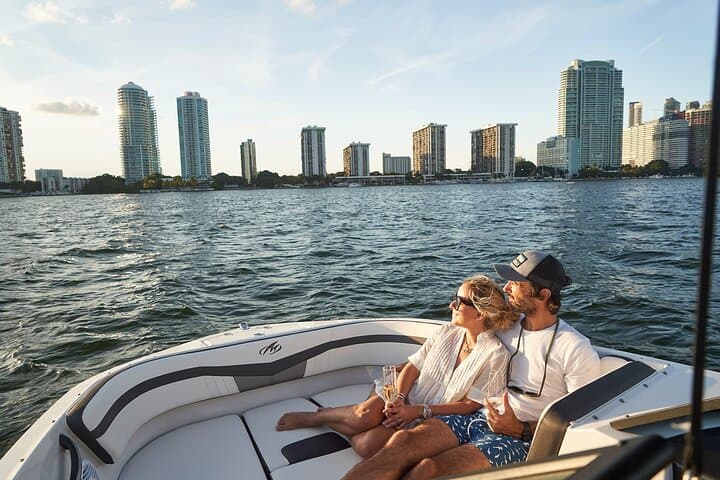
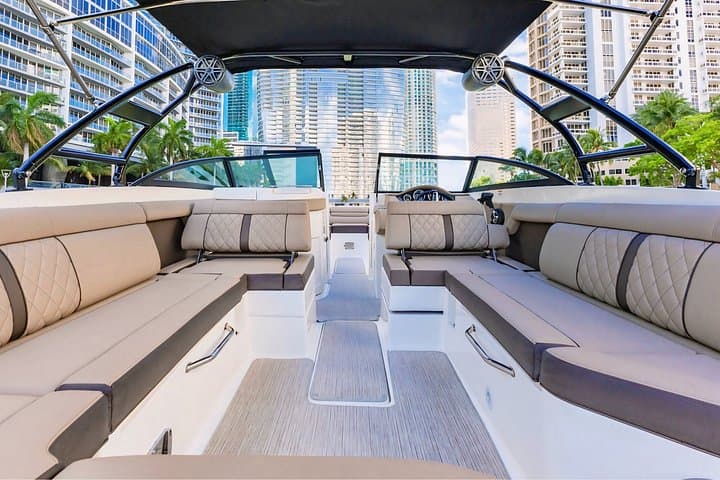
    Our panoramically view perfect for instagram worthy pictures
    Free cancellationInstant confirmation

    Curated Catalog

    Miami Skyline Cruise with Biscayne Bay Views (opens in a new tab)

    1.5K reviews

    Embark on an unforgettable journey with Miami Skyline Views and Biscayne Bay Boat Cruise, one of the best Miami sightseeing cruises where…

    1–2 hours

    Prices checked

    from $30
  • Book the whole thing

    Priced for the party rather than the seat, and you choose the departure time.

Not everything called a museum is one

Before you book

Miami has a healthy population of ticketed photo experiences that use the word museum in their branding: illusion rooms, sweet-themed selfie backdrops, immersive projection shows in leased warehouse space. Some are good fun with children on a wet afternoon. None of them is a collection, and several charge more than the Pérez Art Museum does.

Three checks before you buy a ticket to something you have not heard of:

  • Does it have a collection, or a set? A permanent collection implies curators, conservation and a reason to return. A set implies a photo opportunity with a queue.
  • Where is it? Pop-up experiences take short leases in Wynwood, downtown and the outlet malls, and they move or close with little notice. A resale ticket for a venue that has already shut is a recurring complaint here.
  • What does it cost against the real thing? Frost Science, with a planetarium and an aquarium, is around $30 to $35. If an immersive room is asking similar money, that is the comparison to make.

Two further practicalities. Special exhibitions at the big museums are often ticketed separately from general admission, so read what your ticket covers. And the free days at PAMM are genuinely busy, which is fine for a family Saturday and less good if you wanted quiet contemplation in front of a painting.

On the ground

Where to go

Every place below has its own page — hours, parking, what it costs and what to expect when you get there.

  • The east facade of an Italianate villa facing across formal terraces to open water

    Historic site

    Vizcaya Museum & Gardens

    A 1916 Italian villa built on the edge of a mangrove shore, with formal gardens running down to a carved stone barge in Biscayne Bay.

    2–3.5 hoursTicketed, with adult admission recently around $25 and reduced rates for children roughly 6–12; under-6s free. Timed entry is standard.

  • A Cuban coffee window on a Miami street with customers standing at the counter drinking from small cups
    Free

    Neighbourhood

    Little Havana

    The neighbourhood Cuban exiles built west of downtown Miami, now shared with Nicaraguan and Honduran Miami and still entirely lived-in.

    2–5 hoursFree to walk. Individual venues, tours and shows charge their own admission.

  • A large colourful mural covering the whole flank of a single-storey warehouse in Miami's Wynwood district

    Landmark

    Wynwood Walls

    A ticketed courtyard of commissioned murals in a warehouse district where almost all the art outside the gate costs nothing.

    1–2.5 hoursTicketed. General admission has been listed anywhere from around $12 to the mid-$30s for adults depending on ticket type and seller, with reduced rates for children, students and seniors. The murals on the surrounding streets are free.

  • The deep slatted canopy of Pérez Art Museum Miami shading an open veranda above the bayfront lawn

    Museum

    Pérez Art Museum Miami

    A bayfront museum on stilts with hanging gardens on its veranda, collecting the art of the Atlantic world rather than the usual canon.

    1.5–3 hoursTicketed, with adult admission recently around $16 and roughly $12 for students, seniors and ages 7–18; under-6s free. Free on the second Saturday of each month and regularly free on Thursday evenings.

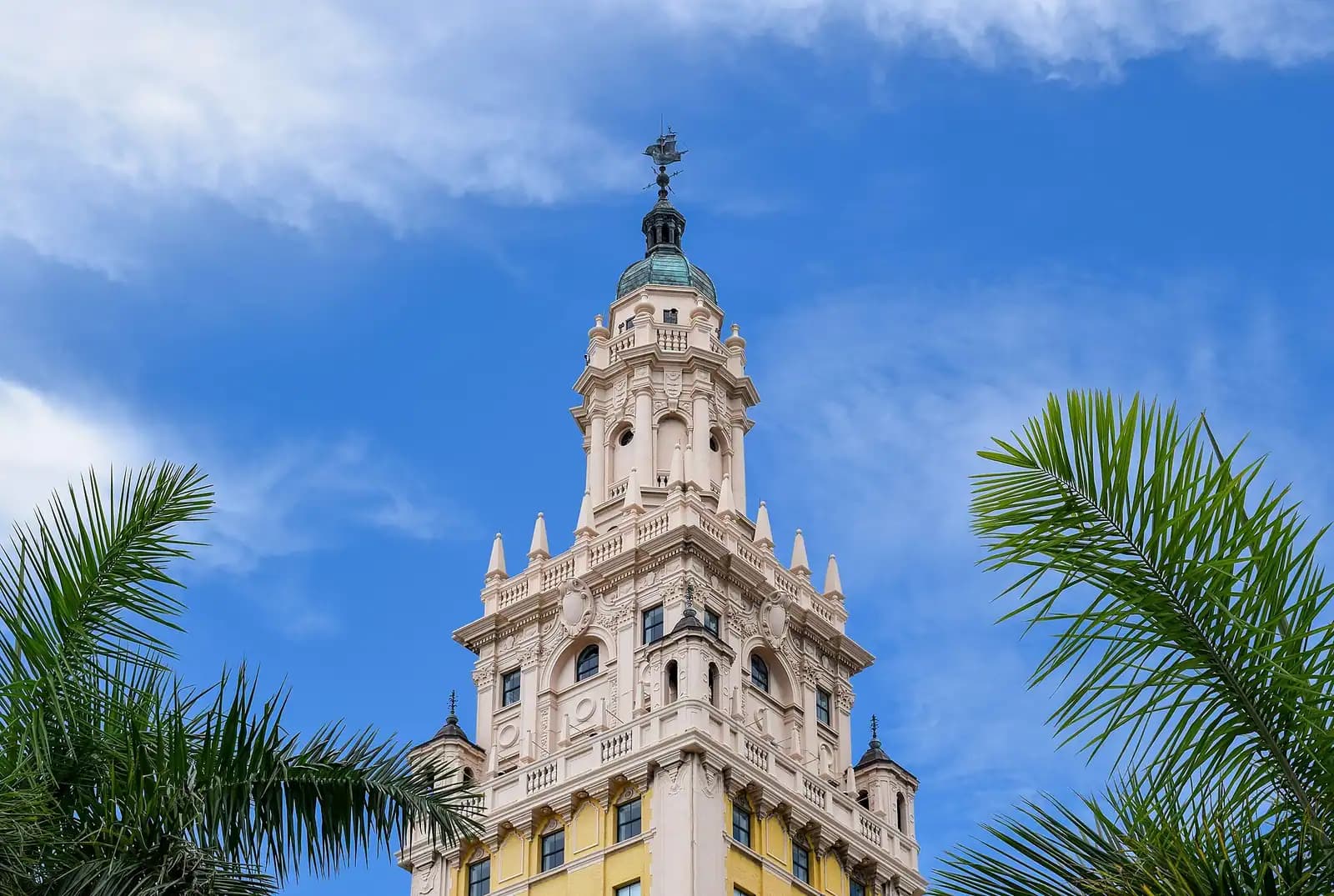
  • An ornate 1920s tower with a decorated crown standing among much taller modern glass buildings

    Historic site

    Freedom Tower

    A 1925 newspaper tower that became the federal processing centre for Cuban refugees, reopened in 2025 after a two-year restoration.

    1–2 hoursOperated by Miami Dade College's Museum of Art and Design. Admission arrangements have varied over the building's life and have been revised since the 2025 reopening — check before you go.

  • A Mediterranean Revival building with barrel-tile roof, arcades and stucco walls under palms
    Free

    Neighbourhood

    Coral Gables

    A whole city planned and sold in the 1920s to one Mediterranean design code, and still enforcing it a century later.

    2.5–6 hoursFree to visit the city, Miracle Mile and the residential streets. The Venetian Pool, the Coral Gables Museum and Fairchild Tropical Botanic Garden each charge their own admission.

  • A stone Mediterranean-revival house with arched loggias seen across a lawn under palms

    Historic site

    Deering Estate

    Charles Deering's bayfront estate: an 1896 pioneer hotel, a 1922 stone house, and a Paleoindian fossil site in the pine rockland behind.

    2–4 hoursAround $18 for adults and roughly $10 for children, including the house tours and the guided nature walk when running. Young children generally free.

  • Large ocean fish and a shark circling in a deep aquarium tank seen from below

    Museum

    Phillip and Patricia Frost Museum of Science

    A bayfront science museum built around a conical aquarium you look down into from the roof and up through from three floors below.

    2.5–4 hoursTicketed, recently around $30 for adults with lower youth rates for roughly ages 4–11 and under-3s free. One planetarium show is normally included, subject to availability.

  • A quiet empty beach with calm shallow water and a line of pines along the back of the sand

    Beach

    Historic Virginia Key Beach Park

    The beach Miami's Black residents won by protest in 1945, reachable only by boat until the causeway arrived two years later.

    2–5 hoursFree to enter on foot or by bicycle. A modest per-vehicle parking charge applies at the gate. The carousel and miniature train are separately ticketed at a small charge.

  • A brightly painted market building with steep roofs and fretwork detailing on a Miami street
    Free

    Neighbourhood

    Little Haiti

    The centre of Haitian life in the Americas outside Haiti, on some of the highest ground in Miami and under corresponding pressure.

    1.5–4 hoursFree. The neighbourhood, the Caribbean Marketplace exterior and the cultural complex galleries cost nothing, and Big Night in Little Haiti is a free concert.

  • A geodesic dome structure standing open in a modern paved plaza surrounded by contemporary buildings
    Free

    Shopping

    Miami Design District

    A luxury shopping quarter laid out as walkable streets, with a Buckminster Fuller dome and a free art museum in the middle of it.

    1.5–3.5 hoursFree to walk. The Fly's Eye Dome, the public art trail and ICA Miami all cost nothing; ICA's free admission is permanent policy rather than a free day.

  • A dense cluster of downtown towers seen across water at the end of the day
    Free

    Neighbourhood

    Downtown Miami

    The original Miami: a railway terminus that became a city in 1896, now a downtown of towers, museums and a free elevated railway.

    3–8 hoursFree to walk, and the Metromover that connects it costs nothing. Museums, the Freedom Tower galleries, bay cruises and events are ticketed separately.

Straight answers

Questions people actually ask

What are the best museums in Miami?

Vizcaya Museum and Gardens for the 1916 bayfront villa, the Pérez Art Museum for modern and contemporary art of the Atlantic rim in its Herzog and de Meuron building, Frost Science for the aquarium and planetarium, the free Institute of Contemporary Art in the Design District, and the Rubell Museum in Allapattah for one of the largest private contemporary collections in the country. The first three are the standard first-trip choices.

Are there free museums in Miami?

Yes. The Institute of Contemporary Art in the Design District is free every day it opens, permanently. The Pérez Art Museum is free on Thursday evenings from about 5pm and on free second Saturdays. The Little Haiti Cultural Complex runs a free music night on the third Friday of the month, and Little Havana's Viernes Culturales on the last Friday includes a free walking tour led by a city historian.

How much does Vizcaya cost?

Admission has run around $25 for adults and about $10 for children aged 6 to 12, with veterans and young children free and reduced rates for students and seniors. It is closed on Tuesdays and typically opens from mid-morning to late afternoon. Allow two to three hours for the house and gardens together, and book a morning slot in summer, because the gardens have almost no shade.

Is Miami good for art?

Better than its reputation. Alongside the public museums there are three major private collections open to the public, the free Institute of Contemporary Art, the Wynwood mural district, a working artists' studio building in Wynwood, and Art Basel Miami Beach each December, which arrived in 2002 because the collectors were already here. The catch is distribution: the art is spread across neighbourhoods miles apart, so plan a route rather than a building.

What can you do in Miami when it rains?

The two bayfront museums are the standard answer, because the Pérez Art Museum and Frost Science are a few minutes apart in the same park and both sit on the free Metromover, so you barely go outside. Summer rain here is usually a violent afternoon thunderstorm lasting an hour rather than a day of drizzle, so an indoor museum block from two until four often buys you a clear evening.

How long do you need at the Pérez Art Museum?

Two hours covers the galleries at a comfortable pace, three if there is a major temporary exhibition. Add another two to three hours if you are continuing to Frost Science next door, which makes a full day. The terrace under the canopy, with the vertical gardens and the bay in front of it, is worth twenty minutes on its own and is accessible without a ticket.

Which Miami museums are closed on Mondays or Tuesdays?

Vizcaya closes on Tuesdays, which is the closure most likely to disrupt a plan. Several smaller institutions and private collections close on Mondays and Tuesdays, and the Margulies Collection in Wynwood runs a seasonal schedule rather than opening year-round. Check opening days the week before you travel rather than relying on a list, because Miami's smaller venues adjust hours with the season.