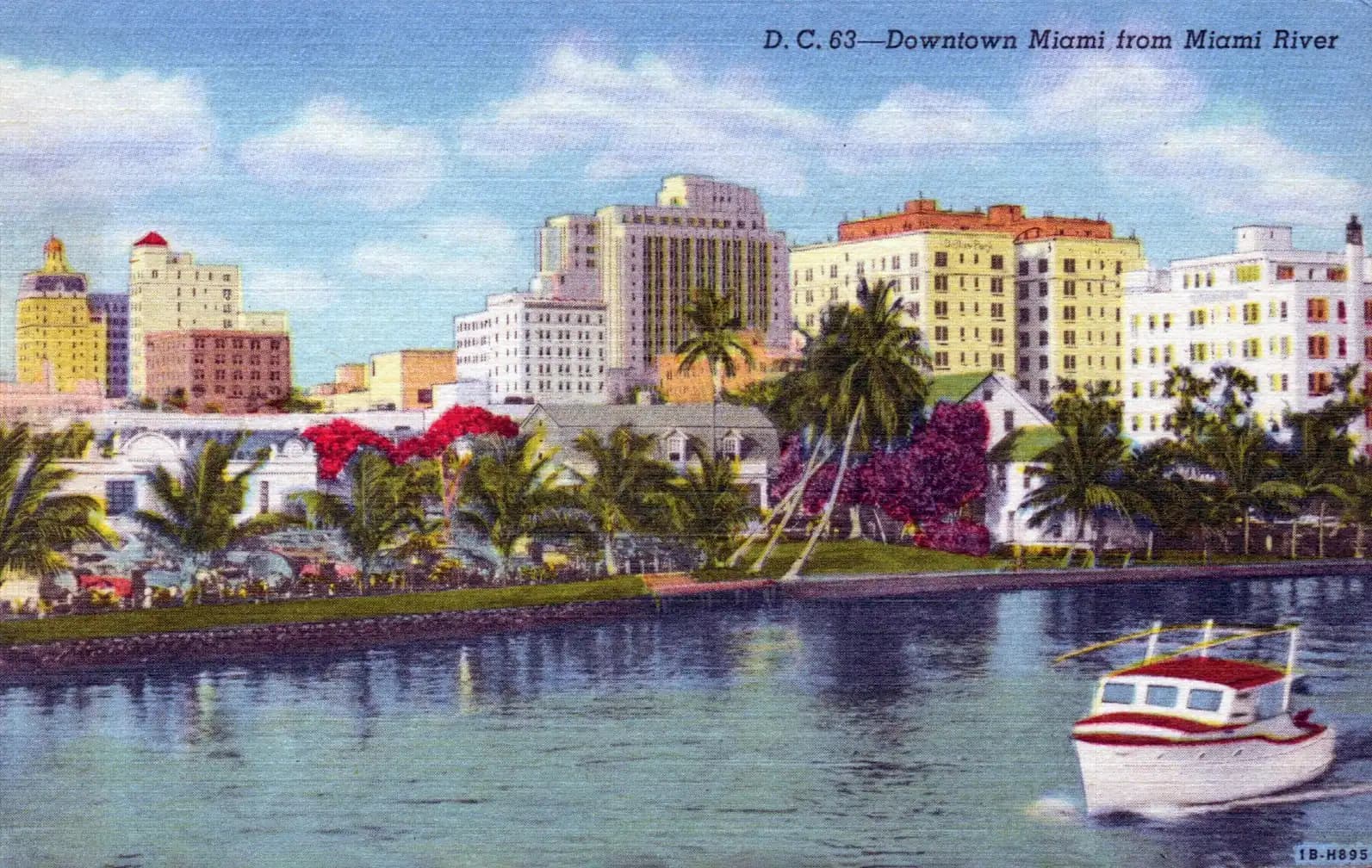
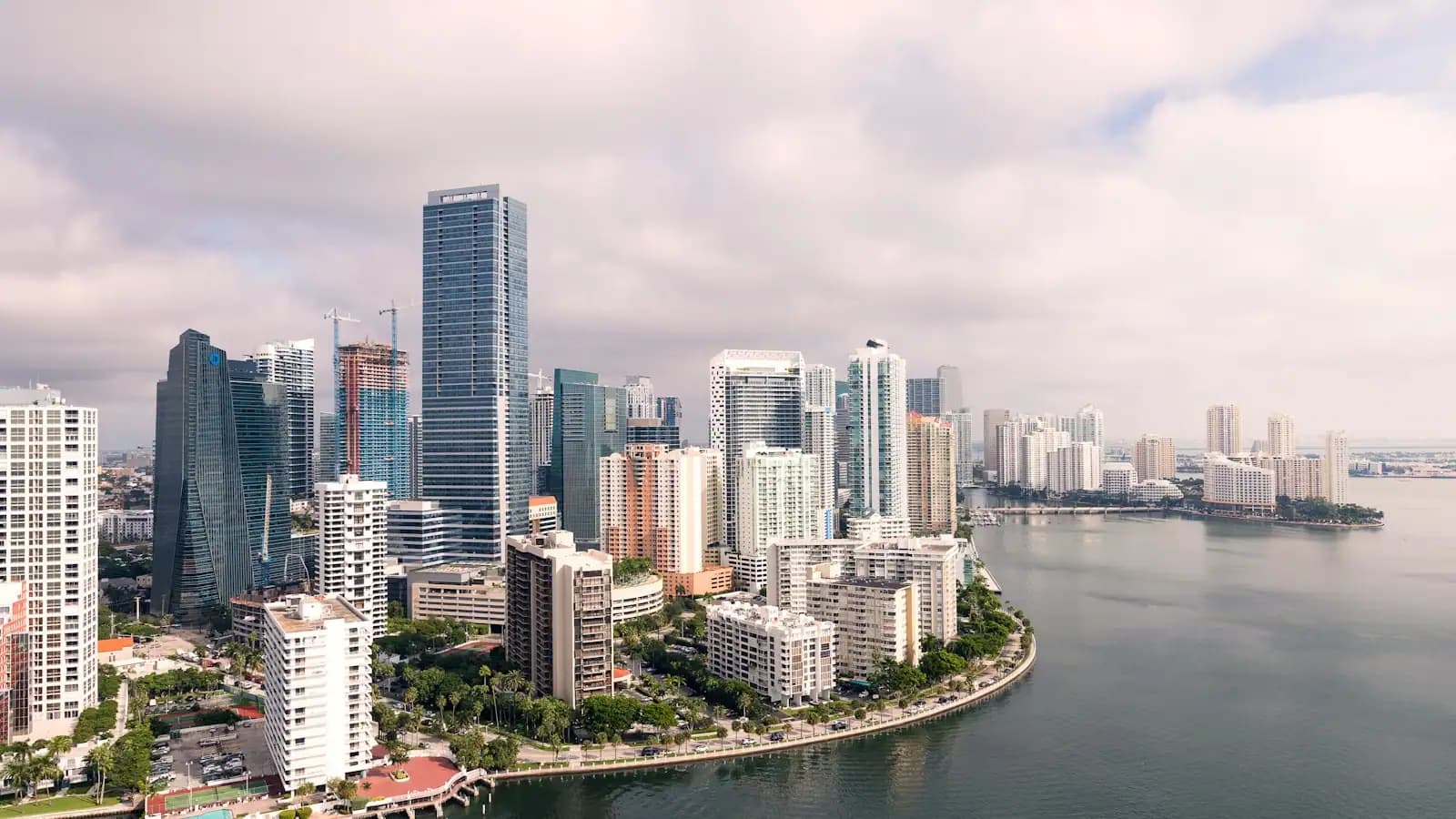
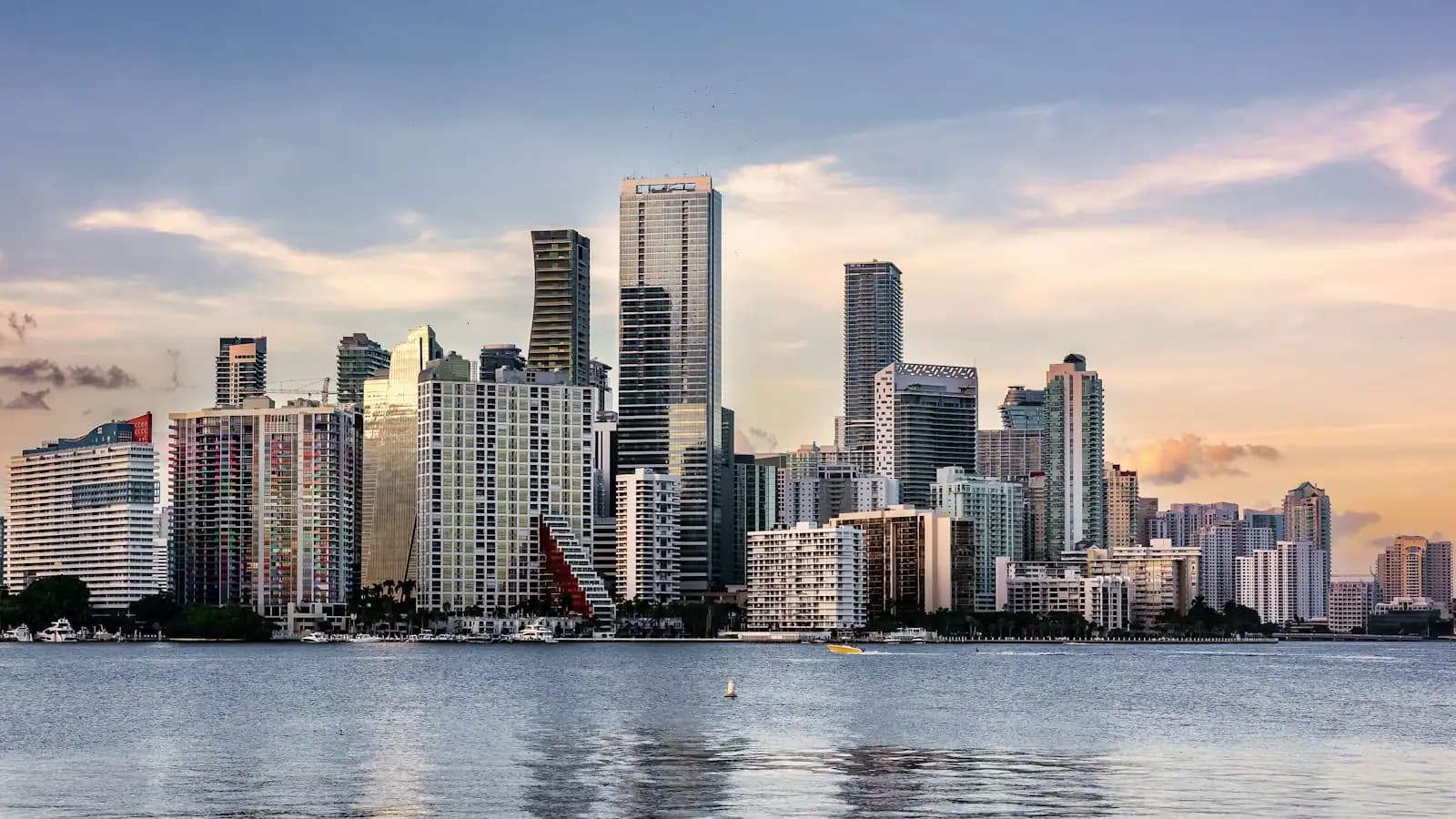
Key Biscayne is an island Miami can see from its office windows and most visitors never reach. It sits about seven miles from downtown across the bay, and there is exactly one way to drive there: the Rickenbacker Causeway, which lifts off the mainland at Brickell, crosses Virginia Key, then climbs the Bear Cut Bridge and lands you on the key itself.
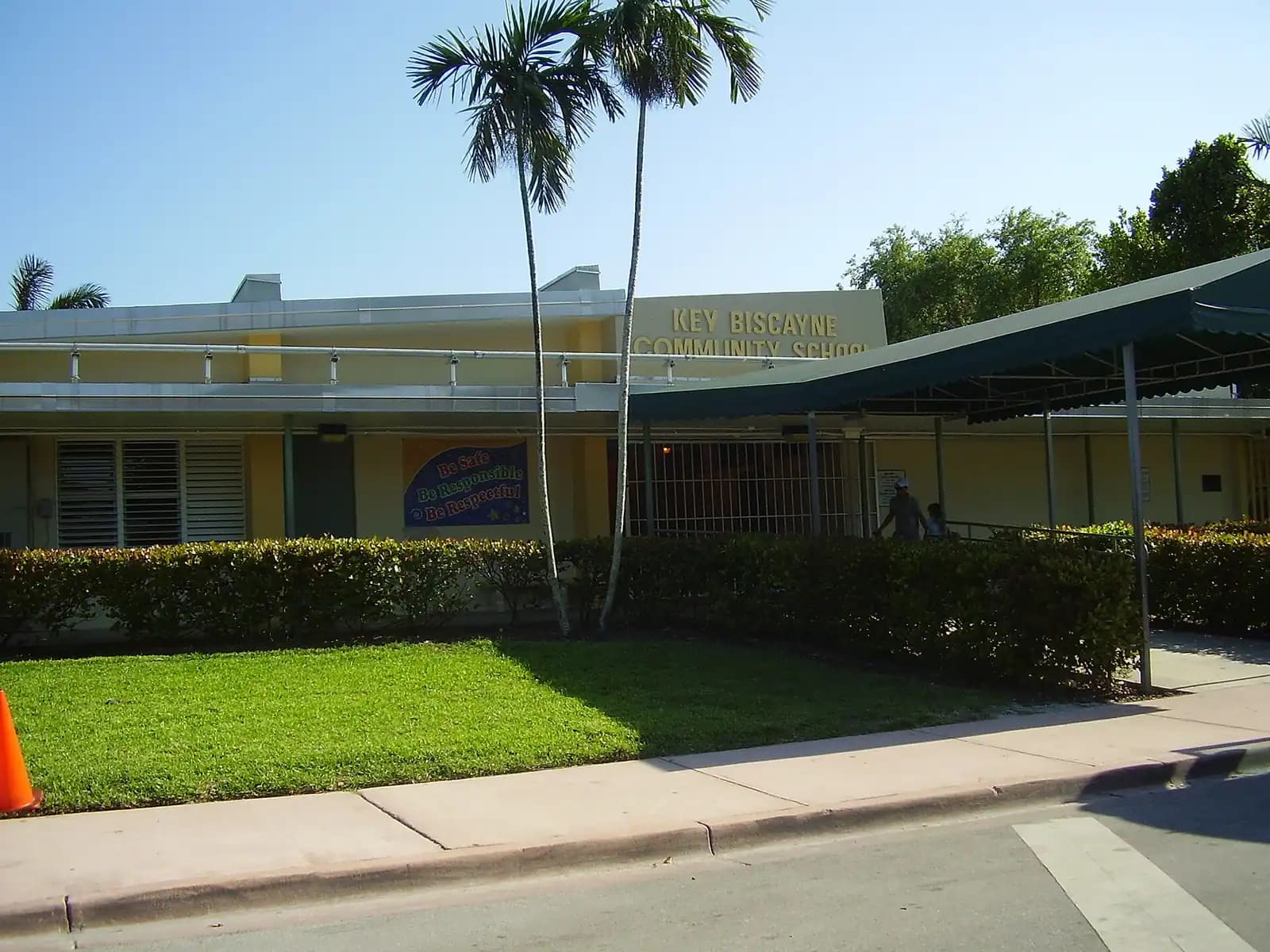
Confusing it with Miami Beach is the standard error. They are different islands, on different sides of the bay, with different characters and no road between them — to get from South Beach to Key Biscayne you drive back through downtown. Miami Beach is a city of 80,000 with a nightlife economy. Key Biscayne is a village of about 15,000 with a supermarket, a handful of restaurants, low buildings and a general air of not wanting a fuss. It became the Village of Key Biscayne in 1991; before that it was unincorporated county.
The island is structured with pleasing simplicity: park, village, park. Crandon Park takes the northern third, a county beach with a sandbar offshore that flattens the surf. The village occupies the middle, residential and quiet. Bill Baggs Cape Florida State Park takes the southern tip, with the 1825 lighthouse that is the oldest standing structure in Miami-Dade County. Crandon Boulevard runs the length of it and ends at the park gate.
Two pieces of history sit on the island without any signage to speak of. Richard Nixon kept his winter White House here through his presidency — private houses on Bay Lane, not a site you can visit. And the Miami Open was played at Crandon Park for three decades before it moved to Hard Rock Stadium in 2019, which is why there is a stadium complex in the middle of a beach park.
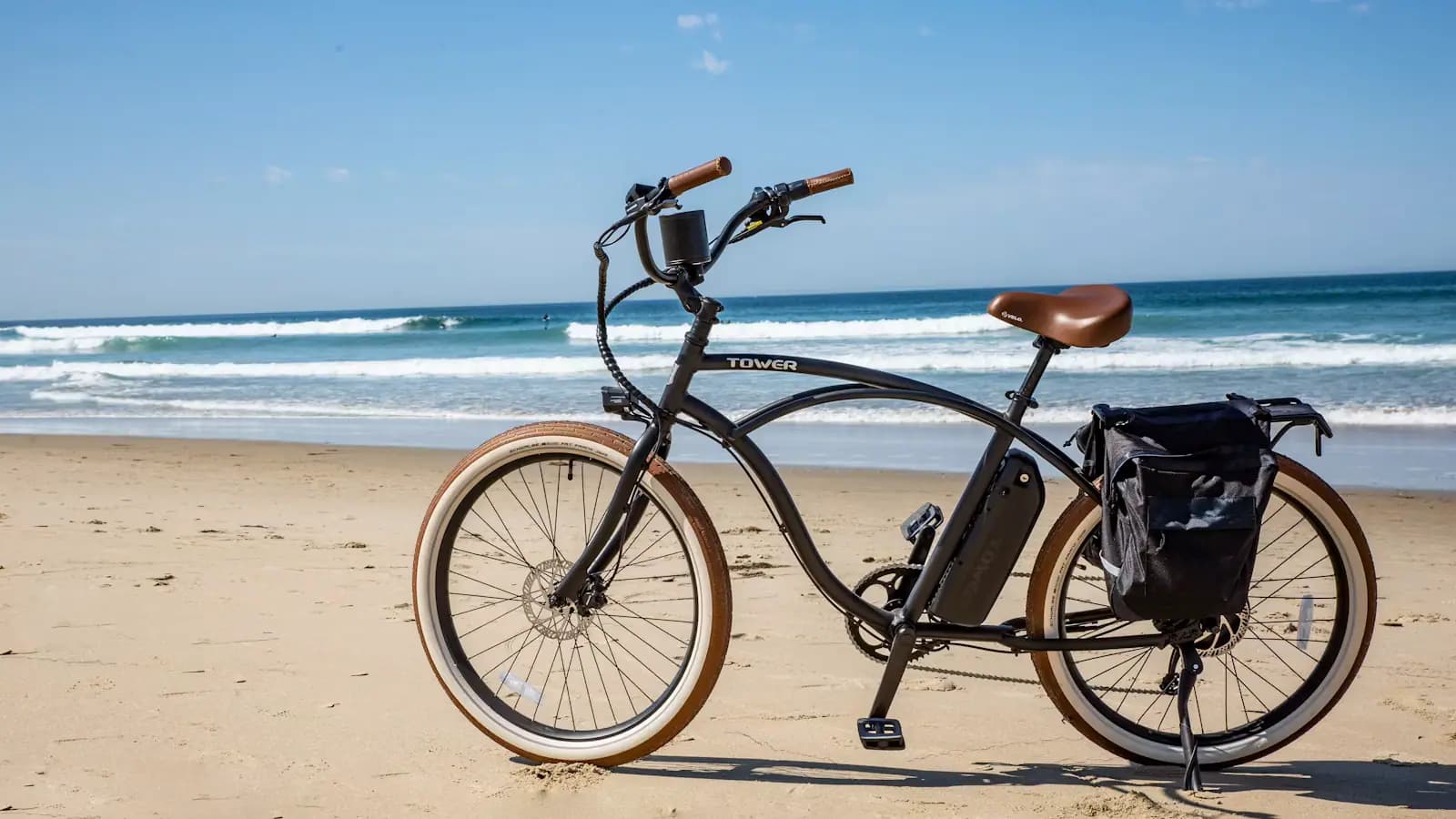
The causeway is the other thing to understand. It tolls eastbound, and on weekend mornings it is one of the busiest cycling routes in South Florida.