In 2009 a developer called Tony Goldman looked at a district of windowless warehouses north of downtown and decided the blank walls were the asset. He commissioned artists to paint them, fenced a courtyard of the best ones, and called it the Wynwood Walls. Seventeen years later that courtyard has carried work by more than seventy artists from more than a dozen countries, the warehouses around it rent as galleries and breweries, and Wynwood is the reason a large share of Miami's visitors come to the mainland at all.
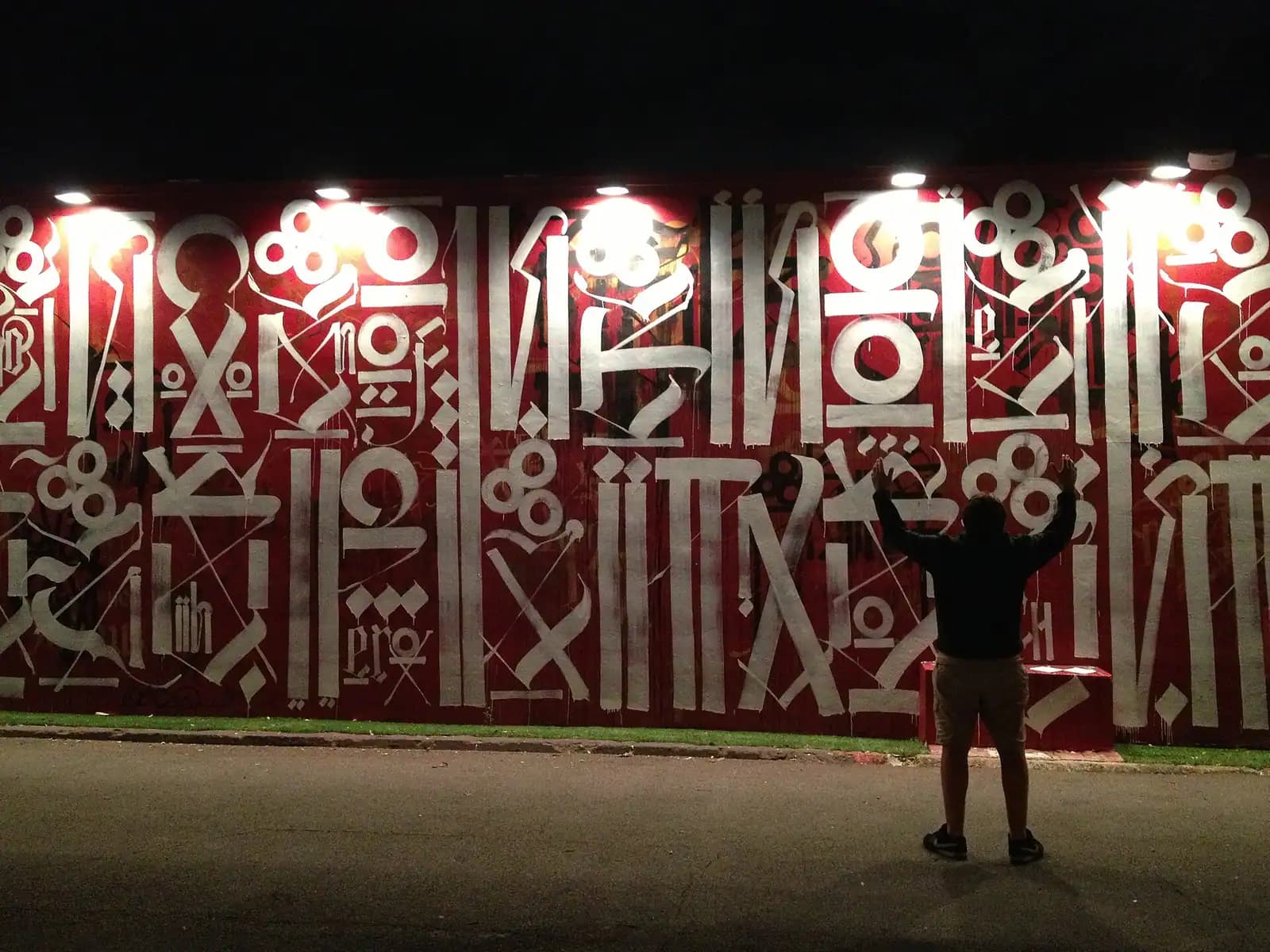
The thing worth knowing before you go is that there are two Wynwoods, and only one of them charges. The Wynwood Walls is a ticketed outdoor museum: a curated, maintained, rotating collection inside a gated courtyard, with a shop and a restaurant attached. The district around it is a free public street grid with several hundred more murals on it, some of them by the same artists, most of them commissioned by the building owners, and a fair number painted without asking anyone. NW 2nd Avenue is the spine. Walk north from about NW 22nd Street to NW 28th Street, then loop back a block east or west, and you will have seen more paint than the paid courtyard holds.
Neither experience is a substitute for the other. The Walls give you context, a concentration of famous names and shade; the streets give you scale, decay, layering and the occasional half-finished piece with a lift still parked under it. Most people who enjoy the day do both, in that order, and give the whole thing two to three hours.
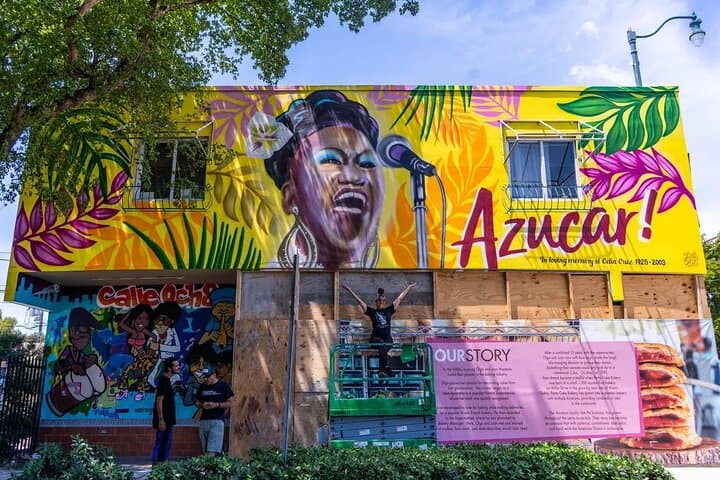
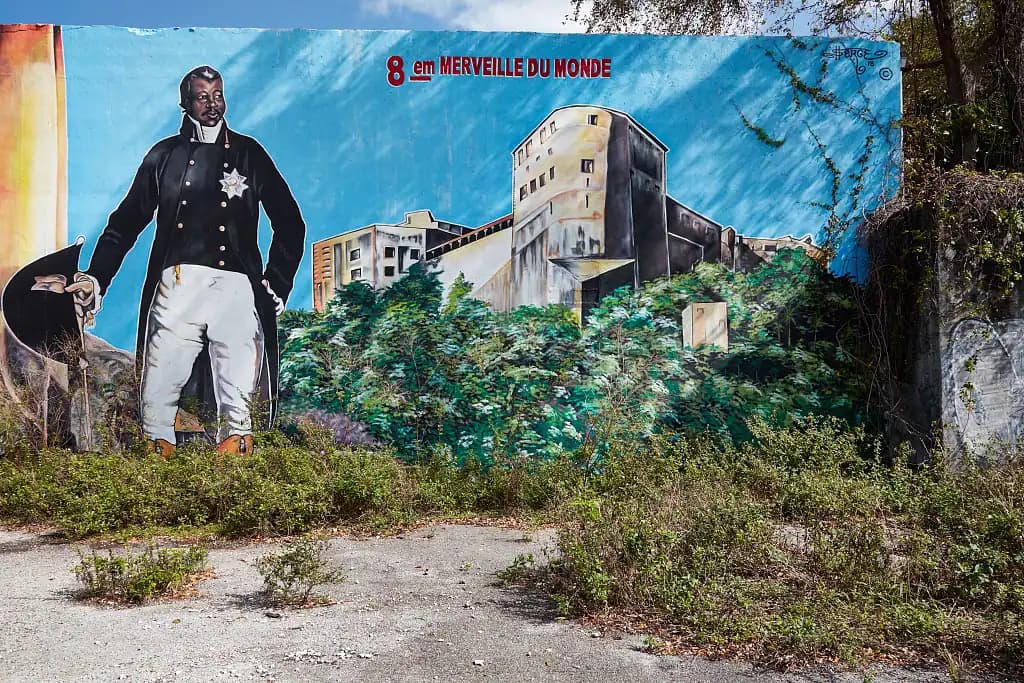
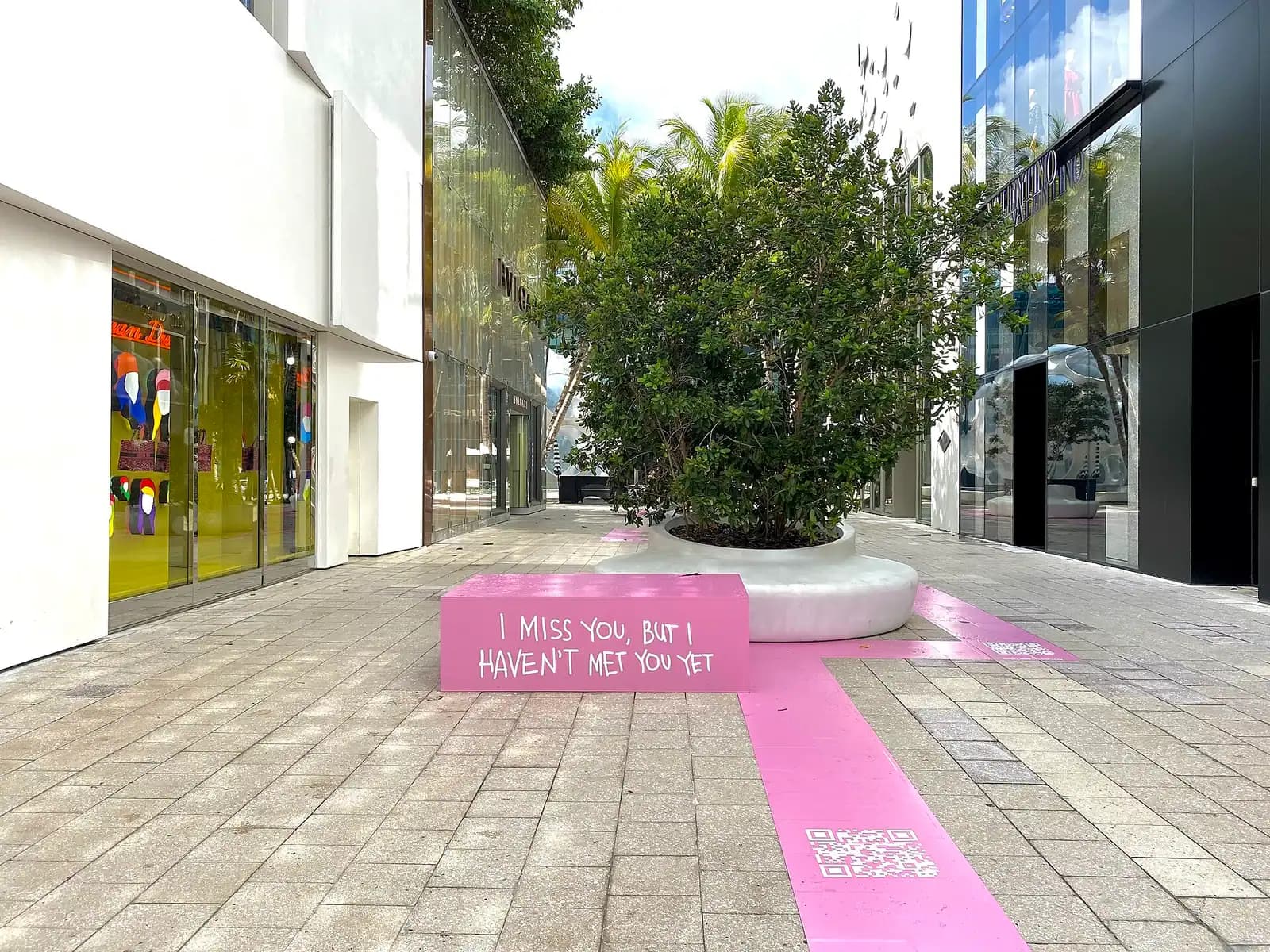
Miami's mural culture did not start in Wynwood and does not end there. Calle Ocho carries painted portraits of Cuban musicians and politicians on the sides of cafeterias. Little Haiti's shopfronts along NE 2nd Avenue have been hand-painted for decades, much of it the work of a single long-established local muralist, and the signwriting there is a genuinely different tradition from the aerosol work four miles south. Overtown has commissioned murals about a neighbourhood that the interstate cut in half. The Design District spent its public art budget on a Buckminster Fuller dome and a car park with seven commissioned facades. None of those charge admission either.
One honest note about timing: paint here is temporary by design. Walls are repainted for Art Basel week every December, buildings get sold and demolished, and a piece you saw in a photograph two years ago may be gone. Come for the district, not for one wall.