Skip to content
Search
Menu

We earn a commission if you book through this link. You pay the same price.

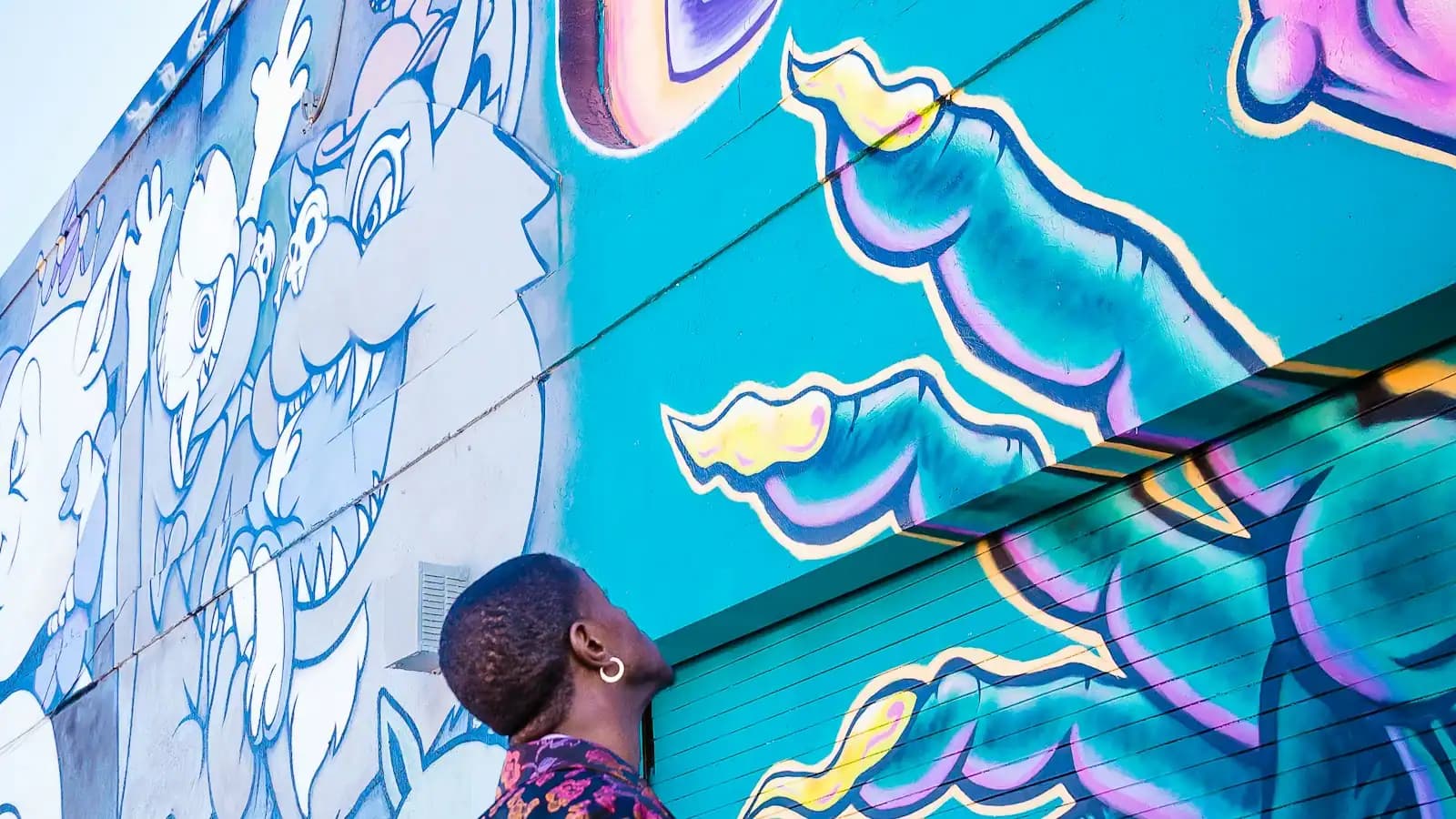
A visitor looking up at a large painted mural covering a wall in the Wynwood arts district of Miami

Attraction directory

Miami Attractions

Last updated

Miami attractions area by area, with entry costs and what needs booking. Vizcaya, Wynwood Walls, Little Havana, Key Biscayne and two national parks.

  • 32Places listed
  • 16Free to visit
  • 13Areas

Miami's attractions do not sit in a centre you can walk out of. They are spread across a mainland city, a barrier-island city on the far side of Biscayne Bay, an island reached by toll causeway, a farming belt in the south of the county and two national parks on the western and southern edges. The practical consequence is that a list ordered by how good things are will produce a terrible week, and a list ordered by where they are will produce a good one.

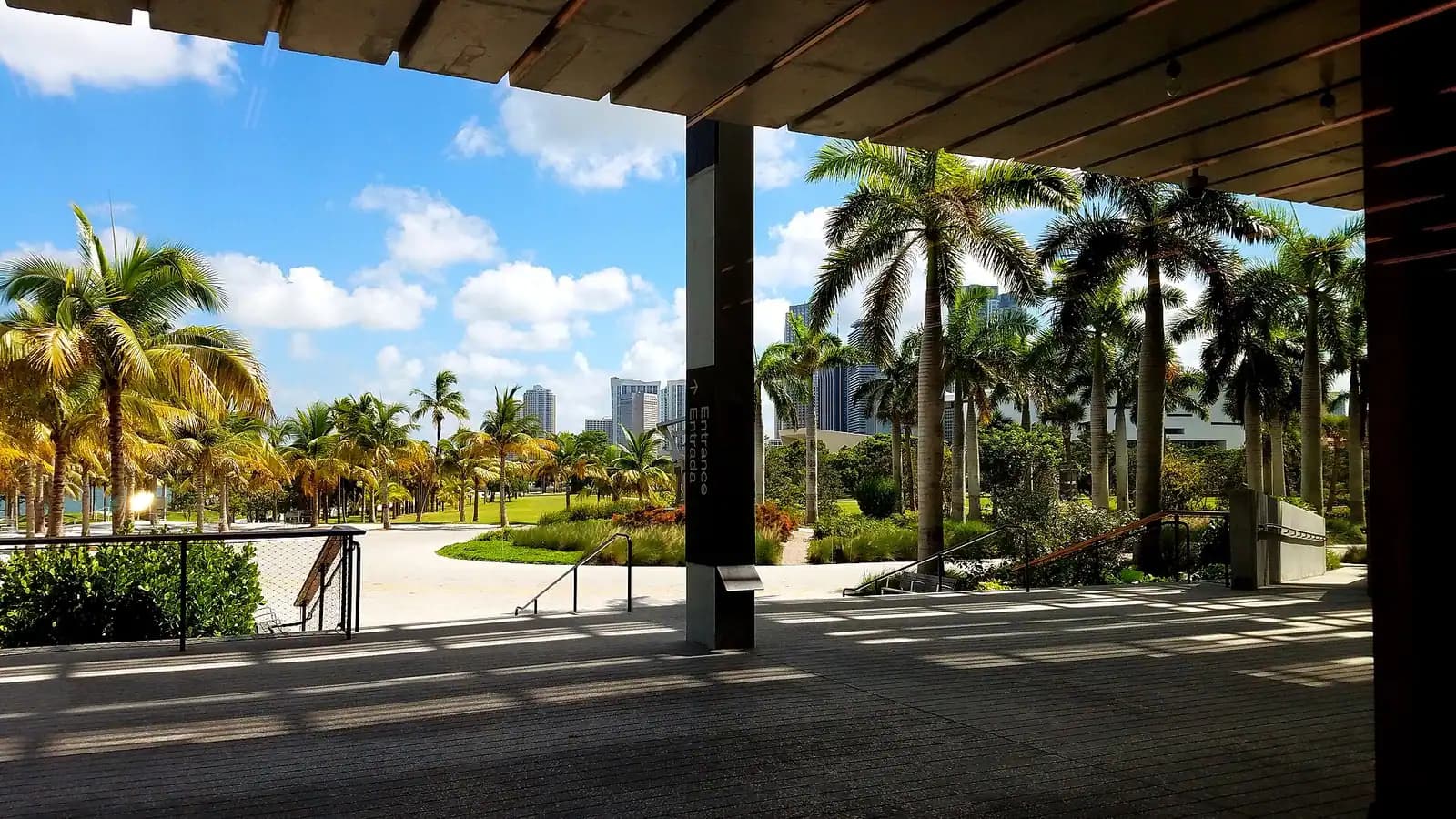
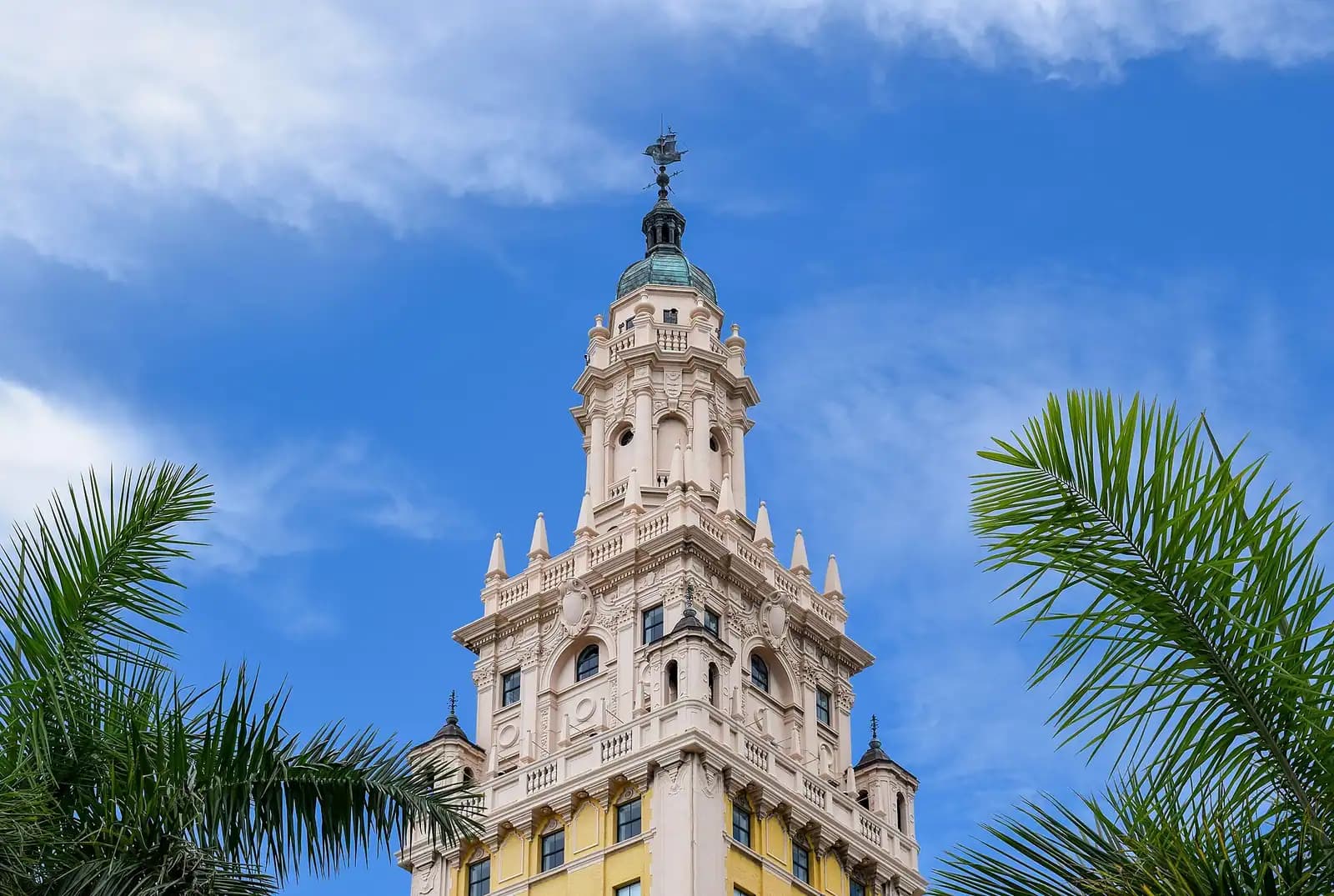
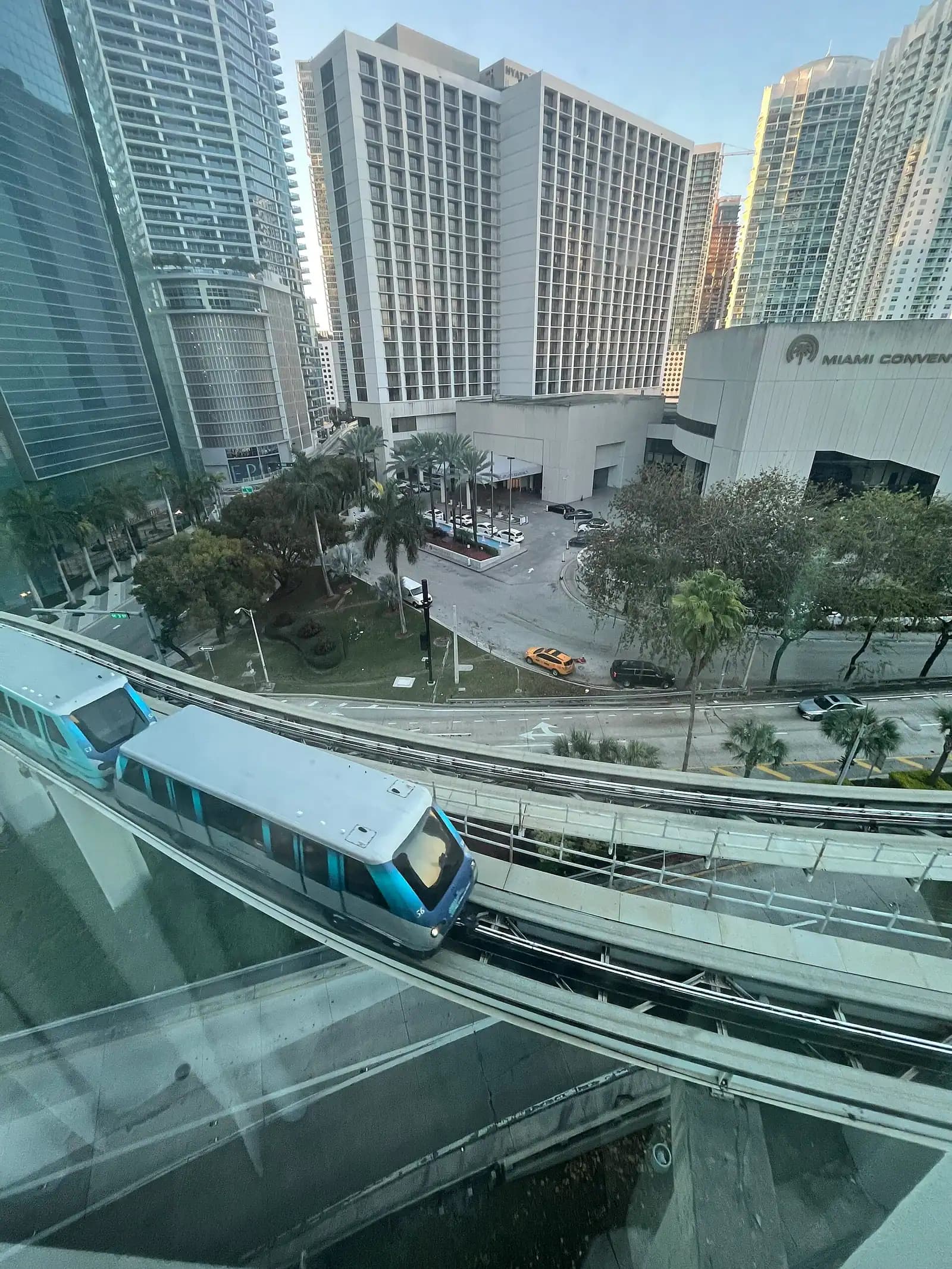
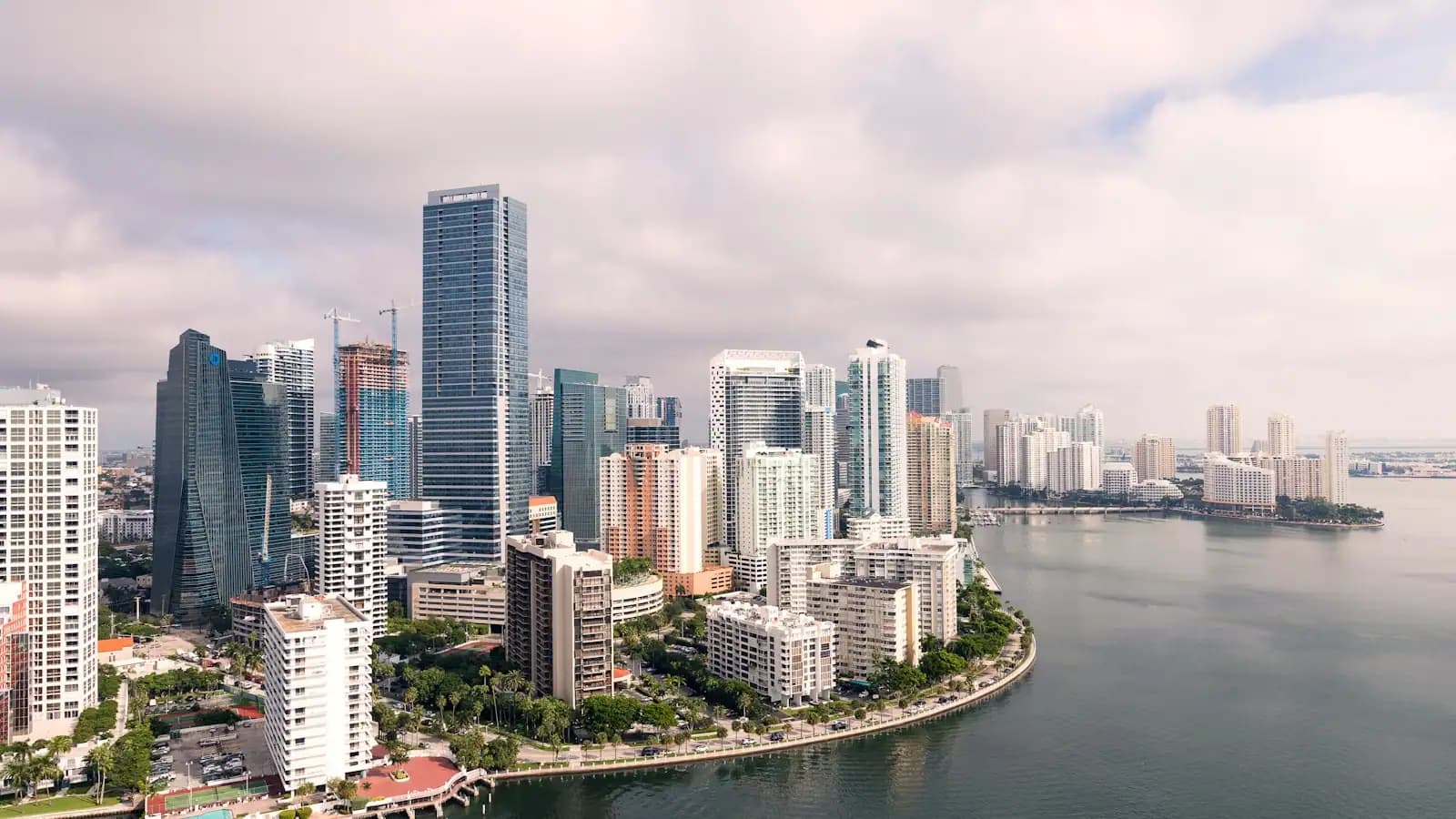
Five clusters cover almost everything. Downtown and the bayfront, where the Pérez Art Museum Miami and the Frost Science Museum share Maurice A. Ferré Park, the Freedom Tower stands as the building where Cuban refugees were processed through the 1960s and 70s, and the free Metromover loops overhead. The arts corridor running north from Wynwood through the Design District to Little Haiti, which is where the murals, the private collections and the contemporary galleries are. Calle Ocho and Little Havana, west of downtown, where the attraction is the street itself. The southern bayfront, a run of estates and gardens from Vizcaya through Coconut Grove and Coral Gables down to Matheson Hammock, Fairchild, the Deering Estate and Zoo Miami. And the water: Key Biscayne across the Rickenbacker Causeway, the beaches of Miami Beach, and the two national parks.

The second thing to understand is that several of Miami's best-known places are open-air and free, and several of the paid ones cost more than visitors expect. The street art on the blocks surrounding the Wynwood Walls costs nothing; the Walls themselves are a ticketed outdoor museum at around $12 for an adult. Domino Park in Little Havana is free to walk into and watch, though the tables are for registered players aged 55 and over. Florida holds its ocean beaches in public trust as far up as the high-water line, so no hotel on Miami Beach owns the sand outside it — though the parking is charged, and the state and county parks take a fee per vehicle. Meanwhile Vizcaya sits near $39 a head, which is a real line in a family budget and worth knowing before you arrive at the gate.

The third is that the fee structures are all different and none of them are interchangeable. Everglades National Park charges around $35 per vehicle for seven days, with a separate non-US-resident fee introduced in 2026. Bill Baggs Cape Florida State Park charges about $8 per vehicle carrying two to eight people. Crandon Park charges per car at the gate. Biscayne National Park has no entrance fee at Convoy Point, but the park is 95 percent water and the boat trips that actually reach it start around $80. Verify all of these before you go; they change, and 2026 has already brought one federal change.

One correction worth making early, because a lot of older guides still get it wrong: the Miami Seaquarium on Virginia Key closed permanently in October 2025, after Miami-Dade County terminated its lease and the animals were relocated. It is not a place you can visit, whatever an out-of-date listing says.

What follows is the city area by area, with what each place asks of you: the drive, the crossing, the fee, and the hour that makes it worth going.
The attractions map, area by area

AreaAnchor placesFrom downtownBooking or fee
Downtown bayfrontPAMM, Frost Science, Freedom Tower, Bayside Marketplace, Miami RiverwalkWalk or free MetromoverMuseum tickets; the Metromover and Riverwalk are free
Arts corridorWynwood Walls, Design District, Little Haiti10–20 minWalls ticketed; surrounding murals free
Little HavanaCalle Ocho, Domino Park10–15 minFree to walk
Southern bayfrontVizcaya, Coconut Grove, Coral Gables, Venetian Pool, Fairchild, Matheson Hammock, Deering Estate, Zoo Miami15–40 minAll ticketed; Venetian Pool has seasonal opening
Key BiscayneCrandon Park, Bill Baggs Cape Florida, Virginia Key15–25 minRickenbacker toll plus per-vehicle park fee
Miami BeachSouth Pointe Park, Art Deco Historic District, Lincoln Road, Haulover20–40 min over a causewayBeach free; parking charged
The EvergladesShark Valley, Everglades National Park45–75 minAbout $35 per vehicle for 7 days
Biscayne BayBiscayne National Park45–60 min to Convoy PointVisitor centre free; boat trips from around $80

Two distances worth internalising. Downtown to Shark Valley is roughly 40 miles west on the Tamiami Trail and takes about an hour in normal traffic, which puts the largest subtropical wilderness in the United States closer to Brickell than most suburbs of a comparable city. And downtown to the Ernest Coe entrance of Everglades National Park, near Homestead, is about an hour and a quarter south, a completely different part of the same park with a different landscape at the end of it.
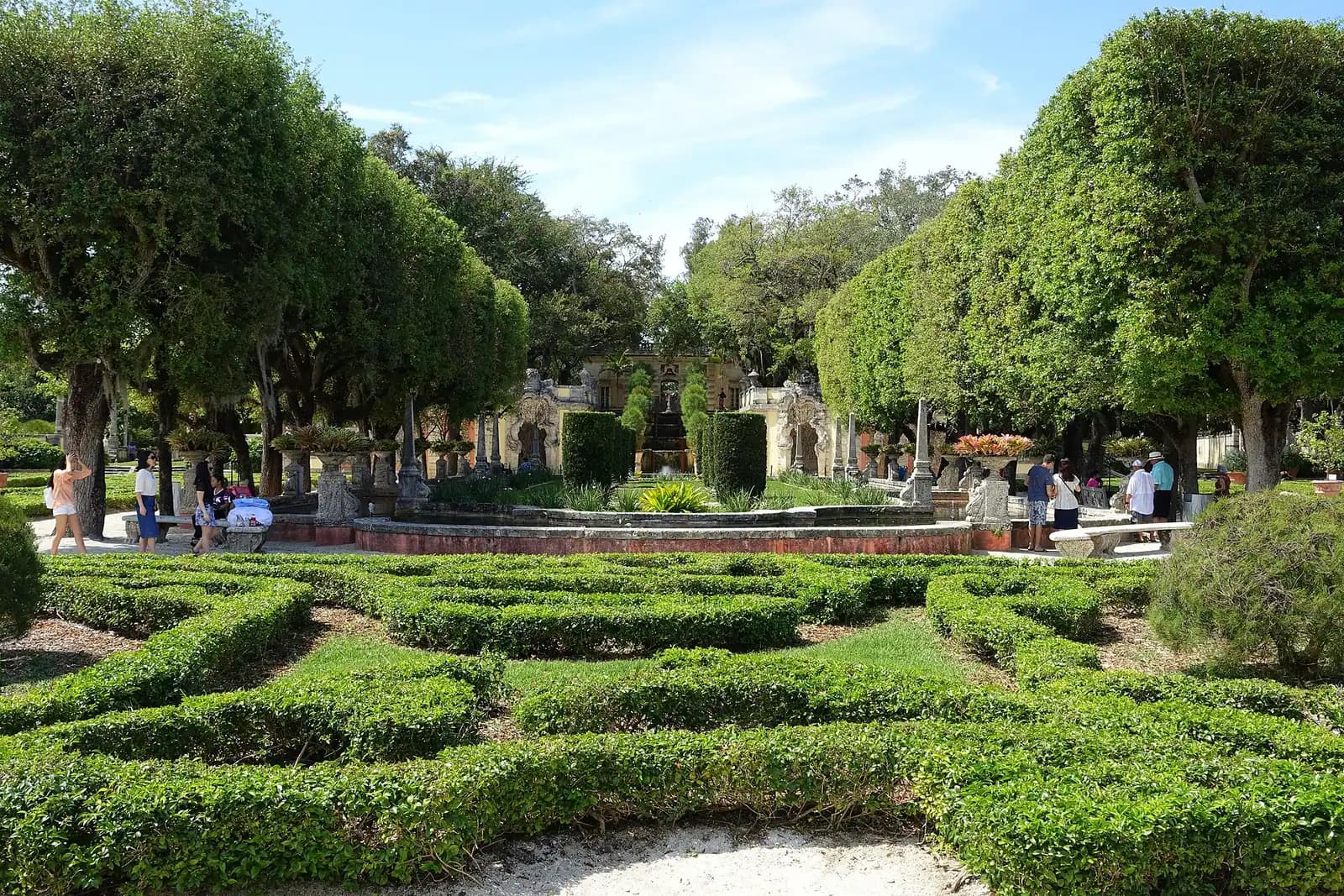
Vizcaya and the estates along the bay

The stretch of shoreline running south from the mouth of the Miami River is where the city's early wealth put itself, and three houses on it are the reason to go.

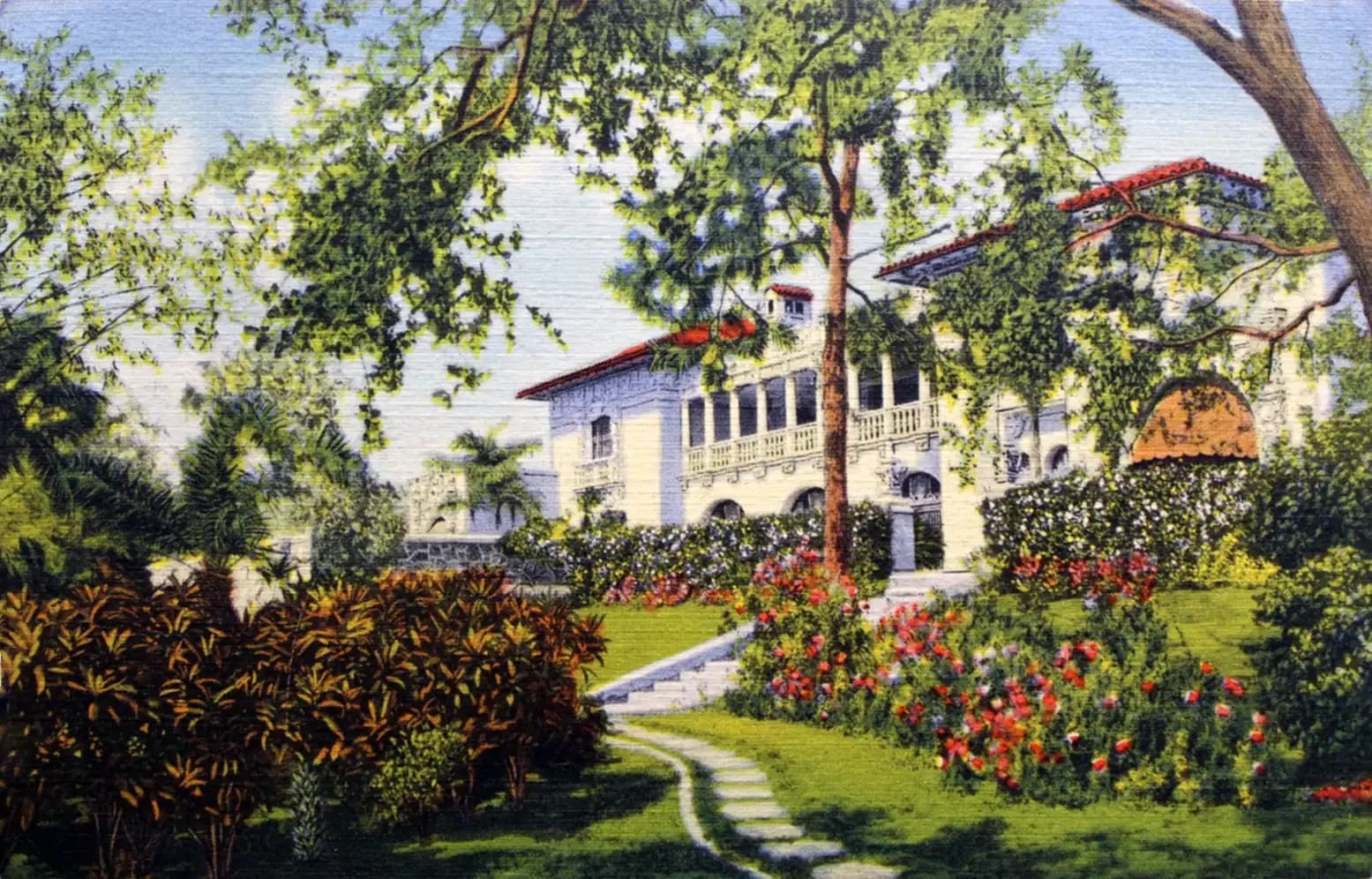
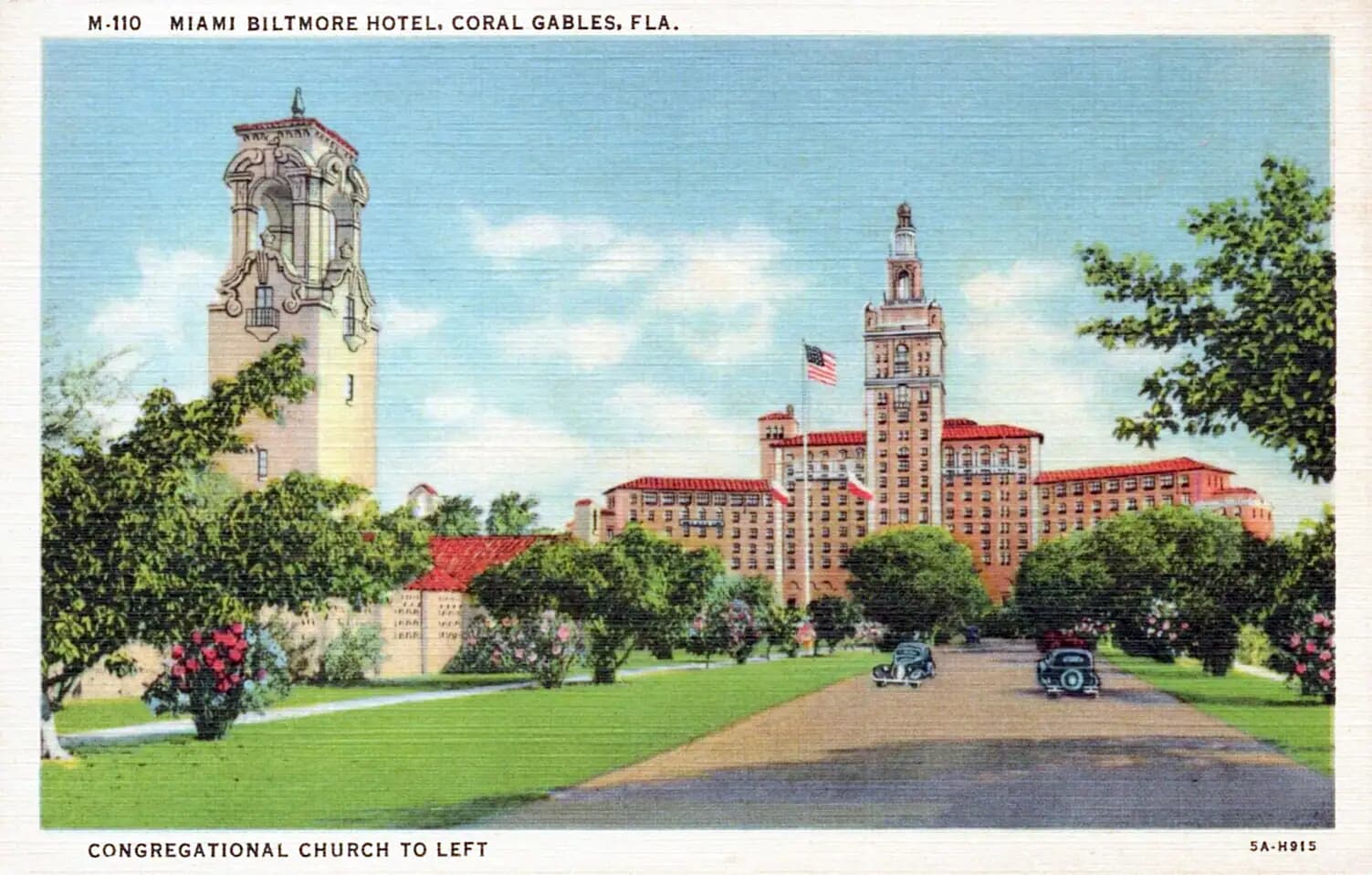
Vizcaya Museum and Gardens is the largest of them: a 1916 Italianate villa built for the industrialist James Deering, facing Biscayne Bay behind a stone barge of a breakwater carved with figures. It is a National Historic Landmark, and it is unusual among American gilded-age houses in that the interiors were assembled from European rooms and the gardens were laid out to a formal Italian plan that a subtropical climate then attacked for a century. The house takes about an hour, the gardens another, and the bay-facing terrace is where most people end up sitting. Admission is currently around $39 for an adult, which is worth budgeting for rather than discovering at the ticket window. Go early: it is east-facing, so the morning light on the barge is the photograph, and the crowds arrive after eleven.
The Deering Estate in Palmetto Bay, further south, belonged to Charles Deering, James's half-brother, and is the quieter and stranger of the pair. It combines a 1900s Stone House and a wooden inn from 1896 with 440-odd acres of pine rockland, mangrove and hardwood hammock, plus an archaeological site with a Tequesta burial mound. It runs canoe trips into the bay and guided walks into the hammock. It is also about 25 minutes south of the Grove, so it needs planning rather than a spare hour.

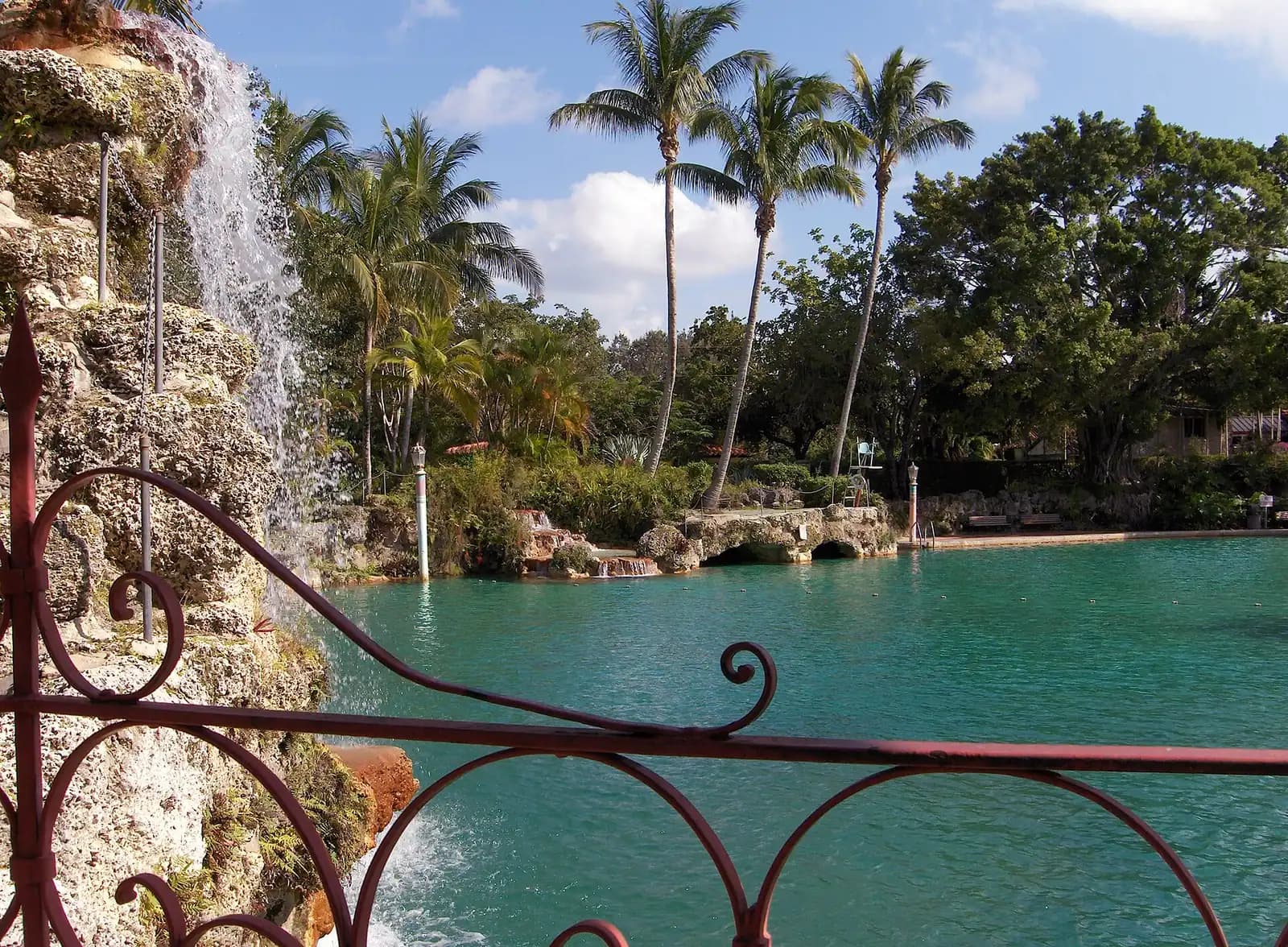
Coral Gables is the third piece, though it is a city rather than a house. George Merrick laid it out in the 1920s to a Mediterranean-revival code that is still enforced, which is why the boulevards are lined with banyans, the street signs are white limestone blocks at ground level and famously hard to read from a car, and the entrances are triumphal gateways. The Venetian Pool, carved from a coral rock quarry in 1923 and filled from an artesian well, is the single most photographed thing in it. Check before you travel: it operates on a seasonal schedule, it closes for maintenance, and it has minimum age and height rules for children.

Wynwood, the Design District and the art you can walk to

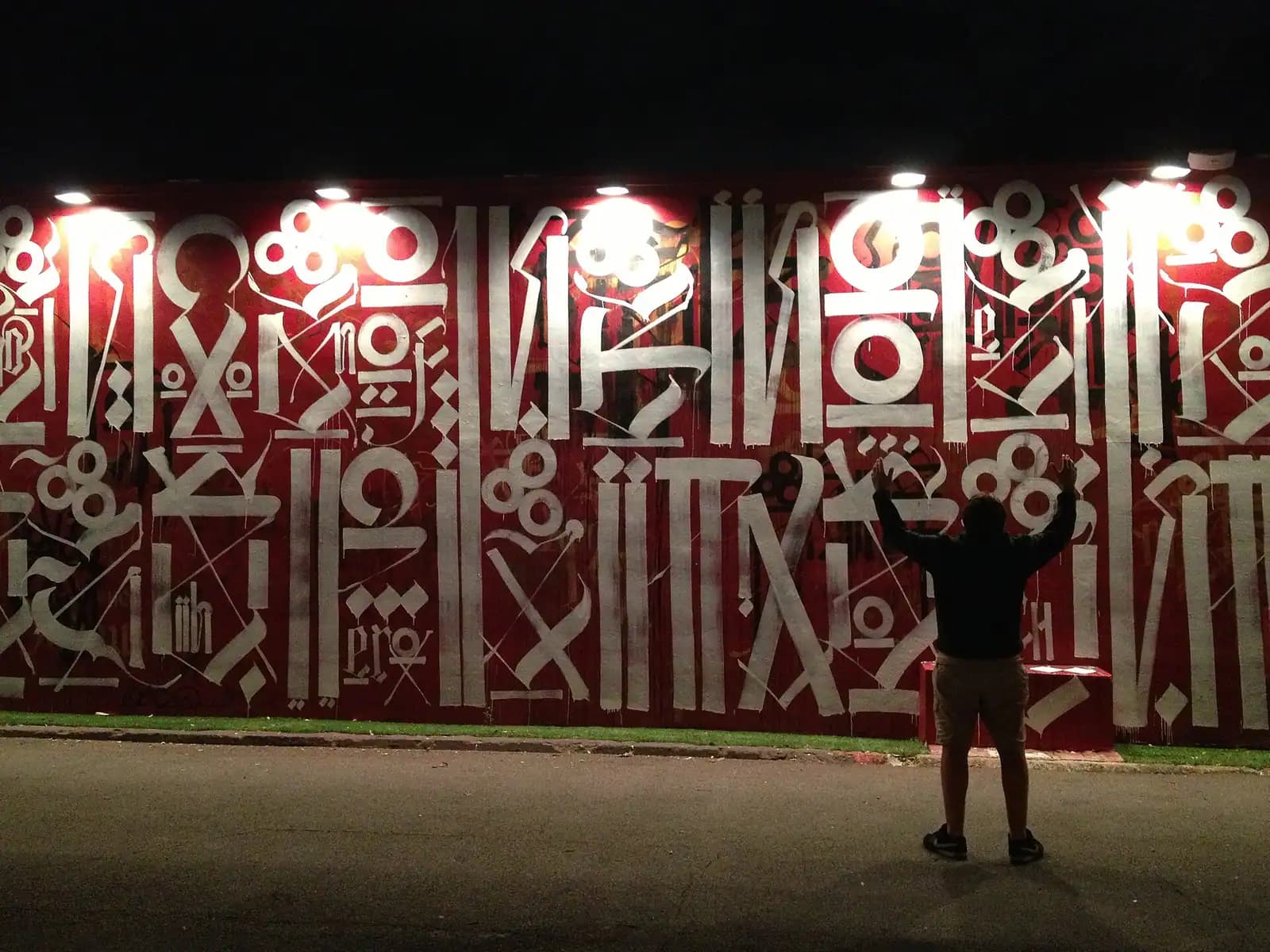
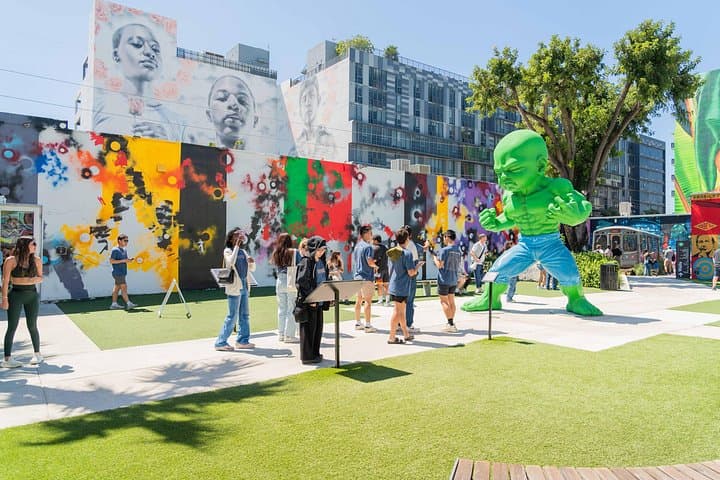
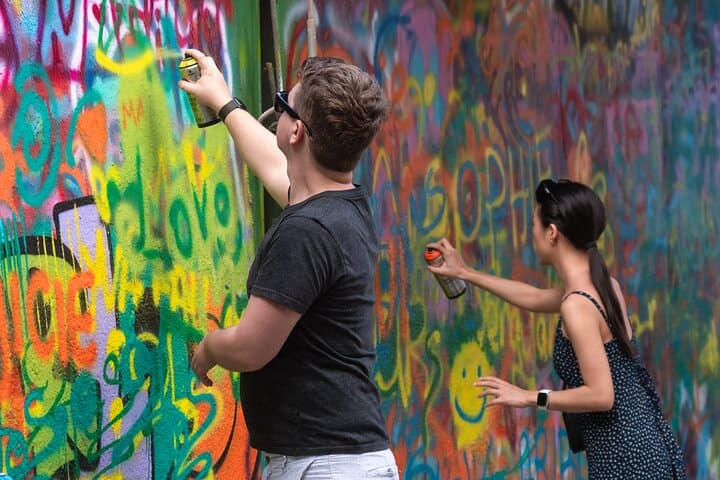
Wynwood was a garment and warehouse district with blank concrete walls and very little reason to visit. In 2009 a developer commissioned a set of large-scale murals on the warehouse walls of one block and called it the Wynwood Walls, and the effect was to turn the neighbourhood into an arts district within a few years. That history matters for a practical reason: the Wynwood Walls is a curated, gated outdoor museum with an admission charge, currently around $12 for an adult and roughly $5 for children, while the street art covering the surrounding blocks is free and extends for many streets in every direction. Both are worth your time. Only one of them needs a ticket.

Go in the morning. Wynwood is west-facing warehouse concrete with almost no shade, and by two in the afternoon in summer it is punishing. The murals also change constantly, which is part of the point: walls are repainted for the December art week and at other times through the year, so a photograph you saw online may no longer exist.
The Design District, fifteen minutes north, is the other half of the art corridor and a different proposition: luxury retail arranged around courtyards, with genuinely serious public art and architecture scattered through it. Buckminster Fuller's Fly's Eye Dome sits in Palm Court. The Institute of Contemporary Art has a sculpture garden and free admission, which makes it the best-value hour in the neighbourhood. You do not have to shop to walk through it.

North of that is Little Haiti, the centre of the largest Haitian community in the United States, with the Caribbean Marketplace building modelled on the iron market in Port-au-Prince, botánicas, record shops and Creole restaurants. It is a residential neighbourhood, not a gallery district. Treat it accordingly and eat while you are there.

The two private collections, Rubell and de la Cruz, are the serious contemporary art in the city and are open to the public on a schedule that is worth checking before you plan a day around either.

Calle Ocho: the attraction is the street

Little Havana is the place most likely to disappoint a visitor who arrives expecting a site, and most likely to become the highlight of a trip for a visitor who arrives expecting a neighbourhood.

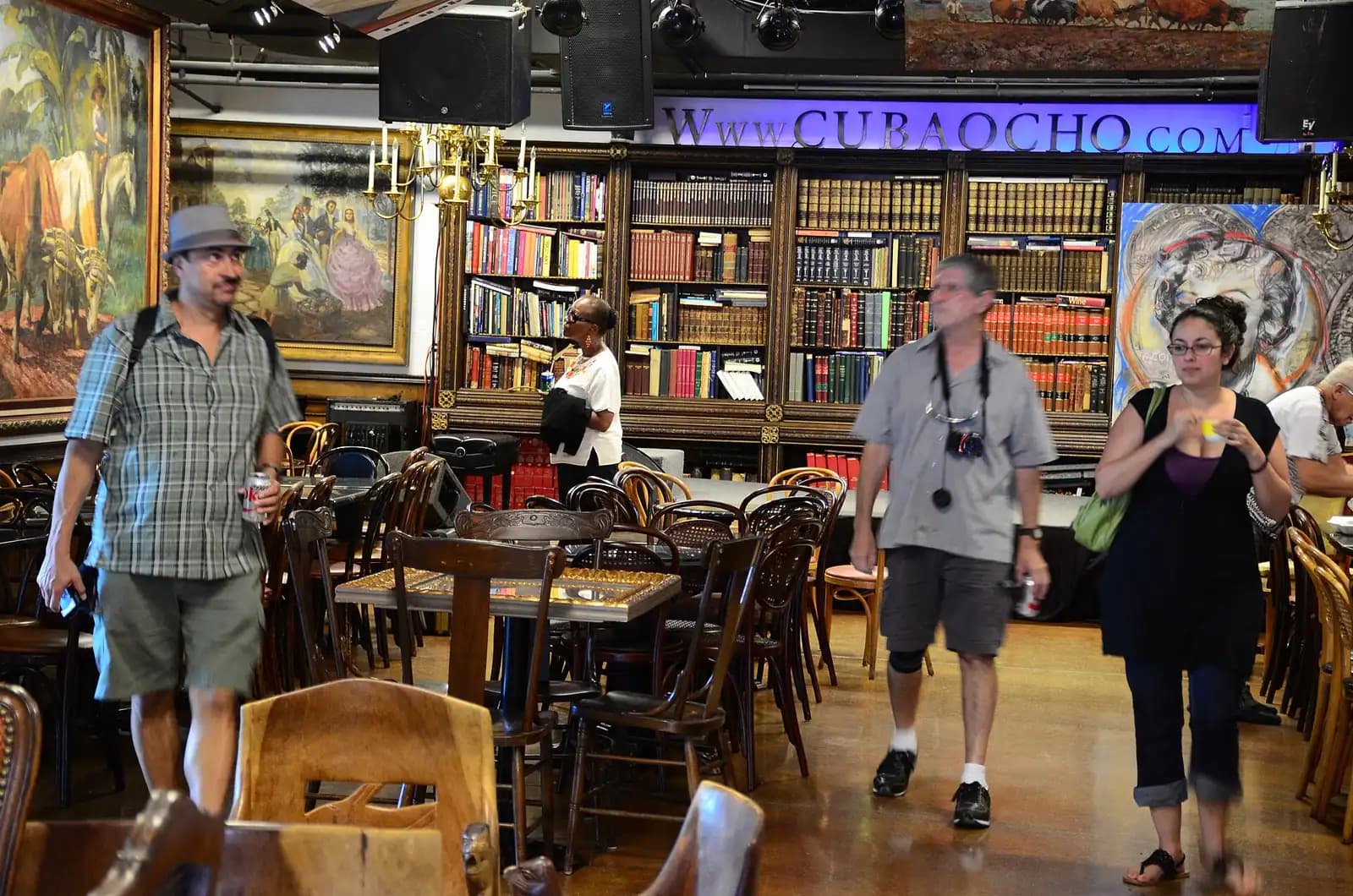
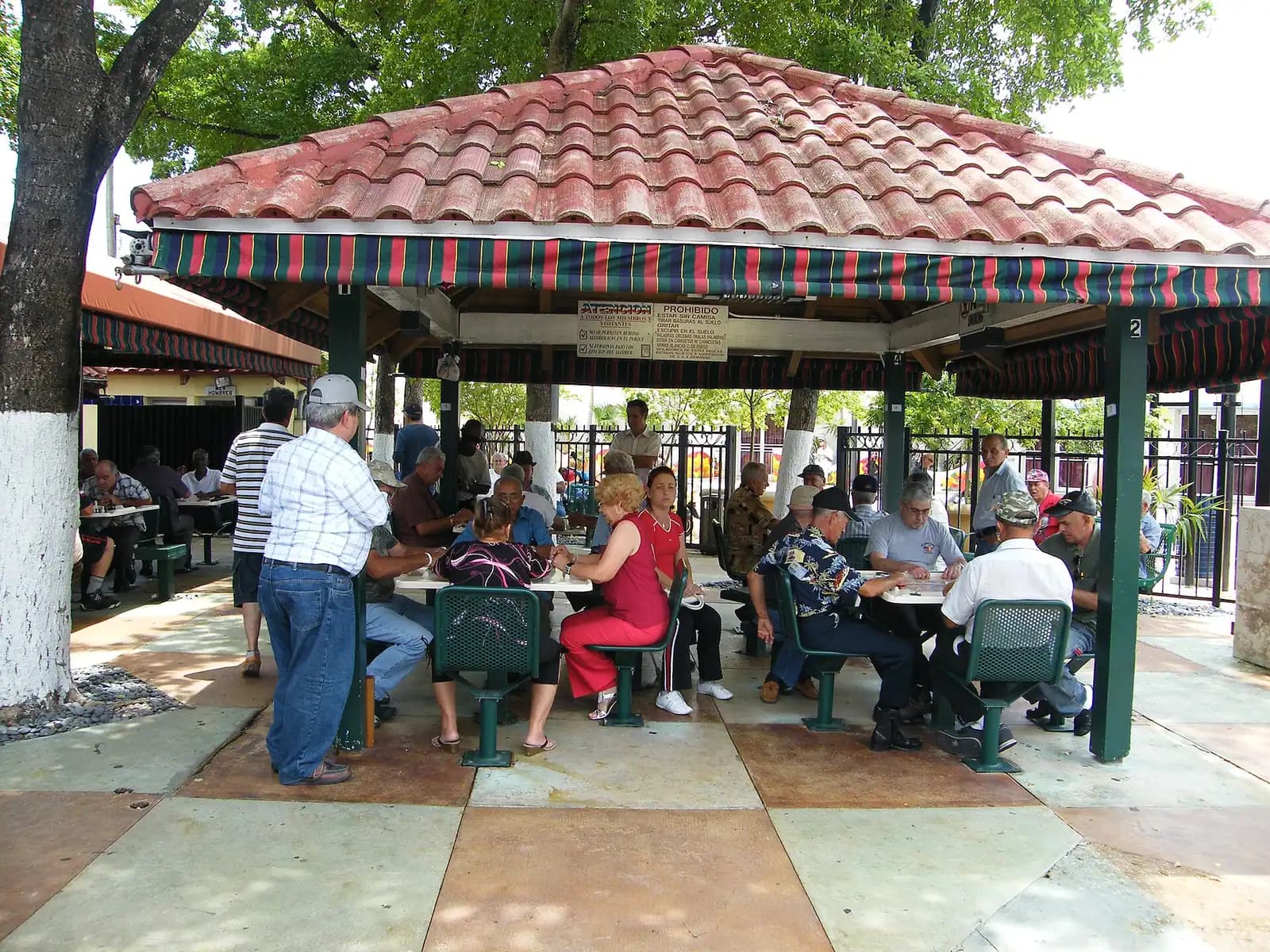
The core is roughly eight blocks of SW 8th Street, called Calle Ocho, between about SW 12th and SW 17th Avenues. What is on it: ventanitas, the walk-up windows where you order a cortadito or a colada and drink it on the pavement, which is a daily ritual for people who live and work here rather than a demonstration. Cigar shops where rollers work at a bench in the window. Máximo Gómez Park, universally called Domino Park, where regulars play dominoes and chess under open shelters; the tables are for registered players aged 55 and over, so watch from the rail rather than sitting down. The Tower Theater, a 1926 cinema that showed subtitled American films to new arrivals in the 1960s. The Bay of Pigs memorial on 13th Avenue. A run of galleries, art shops and music venues, several of which have live son, salsa and timba most nights.

The single best time to come is the last Friday of the month, when Viernes Culturales closes part of Calle Ocho for a free street festival with local artists, live music and a walking tour. It has run for more than two decades and it is a neighbourhood event that visitors are welcome at, which is a different thing from an event staged for visitors.

Two courtesies. This is a residential, working neighbourhood with a deeply specific political history, much of it painful, and the people playing dominoes are not part of an exhibit. Ask before photographing faces. And spend money in the businesses: a coffee, a pastelito, a cigar, a record. That is the difference between a visit and a drive-through.

Key Biscayne, the beach parks and the island rules

Key Biscayne is an island four miles off downtown across the Rickenbacker Causeway, and it is where locals go when they want beach without South Beach. The causeway toll is around $3.25 each way and the drive from Brickell takes 15 to 20 minutes, which is less than crossing to Miami Beach at most hours.

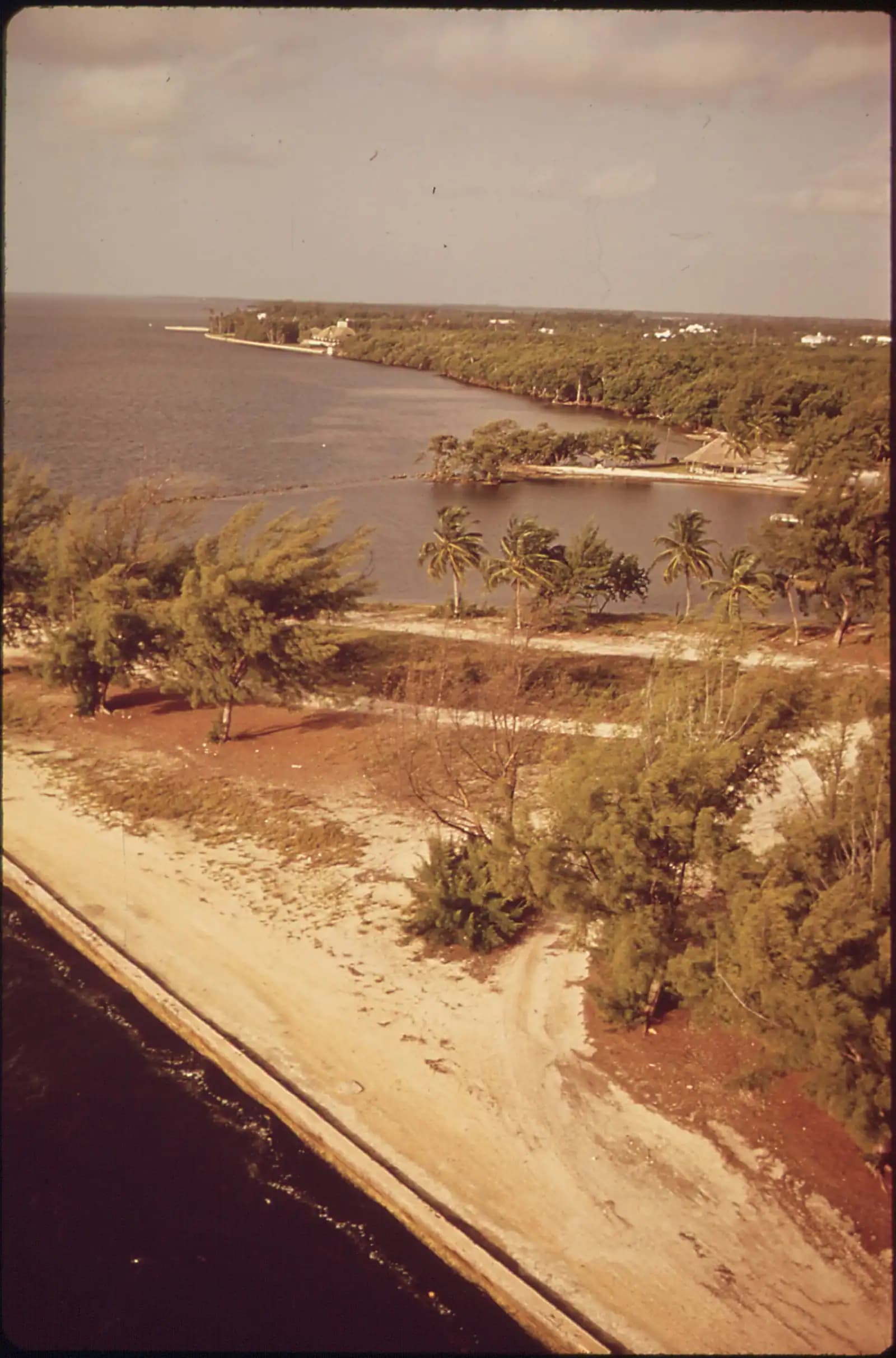
Crandon Park occupies the northern half: two miles of Atlantic beach, a shallow protected shelf that stays waist-deep a long way out, a restored 1940s carousel, and picnic shelters under Australian pines. The water here is genuinely calm, which makes it the most family-forgiving beach in the county. Parking is charged per car at the gate.

Bill Baggs Cape Florida State Park takes the southern tip. The 1825 Cape Florida Lighthouse stands at the end of it, the oldest standing structure in Miami-Dade County, and it is climbable on a limited schedule with a ranger. The beach curves west into the bay, so it is sheltered, and the park's entry fee is about $8 per vehicle for two to eight people, $4 for a single occupant or motorcycle and around $2 per person on foot or by bike. Confirm current rates before travelling.

Virginia Key Beach Park, on the way out to Key Biscayne, matters for a reason that has nothing to do with the sand. It opened in 1945 as the beach designated for Black residents under segregation, after a wade-in protest at a whites-only beach, and it is preserved as a historic park with that story told on site.

On the Miami Beach side, Haulover Beach Park north of Bal Harbour contains a signposted, legal clothing-optional section that operates within the same county park as a conventional family beach. It is stated plainly here because visitors regularly walk into it without realising. South Pointe Park, at the southern tip of Miami Beach, is free, has a pier over the Government Cut shipping channel and is the best place in the city to watch a container ship or a cruise ship pass within a few hundred feet.

The two national parks, and what each one asks of you

Everglades National Park is the largest subtropical wilderness in the United States and it has three entrances that are not near each other.

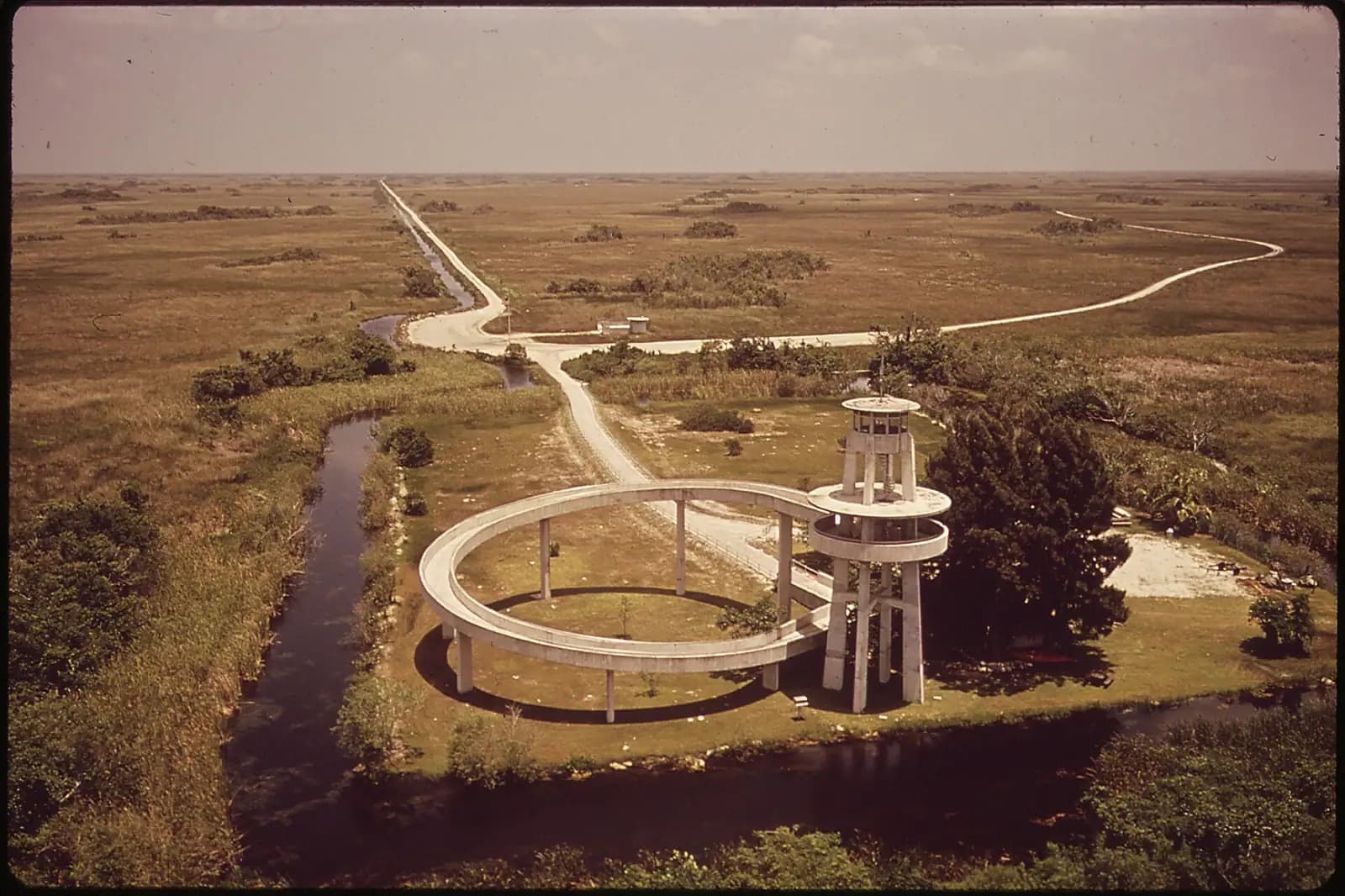
Shark Valley, on the Tamiami Trail about an hour west of Brickell, is the closest and the most efficient. A 15-mile paved loop runs into the sawgrass to an observation tower; you can walk it, hire a bike, or take the two-hour tram with a ranger narrating. Alligators lie on the verge of the path within feet of you, and in the dry season the wildlife concentrates around the remaining water in numbers that are hard to believe.

Ernest F. Coe, near Homestead about 75 minutes south, is the main entrance and the gateway to the Anhinga Trail, a short boardwalk over a slough that is the single best wildlife walk in South Florida, and to the 38-mile road down to Flamingo on Florida Bay.

Gulf Coast, at Everglades City, is two hours west and is really a different trip.

Entrance is around $35 per vehicle for seven days across all entrances, with a non-US-resident fee added in 2026. Airboats do not operate inside the national park. The commercial airboat rides sold across Miami run on private land and in the Miccosukee and Big Cypress areas along the Tamiami Trail, north of the boundary. Both are legitimate outings. They are not the same outing.

Biscayne National Park is about 95 percent water. The Dante Fascell Visitor Center at Convoy Point, near Homestead, is free and has a jetty walk, and it is a pleasant hour, but the park proper is offshore: the northernmost Florida Keys, a stretch of the only living coral barrier reef in the continental United States, and the mangrove coast in between. Reaching it means a boat. The park's non-profit partner runs trips from Convoy Point and from Coconut Grove, including a heritage cruise to Boca Chita Key with its 1930s ornamental lighthouse, typically around $80 per person for three and a half hours, with introductory snorkelling in the summer months. Book ahead; trips are weather-dependent and cancel.

What costs money, and what does not

Bands, not quotes. Verify before you commit, and expect winter pricing to be firmer than summer.

Free, all year

  • The Metromover through downtown and Brickell, all day, no ticket.
  • Every ocean beach, to the high-water mark. You pay for parking, not sand.
  • Street art on the blocks around the Wynwood Walls.
  • Domino Park, Bayfront Park, South Pointe Park, the Miami Riverwalk, Lincoln Road.
  • The Institute of Contemporary Art in the Design District.
  • The Art Deco Historic District on a self-guided walk. The Miami Design Preservation League's guided walk is paid and worth it.
  • Viernes Culturales on Calle Ocho, last Friday of the month.
  • Biscayne National Park's visitor centre at Convoy Point.

Ticketed, roughly

  • Wynwood Walls: around $12 adult, about $5 for children 6 to 17.
  • PAMM: around $16 adult, free on the second Saturday of the month.
  • Frost Science: around $30 adult including a planetarium show.
  • Vizcaya: around $39 adult.
  • Fairchild Tropical Botanic Garden: around $25 adult.
  • Bill Baggs Cape Florida State Park: about $8 per vehicle with two to eight people.
  • Everglades National Park: around $35 per vehicle for seven days.
  • Biscayne National Park boat trips: from around $80 per person.

Zoo Miami, the Deering Estate, the Venetian Pool and the private art collections all charge separately and change their pricing and schedules more often than the list above. Check each one's own site the week you go.

Heat, hours and accessibility

Plan around the heat, not around the map. From May to October the difference between a good day and a miserable one is whether the outdoor half happens before noon. Wynwood, Calle Ocho, Vizcaya's gardens, Shark Valley and any beach without shade are morning activities in summer. Museums, the Design District and anything air-conditioned are the afternoon.

Afternoon storms are short. A summer thunderstorm typically lasts thirty to sixty minutes and then clears. Do not write off a day because the radar looks bad at three o'clock.

Mosquitoes. In the Everglades in the wet season they are not a nuisance, they are a condition. Long sleeves and repellent, or go in the dry season.

Accessibility. The Metromover is step-free and free. PAMM and Frost Science are fully accessible and share a garage. Vizcaya's main floor is accessible but the gardens involve gravel, steps and uneven stone. Shark Valley's loop road is paved and flat, and the tram can carry wheelchairs with advance notice. Several Miami-Dade beach parks, including Crandon and Haulover, run beach wheelchair programmes; numbers are limited, so call ahead rather than turning up.

Two things to verify rather than assume. The Venetian Pool operates seasonally and closes for maintenance. The Cape Florida Lighthouse is climbable only on limited ranger-led tours. Both disappoint people who drive out without checking.

And one that is settled. The Miami Seaquarium on Virginia Key closed permanently in October 2025. Older guides and listings still recommend it.

Every attraction in Miami

All 32 places we cover, grouped by area. Filter, sort, or read straight down.

Narrow it down

32 places

Type
Best for
Setting
Time needed
Admission

Miami20

  • The east facade of an Italianate villa facing across formal terraces to open water

    Historic site

    Vizcaya Museum & Gardens

    A 1916 Italian villa built on the edge of a mangrove shore, with formal gardens running down to a carved stone barge in Biscayne Bay.

    2–3.5 hoursTicketed, with adult admission recently around $25 and reduced rates for children roughly 6–12; under-6s free. Timed entry is standard.

  • A Cuban coffee window on a Miami street with customers standing at the counter drinking from small cups
    Free

    Neighbourhood

    Little Havana

    The neighbourhood Cuban exiles built west of downtown Miami, now shared with Nicaraguan and Honduran Miami and still entirely lived-in.

    2–5 hoursFree to walk. Individual venues, tours and shows charge their own admission.

  • A narrow paved road running straight through flat open wetland grass towards a distant horizon

    Trail

    Shark Valley

    A flat 15-mile loop road into open sawgrass with an observation tower at the far end and alligators lying on the verge.

    2.5–5 hoursEverglades National Park entrance pass required — typically in the region of $30–35 per vehicle, valid seven days at all three park entrances. The tram tour is a separate concessionaire ticket.

  • A large colourful mural covering the whole flank of a single-storey warehouse in Miami's Wynwood district

    Landmark

    Wynwood Walls

    A ticketed courtyard of commissioned murals in a warehouse district where almost all the art outside the gate costs nothing.

    1–2.5 hoursTicketed. General admission has been listed anywhere from around $12 to the mid-$30s for adults depending on ticket type and seller, with reduced rates for children, students and seniors. The murals on the surrounding streets are free.

  • The deep slatted canopy of Pérez Art Museum Miami shading an open veranda above the bayfront lawn

    Museum

    Pérez Art Museum Miami

    A bayfront museum on stilts with hanging gardens on its veranda, collecting the art of the Atlantic world rather than the usual canon.

    1.5–3 hoursTicketed, with adult admission recently around $16 and roughly $12 for students, seniors and ages 7–18; under-6s free. Free on the second Saturday of each month and regularly free on Thursday evenings.

  • A narrow street shaded by a heavy canopy of live oak and banyan trees in a residential Miami neighbourhood
    Free

    Neighbourhood

    Coconut Grove

    Miami's oldest continuously inhabited neighbourhood, settled by Bahamians and Yankee pioneers two decades before the city existed.

    2–5 hoursFree to walk. The Barnacle Historic State Park charges a small state-park admission, and the Kampong operates by appointment with its own fee.

  • An ornate 1920s tower with a decorated crown standing among much taller modern glass buildings

    Historic site

    Freedom Tower

    A 1925 newspaper tower that became the federal processing centre for Cuban refugees, reopened in 2025 after a two-year restoration.

    1–2 hoursOperated by Miami Dade College's Museum of Art and Design. Admission arrangements have varied over the building's life and have been revised since the 2025 reopening — check before you go.

  • A small elevated train running on a raised concrete guideway between city office towers
    Free

    Landmark

    Metromover

    Free, driverless and elevated: 21 stations and the cheapest skyline tour in Miami, provided you know which loop you are on.

    0.5–1.5 hoursFree. No ticket, no tap, no fare gates — the entire system is free to ride at all times.

  • A busy commercial street in Little Havana with Spanish-language shop signs and traffic running one way
    Free

    Dining district

    Calle Ocho

    SW 8th Street: eight walkable blocks of Cuban and Central American Miami, on a road that runs west until it becomes the Tamiami Trail.

    1.5–4 hoursFree. The street, the pavement stars and Viernes Culturales all cost nothing.

  • Large ocean fish and a shark circling in a deep aquarium tank seen from below

    Museum

    Phillip and Patricia Frost Museum of Science

    A bayfront science museum built around a conical aquarium you look down into from the roof and up through from three floors below.

    2.5–4 hoursTicketed, recently around $30 for adults with lower youth rates for roughly ages 4–11 and under-3s free. One planetarium show is normally included, subject to availability.

  • A quiet empty beach with calm shallow water and a line of pines along the back of the sand

    Beach

    Historic Virginia Key Beach Park

    The beach Miami's Black residents won by protest in 1945, reachable only by boat until the causeway arrived two years later.

    2–5 hoursFree to enter on foot or by bicycle. A modest per-vehicle parking charge applies at the gate. The carousel and miniature train are separately ticketed at a small charge.

  • A brightly painted market building with steep roofs and fretwork detailing on a Miami street
    Free

    Neighbourhood

    Little Haiti

    The centre of Haitian life in the Americas outside Haiti, on some of the highest ground in Miami and under corresponding pressure.

    1.5–4 hoursFree. The neighbourhood, the Caribbean Marketplace exterior and the cultural complex galleries cost nothing, and Big Night in Little Haiti is a free concert.

  • Domino tiles laid out on a tiled table during a game in an outdoor park
    Free

    Park

    Máximo Gómez Park

    A quarter-acre of Calle Ocho where the dominoes are competitive, the players are permitted residents over 55, and visitors watch.

    10–40 minutesFree to enter and free to watch. Playing requires a City of Miami permit and an age of 55 or over.

  • A giraffe standing in an open grassy enclosure with no visible fencing in the foreground

    Wildlife

    Zoo Miami

    Florida's largest zoo: 750 acres of moated, cage-free habitat where the animals are tropical and the walking is the hard part.

    4–6 hoursExpect roughly $25 for an adult and a few dollars less for a child, with very young children free. Parking, tram, safari cycle hire and animal encounters are extra.

  • A geodesic dome structure standing open in a modern paved plaza surrounded by contemporary buildings
    Free

    Shopping

    Miami Design District

    A luxury shopping quarter laid out as walkable streets, with a Buckminster Fuller dome and a free art museum in the middle of it.

    1.5–3.5 hoursFree to walk. The Fly's Eye Dome, the public art trail and ICA Miami all cost nothing; ICA's free admission is permanent policy rather than a free day.

  • Glass residential and office towers rising above a tree-lined street in Miami's Brickell district
    Free

    Neighbourhood

    Brickell

    Miami's most walkable neighbourhood: towers, a free elevated train, and a two-thousand-year-old Tequesta site at the river mouth.

    1.5–5 hoursFree. Walking the district, riding the Metromover and visiting the Miami Circle all cost nothing.

  • A dense cluster of downtown towers seen across water at the end of the day
    Free

    Neighbourhood

    Downtown Miami

    The original Miami: a railway terminus that became a city in 1896, now a downtown of towers, museums and a free elevated railway.

    3–8 hoursFree to walk, and the Metromover that connects it costs nothing. Museums, the Freedom Tower galleries, bay cruises and events are ticketed separately.

  • A narrow urban river running between city towers with a drawbridge crossing it
    Free

    Trail

    Miami Riverwalk

    The short, busy, unglamorous river Miami was built on — freighters, drawbridges and a 2,000-year-old circle cut into the bedrock.

    1–2.5 hoursFree. The Riverwalk and the Miami Circle site are both public and open to the street.

  • Boats moored at a downtown marina with a city skyline of towers rising behind
    Free

    Shopping

    Bayside Marketplace

    Downtown Miami's bayfront mall, best understood as the dock most Biscayne Bay cruises leave from rather than as somewhere to shop.

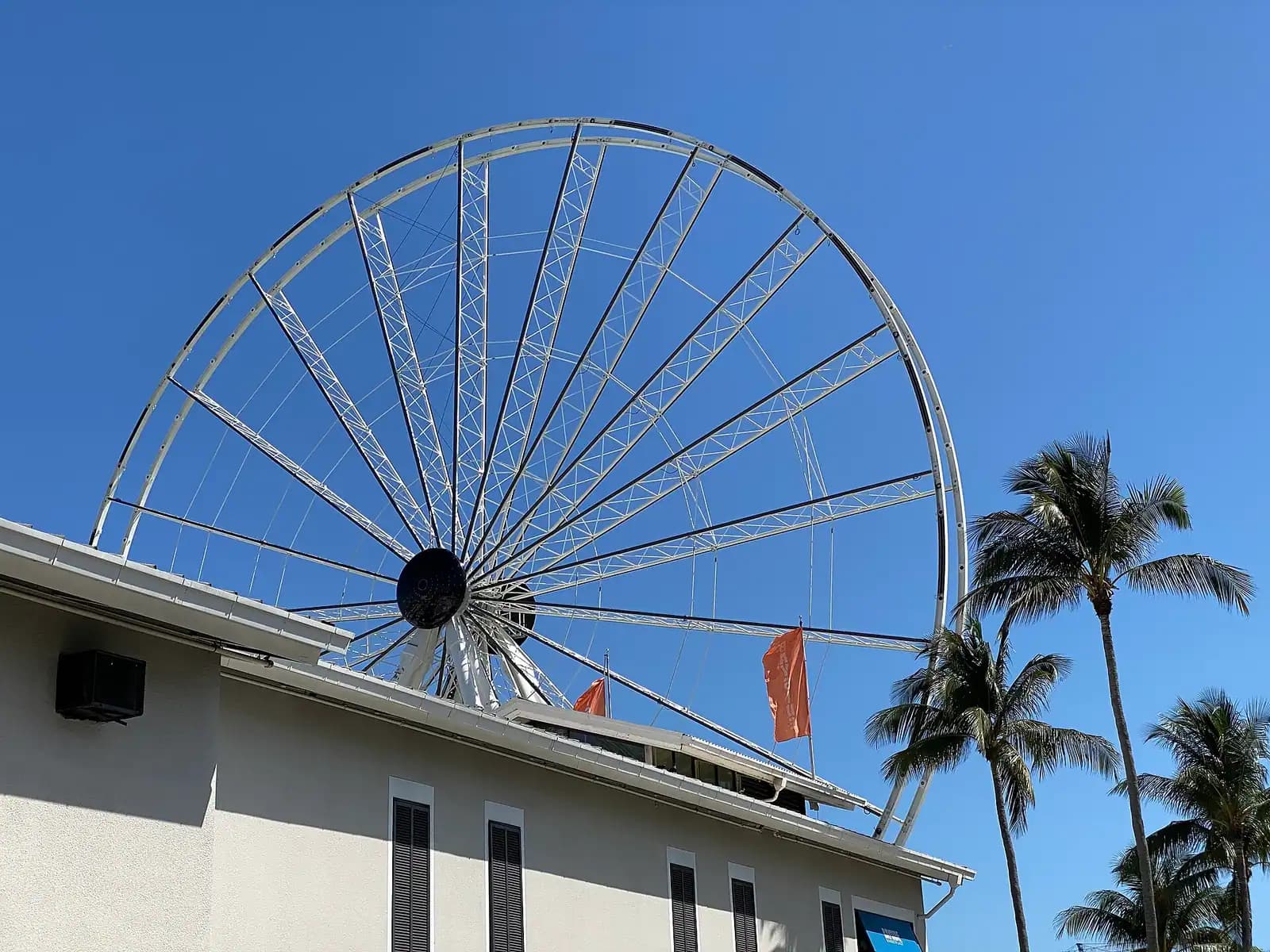
    1–3 hoursFree to enter and to walk the waterfront. Boat trips, the Skyviews observation wheel and Bayfront Park concerts are each ticketed separately.

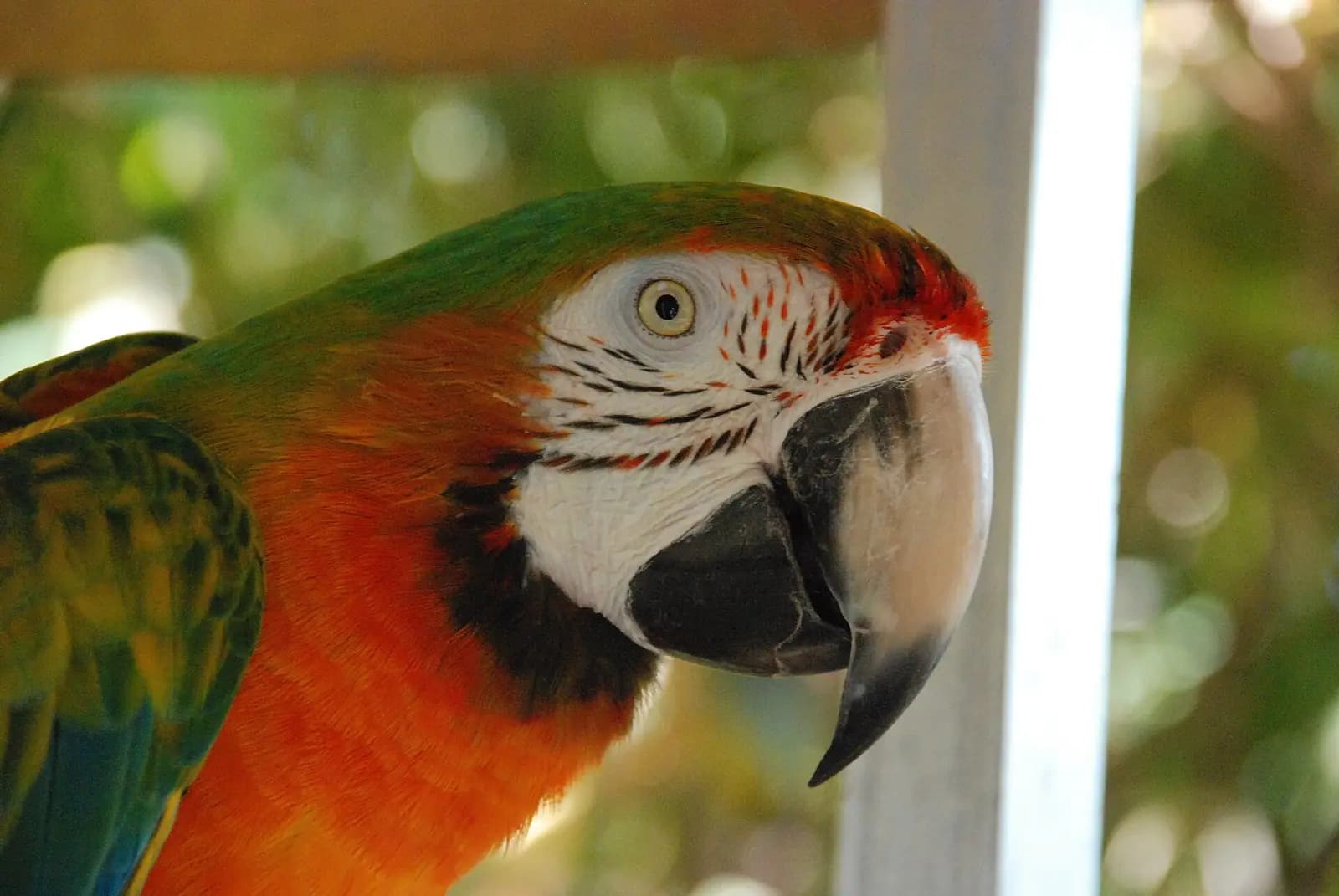
  • A pair of scarlet macaws perched on a branch against dense green tropical foliage

    Entertainment

    Jungle Island

    The old Parrot Jungle, relocated to a man-made island in the middle of the MacArthur Causeway and still reinventing itself.

    2.5–4 hoursPaid general admission, with animal encounters, the aerial adventure course and parking all charged separately on top.

Coral Gables4

  • A wide lawn framed by a variety of tall palm species under a bright subtropical sky

    Park

    Fairchild Tropical Botanic Garden

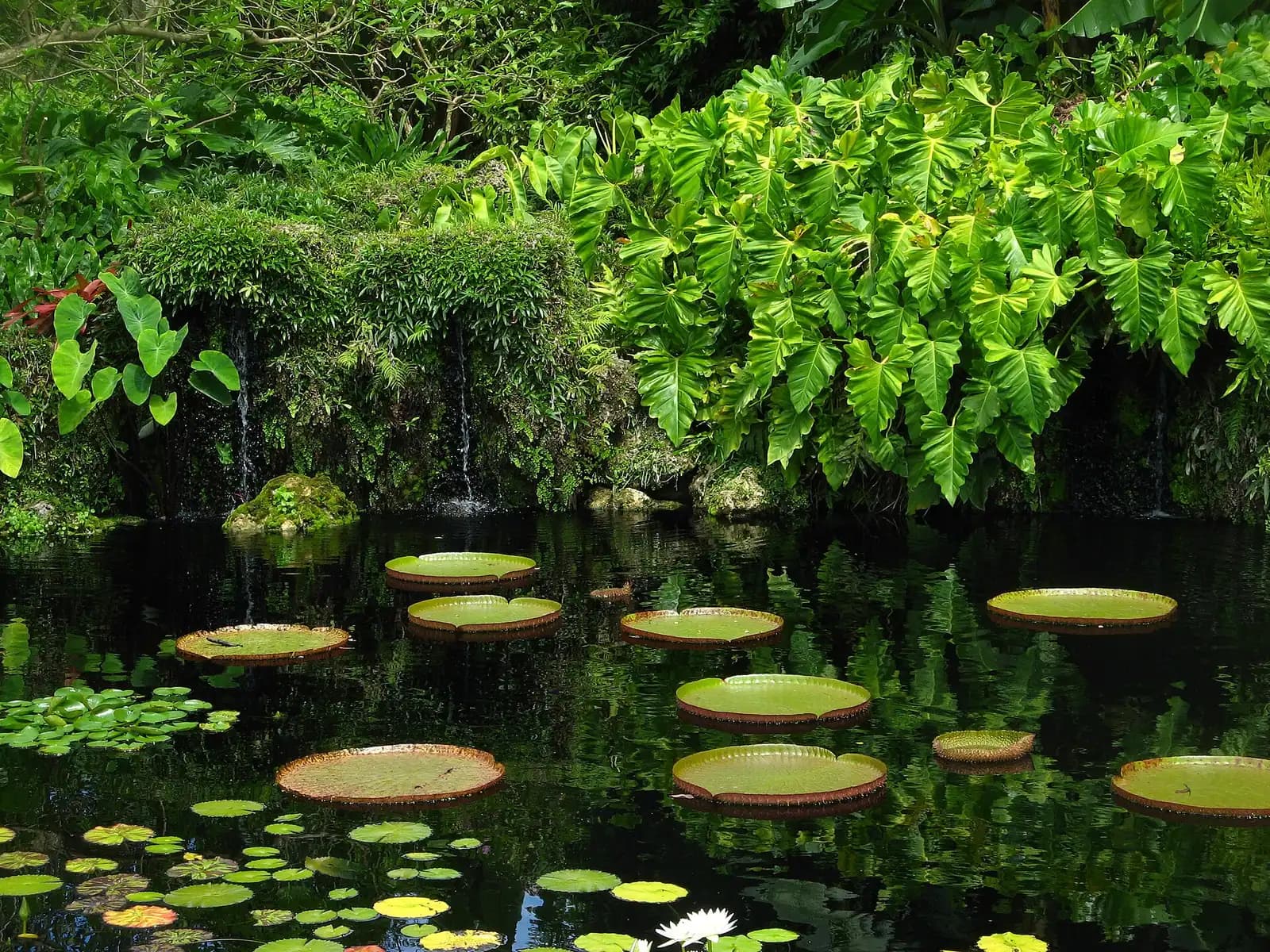
    Eighty-three acres of palms and cycads on Old Cutler Road: a serious conservation institution dressed as a pleasant morning out.

    2–4 hoursTicketed, recently around $25 for adults, about $18 for seniors and roughly $12 for children aged 3–11, with under-3s free. The tram tour and butterfly conservatory are included.

  • A large outdoor swimming pool with exposed limestone rock walls, palms and a stone bridge

    Water feature

    Venetian Pool

    A municipal swimming pool carved out of a coral rock quarry in 1924, filled from an artesian well and listed on the National Register.

    1.5–3.5 hoursTicketed, with rates varying by season and by residency. Recent non-resident adult admission has sat roughly in the $15–25 band, with lower rates for children and for Coral Gables residents.

  • A Mediterranean Revival building with barrel-tile roof, arcades and stucco walls under palms
    Free

    Neighbourhood

    Coral Gables

    A whole city planned and sold in the 1920s to one Mediterranean design code, and still enforcing it a century later.

    2.5–6 hoursFree to visit the city, Miracle Mile and the residential streets. The Venetian Pool, the Coral Gables Museum and Fairchild Tropical Botanic Garden each charge their own admission.

  • A calm circular saltwater pool ringed by sand and mangrove with a distant city skyline

    Park

    Matheson Hammock Park

    A man-made tidal pool cut into the mangrove edge in the 1930s, flushed by the bay and framed by the downtown skyline.

    2–5 hoursA per-vehicle parking charge at the gate, higher at weekends. Entry on foot or by bicycle is free. Boat ramp and marina use are charged separately.

Key Biscayne3

  • A tall white brick lighthouse standing above low coastal scrub against a clear sky

    Park

    Bill Baggs Cape Florida State Park

    A state park at the tip of Key Biscayne built around an 1825 lighthouse, a mile of east-facing sand and a harbour full of boats.

    2.5–6 hoursFlorida state park entry, charged per vehicle. Expect around $8 for a car with two to eight people, roughly half that for a single occupant or motorcycle, and a small per-person fee for pedestrians and cyclists.

  • A long causeway bridge curving across shallow bay water towards a low green island
    Free

    Neighbourhood

    Key Biscayne

    One causeway, two big parks and a village in between — the island Miami drives to when it wants the ocean without the noise.

    3–8 hoursThe village and its streets are free. You pay an eastbound causeway toll to drive on, and a per-vehicle entry charge at each of the two parks.

  • Shallow flat turquoise water over pale sand with no breaking waves, stretching far from shore

    Beach

    Crandon Park

    Two miles of beach behind a sandbar that kills the swell, plus a carousel, a nature centre and the cages of a zoo that left in 1980.

    3–7 hoursA modest per-vehicle entry fee at the gate, higher at weekends and holidays. Pedestrians and cyclists enter free. Cabanas, chairs and watercraft hire are extra.

Homestead2

  • Open sawgrass prairie stretching flat to the horizon under a tall sky of building cumulus cloud

    Nature preserve

    Everglades National Park

    A river 60 miles wide moving at the speed of a walking ant, with three entrances that do not connect to each other.

    4–10 hoursA single vehicle pass covers all three entrances for seven consecutive days. Expect somewhere in the region of $30–35 per vehicle, with lower rates for motorcycles and for arriving on foot or by bike.

  • A small boat on flat shallow turquoise water with low green islands on the horizon
    Free

    Nature preserve

    Biscayne National Park

    A national park that is 95 percent water: mangrove shoreline, a bay, the northernmost Florida Keys and a living coral reef.

    1.5–7 hoursFree. There is no entrance fee for Biscayne National Park and parking at Convoy Point costs nothing. Boat trips, snorkelling, diving and island camping are charged separately.

Miami Beach2

  • A large cruise ship passing close to a shoreline park along a narrow shipping channel
    Free

    Park

    South Pointe Park

    The southern full stop of Miami Beach, where a shipping channel runs so close that cruise ships pass within a stone's throw.

    1–3 hoursFree. The park, the pier, the splash pad and the beach access cost nothing. Parking does not.

  • A wide open stretch of Atlantic beach with breaking surf and a lifeguard tower in the distance
    Free

    Beach

    Haulover Beach Park

    A mile and a half of county beach north of Bal Harbour, with a legal clothing-optional section at the northern end.

    2–6 hoursThe beach is free to enter. Parking is charged per vehicle and is higher at weekends; expect somewhere in the high single digits to low teens.

Palmetto Bay1

  • A stone Mediterranean-revival house with arched loggias seen across a lawn under palms

    Historic site

    Deering Estate

    Charles Deering's bayfront estate: an 1896 pioneer hotel, a 1922 stone house, and a Paleoindian fossil site in the pine rockland behind.

    2–4 hoursAround $18 for adults and roughly $10 for children, including the house tours and the guided nature walk when running. Young children generally free.

Where everything is in Miami

Every pin is also a link in the index beside it, so the list works before the map loads.

Every place shown on this map is also listed below as a link, grouped by area.

Guided ways to see Miami

Nothing on this island announces itself. These are the trips that put the places above into an order that makes sense — and the operators who can get you inside the gates.

Some links below go to Viator, our booking partner. We earn a commission on bookings made through them — at no extra cost to you, and with no influence on what we recommend.

Editor's Pick

Best guided introduction to Vizcaya and the bayfront

Why we chose it

Vizcaya rewards someone explaining what you are looking at: which rooms were shipped from Europe, why the stone barge is carved the way it is, and what a formal Italian garden does in a climate that grows over it every year. A guided visit also usually times the gardens for the morning light, which is when the bay-facing terrace is at its best.

Top Rated

Best way to see the Wynwood murals

Why we chose it

A guided walk gets you past the ticketed Walls and out into the streets around them, which is where most of the work is and where the context lives: who painted what, which walls get repainted each December, and which blocks turned over first. Morning departures beat the heat on concrete with no shade.

Best Value

Best-value combined attractions pass

Why we chose it

Miami's headline tickets add up fast: Vizcaya near $39, Frost Science around $30, Fairchild around $25. A multi-attraction pass pays for itself at three sites in a week and removes the queue at two of them. Check the specific list before buying, because the passes vary in whether they include the bay cruise and the Walls.

Best for Families

Best attraction day with children

Why we chose it

Frost Science and PAMM share Maurice A. Ferré Park on the downtown bayfront and a single garage, which means an aquarium, a planetarium and a serious art museum without moving the car. Add the free Metromover, which children treat as a ride, and you have a full day inside a half-mile radius.

Explore by what you want to do

The directory lists places. These pages plan days.

  • Aerial view of the Brickell high-rise district on the western edge of Biscayne Bay in Miami under a cloudy sky

    Guide hub

    Things to Do in Miami

    Start with the geography, because almost every bad Miami itinerary comes from getting it wrong. Miami and Miami Beach are two separate cities, with…

  • A motor yacht heading down an intracoastal waterway in Miami with residential high-rise towers along the shore

    Guide hub

    Miami Tours

    Miami has more bookable tours than anywhere else in this network by a wide margin: well over a thousand products, with a median price around $89 and…

  • A causeway road with white railings curving towards a Miami high-rise under heavy grey cloud

    Plan your trip

    Getting Around Miami

    Getting around Miami is not hard, but it is counter-intuitive, and the mistakes are expensive rather than confusing. Three facts do most of the…

  • A tour boat crossing Biscayne Bay with the downtown Miami skyline and Brickell towers behind it

    Things to do

    Miami Boat Tours

    Miami is a bay city that happens to have an ocean behind it, and nothing makes that clearer than getting on a boat. Biscayne Bay is roughly 35 miles…

  • Sawgrass prairie stretching to the horizon under a wide sky in the Florida Everglades with a hammock of trees in the distance

    Things to do

    Everglades Tours from Miami

    The largest subtropical wilderness in the United States begins about 25 miles from downtown Miami, and most people who come to this city never see…

  • The Miami mainland skyline seen from across the open water of Biscayne Bay on a clear day

    Guide hub

    Miami Neighborhoods

    Miami is a small city inside a very large county. Fewer than half a million people live in the City of Miami itself. Around 2.6 million live in…

Common questions

What is the number one attraction in Miami?

By visitor numbers and by how often it appears on a first trip, the Wynwood Walls, with Vizcaya Museum and Gardens close behind. The Walls are a ticketed outdoor mural museum at around $12 for an adult, surrounded by many blocks of free street art. Vizcaya is a 1916 Italianate villa on Biscayne Bay and a National Historic Landmark, at around $39. They are a fifteen-minute drive apart and make a good single day.

How much does Vizcaya cost to visit?

Adult admission is currently in the region of $39, which includes the house and the gardens, with lower rates for members and reduced pricing at some evening events. Verify current pricing on the museum's own site before you go, because it has risen in recent years. Allow about two hours, go in the morning for the light on the bayside stone barge, and expect the gardens to involve gravel and steps.

Is the Wynwood Walls free?

No, the Walls themselves are a ticketed outdoor museum, currently around $12 for an adult and about $5 for children aged 6 to 17. The street art on the surrounding blocks is free and covers many streets in every direction, and a good deal of it is excellent. Most visitors do both: an hour inside the Walls, then a self-guided wander outside. Go in the morning, because the district is concrete with very little shade.

Can you visit the Everglades from Miami without a car?

Yes. Shark Valley is about an hour west of Brickell on the Tamiami Trail and there is no public transit to it, so visitors without a car use a guided tour, which typically covers transport, the entrance and a tram or walk. Tours also run to the Ernest Coe entrance near Homestead. Check whether a tour enters the national park at all, because many Miami "Everglades tours" are airboat trips on private land north of the park boundary.

Is Biscayne National Park worth visiting?

Yes, but only if you get on a boat. The park is roughly 95 percent water and protects the northernmost Florida Keys, part of the only living coral barrier reef in the continental United States, and the mangrove coast between. The free visitor centre at Convoy Point has a jetty walk and an exhibit, and that is the extent of what you can see from land. Boat trips from Convoy Point or Coconut Grove start around $80 for three to four hours.

Are Miami beaches free?

The sand is. Florida holds its ocean beaches in public trust up to the high-water line, hotel frontage included, and the access points off Collins Avenue are numbered and signposted. What costs money is parking and equipment: a South Beach meter runs about $4 an hour, Bill Baggs Cape Florida State Park charges roughly $8 per vehicle, and Crandon Park charges per car. A lounger and umbrella set is a separate rental.

Is the Miami Seaquarium still open?

No. The Miami Seaquarium on Virginia Key closed permanently in October 2025, after Miami-Dade County terminated its lease over a long record of animal-welfare and maintenance violations. The animals were relocated to other facilities and sanctuaries. Older guidebooks, listings and blog posts still recommend it, so do not plan a day around it. Frost Science downtown has an aquarium, and Zoo Miami is the county's large animal attraction.

How many days do you need to see Miami's attractions?

Three days covers the essentials without rushing: one for the arts corridor and Little Havana, one for the bayfront estates or the beach, and one for the Everglades. A fourth day lets you add Key Biscayne or the museum park downtown properly. What does not fit is trying to combine Miami Beach, the mainland neighbourhoods and both national parks in a long weekend; the causeways and the drives eat more of the day than the map suggests.

What can you see in Miami for free?

The Metromover through downtown and Brickell, all the ocean beaches, the street art on the blocks around the Wynwood Walls, Domino Park in Little Havana, the Miami Riverwalk, Bayfront Park, South Pointe Park and its shipping-channel pier, Lincoln Road, the Institute of Contemporary Art in the Design District, the Art Deco Historic District on a self-guided walk, and Biscayne National Park's visitor centre. PAMM is free on the second Saturday of the month.

Is Little Havana safe to walk around?

Yes, the Calle Ocho corridor between roughly SW 12th and SW 17th Avenues is a busy commercial street and comfortable to walk in daylight and through the evening, with normal city awareness. It is a residential working neighbourhood rather than a tourist zone, so park legally, ask before photographing people, and spend money in the businesses. The last Friday of the month brings Viernes Culturales, which closes part of the street and draws a large local crowd.