Calle Ocho is SW 8th Street, and the stretch most visitors walk runs roughly between 12th and 17th Avenues. That is the part with the walk of stars in the pavement, the cigar shops, Domino Park and the 1926 Tower Theater. It is also the most visitor-facing part, which is worth knowing rather than worrying about — the food is good, and the neighbourhood west of 27th Avenue is where more residents actually eat.
Start with coffee, because in Little Havana everything else is arranged around it.
The ventanita
A ventanita is a little window: a walk-up counter opening onto the pavement, attached to a cafeteria or a shop, where coffee and pastries are sold to people standing up. There are dozens along Calle Ocho. You do not sit, you do not linger long, and the queue moves.
Order in whatever Spanish you have. Nobody minds it being bad.
| Order | What it is | When |
|---|---|---|
| Cafecito | A single shot of sweetened Cuban espresso, thick with espumita | Any time |
| Colada | Four to six shots in a cup, with a sleeve of thimble-sized plastic cups | To share, never alone |
| Cortadito | Espresso cut with steamed milk, sweet, small | Mid-morning |
| Café con leche | Milky coffee, usually with buttered toasted Cuban bread for dunking | Breakfast |
| Batido | Fresh fruit milkshake — mamey, mango, trigo | Afternoon heat |
| Guarapo | Sugarcane juice pressed to order | Afternoon heat |
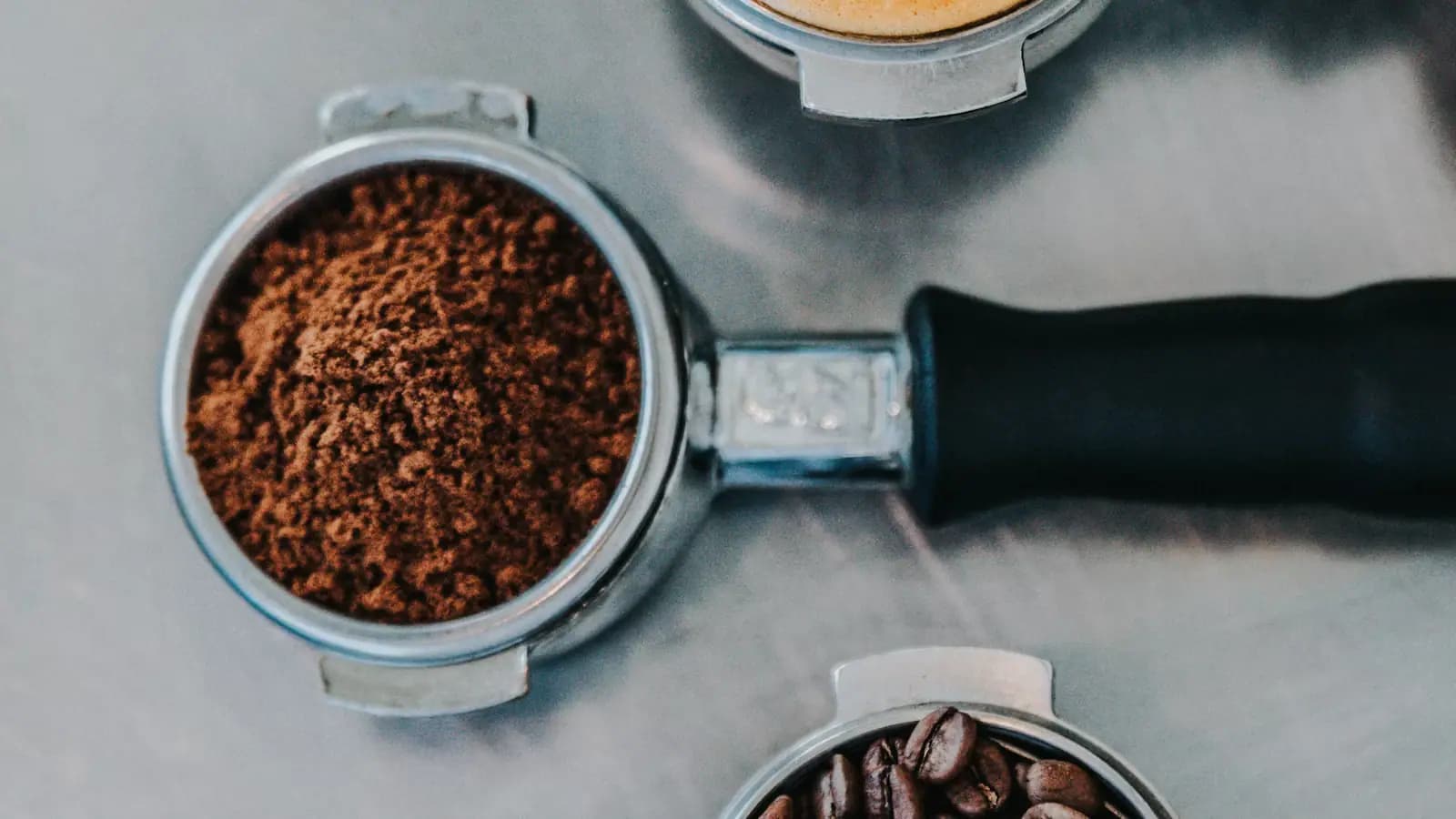
The espumita is the point of Cuban coffee. Sugar is whipped with the first drops of espresso into a pale caramel foam, then the rest of the coffee is poured through it. Done properly it sits on top like crema.
The colada is the one visitors get wrong. It is not a large coffee for one person. It comes with a stack of tiny cups because it is meant to be carried back to an office, a shop floor or a building site and poured out for five or six people, usually in the mid-afternoon. Buying one and drinking it alone is a lot of espresso and a small social misunderstanding.
Coffee at a ventanita costs very little — a cafecito is typically small change and a colada a couple of dollars. Prices vary; this is not a menu.
What to eat
At the window
Croquetas. Ham, usually, in a thin fried crust, eaten two or three at a time standing at the same window where you got the coffee. The best ones are creamy inside rather than dense.
Pastelitos. Flaky pastry filled with guava, guava and cheese, or meat. The guava and cheese is the one.
Pressed on the plancha
The Cuban sandwich. Roast pork, ham, Swiss, pickles and yellow mustard on Cuban bread, buttered and pressed flat on a plancha until the crust cracks. Miami's version does not include salami; that is the Tampa recipe, and the distinction is a real and slightly touchy one. A medianoche is the same idea on soft sweet egg bread, smaller and richer, and traditionally eaten late.
Pan con bistec. Thin steak, shoestring potatoes and tomato in the same pressed bread. Messier and better than the Cuban sandwich, and much less ordered by visitors.
The frita. A thin, spiced beef patty topped with a nest of shoestring potatoes in a soft bun. Miami's own burger, and it exists almost nowhere else.
Lunch proper
Lechón asado, roast pork with garlic and sour orange mojo. Ropa vieja, shredded beef in tomato and peppers. Vaca frita, the crisped version. Picadillo with olives and raisins. All of them come with white rice, black beans, and a choice of tostones, the twice-fried green plantain, or maduros, the sweet ripe ones. Take the maduros if the dish is savoury and salty, tostones if it is rich.
To finish. Flan, tres leches, or mamey ice cream — mamey being a russet-skinned tropical fruit that tastes like sweet potato and apricot and is the flavour Miami claims hardest.
Little Havana is not only Cuban any more
This matters and most guides skip it. Cuban exiles made the neighbourhood from the 1960s, but the people living here now are also Nicaraguan, Honduran, Salvadoran, Colombian and Venezuelan, and the kitchens followed.
Look for Nicaraguan fritangas, where grilled meat, gallo pinto, fried cheese and cabbage salad are sold from a steam counter by weight. Vigorón, yuca and pork crackling with cabbage on a banana leaf, is a Nicaraguan dish you will find within a few blocks of the Cuban sandwich you just ate. Venezuelan arepas and cachapas are everywhere. So is Colombian bandeja paisa.
A neighbourhood that only served one country's food would be a museum. This one is not.
Timing
Lunch is the big meal. Cuban kitchens are busiest between noon and two, and that is when the cooking is freshest.
Mid-afternoon is coffee. Around three or four, ventanita queues build with people buying coladas for their colleagues. It is the best ten minutes to stand and watch.
Evening. Restaurants along Calle Ocho run late, and several have live music with no cover, generally starting mid-evening.
Last Friday of the month. Viernes Culturales closes part of Calle Ocho for an arts and music fair with galleries open late and food on the street. It is free and it is the single best evening to eat here.
Practical
Cash is useful at smaller counters, though cards are widely taken. Tipping applies at table service; at a ventanita, coins in the jar.
Parking on Calle Ocho itself is metered and scarce. Side streets are largely residential and permit-restricted. Most visitors arrive by rideshare and are right to; the free City of Miami trolley also serves Little Havana from downtown.
And a manners note worth repeating. Domino Park is a working park where residents play, with an age requirement to sit at a table. Watch from the pavement, ask before photographing anyone, and buy something in the neighbourhood you came to look at.
What to actually say at the window
You do not need Spanish, but a few words make the exchange smoother and nobody will correct your accent.
"Un cafecito, por favor." One small sweet espresso.
"Una colada, por favor" if there are several of you. It arrives with the little cups; hand them out.
"Un cortadito" if you want milk and a slightly longer drink.
"Un café con leche y tostada" for breakfast — the tostada being Cuban bread split, buttered and pressed, made for dunking.
"Dos croquetas de jamon" to eat standing there.
"Sin azúcar" means no sugar, and expect a look. Cuban coffee is sweetened during brewing rather than at the table, so unsweetened has to be requested up front and some places cannot do it at all.
Pay at the window, take the change, step aside so the queue can move. That is the whole ritual.
West of 27th Avenue
The blocks between 12th and 17th Avenues are where the tour groups go, and the food there is genuinely good. But Calle Ocho runs west for miles, and past about 27th Avenue the signage stops being bilingual for visitors and starts being bilingual for residents.
This is where the fritangas are, the bakeries selling by the dozen, the fruit stands with mamey and guanábana, the markets, and the restaurants with laminated menus and a television on in the corner. Prices drop. Portions do not.
It is not a secret and it is not an adventure. It is simply the rest of the neighbourhood, and it is a ten-minute drive from Domino Park.
If you have two meals in Little Havana, spend one on the walkable stretch for the atmosphere and one out here for the food. If you only have one, and you care more about eating than photographs, come west.
Last updated
Opening hours, ordinances and prices move with the season. We re-check this guide rather than rewrite it, and the date above is the last time someone did. How we research and correct.