Small Group
Little Havana Food and Walking Tour in Miami (opens in a new tab)
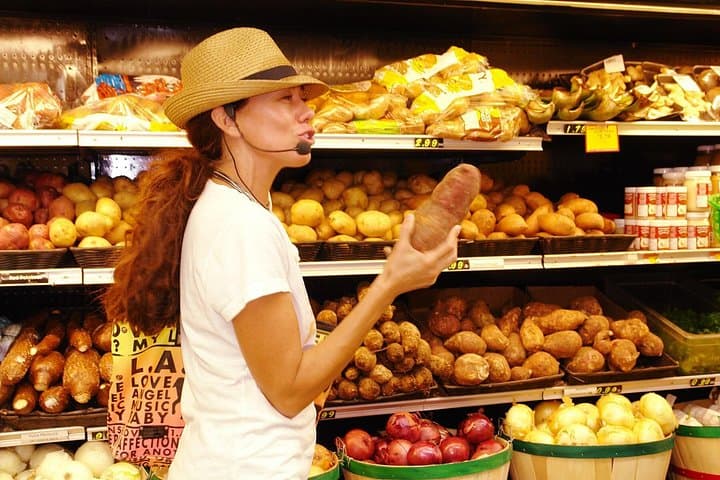
Join us on a culinary and cultural walking tour of Little Havana where you will discover the traditions, history, music and flavors of…
2–3 hours
Prices checked

Seasonal
One of the few fisheries where the animal is returned alive. The season is fixed, the supply is not, and opening week is the worst value of the year.
Florida's stone crab harvest season opens on 15 October and closes on 1 May, with the fishery shut for the five months in between. The dates are set by the Florida Fish and Wildlife Conservation Commission and they do not move for weather or demand.
The crab is not killed. Harvesters take one or both claws and return the animal to the water, where it can regenerate what was taken. That is why the fishery has survived intensive commercial pressure around South Florida for a century when others have not.
It also explains the pricing. A claw is graded by size, from medium up through large, jumbo and colossal, and the jump between grades is steep. Regulators tightened the rules in 2020, shortening the season and raising the minimum legal claw size, both aimed at letting more crabs regenerate before they are harvested again.
Opening week is the worst value of the year. Demand spikes, supply is thin, and restaurants are pricing scarcity. Prices generally settle from late autumn, and the sweet spot for both price and size is usually January through March.
Claws are cooked immediately on the boat or at the dock, then chilled. They are never served hot, and a restaurant offering you warm stone crab is doing something unusual. The traditional accompaniment is a cold mustard sauce, and the shell is cracked for you.
Stone crab is a Miami Beach institution and a Miami-wide seasonal marker. Most seafood restaurants across the county carry it in season, and fish markets sell claws by the pound, which is considerably cheaper than a dining room.
If your trip falls between May and mid-October and a menu is offering stone crab, it is frozen from the previous season. That is legal and often perfectly good. It is not the same thing.
SourcingSeason dates, the claw-harvest rule and the 2020 regulatory changes summarised from Florida Fish and Wildlife Conservation Commission public guidance on the stone crab fishery. Prices vary by grade, by week and by venue; nothing here is a quoted price.
Plan around it
The pages that carry the practical detail behind this story — hours, costs, access and where it sits on Miami.
Things to do
Miami food tours compared: Little Havana and Wynwood walks, what they cost, what you eat, and how to order a cafecito at a ventanita…
Things to do
Things to do in Miami by neighbourhood: Little Havana, Wynwood, Coconut Grove, Coral Gables, the bay and two national parks an hour from…
Things to do
The best time to visit Miami month by month: dry season versus wet, hurricane season, sargassum, king tides and the four events that move…
Guide
Miami's Beaches, Compared: Ocean, Bay, Lifeguards and Parking
Twenty miles of sand and two quite different kinds of water. The ocean side breaks; the bay side barely moves. Knowing which you want…
Related
This story touches something you can book. These are live listings from our booking partner, not a recommendation attached to the report above.
Some links below go to Viator, our booking partner. We earn a commission on bookings made through them — at no extra cost to you, and with no influence on what we recommend.

Small Group
Join us on a culinary and cultural walking tour of Little Havana where you will discover the traditions, history, music and flavors of…
2–3 hours
Prices checked
Newsroom

Seasonal
Wildlife here is a function of water level, not luck. When the marsh dries down, the animals gather where the water is left.
Who reported this
Culture & Food Editor
Yvette writes the neighbourhoods: Little Havana and Little Haiti, Wynwood and the Design District, the Grove and the Gables. She covers ventanitas, griot, gallery nights and the last Friday of the month on Calle Ocho, names the places she recommends, and checks they are still open the week before we publish.
Our newsroom is machine-assisted and human-edited: stories are drafted from verified public sources and checked before they publish. How that works is set out in our editorial standards.